Singapore Chinese New Year Celebrations: Your Guide to an Unforgettable Lunar New Year
Singapore Chinese New Year celebrations offer a spectacular fusion of ancient traditions and modern city life. The entire city transforms during the Lunar New Year period, with vibrant decorations, cultural performances, and an infectious festive spirit that takes over neighborhoods. This guide covers everything from the iconic River Hongbao to intimate family reunion dinners, helping you plan a culturally rich visit.
Understanding Lunar New Year in Singapore
Chinese New Year, known locally as Lunar New Year or Spring Festival, is the most significant cultural event for Singapore’s ethnic Chinese majority. The celebrations reflect the island’s unique Peranakan heritage and multicultural identity. Festivities blend Hokkien, Teochew, Cantonese, and Peranakan customs into a distinctive Singaporean experience.
The festival follows the lunar calendar, typically falling between late January and mid-February. Preparations begin weeks in advance, with families spring cleaning their homes to sweep away bad luck. Markets buzz with activity as people shop for new clothes, decorations, and ingredients for the reunion dinner.
The Significance and Cultural Roots
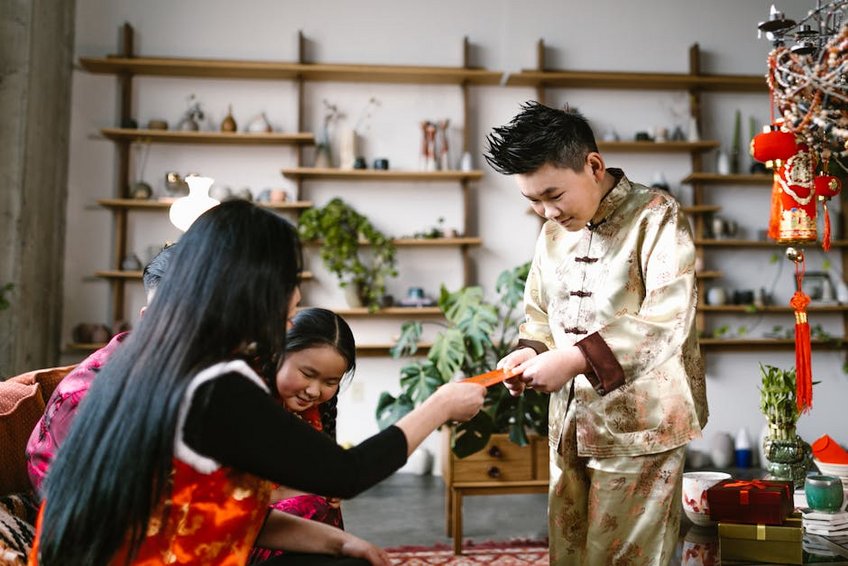
Understanding the festival’s meaning enriches your visit. The celebrations honor deities and ancestors while welcoming prosperity and good fortune. Each custom, from giving red packets to displaying mandarin oranges, carries symbolic weight. These traditions have evolved within Singapore’s urban context while maintaining their core cultural values.
- Reunion dinner on New Year’s Eve strengthens family bonds with symbolic dishes like whole fish for abundance and prawns for happiness.
- Visiting temples like Thian Hock Keng on the first two days allows devotees to pray for blessings and light incense for ancestors.
- The Chingay Parade, originally a street procession for deities, has become Singapore’s largest multicultural street performance.
- Budget travelers should allocate $80-120 daily, staying in hostels outside central areas, eating at hawker centers, using public transport, and enjoying free street decorations and temple visits.
- Mid-range visitors might spend $180-250 daily for 3-4 star hotels in areas like Geylang, mixed dining at casual restaurants and food courts, occasional taxis, and paid event tickets.
- Luxury experiences require $400+ daily for 5-star properties near Marina Bay, fine dining at festival menus, private tours, premium seating at events, and shopping at designer boutiques.
- Singapore Tourism Board – Chinese New Year Guide
- National Heritage Board – Cultural Traditions
Key Dates and Festival Timeline
The official celebration lasts fifteen days, though public activities concentrate on the first week. Key moments include New Year’s Eve for family gatherings and the seventh day for everyone’s birthday. Different communities may emphasize specific days based on their dialect group traditions.
Visitors should note that the first two days are public holidays. Many businesses close, especially traditional shops in Chinatown. Planning your itinerary around these closures ensures you won’t miss essential experiences. The atmosphere remains vibrant throughout the entire period regardless.
Regional Variations in Singapore
Singapore’s Chinese communities celebrate with subtle differences. Hokkien families might emphasize the Jade Emperor’s birthday on the ninth day with sugarcane rituals. Teochew households often include specific sweet dishes in their offerings. The Peranakan community adds Nyonya culinary flair to traditional reunion meals.
Alt: “singapore-chinatown-cny-lanterns-night-market-street”
Singapore Chinese New Year Celebrations – Planning Your Trip
Planning maximizes your enjoyment of Singapore Chinese New Year celebrations. Accommodation prices surge as the festival approaches, particularly near Chinatown. Booking flights and hotels three to four months in advance secures better rates. Consider visiting during the lead-up week for lighter crowds while still catching major events.
Singapore’s tropical climate means hot, humid weather with occasional rain showers. Pack lightweight, breathable clothing and a compact umbrella. Comfortable walking shoes are essential for exploring decorated streets and night markets. Carry a reusable water bottle to stay hydrated during outdoor festivities.
Budget accordingly for this premium travel period. Hotel rates increase 30-50% compared to other months. Many restaurants offer special set menus at higher prices during the festival. Allocate funds for shopping at festive markets and giving ang pow (red packets) if invited to local homes.
Best Time to Visit for the Festivities
The optimal visiting window is the week before New Year’s Eve through the third day of celebrations. This period captures peak decorations, bustling markets, and major public events. Temperatures average 88°F (31°C) with high humidity, though occasional showers provide brief relief. Evening temperatures drop to a pleasant 75°F (24°C).
Arriving before New Year’s Eve lets you experience the anticipation building in Chinatown. The first two days offer the most authentic cultural atmosphere despite some business closures. Consider extending through the weekend after New Year’s Day for the Chingay Parade if it falls later.
Budget Planning and Costs
Your budget determines what experiences you can prioritize during the celebrations. Singapore offers options across price ranges, though festival periods command premium rates. The following breakdown covers per-person daily estimates excluding international flights.
Essential Preparation Checklist
Proper preparation ensures a smooth festival experience. Secure your accommodation first, as rooms disappear quickly. Book event tickets online when available, especially for River Hongbao and Chingay Parade. Download essential apps like Grab for transport and Visit Singapore for event updates.
Pack appropriate attire including smart-casual outfits for temple visits. Include a red clothing item for participating in the spirit. Bring small new bills for ang pow packets if visiting local friends. Prepare for tropical weather with sunscreen, hats, and portable fans for crowded areas.
Top Attractions and Festival Events
Singapore transforms during Lunar New Year with spectacular events across the island. The Chinatown Street Light-Up serves as the visual centerpiece, featuring hundreds of lanterns and illuminated displays. Major attractions like Gardens by the Bay and Sentosa incorporate festive themes into their regular programming.
Cultural institutions present special exhibitions on Chinese traditions and Peranakan heritage. The Asian Civilisations Museum typically offers guided tours focused on lunar new year symbolism. Various community centers host free activities including calligraphy workshops and traditional craft demonstrations.
Must-See Highlights and Signature Events
River Hongbao at Gardens by the Bay is the festival’s flagship event. This massive carnival features giant lantern displays, cultural performances, and food streets. Entry is free, though some activities charge small fees. Visit after dark for the full illuminated spectacle against Singapore’s skyline.
The Chinatown Street Light-Up along New Bridge Road creates a magical atmosphere each evening. Ornate lanterns and themed arches stretch for several blocks. The adjacent Chinatown Festival Street hosts nightly stage shows and a bustling market selling festive goods and snacks until late.
Chingay Parade represents Singapore’s multicultural interpretation of lunar new year celebrations. This spectacular street parade features floats, dancers, and international performers traveling along a 1.2-mile route. Premium seating tickets cost $30-80, while free viewing areas fill up hours in advance.
Hidden Gems and Local Favorites
Venture beyond major tourist spots for authentic experiences. The Tiong Bahru neighborhood decorates its art deco buildings with subtle festive touches. Local bakeries here sell traditional new year cookies that make perfect edible souvenirs. The atmosphere feels more residential and less crowded.
Visit the Sun Yat Sen Nanyang Memorial Hall for historical context on Singapore’s Chinese community. Their special exhibitions explain festival traditions with English translations. The tranquil garden provides a peaceful escape from bustling street celebrations. Admission costs approximately $4 USD.
Family-Friendly Activities and Workshops
Many venues offer hands-on activities suitable for children and families. The Singapore Chinese Cultural Centre typically hosts free craft workshops where visitors can make paper lanterns or calligraphy decorations. These sessions operate on a first-come basis with materials provided.
Special festival workshops at community clubs teach traditional skills like dragon drawing or clay figurine making. These low-cost sessions ($5-10) require advance registration through the People’s Association website. They provide intimate cultural immersion away from large tourist crowds.
Practical Travel Information and Logistics
Navigating Singapore during the festive period requires some strategy. Public transportation operates normally except for extended hours on New Year’s Eve. Taxis and ride-shares face surcharges, especially after major events. Walking between nearby attractions often proves faster than waiting for transport.
Accommodation near event zones books completely months in advance. Consider staying along efficient MRT lines rather than in Chinatown itself. Neighborhoods like Outram, Tiong Bahru, or Bugis offer good connectivity while providing local dining options less affected by festival crowds.
| Accommodation Type | Location Advantages | Price Range Per Night (USD) |
|---|---|---|
| Luxury Hotels | Marina Bay area, best for River Hongbao access, festival packages | $350-600+ |
| Boutique Hotels | Chinatown/Club Street, walk to light-ups, characterful settings | $220-380 |
| Business Hotels | Orchard/Tanjong Pagar, reliable facilities, good transport links | $160-260 |
| Hostels/Apartments | Little India/Geylang, budget-friendly, self-catering possible | $60-120 |