Silk Road Tour in Central Asia: A Journey Through Living History
A Silk Road Tour in Central Asia transports you through the vibrant heart of the ancient world’s most legendary trade network. This adventure connects you with over two millennia of history, from the bustling caravanserais of Samarkand to the rugged mountain passes of the Pamir Highway. Your journey offers a profound cultural immersion across Uzbekistan, Kazakhstan, Kyrgyzstan, and Tajikistan, blending awe-inspiring architecture with genuine nomadic hospitality. This guide provides the essential planning details, from navigating modern visas to stepping back in time along the historic route.
Essential Information on the Silk Road
The Silk Road was never a single path but a sprawling web of trade routes linking East Asia to the Mediterranean. Central Asia served as its crucial crossroads, where goods, ideas, and cultures converged for centuries. Cities like Bukhara and Khiva grew wealthy as vital oasis stops for caravans carrying silk, spices, and gems. Today, this legacy is preserved in stunning Islamic architecture, vibrant bazaars, and enduring traditions.
Traveling this route now means engaging with post-Soviet nations that proudly embrace their deep historical identity. You will encounter a fascinating blend of Persian, Turkic, and Russian influences in everything from language to cuisine. Understanding this context enriches every moment, turning a simple visit into a meaningful exploration of human connection and resilience across eras.
What Constitutes the Central Asian Silk Road
The core itinerary for most travelers focuses on key historical cities and natural corridors.
- Uzbekistan’s Golden Triangle: This includes Samarkand with Registan Square, Bukhara’s ancient Lyab-i Hauz complex, and the walled city of Khiva (Ichan Kala). These sites showcase the Timurid Empire’s architectural zenith from the 14th-17th centuries.
- The Kyrgyz and Kazakh Steppes: This segment features the celestial mountains around Lake Issyk-Kul and the vast grasslands near Almaty. It highlights the nomadic heritage and equestrian culture that facilitated trade and communication across immense distances.
- The Pamir Highway in Tajikistan: Known as the “Roof of the World,” this remote highway follows one of the ancient route’s most challenging paths. It offers breathtaking landscapes and access to isolated Pamiri communities with distinct cultural traditions.
- Budget Traveler ($40-70/day): This covers dormitory hostels or basic homestays, local meals at chaikhanas (teahouses), shared taxis or public buses for transport, and minimal guided tours. You’ll need to arrange some visas independently and forgo some premium experiences. It’s very feasible but requires flexibility.
- Mid-Range Traveler ($100-200/day): This comfortable budget includes stays in 3-star hotels or boutique guesthouses, all meals, private car transfers for certain legs, entrance fees to all major sites, and the services of a local guide for key cities. It typically also covers internal flights and the cost of required visa support letters.
- Luxury Traveler ($300+/day): This tier features stays in top historical hotels like the Orient Star in Khiva, private guided tours with expert historians, chartered domestic flights or helicopter tours for remote areas, and fine dining experiences. It includes seamless visa processing and a dedicated tour manager to handle all logistics.
- Uzbekistan National Tourism Board
- Advantour Central Asia Travel Guide
- Caravanistan – Silk Route Travel Guide
Key Historical Periods and Influence
The route’s significance spans several defining eras. The Achaemenid and Sassanian Persian empires established early trade links and administrative systems. The Arab conquest in the 8th century introduced Islam, which became the region’s dominant religion and inspired its most iconic architectural styles, like the turquoise-domed madrasas.
The Mongol invasion in the 13th century, followed by the Timurid Renaissance under Tamerlane, created a paradoxical period of destruction and unparalleled artistic flourishing. Finally, the Russian Tsarist and later Soviet rule in the 19th and 20th centuries added another complex layer, visible in urban planning and infrastructure. Each period left an indelible mark on the region’s character.
Modern Travel Versus Ancient Caravans
While modern transport replaces camel trains, the spirit of adventure and cultural exchange remains. Today’s travelers cover in hours what took caravans weeks, but the landscape’s imposing scale—the deserts, mountains, and steppes—still inspires awe. The contemporary journey focuses on preservation, with many caravanserais restored as museums or hotels.
The modern interaction is also more reciprocal. Instead of merely passing through trade hubs, you stay in family-run guesthouses, share meals, and support local artisans. This direct engagement helps sustain the living cultural heritage that makes a Central Asian Silk Road adventure so unique and impactful for visitors today.
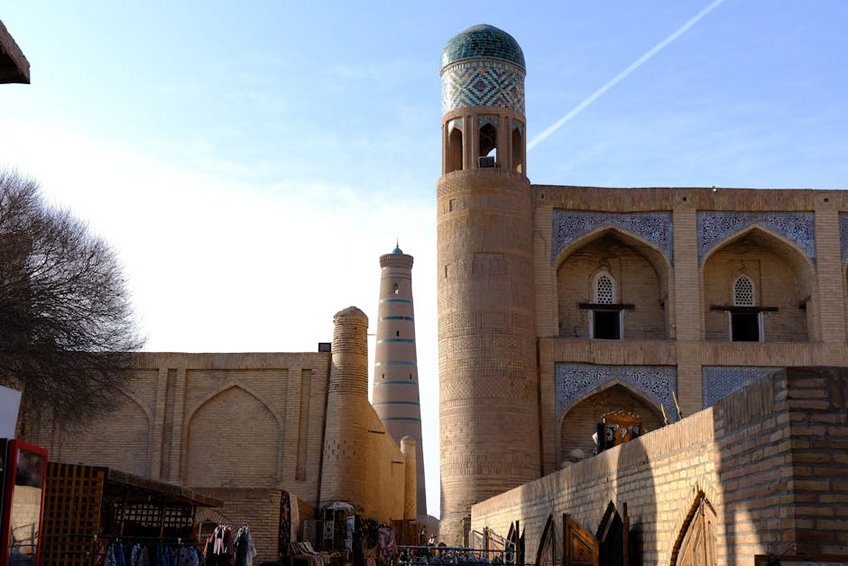
Alt: “registan-square-samarkand-turquoise-tiles-evening-light”
Silk Road Tour in Central Asia – Planning Your Journey
Organizing a Silk Road Tour in Central Asia requires attention to logistics that blend ancient routes with modern bureaucracy. Start by checking visa requirements for each country; while Uzbekistan and Kazakhstan offer e-visas for many nationalities, Tajikistan’s GBAO permit for the Pamirs needs advance planning. The ideal itinerary balances iconic cities with rural landscapes, allocating 14 to 21 days for a comprehensive experience across two or three countries.
Your budget must account for varied travel styles, from budget homestays to comfortable boutique hotels in restored historic buildings. Transportation between major hubs is efficient via train or domestic flight, but reaching remote areas like the Kyrgyz pastures or Tajik mountains requires a robust 4×4 vehicle and driver. Booking key domestic flights and high-speed trains early secures the best fares and schedules for your overland adventure.
Best Time to Visit Central Asia
The prime travel seasons are spring (April to early June) and autumn (September to October). During these months, temperatures are mild, ranging from 60°F to 80°F (15°C to 27°C), and the mountain passes are generally accessible. Spring brings blooming fruit trees and green landscapes, while autumn offers golden light and harvest festivals. These periods avoid the extreme heat of the summer deserts and the severe winter cold that closes high-altitude roads.
Shoulder seasons provide a good balance of pleasant weather and fewer tourists. Late October can be crisp but colorful. July and August are very hot in cities like Samarkand (often over 100°F/38°C) but are ideal for trekking in the Kyrgyz and Tajik mountains. Winter (November to March) is suitable only for city-focused tours in Uzbekistan, as many rural areas become isolated by snow.
Budget Planning and Costs
Costs vary significantly based on comfort level and group size. Here’s a typical breakdown for a two-week trip.
Essential Preparation Checklist
Packing requires strategy for diverse climates and cultural settings. Bring lightweight, loose-fitting clothing for hot cities, but include warm layers like a fleece and a quality down jacket for mountain regions. Sturdy, broken-in walking shoes are non-negotiable for uneven cobblestones and fortress climbs. A quality power adapter that accepts European two-pin plugs (Type C/F) is essential, along with a portable power bank.
Documentation is critical. Ensure your passport has at least six months validity and multiple blank pages. Apply for Uzbek e-visas and Kazakh eVisa (if needed) online. For Tajikistan’s Pamir Highway, you must obtain a GBAO permit in advance through a licensed tour operator. Secure comprehensive travel insurance that covers emergency medical evacuation from remote areas. Begin booking internal trains and flights at least three months ahead for peak season travel.
Top Attractions and Iconic Experiences
The historic route is defined by its monumental architecture and breathtaking natural scenery. In Uzbekistan, the Registan in Samarkand is an overwhelming sight, with its three grand madrasas adorned in intricate majolica tilework. Bukhara’s Ark Fortress and Poi Kalyan complex transport you to a medieval world, while the perfectly preserved Ichan Kala in Khiva feels like an open-air museum. These sites form the architectural core of any itinerary.
Beyond the cities, nature dominates. Kyrgyzstan’s Lake Issyk-Kul, a vast alpine lake surrounded by snow-capped peaks, offers hiking and a glimpse into nomadic life. The Pamir Highway in Tajikistan presents one of the world’s great road trips, with dramatic valleys and encounters with resilient Pamiri communities. Kazakhstan’s Charyn Canyon provides a stark, beautiful desert landscape reminiscent of a smaller Grand Canyon, showcasing the region’s geographic diversity.
Must-See Historical Highlights
Samarkand’s Gur-e-Amir mausoleum, the final resting place of Tamerlane, is a masterpiece of Timurid architecture. Visit in the late afternoon when the sun warms its fluted azure dome. In Bukhara, the Kalyan Minaret has stood for 900 years; climbing nearby structures offers the best photographic perspectives. Khiva’s Ichan Kala is best explored early in the morning before day-tripping crowds arrive, allowing for peaceful wandering through its narrow lanes.
In Kazakhstan, the Turkistan region is home to the Mausoleum of Khoja Ahmed Yasawi, an unfinished but monumental 14th-century structure. Kyrgyzstan’s Burana Tower near Bishkek is a surviving minaret from the ancient city of Balasagun. Tajikistan’s ancient Penjikent ruins reveal Sogdian frescoes and layout. Plan to spend at least a full day in each of Uzbekistan’s major cities to appreciate their scale and detail without rushing.
Hidden Gems and Local Encounters
Venture beyond the main squares to find authentic moments. In the Nuratau Mountains of Uzbekistan, community-based tourism projects offer homestays in traditional villages, with opportunities for hiking and seeing ancient petroglyphs. Near Osh in Kyrgyzstan, the remote mountain village of Arslanbob is home to the world’s largest natural walnut forest, perfect for autumn visits.
For a truly remote experience, the Wakhan Valley in Tajikistan runs parallel to the Afghan border. Here, you can visit centuries-old fortresses, meet Wakhi herders, and enjoy stunning views of the Hindu Kush mountains. In southern Kazakhstan, the Aksu-Zhabagly Nature Reserve offers pristine landscapes and the chance to see rare wildlife like the snow leopard, with guided treks available through local rangers. These spots require more effort to reach but deliver unparalleled authenticity.
Hands-On Cultural Activities
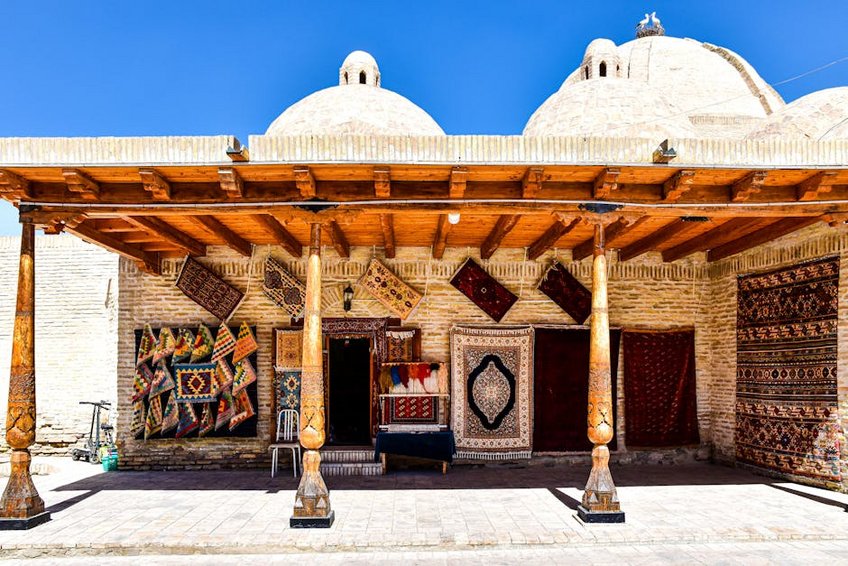
Engaging directly with artisans deepens the experience. In Bukhara’s trading domes, you can watch master craftsmen practice ancient techniques of silk weaving, wood carving, and metal engraving. Many workshops allow you to try your hand at simple tasks. In the Fergana Valley, visit ceramic studios in Rishton to see the distinctive blue-green pottery being made from local clay using methods unchanged for centuries.
In Kyrgyzstan, staying in a yurt at Song-Kol Lake is a quintessential nomadic experience. Families demonstrate how to set up the felt dwellings, prepare traditional foods like beshbarmak, and play traditional music on the komuz. You can even participate in daily tasks like milking horses to make kumys (fermented mare’s milk). These activities transform you from a spectator into a temporary participant in a living cultural heritage.
Practical Travel Information and Logistics
Navigating Central Asia has become increasingly traveler-friendly, though it still requires planning. Major international gateways include Tashkent International Airport (TAS) in Uzbekistan and Almaty International Airport (ALA) in Kazakhstan. These hubs offer good connections to Europe, the Middle East, and other Asian cities. For multi-country trips, consider an open-jaw itinerary, flying into one city and out of another to avoid backtracking.
Accommodation ranges from Soviet-era hotels to charming B&Bs and luxury properties in historic buildings. In cities, location is key—staying within or near the old town saves transportation time. In rural areas, homestays and yurt camps provide the most authentic and often most comfortable options, as they include home-cooked meals and local guidance. Booking platforms like Booking.com work well for cities, but remote homestays are best arranged through local tour operators.
| Transportation Mode | Best For / Key Features | Approximate Cost (USD) |
|---|---|---|
| High-Speed Train (Uzbekistan) | Connecting Tashkent, Samarkand, Bukhara. Fast, comfortable, reliable. Book online early. | $15-$30 per segment |
| Shared Taxi (Marshrutka) | Short to medium distances between cities and towns. Flexible but can be crowded. | $5-$20 per person |
| Private Car with Driver | Multi-day tours, remote areas like Pamirs, flexibility, comfort. Essential for complex routes. | $80-$150 per day (includes car & driver) |
| Domestic Flight | Covering large distances quickly (e.g., Tashkent to Urgench for Khiva). Saves time. | $50-$120 per flight |