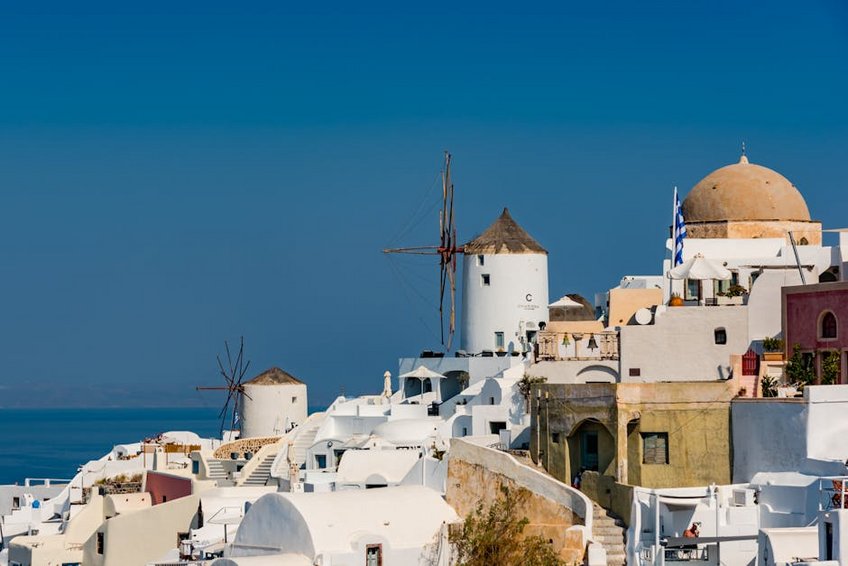
Santorini Travel Guide: Discovering the Cycladic Gem
This Santorini travel guide explores an iconic Greek island formed by volcanic activity. The destination features whitewashed villages clinging to dramatic caldera cliffs above a deep blue sea. Your visit combines stunning sunsets, unique black sand beaches, and incredible local cuisine for a memorable Aegean experience.
Essential Island Information
Santorini, known locally as Thira, is the largest island of a small circular archipelago. It sits in the southern Aegean Sea, roughly 120 miles southeast of mainland Greece. The island’s distinctive crescent shape is the result of a massive volcanic eruption around 1600 BCE.
This event created the steep caldera cliffs that define its western coast. Today, about 15,000 permanent residents live across several main towns. The island’s capital, Fira, serves as the central hub for transportation and services.
Oia, Imerovigli, and Firostefani perch along the caldera rim offering legendary views. Pyrgos and Megalochori provide quieter inland experiences. The eastern side features the popular beach resorts of Kamari and Perissa.
What You Need to Know Before Visiting
Understanding a few key facts will enhance your Cycladic holiday. The local culture balances ancient history with modern tourism seamlessly.
- The official currency is the Euro (€), and credit cards are widely accepted in hotels and restaurants, though small tavernas may prefer cash.
- Greek is the native language, but English is spoken fluently in all tourist areas, making communication straightforward for international visitors.
- Santorini operates on Eastern European Time (EET), which is UTC+2, and observes daylight saving time from March to October annually.
- Budget travelers can manage on $80-120 per person daily by staying in inland villages like Pyrgos, using local buses, eating at casual tavernas, and visiting free beaches like Perissa or Monolithos.
- Mid-range visitors spending $150-250 daily get comfortable caldera-view hotels in Firostefani, rental ATVs for flexibility, fine dining in Oia, and guided wine tours to several esteemed local wineries.
- Luxury experiences start at $400+ per day, covering suite accommodations with private plunge pools in Imerovigli, private sailing tours of the caldera, chef-led culinary experiences, and sunset dinners at exclusive cliffside restaurants.
- Municipality of Thira (Official Santorini Website)
- Greek National Tourism Organization
Key Historical and Cultural Details
Santorini’s history is deeply intertwined with volcanic activity. The Minoan civilization thrived here before the catastrophic eruption. That event likely inspired the myth of the lost city of Atlantis described by Plato.
The island was later inhabited by Dorians, Romans, Byzantines, and Venetians. Each culture left its mark on architecture and traditions. You can see this layered history at the ancient site of Akrotiri, a remarkably preserved Bronze Age settlement.
Traditional cliffside architecture uses white limewash for cooling and insulation. Blue-domed churches honor the Greek flag’s colors. The island is also famous for its Assyrtiko wine, grown in unique basket-shaped vines low to the ground.
Island Geography and Climate
Santorini spans approximately 28 square miles with a coastline of 43 miles. The terrain is rugged with volcanic soil, perfect for vineyards. Beaches here are not typical golden sand but striking black, red, or white volcanic pebbles.
The climate is Mediterranean with long, dry summers and mild, wet winters. Summer temperatures often reach 86°F (30°C) with intense sunlight. The Meltemi wind provides natural cooling during July and August afternoons.
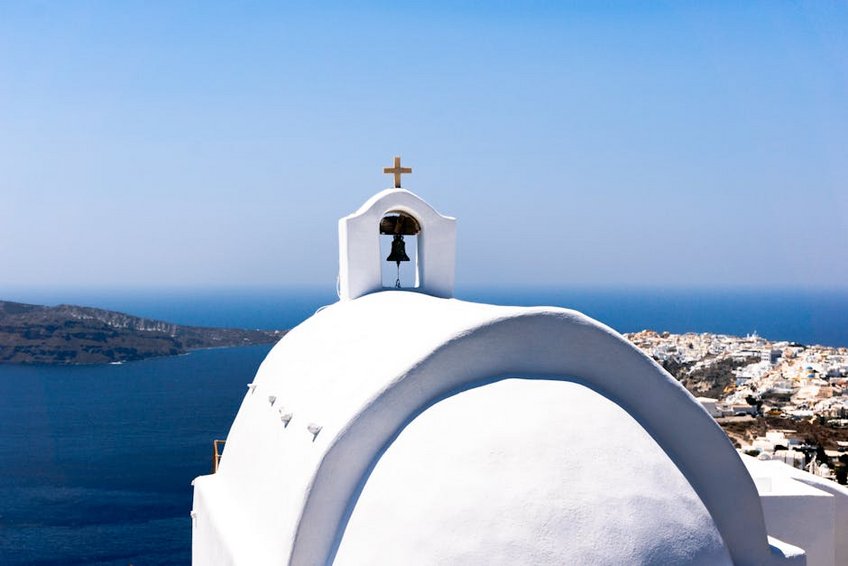
Alt: “santorini-caldera-cliffs-white-villages-aerial-view”
Santorini Travel Guide – Planning Your Trip
Effective planning transforms a good Santorini vacation into a great one. This section covers the critical timing and logistical elements for your Aegean adventure. You will need to balance popular sights with hidden local gems.
The island’s infrastructure handles tourism well but has seasonal peaks. April through October sees the majority of visitors, with a pronounced surge from June to September. Accommodation prices directly reflect these demand fluctuations.
Booking flights and hotels three to six months in advance secures the best rates and availability. Consider travel insurance for summer trips, as volcanic ash occasionally disrupts regional air travel. Always confirm your passport is valid for at least three months beyond your departure date from Greece.
Best Time to Visit Santorini
Peak season runs from late June through early September, featuring guaranteed sunny weather and full operational services. Daytime temperatures average 82-90°F (28-32°C) with minimal rainfall. This period also brings maximum crowds and premium prices for everything.
Shoulder seasons (April-May and late September-October) offer the best overall value. Temperatures are pleasant at 68-77°F (20-25°C), perfect for hiking and exploration. The sea remains warm enough for swimming well into October, and you’ll encounter fewer tourists.
Budget Planning and Costs
A trip to this Cycladic island requires a realistic budget. Daily costs vary dramatically by season and travel style.
Essential Preparation Checklist
Pack light, breathable clothing, a wide-brimmed hat, and high-SPF sunscreen due to intense Aegean sun. Include sturdy, comfortable walking shoes for navigating steep, cobbled pathways and steps. A light jacket or wrap is essential for cooler evenings, especially during the spring and fall shoulder seasons.
Ensure you have a valid passport, a driver’s license if renting a vehicle, and appropriate European travel health insurance. Book popular accommodations and coveted sunset dinner reservations at least two months in advance. Download offline maps and translation apps, as cellular service can be spotty in remote areas.
Top Attractions and Memorable Activities
Beyond the famous sunset, Thira offers diverse landscapes and cultural sites. The island’s volcanic origin creates a unique environment for exploration. You can spend days visiting ancient ruins, swimming in thermal springs, and hiking coastal paths.
Most visitors start in Fira, exploring its narrow shopping lanes and museums. A scenic coastal footpath connects Fira to Oia, passing through Firostefani and Imerovigli. This 6-mile hike provides uninterrupted caldera views and takes about three hours to complete at a leisurely pace.
Don’t miss the chance to get out on the water. Boat tours depart daily from the old port in Fira or from Ammoudi Bay below Oia. These excursions offer a completely different perspective of the island’s dramatic cliffs.
Must-See Highlights and Landmarks
Oia’s sunset view is the island’s most iconic spectacle. Arrive at least 90 minutes early to secure a good vantage point along the castle ruins. The sight of the sun dipping below the horizon, illuminating the white buildings in golden light, is unforgettable.
Ancient Akrotiri is a meticulously excavated Minoan Bronze Age settlement. Often called the “Greek Pompeii,” it features multi-story buildings, sophisticated drainage systems, and preserved frescoes. Entry costs €12, and guided tours provide crucial historical context. The nearby Red Beach boasts stunning crimson cliffs formed from volcanic rock.
The village of Pyrgos sits at the island’s highest point, crowned by a medieval Venetian castle. Its labyrinthine streets are quieter than Oia or Fira. The panoramic view from the top encompasses the entire island and neighboring islets.
Hidden Gems and Local Favorites
Visit the traditional village of Megalochori for a quieter taste of island life. Its central square features several excellent family-run tavernas. Explore the underground canava wine caves that tunnel beneath the village, many of which are still used for wine storage today.
Emporio, near Perissa Beach, has a fascinating medieval castle district (kasteli). Its narrow, covered passageways were designed for defense. This area remains largely residential and offers an authentic glimpse into local architecture without the tourist crowds.
For a unique swim, seek out the White Beach, accessible only by boat or a short, rocky path from the Red Beach. Its towering white cliffs and clear water create a breathtaking, secluded cove. Local boat taxis from Akrotiri port provide regular service.
Santorini’s Unique Wine Culture
The island’s volcanic soil produces distinctive wines, notably the crisp, acidic Assyrtiko white. Over a dozen wineries offer tours and tastings. Santo Wines, located on the caldera rim near Pyrgos, provides the most spectacular tasting setting with direct sunset views.
Venetsanos Winery, built into the cliffside above the port, is an architectural marvel using gravity for production. Boutari Winery in Megalochori offers one of the most informative tours on viniculture techniques adapted to the harsh, dry climate. Tasting flights typically range from $20-$40 per person.
Practical Travel Information and Logistics
Navigating Santorini is straightforward with a little preparation. The island has one main road running along its spine, connecting the major towns. Public transportation is reliable along this route, especially during the tourist season.
Accommodation choices define your experience. Caldera-view hotels command premium prices for their unparalleled vistas. Inland and beachfront hotels provide significant savings and often include more amenities like pools and breakfast.
| Accommodation Area | Best For & Features | Average Nightly Rate (USD) |
|---|---|---|
| Oia | Luxury, iconic sunsets, high-end dining, boutique shopping. Limited parking. | $350 – $1000+ |
| Fira | Central hub, nightlife, bus connections, museum access. Can be noisy. | $150 – $400 |
| Imerovigli | Romantic tranquility, panoramic caldera views, luxury spas. Steep pathways. | $250 – $700 |
| Kamari/Perissa | Beach access, family-friendly, pool resorts, value dining. Distance from caldera. | $80 – $250 |