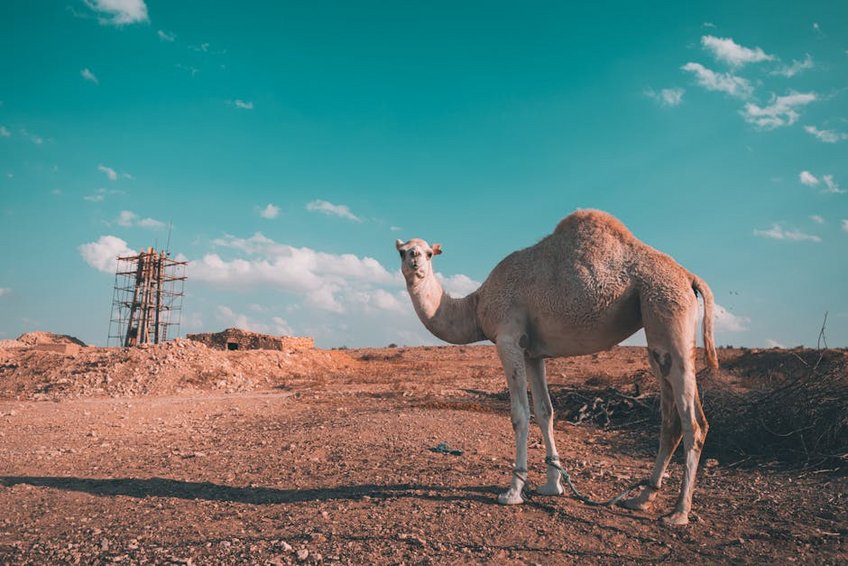
Sahara Desert Experience in Tunisia: Your Complete Desert Adventure Guide
Venturing into the Sahara Desert in Tunisia offers a profound journey across golden dunes, ancient oases, and under star-filled skies few places on Earth can match. This North African nation provides accessible gateways to the vast Erg regions, where you can sleep in Berber camps, ride camels at sunset, and explore cinematic landscapes used in Star Wars. This guide covers the essential planning, from choosing between Douz and Tozeur to packing for extreme temperature swings, ensuring your desert trip is both magical and manageable.
Understanding Tunisia’s Sahara Region
Tunisia’s portion of the Great Sahara covers the southern third of the country, a breathtaking expanse of more than just sand. The landscape here includes massive sand seas called ergs, rocky hamada plateaus, and surprisingly lush oases fed by underground springs. This diversity creates a unique adventure where you can trek dunes in the morning and explore palm groves in the afternoon.
Historically, this area was a crucial part of trans-Saharan trade routes, with caravans carrying gold, salt, and spices. The indigenous Berber communities have inhabited these harsh environments for millennia, developing a rich cultural heritage adapted to desert life. Today, their hospitality forms the backbone of the authentic tourism experience, from shared mint tea to guided treks.
Key Geographic Areas and Ergs
Knowing the different desert zones helps you choose the right base for your activities.
- Erg Oriental: Accessible from Douz, this is Tunisia’s largest sand sea, famous for its towering golden dunes perfect for photography and camel trekking. It’s the most classic “dune” experience.
- Chott el Jerid: A massive salt lake near Tozeur, creating a surreal, cracked-white landscape. Visit at sunset for incredible color reflections, but never venture onto the crust without a guide.
- Mountain Oases (Chebika, Tamerza, Mides): These canyon oases in the west feature stunning waterfalls and palm groves against dramatic mountain backdrops, offering a cooler, greener contrast to the sand.
- Budget Tour ($300-$400 USD): A 2-day, 1-night shared group tour from Douz. Includes basic 4×4 transport, a night in a simple shared Berber tent, meals, and a short camel ride. You’ll save by joining a larger group and forgoing private amenities.
- Mid-Range Tour ($500-$650 USD): A 3-day, 2-night private or small-group tour from Tozeur. Features private 4×4 with driver/guide, upgraded private tents with beds, all meals, camel trekking, and visits to mountain oases like Chebika. This offers the best value for comfort and itinerary depth.
- Luxury Experience ($700-$1000+ USD): A multi-day private expedition with stays at premium desert lodges or luxurious private camps with ensuite bathrooms. Includes a dedicated guide, gourmet meals, and exclusive activities like sandboarding or extended star-gazing sessions with telescopes.
- Tunisia National Tourism Office
- Lonely Planet Tunisia Sahara Guide
Climate and Environmental Factors
The Tunisian Sahara has an extreme arid climate with significant temperature variations. Summer months (June-August) see scorching daytime highs regularly exceeding 104°F (40°C), while nights remain warm. Winter days (December-February) are pleasantly mild, around 68°F (20°C), but temperatures can plummet below freezing at night.
Sandstorms, known as “sirocco” or “chili,” can occur, typically in spring. These reduce visibility and may disrupt travel plans. The air is extremely dry year-round, with humidity often below 25%, making hydration a constant priority. Always check forecasts with your tour operator before heading deep into the ergs.
Cultural Context and Heritage
The desert is not an empty space but a living cultural landscape. The Berber (Amazigh) people have a deep connection to this land, evident in their music, crafts, and nomadic traditions. Many desert camps are run by Berber families, providing genuine insight into their way of life.
Respectful engagement is key. Always ask permission before photographing people. Learning a few Arabic phrases like “As-salamu alaykum” (hello) and “Shukran” (thank you) is appreciated. The pace of life is slower here, emphasizing community and hospitality over schedules.
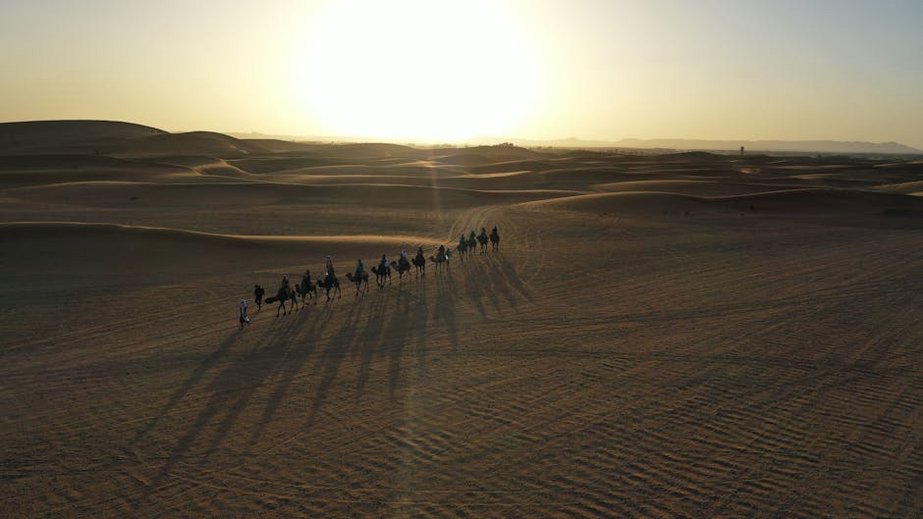
Alt: “tunisian-sahara-erg-dunes-camel-trek-sunset”
Sahara Desert Experience in Tunisia – Planning Your Trip
Organizing your desert adventure requires careful consideration of season, route, and tour type. Most experiences are multi-day excursions departing from gateway cities, as independent travel deep into the ergs is not recommended without expert guidance. Your primary decision is choosing between the eastern dunes near Douz or the varied landscapes accessible from Tozeur.
Budget between $300 and $800 USD per person for a comprehensive 3-day, 2-night tour, depending on group size, accommodation luxury, and included activities like 4×4 tours or private guides. Booking with a reputable local operator at least one month in advance is crucial for the best guides and confirmed camp reservations, especially during peak seasons.
Best Time to Visit the Tunisian Sahara
The optimal windows for a Sahara Desert experience in Tunisia are during the spring (March to May) and autumn (October to November). During these shoulder seasons, daytime temperatures range from a pleasant 75°F to 85°F (24°C to 29°C), and nights are cool but not freezing, typically between 50°F and 60°F (10°C to 16°C).
December and January offer crisp, clear days but require serious cold-weather gear for camping. The intense summer heat from June to September can be overwhelming for extended outdoor activities. Regardless of when you visit, the desert sky is darkest from October to April, offering the best chances for spectacular stargazing and Milky Way visibility.
Budget Planning and Costs
Your total cost depends heavily on tour style, duration, and group size.
Essential Preparation Checklist
Packing correctly is non-negotiable for desert comfort and safety. Essentials include a wide-brimmed hat, high-SPF sunscreen, sunglasses, a lightweight scarf for sun and sand protection, and a reusable water bottle (aim to drink 3-4 liters daily). Footwear should be broken-in hiking shoes or boots for trekking, plus sandals for camp.
For overnight camps, you need a warm jacket, hat, and gloves for winter nights, even if days are warm. A headlamp is essential for navigating dark campsites. Ensure you have comprehensive travel insurance covering medical evacuation. Inform your bank of travel plans, as ATMs are nonexistent in the desert, and carry enough Tunisian dinars (obtained in cities) for tips and small purchases.
Top Attractions and Desert Activities
The Tunisian desert delivers a stunning array of sights and experiences beyond the iconic dunes. From the otherworldly salt flats of Chott el Jerid to the lush canyons of the west, each day presents a new landscape to explore. Activities blend adventure with cultural immersion, offering something for every type of traveler.
Guided 4×4 excursions are the primary mode of exploration, allowing you to cover vast distances safely. Reputable operators design itineraries that balance thrilling rides over dunes with peaceful moments at oases and historical sites. Always choose operators who follow established tracks to minimize environmental impact on the fragile desert ecosystem.
Must-See Highlights
Star Wars filming locations around Tozeur and Tataouine are a major draw. You can visit the abandoned set of Mos Espa near Nefta or the iconic Berber cave dwellings in Matmata, which served as the Lars Homestead. These sites connect cinematic fantasy with real desert architecture.
The Grand Erg Oriental near Douz is the quintessential dune sea. A sunrise or sunset camel trek here is unforgettable, with the light painting the sand in deep oranges and reds. For a different perspective, the mountain oasis of Tamerza features Tunisia’s highest waterfall, cascading through a palm-filled canyon—a refreshing contrast to the arid plains.
Hidden Gems and Local Favorites
Ksar Ghilane is a remote southern oasis featuring a natural hot spring, where you can soak in warm, therapeutic waters surrounded by dunes. It requires a long 4×4 journey but offers unparalleled solitude. Fewer tours go here, making it a more exclusive experience.
Near Douz, the weekly Sunday market (souk) provides a vibrant glimpse into local life, where Bedouin traders sell livestock, spices, and handicrafts. It’s a authentic cultural event far from the typical tourist trail. For astronomy enthusiasts, some specialized guides offer night-time sessions explaining Berber constellations and stories written in the stars.
Camel Trekking and Desert Nights
A camel trek, often at sunrise or sunset, is a symbolic and peaceful way to experience the dunes’ silence. Treks usually last 1-2 hours and are suitable for most fitness levels. Communicate any discomfort to your guide promptly; they are experts at making adjustments.
Spending a night in a Berber desert camp is the heart of the experience. After a traditional tagine dinner, the evening often revolves around a communal fire with music and storytelling. The profound silence and breathtaking visibility of the night sky, free from light pollution, create a lasting memory of the desert’s vastness.
Practical Travel Information and Logistics
Reaching and navigating the Tunisian Sahara involves a combination of international flights, domestic travel, and finally, guided 4×4 tours. International visitors typically fly into Tunis-Carthage Airport (TUN) or, for southern access, Djerba-Zarzis Airport (DJE). From there, you’ll need domestic transport to your desert gateway city before your tour begins.
Accommodation ranges from basic desert camps to luxurious eco-lodges. In gateway towns like Douz and Tozeur, you’ll find standard hotels. Once on your tour, you’ll either stay in mobile Berber camps made of woven tents or, for higher budgets, fixed camps with more permanent structures and amenities. Always confirm exactly what is provided (sleeping bags, mattresses, towels) with your operator.
| Category | Options/Features | Price Range (USD) |
|---|---|---|
| Desert Tour (3D/2N) | Shared 4×4, guide, camp stay, all meals, camel trek | $450 – $650 |
| Gateway City Hotel (per night) | Mid-range hotel in Douz/Tozeur with breakfast & AC | $40 – $70 |
| Domestic Flight (TUN to TOE) | One-way flight from Tunis to Tozeur (1 hour) | $80 – $120 |
| Private Driver Transfer | Car with driver from Djerba to Douz (3 hours) | $90 – $130 |