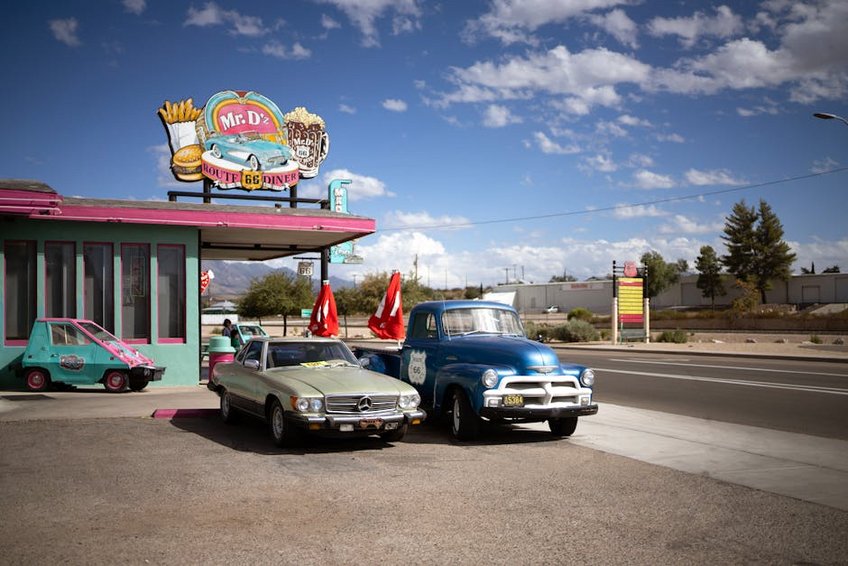
Route 66 Road Trip in the USA
Driving America’s most iconic highway offers a timeless adventure through the nation’s heartland. A Route 66 road trip connects Chicago to Santa Monica, weaving through eight states and over 2,400 miles of classic Americana. This guide covers essential planning, must-see stops, and practical tips for navigating the Mother Road’s historic and modern landscapes.
The Legend of Route 66
U.S. Highway 66, established in 1926, earned its “Mother Road” moniker from John Steinbeck’s The Grapes of Wrath. It served as a primary route for Dust Bowl migrants and postwar vacationers for decades. The road symbolized freedom and opportunity until its official decommissioning in 1985.
Today, the historic route exists as a collection of preserved alignments, business loops, and scenic byways. Travelers piece together the journey using maps from the National Historic Route 66 Federation. Modern interstates like I-40 often run parallel, but the adventure lies on the original pavement.
Understanding the Route’s Structure
The cross-country drive is not a single, continuous highway. Navigating requires understanding its segmented nature.
- Historic Alignments: Multiple original roadbeds exist from different eras; some are paved, others are gravel.
- Business Loops: When interstates bypassed towns, old Route 66 became “Business I-40” through communities like Amarillo.
- Missing Segments: Some parts are lost to time or private land, requiring short detours onto the interstate.
- Budget Traveler ($150-$200/day): Camp or stay at vintage motels ($60-$80/night), cook some meals, focus on free attractions like Cadillac Ranch, and limit paid tours. Gas is your main cost.
- Mid-Range Explorer ($250-$350/day): Stay at updated historic motels or chain hotels ($100-$150/night), enjoy classic diners for most meals, visit paid museums like the Oklahoma Route 66 Museum, and take a few guided tours.
- Luxury Road Tripper ($450+/day): Stay at premium boutique hotels or renovated iconic lodges (like the El Rancho in Gallup), dine at top-rated local restaurants, hire guides for specific segments, and enjoy unique experiences like a helicopter tour over the Grand Canyon.
- National Park Service: Route 66
- Lonely Planet Route 66 Guide
Key States and Driving Distances
The journey spans Illinois, Missouri, Kansas, Oklahoma, Texas, New Mexico, Arizona, and California. Driving the full length without stops takes roughly 50 hours. Most travelers allocate a minimum of two weeks for a comfortable pace with sightseeing.
Illinois and Missouri feature well-preserved stretches with classic diners. The Southwest offers stunning desertscapes and iconic neon signs. Planning daily drives of 200-300 miles balances road time with exploration.
Historical Significance and Preservation
Route 66 witnessed pivotal moments in 20th-century American history. It supported the migration of over 200,000 people during the Dust Bowl. Post-World War II, it became a corridor for tourism and the burgeoning car culture.
Preservation efforts are led by state associations and non-profits. They work to save vintage motels, diners, and roadside attractions from decay. Travelers directly support these efforts by stopping and spending time in these historic businesses.
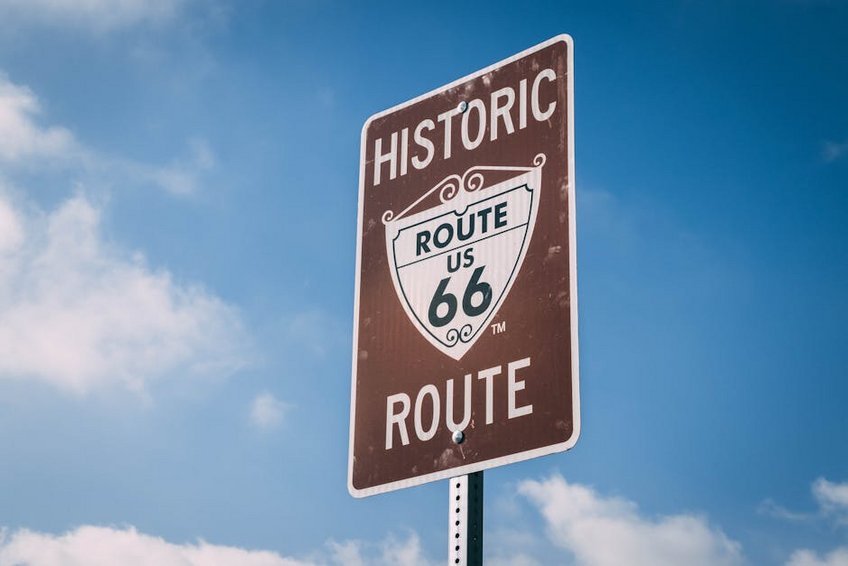
Alt: “route-66-historic-sign-desert-roadside-america”
Route 66 Road Trip – Planning Your Journey
Successful Mother Road travel requires more than just a full tank of gas. Careful planning ensures you experience the classic attractions while navigating logistical realities. Your itinerary should balance driving, exploring towns, and allowing for spontaneous discoveries.
First, decide on your travel direction. The traditional east-to-west route follows historical migration patterns. However, a west-to-east journey offers the advantage of seeing the Pacific Ocean as your starting point. Choose based on your personal preference and flight logistics.
Best Time to Drive Route 66
The ideal windows are spring (April to May) and fall (September to October). Daytime temperatures range from a pleasant 65-80°F (18-27°C) across most of the route. These seasons avoid the extreme summer heat of the Southwest deserts and the winter snows in the Midwest and High Plains.
Summer travel is possible but requires preparation for temperatures exceeding 100°F (38°C) in Arizona and California’s Mojave Desert. Winter trips can be beautiful but risk road closures in the higher elevations of Arizona and New Mexico due to snow. Always check local forecasts.
Budget Planning and Costs
A road trip budget varies dramatically based on style. Here’s a breakdown for two people sharing a vehicle and room.
Essential Preparation Checklist
Pack for varying climates and roadside realities. Bring layers, including a jacket for cool desert nights and comfortable walking shoes. A cooler for drinks and snacks saves money and time between quirky roadside stops.
Critical items include physical maps from the Route 66 Federation, a roadside assistance membership, and a camera. For international travelers, ensure your driver’s license is valid in the U.S. and book rental cars well in advance, especially for one-way trips.
Top Attractions and Iconic Stops
From quirky art installations to solemn historical sites, the Mother Road is a living museum. Prioritizing stops is key, as trying to see everything can be overwhelming. Focus on a mix of classic icons and personal interests.
Don’t rush past small towns. The true character of Highway 66 emerges in communities like Pontiac, Illinois, or Seligman, Arizona. Chat with shop owners and museum volunteers; they often share the best stories and hidden gems.
Must-See Highlights
Cadillac Ranch (Amarillo, Texas): This iconic public art installation features ten half-buried Cadillacs. Visitors are encouraged to bring spray paint and leave their mark. It’s free, open 24/7, and perpetually changing.
The Gateway Arch (St. Louis, Missouri): While technically a slight detour, this 630-foot monument marks the “Gateway to the West.” Tram rides to the top cost $15-$19 and offer panoramic views. It contextualizes the westward journey.
Wigwam Motels (Holbrook, AZ & Rialto, CA): Stay in concrete teepees for a quintessential Route 66 experience. These Historic Route 66 landmarks charge $80-$120/night. Book months ahead, especially at the well-preserved Holbrook location.
Hidden Gems and Local Favorites
In Atlanta, Illinois, visit the Palm Grill and see the incredible “Muffler Man” statue holding a hot dog. The town’s historic mural walk is free and beautifully details local history. It’s a peaceful, photogenic stop often missed by speeding travelers.
Stop at the Elk City Old Town Museum Complex in Oklahoma. Beyond the excellent museum, it features a relocated village of historic buildings. Admission is under $10, and it provides deep insight into prairie life along the highway.
Natural Wonders Along the Route
The drive passes near several stunning national parks. A worthy detour leads to the Grand Canyon’s South Rim, a two-hour drive north from Williams, Arizona. Petrified Forest National Park in Arizona actually has a Route 66 alignment running through it.
Meramec Caverns in Missouri, advertised for hundreds of miles with barn signs, offers a cool escape. Tours last about 80 minutes and cost around $26. These natural sites break up the drive with breathtaking scenery.
Practical Travel Information
Logistics make or break a long-distance driving vacation. Understanding your accommodation, dining, and navigation options before you go reduces stress on the road. Flexibility remains important, as some classic motels don’t participate in online booking systems.
While chain hotels offer predictability in larger cities, the charm of Route 66 lies in its independently-owned lodgings. From the Blue Swallow Motel in Tucumcari to the Wagon Wheel Motel in Cuba, Missouri, these are historic destinations themselves.
| Accommodation Type | Features & Considerations | Avg. Price Range (USD/Night) |
|---|---|---|
| Vintage Motel | Authentic 1950s-60s vibe, often quirky, may have basic amenities, on-site owners | $65 – $120 |
| Modern Chain Hotel | Predictable quality, reliable WiFi/pool/breakfast, often near interstate exits | $90 – $180 |
| Bed & Breakfast | Personalized service, historic homes, included breakfast, fewer rooms | $120 – $250 |
| Camping/RV Park | Lowest cost, connects with nature, requires gear, available in many state parks | $25 – $50 |