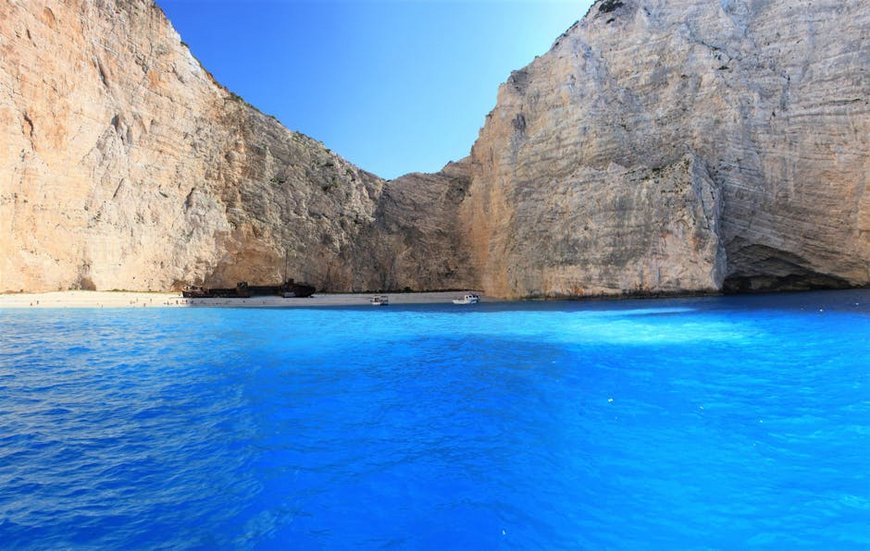
Quiet Coves in the Mediterranean
The Mediterranean coastline stretches for thousands of miles, yet its most memorable moments often unfold away from the crowded beaches. Discovering quiet coves in the Mediterranean offers a serene escape to turquoise waters, secluded pebble shores, and authentic coastal charm. This guide details the best hidden gems, from the Balearic Islands to the Turkish coast, with practical advice for accessing these peaceful retreats.
Essential Mediterranean Cove Information
The Mediterranean Sea borders over twenty countries, each with a unique shoreline character. Its climate provides long, sunny seasons ideal for swimming, typically from late May through early October. Water temperatures peak in August, ranging from 75-82°F (24-28°C), creating perfect conditions for snorkeling in clear, calm bays.
These secluded spots are often nestled between dramatic cliffs or within protected marine areas. Access frequently requires a bit of effort, such as a scenic hike or a short boat ride from a main port. This inherent inaccessibility is precisely what preserves their tranquil atmosphere and pristine natural beauty.
What Defines a Quiet Cove
A true quiet cove is characterized by more than just a lack of crowds.
- Natural protection from winds and open waves, often created by rock formations or headlands, ensures calm, swimmable waters.
- Limited or no road access preserves the peace, meaning visitors arrive on foot, by bicycle, or via small boat.
- Minimal commercial development is key; you might find a simple family-run taverna but rarely a sprawling resort complex.
- Budget Traveler ($800-$1200): Stay in hostels or guesthouses, use local buses and ferries, hike to coves, and self-cater. Focus on one region like Crete or Sardinia to minimize inter-island transport costs.
- Mid-Range Explorer ($1800-$2800): Rent a small car for flexibility, book comfortable boutique hotels or apartments, enjoy daily lunches at beach tavernas, and take 2-3 scheduled boat tours to inaccessible bays.
- Luxury Seeker ($4000+): Charter a private day-sailor with a skipper, stay in high-end cliffside hotels with private beach access, dine at gourmet seaside restaurants, and use private water taxis for ultimate convenience and privacy.
- Foundation for Environmental Education (Blue Flag Beaches)
- Greek National Tourism Organization
Key Regions for Secluded Shores
The western Mediterranean, including Spain’s Costa Brava and the Balearic Islands, is famed for its rugged “calas.” These are often small, rocky inlets with deep, azure water. The Costa Brava’s coastal path, the Camí de Ronda, provides access to countless hidden gems between popular towns like Begur and Cadaqués.
Meanwhile, the Greek Ionian and Aegean islands offer a different seclusion. Here, coves are frequently backed by aromatic pine forests and have soft, white pebbles. The islands of Kefalonia, Ithaca, and Symi are particularly renowned for their string of untouched swimming spots, many only reachable from the sea.
Environmental and Cultural Respect
Visiting these fragile environments comes with responsibility. Always follow the “leave no trace” principle, taking all rubbish with you. Be mindful of local customs, especially in more conservative regions or near religious sites. Support the local economy by purchasing water and snacks from small kiosks near the beach rather than bringing in supplies from larger towns.
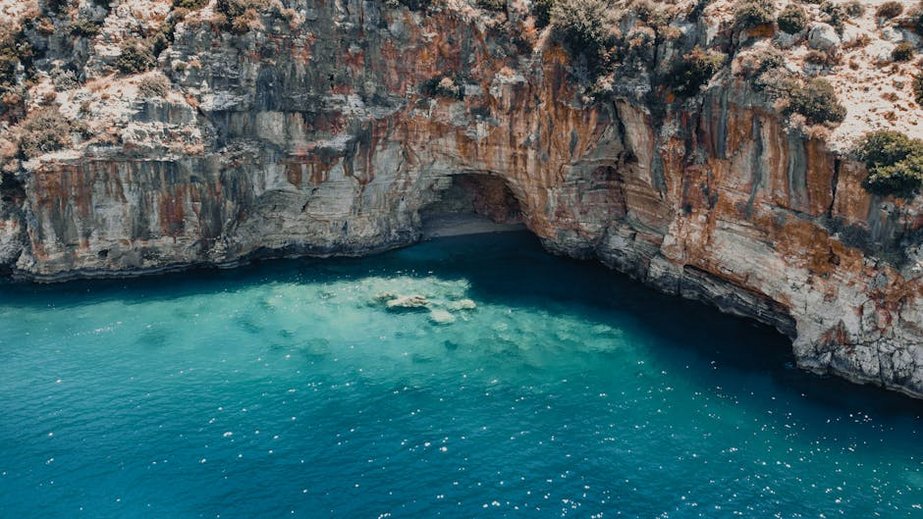
Alt: “secluded-mediterranean-cove-turquoise-waters-rocky-cliffs”
Quiet Coves in the Mediterranean – Planning Your Trip
Successful exploration of quiet coves in the Mediterranean requires strategic planning focused on timing and mobility. The ideal period is the shoulder seasons: late May to June and September to early October. During these months, you’ll enjoy warm weather with air temperatures of 70-80°F (21-27°C), manageable crowds, and water that’s still pleasant for swimming.
Your budget should prioritize flexibility and local transportation. While flights and ferries between islands are your main fixed costs, daily expenses can be low if you focus on public beaches and picnic lunches. Renting a small car, scooter, or booking occasional water taxis is essential for reaching the best spots.
Research is crucial. Look beyond major tourist guides to hiking forums, sailing blogs, and regional tourism websites. These sources often provide accurate details on trail conditions, parking availability, and whether a simple beach bar is operational.
Best Time to Visit for Seclusion
Visit between mid-September and mid-October for the ultimate quiet cove experience. The summer crowds have dissipated, the sea retains its summer warmth at around 77°F (25°C), and the light is softer for photography. Accommodation prices drop significantly after the first week of September.
June is another excellent window, offering long days and vibrant landscapes before the peak summer heat and tourist surge in July and August. Be aware that some remote tavernas or boat rental services might not be fully operational until late June in certain areas.
Budget Planning and Costs
A week exploring secluded coasts can fit various budgets, with transportation being the key variable.
Essential Preparation Checklist
Packing correctly enhances comfort and safety. Essentials include sturdy, water-friendly sandals for rocky entries, a high-SPF reef-safe sunscreen, a large sun hat, and a reliable insulated water bottle. A dry bag is invaluable for protecting phones, towels, and car keys during swims or boat trips.
Documentation should include valid travel insurance that covers minor boat trips and a physical map or offline maps on your phone. Book rental cars months in advance for summer, especially for destinations like Corsica or Hvar. Check visa requirements well ahead if traveling to non-Schengen countries like Turkey or Montenegro.
Top Destinations and Hidden Coves
Certain Mediterranean regions are uniquely blessed with concentrations of serene shoreline. The island of Corsica boasts dramatic granite scenery and fjord-like inlets called “calanques,” particularly around Porto-Vecchio and the Scandola Nature Reserve. Sardinia’s Costa Smeralda is famous for luxury, but its northeastern coast near Golfo Aranci hides simpler, stunning coves like Cala Sassari.
Croatia’s Dalmatian Coast offers a labyrinth of islands, each with secret bays. While Hvar and Brač can be busy, neighboring islands like Vis and Lastovo remain havens of peace. The Blue Cave on Bisevo is famous, but the island’s other smaller coves, like Stiniva, offer equally impressive scenery with fewer visitors if timed right.
Must-See Secluded Spots
Cala Macarelleta, Menorca, Spain is a sister cove to the popular Macarella. A 10-minute walk over a scenic cliff path rewards you with a crescent of white sand and staggering turquoise water, often less crowded than its neighbor. Arrive before 10 AM to secure a spot during high season.
Kaputas Beach, Turkey, is not entirely unknown but its stunning beauty warrants a visit. This dramatic, narrow gorge opens to a vibrant blue beach on the road between Kaş and Kalkan. The 190-step descent filters crowds, and the water is exceptionally clear for snorkeling.
Santa Maria Navarrese, Sardinia, Italy offers a relaxed alternative to the Costa Smeralda. This small resort town has a beautiful long beach, but the real treasures are the coves south towards Cala Goloritzè, accessible by boat or a serious hike.
Hidden Gems and Local Favorites
For a true escape, seek out the coves of the Pelion Peninsula in mainland Greece. This region combines mountain and sea, with stone path descents leading to shaded pebble beaches like Fakistra or Damouchari. The water is crystal clear and cold, even in peak summer.
In Croatia, explore the Telascica Nature Park on Dugi Otok. This area features a series of wild, deep coves along a saltwater lake. It’s a protected area, so development is nonexistent, preserving a raw, natural atmosphere perfect for kayaking and swimming in solitude.
Snorkeling and Marine Life
The clear, protected waters of these inlets make for exceptional snorkeling. Look for rocky areas rather than sandy bottoms to see more life. Common sightings include sea bream, octopus, sea urchins, and in cleaner waters, small groups of sea bass. Remember not to touch or step on the posidonia seagrass meadows, which are vital to the ecosystem.
Practical Travel and Access Information
Reaching these paradisiacal spots involves a mix of transport modes. International flights typically arrive at major hubs like Barcelona, Rome, Athens, or Split. From there, regional flights, ferries, or car rentals connect you to your specific coastal destination. Booking ferry tickets online in advance during summer is highly recommended.
Accommodation choices directly impact your experience. Staying in a small village or agriturismo near the coast, rather than a large resort town, provides easier access to local knowledge and quieter launching points for your daily explorations.
| Transport Method | Best For | Approx. Daily Cost (USD) |
|---|---|---|
| Rental Car | Maximum flexibility for mainland coasts & large islands; essential for Corsica, Sardinia, Pelion. | $40 – $80 |
| Scooter/ATV | Greek islands & narrow coastal roads; easy parking, fun but less luggage space. | $25 – $50 |
| Local Buses | Budget travel on established routes; limited access to remote coves, requires hiking. | $5 – $15 |
| Water Taxi | Reaching coves with no road access; pricey but unforgettable, best for groups. | $80 – $150 (per trip) |