Porto Travel Guide: Experience History, Wine & Riverside Charm
Porto captivates travelers with its dramatic hillside setting overlooking the Douro River, where ancient port wine cellars stand alongside vibrant street art and historic tram lines. This comprehensive Porto travel guide provides the essential insights for navigating Portugal’s second city, from securing the best Pasteis de Nata to understanding the intricate culture of port production. We’ll explore the iconic Ribeira district, detail day trip options into the Douro Valley, and offer practical tips for enjoying the city’s unique blend of old-world charm and modern energy.
Discovering Porto’s Historic Heart
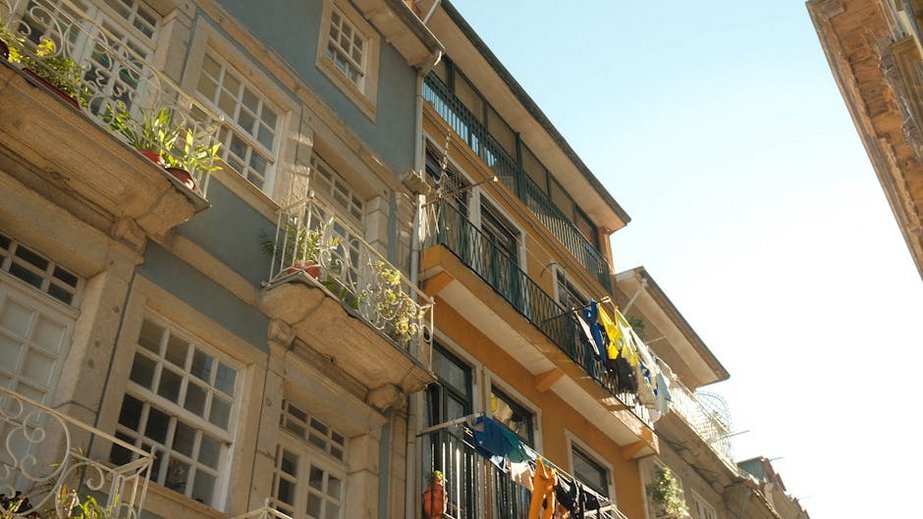
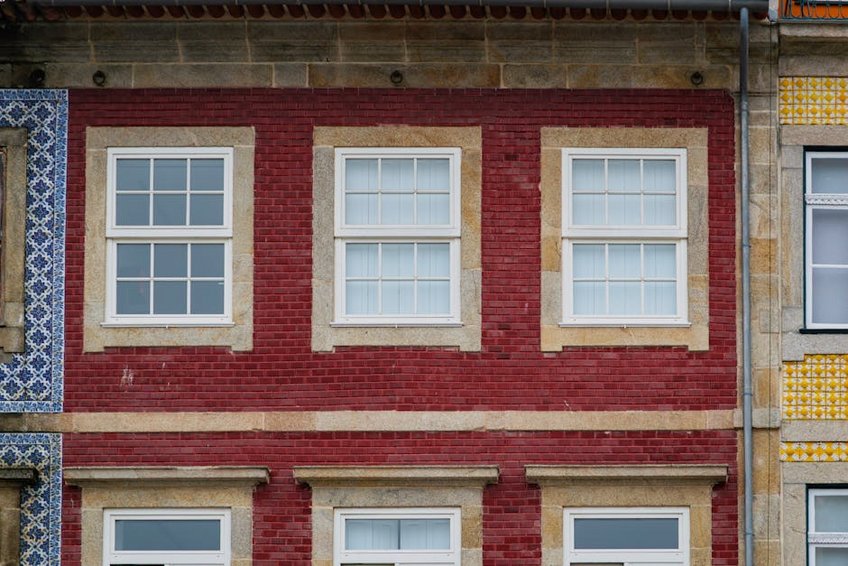
Porto’s identity is inextricably linked to the Douro River and the global wine trade it fostered. For centuries, the city’s bustling waterfront, known as the Ribeira, served as the departure point for the legendary Rabelo boats carrying port wine downriver. The historic center, a UNESCO World Heritage Site since 1996, showcases architectural layers from Roman walls to ornate Baroque churches and distinctive azulejo tile facades. This rich tapestry creates a visually stunning urban landscape perfect for exploration on foot.
Beyond its postcard-perfect vistas, Portugal’s second city pulses with a creative, youthful energy. Independent galleries, innovative restaurants, and a thriving music scene coexist with traditional taverns and family-run shops. This dynamic contrast defines the modern Porto experience, where you can tour a centuries-old wine lodge in the morning and visit a contemporary art museum in the afternoon. The city’s manageable scale makes its diverse attractions wonderfully accessible over a long weekend.
Understanding Porto’s Layout & Districts
Navigating the city is easier when you understand its main neighborhoods. The historic core is divided between the riverside Ribeira district and the higher commercial center around Avenida dos Aliados. Across the iconic Dom Luís I Bridge lies Vila Nova de Gaia, home to the famous port wine lodges. Meanwhile, the trendy Cedofeita area offers boutique shopping and café culture. Each district provides a distinct facet of local life.
- Ribeira & Sé: The medieval soul of the city, featuring narrow cobbled streets, the Cathedral (Sé), and stunning riverfront views. This area is dense with tourist restaurants but remains visually breathtaking, especially in the early morning or late evening.
- Baixa & Aliados: The bustling downtown centered on the grand Avenida dos Aliados, lined with early 20th-century buildings. Here you’ll find major shops, the iconic São Bento train station with its azulejo panels, and convenient transportation hubs.
- Vila Nova de Gaia: Directly across the Douro River, this municipality is the headquarters for nearly all major port wine companies. Visiting the lodges for tours and tastings is a quintessential activity, with the cable car providing panoramic transport back to the bridge.
- Budget Traveler ($70-100/day): Stay in a hostel dorm, enjoy affordable lunches at local “tascas,” use public transport, and focus on free walking tours and park visits. Limit paid cellar tours to one premium tasting experience.
- Mid-Range Traveler ($150-250/day): This allows for a comfortable hotel or apartment, daily café stops, several sit-down meals, multiple attraction entries including Livraria Lello, and a few guided tours or river cruises.
- Luxury Traveler ($350+/day): Enjoy five-star riverside hotels, fine dining at Michelin-starred restaurants like Antiqvvm, private driver tours to the Douro Valley, and exclusive tastings at top port houses like Graham’s or Taylor’s.
- Porto Tourism Board Official Site (Visit Porto)
- Lonely Planet Porto Guide
A Brief History That Shaped the City
Porto’s history is one of mercantile grit and resilience. Its name, meaning “the port,” gave the nation of Portugal its name. The city played a crucial role during the Age of Discoveries, building ships that sailed the world. In the 18th century, the Methuen Treaty established the port wine trade with Britain, defining the city’s economy and architecture for centuries. Porto is also proudly known as “Cidade Invicta” (the Unvanquished City) for its resistance during a 19th-century siege.
This resilient spirit is woven into the local culture, known for being more direct and industrious compared to Lisbon. The city’s architectural beauty today is partly a result of tremendous 19th-century urban renewal. Key figures like planner Baron de Forrester and architect Gustave Eiffel, who designed the Maria Pia bridge, left indelible marks. Understanding this backdrop of trade, conflict, and renewal enriches every stroll through its streets.
Essential Porto Travel Guide Tips for First Timers
First-time visitors should brace for hills and cobblestones—comfortable walking shoes are non-negotiable. The city’s famed Francesinha sandwich is a heavy, meat-filled delight best shared. For authentic port tastings, cross the bridge to Gaia but book cellar tours in advance during high season. Purchase a reusable Andante card for easy access to trams, buses, and the metro system, which is clean and efficient. Lastly, embrace the slower pace of afternoon closures and late dinner times, typically after 8:00 PM.
Alt: “porto-douro-river-bridge-ribeira-historic-unesco-view”
Porto Travel Guide – Planning Your Trip
Effective planning transforms a good Porto visit into a great one. This Porto travel guide section focuses on logistics, timing, and budgeting to build your ideal itinerary. Consider your priorities: deep wine exploration, architectural photography, or culinary discovery. The city accommodates all these interests, but allocating time and resources wisely is key. Booking major attractions like the Livraria Lello bookshop online saves hours of queue time.
Accommodation location significantly impacts your experience. Staying in Ribeira offers iconic views but can be noisy and pricey. The Baixa district provides central convenience, while artsy Cedofeita offers a more local vibe. Vila Nova de Gaia grants stunning views back toward Porto’s skyline. Weigh proximity to metro stations against hill steepness, as taxis and rideshares are affordable for steep climbs after a long day of exploration.
Best Time to Visit Porto
The ideal months for a Porto visit are from late April to early June and September to October. During these shoulder seasons, you’ll enjoy pleasant temperatures ranging from 60-75°F (15-24°C) with fewer crowds and lower accommodation rates. Summer (July-August) brings peak tourism, with temperatures often exceeding 86°F (30°C), packed sights, and higher prices, though the city buzzes with festival energy. The Atlantic influence keeps winters mild but very rainy from November to March.
For specific interests, timing is crucial. Wine enthusiasts should aim for September during the grape harvest in the Douro Valley. Photographers will find the “golden hour” light spectacular in October and May. Budget travelers can find excellent deals in winter, excluding the Christmas market period. Always pack a light waterproof layer regardless of season, as rain can appear suddenly along the Atlantic coast.
Budget Planning and Costs
Porto remains one of Western Europe’s more affordable city breaks, though costs have risen. A daily budget can vary dramatically based on style. Your budget should account for accommodation, meals, transport, attractions, and a wine tasting or two. Paid attractions are reasonably priced, and many of the best experiences—like walking across the bridges or exploring gardens—are completely free.
Essential Preparation Checklist
Start by checking visa requirements; U.S. and EU citizens can enter Portugal for up to 90 days visa-free. Ensure your passport is valid for at least three months beyond your departure date. Book accommodation at least three months in advance for summer or festival visits. Secure travel insurance that covers medical emergencies and trip interruptions. Learn a few basic Portuguese phrases—”bom dia” (good day) and “obrigado/obrigada” (thank you)—as this courtesy is greatly appreciated.
Pack strategically with broken-in walking shoes, a compact umbrella, and layers for variable weather. For electronics, Portugal uses Type F plugs (220V). Download useful apps like “Citymapper Porto” for navigation and “Bolt” or “Uber” for affordable rides. Notify your bank of travel plans to avoid card blocks. Finally, make advance online reservations for popular sites like the Livraria Lello bookshop and major port wine lodges.
Top Attractions and Unmissable Experiences
Porto’s attraction list blends iconic landmarks with immersive cultural activities. You can admire the azulejo-clad São Bento station, cruise under its six bridges, and sample aged tawny port all in one day. Prioritize based on your interests, but leave room for leisurely exploration. The city’s magic often lies in unexpected courtyards, hidden miradouros (viewpoints), and casual interactions at neighborhood cafes. Balance structured tours with ample time for getting delightfully lost.
Many top sites are concentrated in the walkable historic center. The Ribeira waterfront, Dom Luís I Bridge, and Clérigos Tower form a stunning golden triangle. Allocating a full day to explore this area on foot is highly recommended. Dedicate another day to Vila Nova de Gaia for wine tours and a different perspective. A third day is perfect for more distant gems like the Serralves Museum or a trip to the Atlantic coast at Foz do Douro.
Must-See Highlights & Landmarks
The Livraria Lello, frequently cited as one of the world’s most beautiful bookshops, features a stunning crimson staircase and stained-glass ceiling. Purchase tickets online to skip the long queue. The Clérigos Church and its 75-meter-tall Tower offer the best panoramic views of the city’s terracotta rooftops. Climbing its 240 steps is rewarding. São Bento Railway Station is an active transport hub where the main hall’s walls are covered with approximately 20,000 historic azulejo tiles depicting Portuguese history.
The Palácio da Bolsa (Stock Exchange Palace) showcases 19th-century opulence, particularly in the breathtaking Arabian Hall. Guided tours are required to enter. The Sé Cathedral is a formidable Romanesque fortress-church with Gothic cloisters and exceptional views from its terrace. For a unique perspective, take a 50-minute Six Bridges Douro River cruise, which departs regularly from the Ribeira or Gaia waterfronts. It provides historical context and perfect photo opportunities of the city’s iconic structures.
Hidden Gems and Local Favorites
Venture beyond the core to the Foz do Douro district, where the river meets the Atlantic Ocean. A scenic tram ride or a walk along the riverfront promenade leads to seaside forts, lighthouse views, and upscale seafood restaurants. The Jardins do Palácio de Cristal are serene botanical gardens offering peaceful pathways and stunning vistas over the river. It’s a favorite spot for locals to relax away from the downtown bustle.
Explore the lesser-visited Mercado do Bolhão, a restored 19th-century market where vendors sell fresh produce, fish, flowers, and traditional goods. It’s a vibrant slice of daily life. For street art enthusiasts, the Miragaia district features impressive murals by local and international artists. The small but fascinating Museu da Misericórdia do Porto displays religious art in a beautifully restored building, including a famous painting by the Portuguese master Fonseca.
Port Wine Lodges of Vila Nova de Gaia
Crossing the Dom Luís I Bridge to Vila Nova de Gaia is a pilgrimage for any visitor. This riverside strip houses the aging cellars of nearly all major port wine companies. Tours explain the production process, from grape selection in the Douro Valley to aging in vast oak barrels called “pipas.” Most tours conclude with a tasting of several port styles—Ruby, Tawny, Late Bottled Vintage (LBV), or vintage. The complexity and history in each glass are remarkable.
For the best experience, research lodges in advance. Taylor’s, Graham’s, and Sandeman offer excellent, well-produced tours with stunning tasting rooms. Smaller, family-owned houses like Quevedo or Poças provide a more intimate experience. Booking ahead is essential during peak season. Consider purchasing a bottle to enjoy later; prices at the source are often better than abroad. The nearby Graham’s 1890 Lodge Restaurant offers fine dining with spectacular views back across the river to Porto.
Practical Travel Information: Transport & Stay
Navigating Porto is straightforward with a mix of walking, historic trams, and a modern metro. The city center is very walkable, but its steep hills make public transport or occasional taxis a welcome relief. The metro system is clean, efficient, and connects the airport to the city center in about 45 minutes. For a nostalgic experience, the historic Tram Line 1 runs along the riverfront from the city center to Foz do Douro. Purchase an Andante card for the cheapest fares across all modes.
Accommodation options range from historic luxury to chic hostels. The Ribeira district offers the most iconic views but comes with higher prices and potential nighttime noise. Baixa is ideal for first-time visitors seeking central convenience. For a more local atmosphere, consider Cedofeita or Bonfim. Vila Nova de Gaia provides postcard views of Porto’s skyline and easy access to port lodges, though you’ll need to cross the bridge for most other attractions. Booking three months in advance is wise for peak periods.
| Category | Options & Features | Price Range (USD) |
|---|---|---|
| Budget Accommodation | Hostel dorms or basic guesthouses; shared facilities, social atmosphere, central locations like Baixa. | $25-45 per night |
| Mid-Range Hotels | 3-4 star hotels or boutique apartments; private rooms, daily cleaning, often include breakfast. | $90-180 per night |
| Luxury Hotels | 5-star palaces & designer hotels; prime Ribeira or Gaia views, spas, fine dining, concierge. | $250-600+ per night |
| Dining (Per Person) | Budget “tasca” lunch, mid-range restaurant dinner, high-end tasting menu with wine pairings. | $12 / $35 / $120+ |