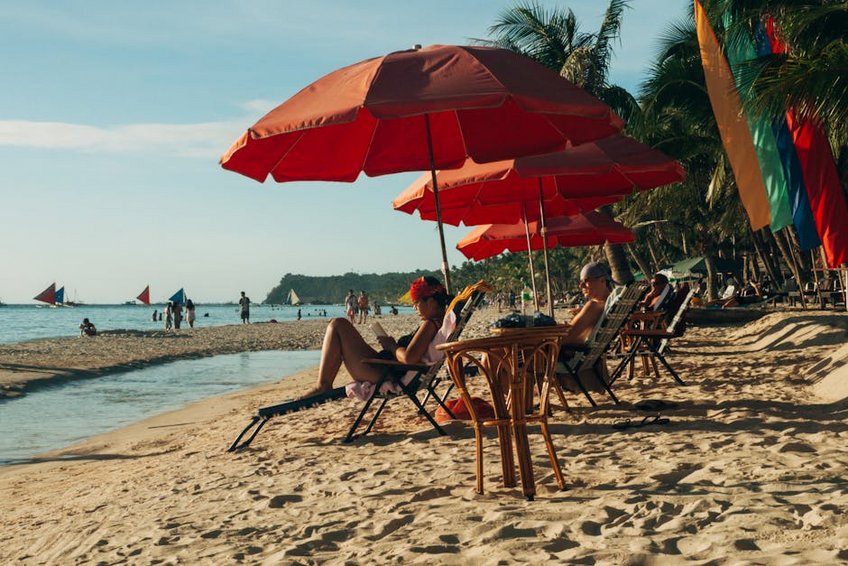
Philippines Boracay January Beach Season
Choosing the Philippines Boracay January beach season positions your tropical vacation perfectly within the island’s world-famous dry period. You’ll experience the iconic White Beach at its most serene, with calm turquoise waters, minimal rainfall, and reliably sunny skies ideal for water sports and sunbathing. This guide details everything from navigating peak tourist crowds to securing the best accommodation deals for your ultimate warm-weather escape.
Boracay Island Essentials
Boracay is a small island in the Western Visayas region of the Philippines, globally celebrated for its four-kilometer stretch of powdery white sand known as White Beach. The island’s weather divides sharply into a dry season from November to April and a rainy season from June to October, with January sitting firmly in the peak of ideal conditions. Its manageable size, at just under four square miles, means you can explore different stations and beaches with relative ease.
The island underwent a major rehabilitation in 2018, closing to tourists for six months to restore its ecosystem. This effort successfully improved water quality, enforced stricter environmental regulations, and banned single-use plastics on the beach. Today, Boracay balances vibrant tourism with renewed sustainability initiatives, making it a more responsible destination.
Understanding the Island’s Layout
Boracay is divided into three main stations along White Beach, each with a distinct character.
- Station 1: This northern section offers a more upscale and tranquil atmosphere, featuring luxury resorts, wider shoreline areas, and the iconic Willy’s Rock formation. It’s perfect for travelers seeking premium accommodations and picturesque, less crowded beach spots.
- Station 2: The bustling heart of the island’s activity, home to D’Mall shopping district, countless restaurants, bars, and vibrant nightlife. This is the best area for first-time visitors who want to be in the center of everything, with easy access to amenities and tours.
- Station 3: Known for a more laid-back, budget-friendly vibe with smaller hotels, hostels, and local eateries. The beach remains beautiful here, offering a quieter alternative while still being within walking distance of the central hubs.
- Budget travelers can manage on $40-60 USD per day by staying in hostels or basic fan rooms in Station 3, eating at local carinderias (eateries), using public transportation, and focusing on free beach activities. Book tours through local kiosks for better rates.
- Mid-range visitors should budget $100-180 USD daily for air-conditioned hotel rooms in Station 2, meals at standard restaurants, several paid activities like parasailing or helmet diving, and occasional taxi rides. This tier offers the best value for comfort and experience.
- A luxury experience costs $250-500+ USD per day, covering five-star beachfront resorts in Station 1, fine dining, private yacht charters, premium spa treatments, and personalized guided tours. Book spa and fine dining reservations weeks in advance.
- Boracay Island Official Website
- Lonely Planet Boracay Travel Guide
Climate and Weather Patterns in January
January represents the coolest month of the dry season, providing a welcome respite from tropical heat. Average daytime temperatures hover between 77°F and 86°F (25°C to 30°C), with low humidity and cool evening breezes. Rainfall is exceptionally rare, with an average of just two rainy days in the entire month, guaranteeing excellent beach weather.
The Amihan northeast monsoon wind prevails during this period, creating calm, crystal-clear waters on the western White Beach side. These conditions are perfect for swimming, stand-up paddleboarding, and leisurely boat tours. Meanwhile, the eastern side of the island, facing Bulabog Beach, becomes ideal for wind-dependent sports like kiteboarding and windsurfing.
Environmental Regulations and Travel Requirements
All visitors must register online via the Boracay Island Unified QR Code System before arrival, a straightforward process completed within minutes. The local government enforces a strict no-smoking and no-littering policy on White Beach, with significant fines for violations. Remember to carry valid identification, as tourists are required to present ID when checking into accommodations or booking certain activities.
Alt: “boracay-white-beach-january-calm-turquoise-waters”
Philippines Boracay January Beach Season – Planning Your Trip
Securing the best experience during the Philippines Boracay January beach season requires strategic planning due to high demand. You should book flights and hotels at least three to four months in advance, especially if your visit coincides with the New Year period or local festivals. Peak dates see accommodation prices rise by 30-40%, so locking in reservations early is the single most important step for budget control.
Consider your airport arrival strategy carefully. The fastest route involves flying into Godofredo P. Ramos Airport (also called Caticlan Airport, MPH) from Manila, followed by a short trike ride to the Caticlan Jetty Port. A budget-friendly alternative is Kalibo International Airport (KLO), requiring a 1.5 to 2-hour bus or van transfer to Caticlan. Always factor in terminal and environmental fees, which total approximately 450 PHP (around $8 USD).
Your itinerary should balance iconic experiences with off-peak timing. Schedule popular activities like island-hopping tours for weekday mornings to avoid the biggest crowds. Reserve dinner at sought-after restaurants several days ahead, and plan beachfront relaxation for late afternoons when the sun is less intense and the golden hour light is spectacular for photos.
Best Time to Visit Boracay for Beach Conditions
The absolute peak period runs from late December through the first week of January, coinciding with international holidays and Filipino school breaks. Crowds are at their maximum, and prices peak during this window. For a slightly calmer experience with identical weather, target the second to fourth weeks of January, after the New Year’s rush has subsided but before Chinese New Year travel begins.
Shoulder season months like November and early December or February and March offer a compelling balance. You still enjoy the dry season’s reliable weather with a noticeable reduction in tourist density and more negotiable hotel rates. Avoid planning your beach holiday from June to September, as these months bring the southwest monsoon, frequent heavy rains, and potentially rough seas.
Budget Planning and Costs
Your daily budget in Boracay varies dramatically based on accommodation style and dining choices.
Essential Preparation Checklist
Pack reef-safe sunscreen, a high-SPF lip balm, a wide-brimmed hat, and polarized sunglasses to protect against the strong tropical sun. Bring a reusable water bottle to reduce plastic waste, comfortable walking sandals, and a light cover-up for breezy evenings. Waterproof bags for phones and a reliable power bank are also highly recommended for beach days.
Ensure your passport is valid for at least six months beyond your departure date. While U.S. and EU passport holders receive a 30-day visa-free entry, you must have proof of onward travel. Purchase comprehensive travel insurance that covers water sports and potential trip interruptions. Download useful apps like Grab for transportation and have a small amount of Philippine pesos in cash for small vendors and tips.
Top Attractions and Island Activities
White Beach remains the undeniable star, with its soft sand and stunning sunsets. However, exploring beyond this famous strip reveals the island’s full charm. Water-based adventures thrive in the January conditions, with crystal-clear visibility for snorkeling and glass-bottom boat tours. Land-based explorations include hiking to Mount Luho for panoramic views or discovering quieter coves like Puka Shell Beach.
The rehabilitation efforts have encouraged more eco-conscious tours. You can join guided mangrove paddle tours, visit conservation areas, or participate in beach clean-up activities. Evening entertainment ranges from fire dancing performances on the sand to relaxed cocktail bars and bustling nightclubs, ensuring there’s an atmosphere to match every preference after dark.
Must-See Highlights
Willy’s Rock, a volcanic formation with a shrine, is Boracay’s most photographed landmark, best visited at low tide for a closer look. Puka Shell Beach, at the island’s northern tip, offers a more rustic and tranquil setting with coarse sand composed of puka shells, perfect for a quieter afternoon. For panoramic views, the hike or trike ride to Mount Luho Viewdeck provides a 360-degree perspective of the entire island.
No visit is complete without a classic island-hopping tour, typically including snorkeling at Coral Garden, a stop at Crocodile Island for photos, and a seafood lunch on another beach. Sunset sailing on a traditional paraw boat is a quintessential experience, offering unparalleled views of the sky changing colors over the Sulu Sea. These tours generally cost $20-40 USD per person and can be booked through hotel concierges or reputable kiosks in D’Mall.
Hidden Gems and Local Favorites
Escape the White Beach crowds by heading to Diniwid Beach, a small, secluded cove just north of Station 1 accessible via a short pathway. The sand is just as white, the water just as clear, and a few small bars offer refreshments with a fraction of the foot traffic. It’s an ideal spot for a peaceful swim or reading a book under the shade of a palm tree.
For a local dining experience, venture inland to Talipapa Market, where you can purchase fresh seafood and have it cooked to order at surrounding eateries for a fraction of restaurant prices. Explore the quieter eastern coast at Bulabog Beach during the day to watch kiteboarders in action, or walk the narrow pathways of the Old Boracay residential area to see a more authentic side of island life away from the tourism infrastructure.
Water Sports and Adventure Activities
The calm January seas make conditions ideal for a wide range of water sports. Beginners can try stand-up paddleboarding or helmet diving, while certified divers can explore nearby reef sites like Angol Point and Laurel Island. Kiteboarding and windsurfing enthusiasts should head directly to Bulabog Beach, where the Amihan winds provide perfect conditions from morning until late afternoon.
For a unique perspective, consider a parasailing flight for breathtaking aerial views of the coastline, or rent a jet ski for some high-speed fun on designated areas of the water. Always verify that your activity provider has proper safety certifications and equipment. Booking through your hotel or well-established tour operators like Boracay Beach Tour or My Boracay Guide ensures reliability and adherence to safety standards.
Practical Travel Information
Navigating Boracay is straightforward thanks to its size and established transport system. The primary mode of public transport is the motorized tricycle, which can be hailed anywhere along the main roads; always agree on a fare before getting in, with standard trips between stations costing 50-150 PHP ($1-3 USD). For more convenience, you can use the Grab app, which operates on the island with fixed pricing.
Accommodation spans every budget and style, from international luxury chains to family-run guesthouses. The post-rehabilitation rules mean all registered hotels comply with stricter environmental and safety codes. Staying within walking distance of White Beach is recommended for first-time visitors, as it provides the easiest access to the main attraction and most services. Noise levels vary significantly by station, so choose your location based on your preferred evening ambiance.
| Accommodation Category | Features & Location | Price Range (USD) Per Night |
|---|---|---|
| Budget Guesthouse | Basic fan room, shared bathroom, located inland or in Station 3, simple local breakfast included. | $20 – $50 |
| Mid-Range Hotel | Air-conditioned room with private bath, swimming pool, located in Station 2 near D’Mall, daily housekeeping. | $80 – $180 |
| Beachfront Resort | Direct White Beach access, king bed, balcony/terrace, on-site restaurant and spa, superior service. | $200 – $400 |
| Luxury Villa/Resort | Private villa with pool, butler service, fine dining, premium location in Station 1, exclusive amenities. | $400 – $800+ |