Pakistan Fairy Meadows Nanga Parbat: Trekking to the Killer Mountain’s Base Camp
Trekking to Pakistan Fairy Meadows Nanga Parbat immerses you in raw Himalayan beauty with panoramic views of the world’s ninth-highest peak. This Karakoram adventure blends challenging high-altitude hiking with serene meadow camping and rich cultural encounters in northern Pakistan’s remote landscapes. Our guide delivers essential planning details, seasonal advice, and insider tips for your base camp journey.
Essential Fairy Meadows and Nanga Parbat Information
Fairy Meadows sits at 3,300 meters elevation in the Diamer District of Gilgit-Baltistan, named by German climbers for its dreamlike beauty. The meadow serves as the primary base camp for Nanga Parbat, which towers 8,126 meters above sea level and earns its “Killer Mountain” nickname from climbing fatalities. This region forms part of the Himalayan range’s western anchor with unique biodiversity and glacial systems.
Access requires a jeep journey from Raikot Bridge followed by a moderate trek, creating an adventurous approach sequence. Local communities maintain traditional lifestyles with limited infrastructure, emphasizing self-sufficiency and environmental awareness. The area gained protected status as a national park in 1995, preserving its fragile alpine ecosystems.
Geographical Context and Significance
Understanding the region’s layout helps with navigation and appreciation.
- Fairy Meadows positions directly north of Nanga Parbat’s Rupal Face, providing the most accessible viewpoint of the mountain’s sheer southern wall.
- The Karakoram Highway runs 130 kilometers east, connecting to Gilgit city while the Indus River flows through deep gorges south of the massif.
- Glacial systems include the Raikot Glacier to the northwest and Bazhin Glacier to the northeast, both visible from higher trekking routes.
- Budget trekking costs $800-$1,200 using shared jeeps, camping gear rental, and basic guesthouses with meals included through local operators.
- Mid-range options at $1,200-$1,600 provide private jeep transfers, better accommodation with heating, and experienced English-speaking guides.
- Luxury expeditions reach $1,600-$2,000 featuring premium camping equipment, dedicated cooks, and extended itineraries with helicopter evacuation insurance.
- Pack layered clothing including thermal base layers, insulated jacket, waterproof shell, and sturdy hiking boots with ankle support.
- Bring altitude medication like Diamox, comprehensive first-aid kit, water purification tablets, and high-energy snacks for the trek.
- Secure Pakistan tourist visa, trekking permits through registered operator, travel insurance covering high-altitude activities, and emergency contact information.
- Pakistan Tourism Development Corporation
- Lonely Planet Pakistan Travel Guide
Historical Mountaineering Background
Nanga Parbat witnessed numerous tragic expeditions before its first successful ascent in 1953 by Hermann Buhl. Early British and German attempts in the 1930s resulted in multiple fatalities, establishing the mountain’s fearsome reputation. The 1970 ascent by Reinhold Messner’s brother Gunther ended tragically, adding to climbing lore.
Modern climbing routes remain extremely technical with objective hazards like avalanches and rockfall. The German Base Camp memorial commemorates 1930s expedition members, serving as a sobering reminder for trekkers. Recent improvements in weather forecasting and equipment have reduced but not eliminated risks.
Local Culture and Communities
Indigenous communities belong to the Shina ethnic group with distinct languages and traditions. Most residents practice Islam with conservative dress codes, though they warmly welcome respectful travelers. The summer grazing season brings nomadic herders with livestock, adding cultural depth to the experience.
Villages like Tato maintain traditional wood and stone architecture with intricate carving details. Local economies combine subsistence agriculture with growing tourism services, creating symbiotic relationships. Community-managed campsites and guesthouses ensure benefits reach residents directly.
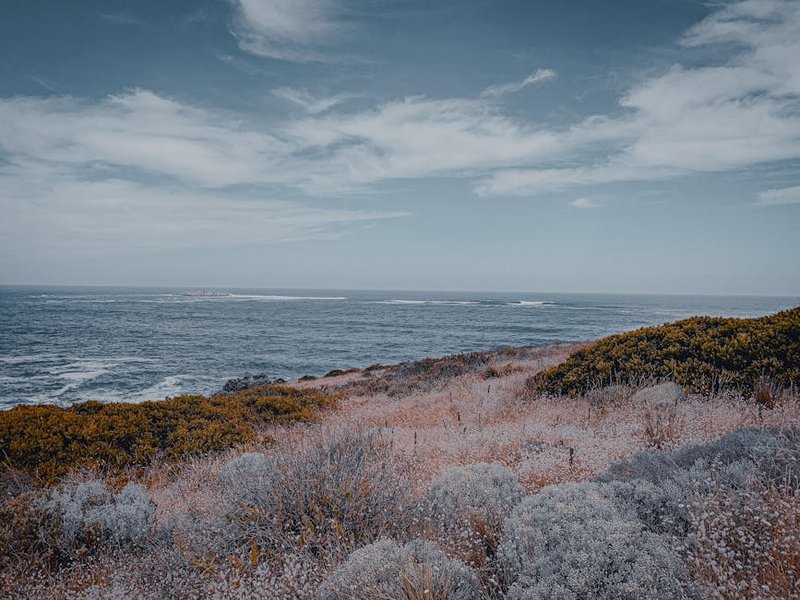
Alt: “fairy-meadows-nanga-parbat-base-camp-himalayan-views”
Pakistan Fairy Meadows Nanga Parbat – Planning Your Trek
Organizing your Pakistan Fairy Meadows Nanga Parbat adventure requires attention to seasonal windows, physical preparation, and logistical details. The trek demands moderate fitness with altitude considerations starting from 2,500 meters. Permits and local guides became mandatory after 2018 for safety and conservation reasons.
Budget between $800-$2,000 for a 5-7 day expedition depending on accommodation style and guide services. Spring and autumn offer the most stable conditions with clear skies and manageable temperatures. Booking jeeps and accommodation three months ahead secures better rates and availability.
Physical training should include cardiovascular exercise and leg strength building for the steep sections. Altitude acclimatization happens naturally if you follow recommended ascent rates. Pack for variable conditions since mountain weather changes rapidly throughout the day.
Best Time to Visit Fairy Meadows
Visit between mid-May and early October for optimal trekking conditions with daytime temperatures of 50-68°F (10-20°C). June through September delivers the clearest Nanga Parbat views with minimal precipitation and stable weather patterns. These months coincide with summer grazing season, offering cultural interactions with local herders.
Shoulder seasons in May and October bring colder nights at 23-41°F (-5 to +5°C) but fewer visitors and lower prices. Monsoon effects remain minimal this far north, though afternoon clouds can obscure mountain views. Winter months from November to April see heavy snowfall closing access roads and trails.
Budget Planning and Costs
Your expenditure breaks down across these categories with quality variations.
Essential Preparation Checklist
Proper gear and documentation ensure a safe, enjoyable journey.
Top Attractions and Trekking Experiences
Fairy Meadows serves as the gateway to multiple spectacular viewpoints and hiking routes around Nanga Parbat. The base camp itself offers breathtaking panoramic views of the mountain’s north face with early morning lighting. Day hikes to Beyal Camp and beyond reveal increasingly dramatic perspectives of the Himalayan giant.
Photography opportunities abound with wildflower meadows in summer, golden larch forests in autumn, and pristine snowscapes in early season. Wildlife sightings include Himalayan ibex, marmots, and numerous bird species like the golden eagle. Stargazing from the meadows provides incredible celestial displays due to minimal light pollution.
Must-See Highlights
Beyal Camp sits one hour beyond Fairy Meadows at 3,600 meters with closer Nanga Parbat views and fewer visitors. The Japanese Base Camp route continues another two hours through moraine landscapes with technical sections requiring careful footing. These incremental viewpoints reveal different mountain aspects and glacial features.
The Raikot Glacier viewpoint requires a full-day hike northwest from the meadows across rocky terrain. This perspective shows the mountain’s western flank and the glacier’s dramatic descent into the valley. Return before dusk since trail markings become difficult to follow in fading light.
Hidden Gems and Local Favorites
Villagers recommend the shepherd trails above Fairy Meadows leading to summer pastures with wild berry patches. These paths see minimal tourist traffic while offering elevated vistas of the entire basin. Local guides can arrange visits to nearby settlements like Tato for authentic cultural exchanges.
The spring-fed streams below the meadows provide excellent drinking water and tranquil picnic spots away from main camping areas. Early risers can witness spectacular alpenglow on Nanga Parbat’s summit before daytime clouds develop. These moments create unforgettable memories beyond the standard itinerary highlights.
Trekking Routes and Difficulty Levels
The standard approach begins with a 1.5-hour jeep ride from Raikot Bridge to Tato village, followed by a 2-3 hour hike to Fairy Meadows. This moderate trek gains 500 meters elevation through pine forests with well-defined paths and occasional steep sections. Most healthy individuals manage this route with proper pacing.
Advanced options include the 3-4 day circuit to Latboo Base Camp on the mountain’s eastern side, requiring camping equipment and guide expertise. This challenging route crosses high passes above 4,200 meters with significant exposure and technical sections. Only experienced trekkers should attempt these extended itineraries.
Practical Travel Information and Logistics
Reaching Fairy Meadows involves multiple transportation stages starting from Islamabad, Pakistan’s capital city. Domestic flights to Gilgit save time but face frequent weather cancellations, making road travel more reliable. The Karakoram Highway journey from Islamabad takes 14-16 hours with overnight stops recommended in Chilas or Besham.
Accommodation ranges from basic camping to simple guesthouses with shared facilities and limited electricity. Advance bookings through reputable tour operators ensure better quality lodging and meal arrangements. Mobile network coverage remains unreliable, with only sporadic SCOM service available in clear areas.
| Category | Options/Features | Price Range (USD) |
|---|---|---|
| Accommodation | Camping tents, basic guesthouses, heated rooms | $15-60/night |
| Transportation | Shared jeeps, private 4×4, helicopter charter | $50-400/route |
| Guides/Services | Local guide, cook, porter services | $25-75/day |
| Permits/Fees | Trekking permits, national park fees, camera charges | $20-100/trip |