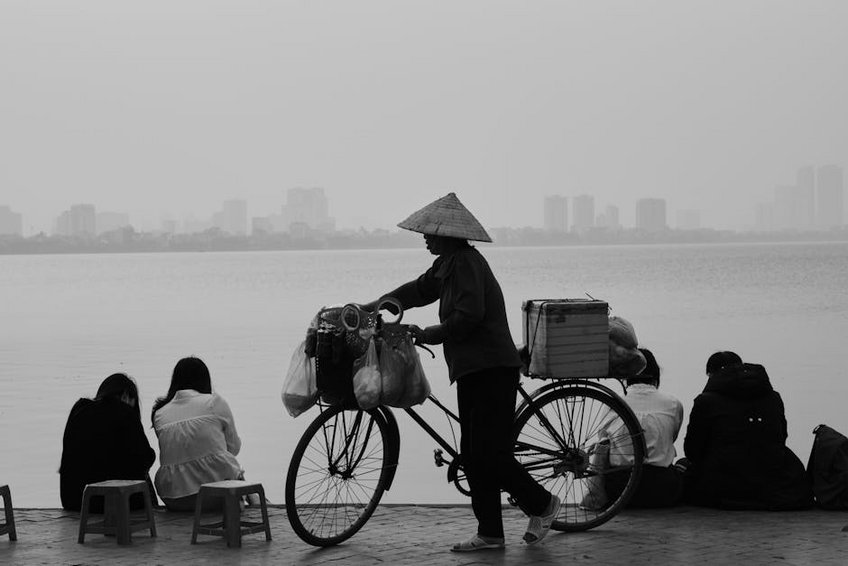
Old Quarter Tour in Hanoi
An Old Quarter tour in Hanoi immerses you in the living history and vibrant street life of Vietnam’s thousand-year-old capital. You navigate a maze of 36 guild streets, each historically dedicated to a specific trade, from silk to silverware, where ancient temples sit beside contemporary cafes. This guide details the essential experiences, from dawn market visits to evening food walks, to help you craft your perfect exploration of this iconic district.
Essential Hanoi Old Quarter Information
Hanoi’s historic district, known as the Old Quarter or “36 Pho Phuong,” forms the commercial and cultural heart of the city. Its unique tubular house architecture and narrow lanes date back to the 13th century when artisans and merchants from surrounding villages gathered here. The area’s layout still reflects its mercantile origins, making it a fascinating open-air museum of urban development.
For Western visitors, the sensory overload is part of the charm, with motorbikes weaving through markets and the constant hum of daily life. Understanding the district’s basic geography, centered around Hoan Kiem Lake, helps with navigation amidst the apparent chaos. The fusion of French colonial influences with traditional Vietnamese design creates a streetscape unlike any other in Southeast Asia.
Historical Context and Significance
The district’s evolution is key to appreciating your visit. It transformed from a collection of swampy villages into a bustling trading center under the Ly Dynasty.
- The name “36 Streets” references the original guilds, though today there are more than 70 streets, with many still specializing in specific goods like bamboo or traditional medicine.
- Much of the iconic narrow, tube-house architecture was developed due to historical taxation based on street frontage width, leading to deep, narrow buildings.
- Key historical events, from French colonization to the American War, have left layers of history visible in the area’s temples, colonial buildings, and memorials.
- Budget travelers can manage on $20-25 USD daily, staying in hostel dorms ($5-8), eating street food for every meal ($1-3 per dish), and walking everywhere. Free activities include people-watching at Hoan Kiem Lake and exploring the weekend night market.
- Mid-range visitors should budget $45-70 USD per day. This covers a private hotel room ($25-40), several sit-down restaurant meals ($5-10 each), a couple of paid attractions or a guided food tour ($15-25), and the occasional taxi or ride-hail for longer distances.
- A luxury experience runs $120+ USD daily, featuring boutique heritage hotels ($80+), fine dining, private guided tours of the quarter’s hidden gems, and spa treatments. This tier offers deep cultural immersion with maximum comfort and convenience.
- Vietnam Tourism Official Website
- Lonely Planet Hanoi Guide
Navigating the District Layout
Getting oriented is your first challenge. Hoan Kiem Lake serves as the southern border and the primary reference point for the entire quarter.
Main arteries like Hang Dau and Hang Bac streets run east-west, while others like Ma May run north-south, creating a somewhat grid-like pattern beneath the surface chaos. However, the real exploration happens in the smaller alleyways that branch off these main thoroughfares. Carrying a digital map is wise, but allowing yourself to get temporarily lost often leads to the best discoveries.
Cultural Etiquette for Visitors
Respectful behavior enhances your experience and interactions with local vendors and residents. A friendly smile and a slight nod are appropriate greetings, though handshakes are common in commercial settings.
When entering temples or someone’s home, dress modestly by covering shoulders and knees. It’s polite to remove your shoes if you see others doing so. While bargaining at markets is expected, do so with a smile and good humor rather than confrontation.
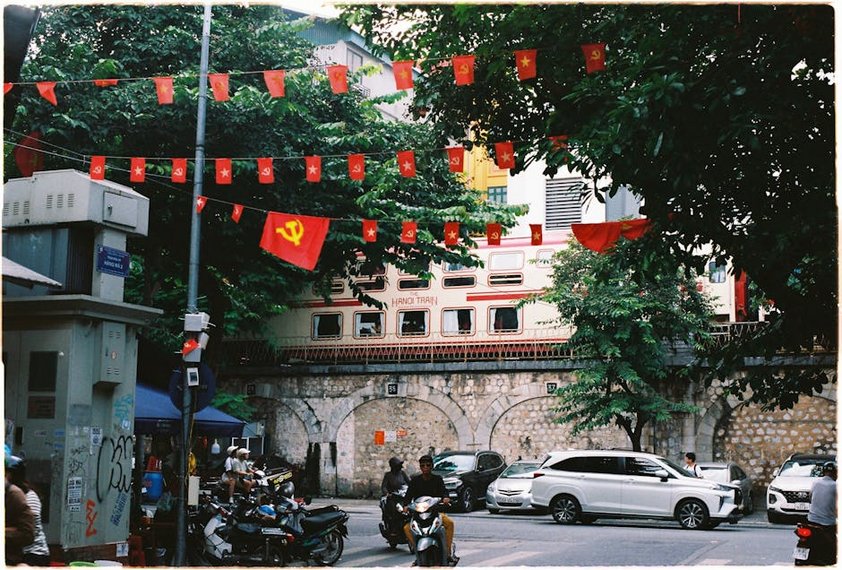
Alt: “hanoi-old-quarter-street-scene-motorbikes-colonial-architecture”
Old Quarter Tour in Hanoi – Planning Your Trip
Effective planning transforms a visit to Hanoi’s historic core from overwhelming to unforgettable. Your Old Quarter tour in Hanoi succeeds with a balance of structured activities and free exploration time, allowing for both iconic sights and spontaneous alleyway encounters. Allocate at least two full days to experience the district’s daily rhythm from morning markets to nightlife.
Accommodation within the quarter itself places you at the epicenter of the action, with countless hotels and hostels in restored colonial buildings. Budget around $30-50 USD per day for a comfortable mid-range experience covering food, activities, and modest shopping. Remember to factor in the climate, as summer (May-September) brings high heat and humidity, while winter (December-February) can be surprisingly cool.
Best Time to Visit Hanoi’s Old Quarter
The ideal months for exploring are October-November and March-April. During these periods, you’ll find pleasant temperatures ranging from 70-80°F (21-27°C) and lower humidity, making long days of walking much more comfortable.
Rainfall is also minimal compared to the summer monsoon season. While these are popular times, the Old Quarter always buzzes with activity, so crowds are manageable. Avoid the peak of summer if you’re sensitive to heat, as temperatures can soar above 95°F (35°C) with intense humidity.
Budget Planning and Costs
Daily costs vary widely based on your travel style. Here’s a realistic breakdown for different budgets.
Essential Preparation Checklist
Packing correctly is crucial for navigating the bustling streets and variable weather. Bring comfortable, closed-toe walking shoes with good grip for wet, uneven sidewalks, along with lightweight, breathable clothing that covers your shoulders for temple visits.
A compact umbrella or a quality rain jacket is essential year-round. Ensure you have a Vietnamese visa arranged in advance if required for your passport, valid travel insurance, and digital copies of all documents. Download the Grab app for reliable ride-hailing and a translation app like Google Translate for smoother communication with vendors.
Top Attractions and Sensory Experiences
Beyond the map, the 36 Streets district is a feast for the senses. The sound of clanging metal from blacksmiths on Lo Ren Street mixes with the scent of fresh herbs from food stalls and the visual tapestry of colorful silk hanging from shops. This immersive environment is the main attraction, where everyday life becomes a spectacle.
Dedicate time to simply sit at a streetside bia hoi (fresh beer) corner and observe the relentless flow of motorbikes, vendors, and pedestrians. This practice of observational soaking is as valuable as visiting any specific temple or museum. The magic often happens in the in-between moments, not just at the checklist destinations.
Must-See Architectural and Historical Highlights
Several sites stand out for their historical and cultural significance. Bach Ma Temple, the oldest in the quarter, honors a white horse spirit believed to have guided the city’s construction.
The ancient house at 87 Ma May Street offers a beautifully preserved example of a traditional tube house, with entry costing about $1 USD. Dong Xuan Market, the largest covered market in Hanoi, provides a dizzying array of goods and a glimpse into local commerce; visit in the early morning for the most authentic atmosphere. Don’t miss the chance to walk across the iconic red Huc Bridge to Ngoc Son Temple on Hoan Kiem Lake.
Hidden Gems and Local Favorites
Venture slightly off the main drags to discover the quarter’s quieter soul. Cafe Giang, hidden down an alley near Hang Gai Street, is famed for inventing egg coffee—a must-try creamy, sweet concoction.
For a peaceful respite, find the small, tree-filled courtyard of the Quan De Temple, often overlooked by tourists. Head to Ta Hien Street after 5 PM not just for beer, but to witness the incredible social ritual of streetside seating spilling out from every establishment. These spots offer a more nuanced view of local life beyond the souvenir shops.
Interactive Craft and Workshop Opportunities
Engaging with the quarter’s artisanal heritage creates lasting memories. Several family-run workshops offer short classes where you can try your hand at traditional crafts.
You might learn about silk weaving on Hang Gai Street, observe lacquerware painting, or even take a brief calligraphy lesson. These experiences typically last 1-2 hours and cost $15-30 USD. They provide meaningful insight into the skills that have defined these streets for generations and support local craftspeople directly.
Practical Travel and Logistics Information
Navigating the practicalities of your stay ensures a smooth and enjoyable visit. While the Old Quarter is very walkable, the intense traffic and lack of consistent sidewalks can be daunting at first. The key to crossing streets is to walk slowly and steadily, allowing the motorbike stream to flow around you—never run or stop suddenly.
Accommodation ranges from budget hostels to luxurious boutique hotels, almost all located within historic buildings. Booking your first two nights in advance is highly recommended, especially during peak seasons from October to April. Once settled, you can easily extend your stay or move locations based on your preferences.
| Accommodation Type | Features & Best For | Price Range (USD/Night) |
|---|---|---|
| Hostel/Guesthouse | Social atmosphere, basic private rooms or dorms, often includes breakfast. Best for solo travelers and tight budgets. | $8 – $20 |
| Mid-Range Heritage Hotel | Restored colonial building, central location, more amenities (elevator, AC). Best for couples and comfort seekers. | $30 – $70 |
| Boutique Luxury Hotel | Exceptional service, design-focused interiors, spa services, rooftop bars. Best for a splurge and deep relaxation. | $80 – $200+ |
| Apartment Rental | Kitchenette, more space, local residential feel. Best for longer stays or families. | $25 – $100 |