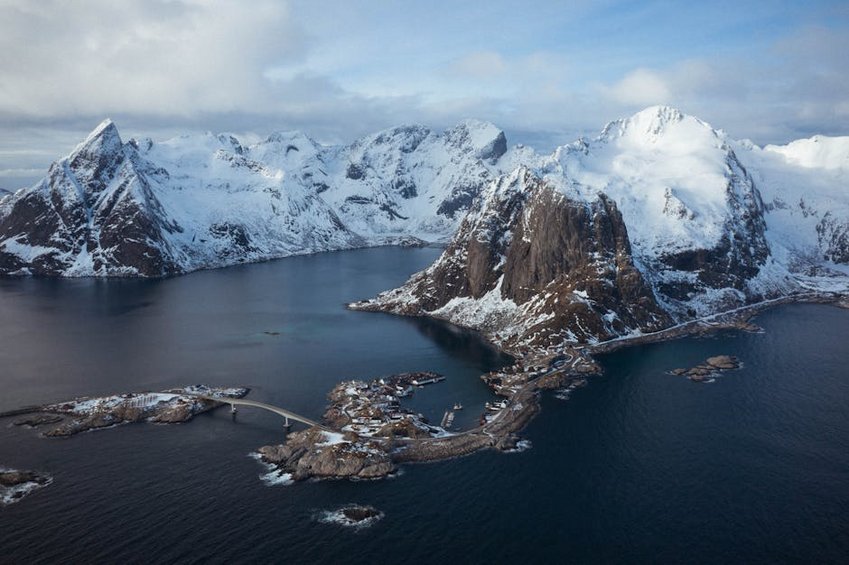
Norway Fjords Cruise or Drive: Choosing Your Perfect Adventure
Deciding between a Norway fjords cruise or drive is the essential first step in planning an epic Scandinavian journey, as each mode offers a profoundly different way to experience one of Earth’s most dramatic landscapes. A cruise provides effortless, panoramic viewing of sheer granite cliffs and cascading waterfalls from the water, while a self-drive adventure grants unparalleled freedom to explore hidden valleys, remote mountain passes, and charming fjord-side villages at your own rhythm. This guide breaks down the pros, cons, costs, and ideal traveler profiles for each option to help you confidently plan your Norwegian exploration.
Essential Fjords Region Information
The Norwegian fjords, carved by glaciers over millennia, stretch along the country’s western coast from Stavanger in the south to beyond Tromsø in the Arctic north. This UNESCO-listed landscape is not a single destination but a vast region featuring iconic waterways like Geirangerfjord, Sognefjord (the longest and deepest), and Lysefjord. The geography dictates much of your travel experience, with steep mountains plunging directly into deep, narrow sea inlets.
Understanding the regional layout is crucial for planning. The most visited area is often called “Fjord Norway,” centered around Bergen. Key gateways include Bergen (for cruises and drives into the central fjords), Ålesund (for the Geirangerfjord area), and Stavanger (for southern fjords like Lysefjord and Preikestolen). The climate is maritime, meaning weather changes rapidly, and you can experience all four seasons in a single day.
Defining the Core Experience
Your choice fundamentally shapes your interaction with the landscape. Here’s what defines each style of travel.
- Cruise Perspective: You witness the fjords from their most dramatic vantage point—the water level—looking up at towering cliffs and waterfalls. The journey is the destination, with transportation and accommodation combined, offering a relaxed, unpack-once experience.
- Drive Perspective: You view the fjords from above, driving along dizzying cliffside roads like Trollstigen and stopping at iconic viewpoints like Stegastein. This approach offers spontaneity, deep immersion in rural culture, and access to interior hiking trails unreachable by ship.
- Hybrid Approach: Many travelers combine both, perhaps taking a short scenic ferry (like the Gudvangen-Flam route) as part of a driving itinerary, or booking a one-way cruise and then renting a car to explore further inland.
- Budget Option ($1,200-$2,500 per person): For a drive, this means camping or hostel stays, supermarket meals, and a compact rental car shared between 2-4 people. For a cruise, this targets shorter 3-5 day itineraries on standard lines, inside cabins, and offseason bookings. Focus on value, not luxury.
- Mid-Range Option ($2,500-$5,000 per person): This allows for comfortable hotel or cabin stays on a road trip, mixed dining, and a reliable rental SUV. For cruising, this secures a 7-day standard itinerary on lines like Holland America or Princess, with a balcony cabin, offering the classic fjord cruise experience.
- Luxury Option ($5,000-$15,000+ per person): A drive features stays at historic hotels like the Kviknes in Balestrand and fine dining. A luxury cruise involves smaller expedition ships like those from Ponant or Silversea, with included excursions, gourmet dining, and expert guides, offering an intimate, all-inclusive exploration.
- Visit Norway Official Tourism Site
- Fjord Norway Regional Tourism Board
- Norwegian Public Roads Administration (for driving info)
Key Geographic Considerations
The sheer scale of Norway impacts travel times significantly. Sognefjord alone stretches 205 kilometers inland. While a cruise covers distance while you sleep or dine, a drive requires navigating winding, two-lane roads, tunnels, and ferry crossings. The famous Atlantic Ocean Road is a spectacular driving route, but it’s a specific coastal experience separate from the deep fjords.
Seasonality drastically affects both options. The main cruise season runs from May to September, with July and August being peak. The driving season is similar, though some high mountain passes (like Trollstigen) don’t open until late May or early June and close by October. Winter driving requires significant skill and proper tires, while winter fjord cruises are far less frequent and focus on Northern Lights.
Cultural and Logistical Context
Norway’s infrastructure is excellent but expensive. Tolls, ferries, and fuel add considerable cost to a road trip. Cruises bundle these expenses but limit your interaction with mainland Norway to short port calls. If experiencing local culture in small towns or pursuing specific hikes is a priority, a self-drive itinerary provides the necessary flexibility and time.
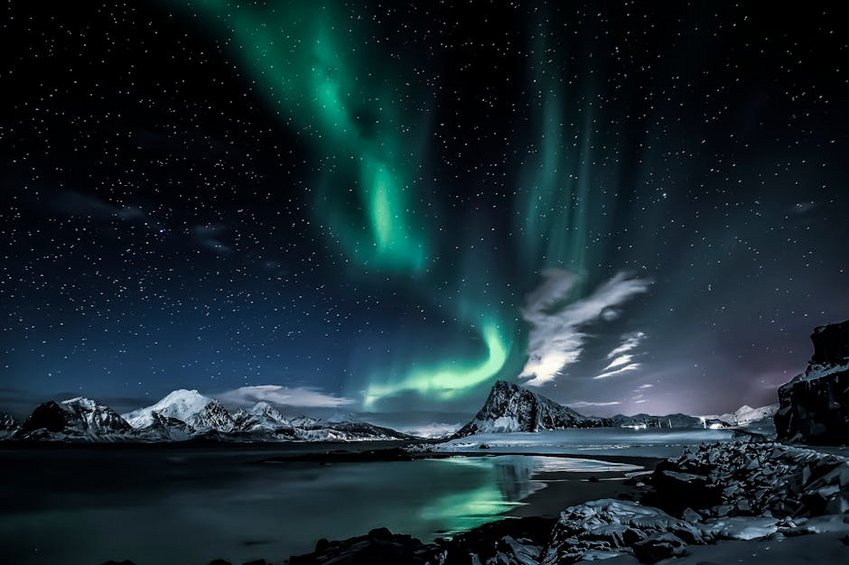
Alt: “geirangerfjord-norway-cruise-ship-view-waterfall”
Norway Fjords Cruise or Drive – Planning Your Trip
Your decision between a Norway fjords cruise or drive hinges on travel style, budget, mobility, and priorities. Cruises excel for travelers seeking a relaxing, all-inclusive scenic journey with minimal planning, where the majesty of the landscape is the sole focus. They are particularly suitable for those with limited mobility, as ships provide stable platforms for viewing, though accessing smaller ports may require tender boats.
Driving is the definitive choice for adventurers, photographers, and hikers who want control over their schedule and crave exploration beyond the shoreline. It allows for detours to places like the Jotunheimen National Park or the remote roads leading to iconic viewpoints like Trolltunga. This option demands more preparation for booking ferries, accommodations, and navigating, but rewards with deeper, more personal discoveries.
A balanced approach might involve a shorter coastal voyage, like the famous Hurtigruten mail ship route from Bergen to Kirkenes, followed by a rental car exploration of a specific region like the Lofoten Islands further north. This combines the coastal perspective with terrestrial freedom.
Best Time to Visit the Norwegian Fjords
The optimal window for both cruises and drives is from late May to early September. July and August offer the warmest weather, with averages of 57-65°F (14-18°C), maximum daylight, and all attractions and roads open. However, this is peak season with highest prices and crowds, especially for popular cruise itineraries and at key sights like Pulpit Rock.
Shoulder seasons—late May/June and September—provide excellent alternatives. In June, you’ll experience the Midnight Sun in northern regions, fewer tourists, and vibrant spring greenery and waterfalls from melting snow. September brings stunning autumn foliage, fewer crowds, and potential Northern Lights sightings in the latter half of the month, though some tourist services begin to reduce hours.
Budget Planning and Costs
Norway is expensive, but costs vary dramatically between a cruise package and a self-planned drive. Your budget must account for either a single major package or multiple separate expenses.
Essential Preparation Checklist
Packing requires planning for variable weather regardless of your choice. Essential items include a high-quality waterproof and windproof jacket, layered clothing (merino wool base layers), sturdy walking shoes with good grip, a reusable water bottle, and a power adapter (Type F, 230V). For drivers, a physical road map is wise for areas with poor cell service, and you must understand rental car insurance options.
All travelers need a valid passport; US and EU citizens do not need a visa for tourist stays under 90 days. Book rental cars and major ferry crossings (like the one to Moskenes in Lofoten) months in advance for summer travel. Secure comprehensive travel insurance that covers medical evacuation, especially if planning remote hikes. For cruisers, carefully review what your fare includes (excursions, drinks, tips) to avoid surprise costs.
Top Attractions and Scenic Experiences
The fjords region boasts world-famous natural landmarks, each accessible differently depending on your mode of transport. A cruise brings you directly to the foot of waterfalls like the Seven Sisters in Geirangerfjord and the narrowest part of the Nærøyfjord. From the deck, you’ll have continuous, breathtaking views without the hassle of finding parking or navigating traffic.
Driving unlocks the iconic viewpoints seen in most photography. This includes the thrilling serpentine bends of Trollstigen (The Troll’s Ladder) road, the architectural marvel of the Atlantic Ocean Road’s bridges, and the spectacular platform at Stegastein overlooking Aurlandsfjord. You can also time your visits to avoid the midday crowds that arrive via tour buses from cruise ships.
Must-See Highlights
Geirangerfjord, a UNESCO site, is a highlight for both cruisers and drivers. Cruise ships sail directly past the Seven Sisters and Suitor waterfalls. Drivers can take the Ørnevegen (Eagle’s Road) to the Flydalsjuvet and Dalsnibba viewpoints for breathtaking aerial perspectives. The fjord’s beauty is undeniable from any angle.
The Flåm Railway is another key attraction. Cruises often stop in Flåm, where passengers can disembark for this scenic train journey. Drivers can park in Flåm and book the round-trip train independently, or drive part of the route. The nearby Nærøyfjord is best experienced from the water, accessible via a scenic ferry from Gudvangen that drivers can easily incorporate into their route.
In the south, Preikestolen (Pulpit Rock) above Lysefjord is primarily a hiking destination. Cruise ships offer views from below, but reaching the iconic cliff plateau requires a moderate 4-hour round-trip hike, best accessed with a car to the trailhead near Stavanger. This exemplifies an experience tailor-made for a driving itinerary.
Hidden Gems and Local Favorites
Beyond the major sights lie quieter wonders. Driving allows you to discover places like the serene Hjørundfjord in the Sunnmøre Alps, far from the main cruise ship routes. The nearby picturesque village of Ålesund, with its Art Nouveau architecture, is worth an overnight stay to explore its excellent museums and climb the Mount Aksla viewpoint.
For a unique water-based experience accessible to drivers, consider renting a kayak or joining a small RIB boat tour in places like Geiranger or Olden. These provide an intimate, close-to-the-water perspective without committing to a full cruise. Similarly, finding a local “matpakke” (packed lunch) from a bakery and enjoying it by a secluded fjord arm is a simple, authentic pleasure best enjoyed on a flexible road trip schedule.
Hiking and Active Adventures
The Norwegian right to roam (“allemannsretten”) makes hiking a premier activity. Iconic trails like Trolltunga and Kjeragbolten are major undertakings requiring good fitness, proper gear, and a full day—logistically challenging for cruise passengers on a tight port schedule. Drivers can base themselves nearby and start hikes early.
More accessible walks include the waterfall path in Geiranger or the stroll to Briksdalsbreen glacier arm near Olden. Many cruise lines offer guided hiking excursions, but they come at a premium price and follow a fixed group schedule. Driving allows you to choose trails based on weather, fitness, and interest, using resources like the UT.no app for trail maps and conditions.
Practical Travel Information and Logistics
Navigating Norway requires understanding the local systems. For drivers, the “AutoPASS” system automatically charges tolls for using tunnels, bridges, and some ferry crossings; rental car companies handle this with a daily fee. Ferry timetables are critical for route planning, especially for connecting key regions; booking in advance for popular routes in summer is highly recommended to avoid long waits.
Accommodation ranges from modern city hotels to historic fjord-side properties and rustic camping cabins (“hytter”). Booking well ahead for June-August is non-negotiable. For cruisers, your cabin is your hotel, but you may want to book pre- or post-cruise hotels in cities like Bergen or Oslo, which also require early reservations during the high season.
| Travel Category | Cruise Option Details | Drive Option Details |
|---|---|---|
| Primary Cost | All-inclusive per person fare (cabin, meals, transport). Excursions extra. | Car rental, fuel, tolls, ferries, hotels, and food purchased separately. |
| Pace & Schedule | Fixed itinerary with strict port arrival/departure times. Relaxed onboard pace. | Fully flexible. Change plans daily based on weather or interest. |
| Scenic Access | Continuous water-level views. Access to narrow fjords large vehicles can’t reach. | Aerial and roadside viewpoints. Ability to stop anywhere for photos. |
| Cultural Immersion | Limited to port visits (often 6-10 hours). Often tourist-focused areas. | Deep access to villages, local cafes, and rural life. Unplanned interactions. |
| Ideal For | Travelers seeking ease, seniors, families, those who dislike packing/unpacking. | Adventurers, photographers, hikers, families wanting unstructured time. |