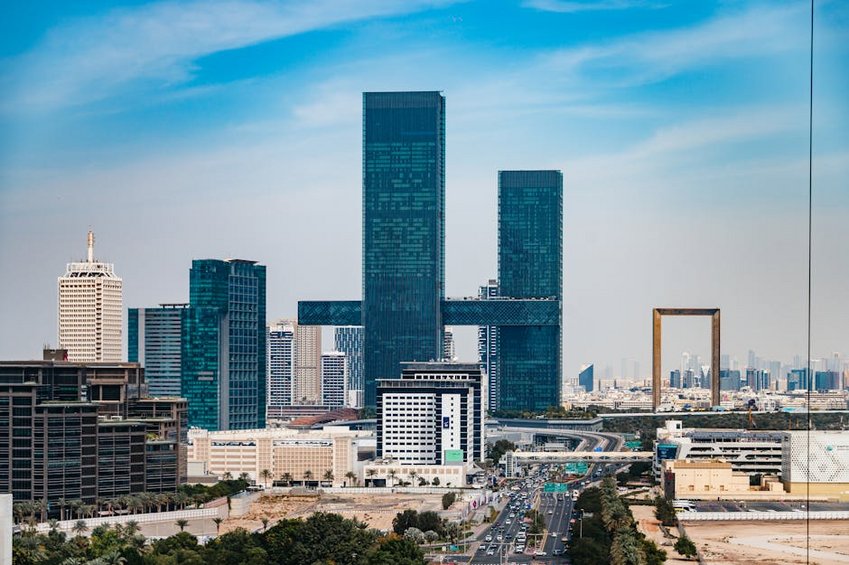
Modern Landmarks in Dubai: Your Guide to Architectural Marvels
Dubai’s modern landmarks define contemporary urban exploration with iconic structures like the Burj Khalifa and The Palm Jumeirah. These architectural feats blend innovative design with luxury experiences, from panoramic observation decks to underwater hotel suites. This guide provides essential planning tips, top attraction details, and local insights for your visit.
Essential Information About Dubai’s Contemporary Attractions
Dubai transformed from a trading port into a global metropolis within decades. This rapid development created a skyline filled with record-breaking buildings and man-made islands. Understanding this context enhances appreciation for each architectural wonder.
What You Need to Know Before Visiting
Prepare for your trip with these key points about Dubai’s urban landscape.
- Dubai operates on Gulf Standard Time (GMT+4) with weekend days falling on Friday and Saturday, affecting landmark opening hours.
- The city uses the United Arab Emirates Dirham (AED), but US dollars and credit cards are widely accepted at major attractions.
- Summer temperatures from June to September exceed 104°F (40°C), while winter months from November to March offer pleasant 68-77°F (20-25°C) weather.
- Budget travelers spend $80-120 daily using public transit, street food, and free attractions like Dubai Fountain shows. Hostels in Deira or Bur Dubai offer $25-40 nightly rates, while landmark viewing costs $0-30 for selected observation decks.
- Mid-range visitors allocate $150-250 daily for hotel stays in Downtown Dubai or Dubai Marina areas costing $80-150 nightly. This budget includes taxi transportation, restaurant meals, and entrance fees to major sites like Burj Khalifa At the Top ($35-55).
- Luxury experiences require $300-500+ daily with five-star hotels averaging $200-400 nightly. Premium access to attractions, private tours, and fine dining at architectural icons like At.mosphere restaurant add significant costs.
- Dubai Department of Tourism and Commerce Marketing
- Lonely Planet Dubai Travel Guide
Key Architectural Styles and Innovations
Dubai’s buildings showcase cutting-edge engineering and diverse design philosophies. Many structures incorporate Islamic geometric patterns alongside futuristic glass and steel façades. Sustainable features like solar panels and water recycling systems are increasingly common in new developments.
The city’s architectural ambition focuses on creating unique visual statements and functional spaces. Projects often aim for world records in height, size, or innovation. This drive results in continually evolving skylines with new additions every few years.
The Development Timeline
Modern Dubai emerged after the 1966 discovery of oil, which funded infrastructure projects. The 1990s introduced landmark hotels like Burj Al Arab, while the 2000s saw skyscraper construction accelerate. Recent years added cultural destinations like the Dubai Opera and Museum of the Future.
Each decade brought distinct architectural movements reflecting economic priorities. Early buildings emphasized luxury tourism, while contemporary projects focus on sustainability and experiential design. This evolution creates a layered urban landscape worth exploring chronologically.
Modern Landmarks in Dubai – Planning Your Trip
Successful exploration requires strategic timing and resource allocation. Dubai’s climate significantly impacts outdoor landmark visits, with summer months limiting daytime activities. Winter offers ideal conditions but attracts larger crowds and higher prices across the city.
Budget planning should account for entrance fees, transportation between dispersed sites, and premium experiences. Many architectural wonders charge admission for access to observation decks or guided tours. Prioritize your must-see list based on personal interests and available time.
Advanced reservations secure better rates for hotels, flights, and popular attraction tickets. Booking three months ahead for winter visits or one month for summer trips provides optimal selection. Consider purchasing bundled attraction passes for cost savings on multiple entries.
Best Time to Visit Dubai for Landmark Exploration
November through March delivers perfect weather with temperatures between 68-86°F (20-30°C) and minimal rainfall. This peak season ensures all outdoor observation decks and architectural tours operate fully. However, hotel rates increase 30-50% during these months, especially around holidays.
Shoulder seasons in April-May and October offer moderate 77-95°F (25-35°C) temperatures with fewer tourists. Summer from June to September features intense heat above 104°F (40°C) but provides 40-60% accommodation discounts. Indoor attractions like the Dubai Mall remain comfortably air-conditioned year-round.
Budget Planning and Costs
Daily expenses vary widely based on accommodation style and activity choices.
Essential Preparation Checklist
Pack lightweight, breathable clothing covering shoulders and knees for cultural respect at mosques and traditional areas. Include comfortable walking shoes for extensive mall exploration and sun protection with SPF 50+ sunscreen and hats for outdoor viewing points. Winter visits require light jackets for evening desert temperatures dropping to 59°F (15°C).
Secure travel insurance covering medical emergencies and trip cancellations before departure. US and EU passport holders receive 30-day visa-free entry upon arrival, but check current UAE immigration policies. Download the RTA Dubai and Careem apps for convenient transportation booking and navigation between landmarks.
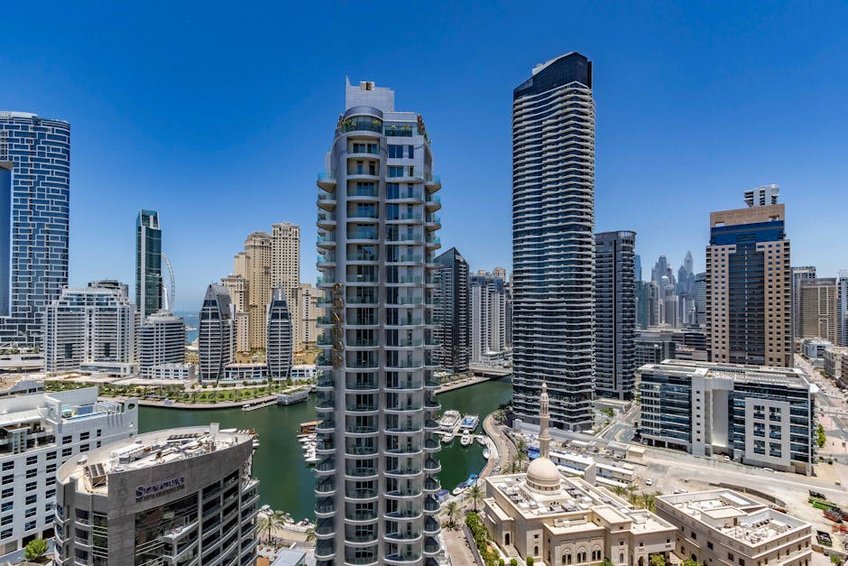
Alt: “dubai-burj-khalifa-observation-deck-city-view”
Top Architectural Attractions and Activities
Dubai’s skyline presents countless photographic opportunities and engineering marvels. The city clusters many iconic structures in specific districts, allowing efficient touring. Allocate time for both exterior admiration and interior exploration of these buildings.
Each landmark offers unique perspectives on Dubai’s development ambitions and cultural integration. From the world’s tallest building to artificial archipelagos, these sites demonstrate human ingenuity on a grand scale. Evening visits often provide illuminated spectacles complementing daytime architectural appreciation.
Must-See Highlights
Burj Khalifa dominates the skyline at 2,722 feet (828 meters) with observation decks on levels 124, 125, and 148. Tickets range from $35 for basic access to $150 for premium experiences including guided tours. Visit during sunset for breathtaking views transitioning from daylight to city lights.
The Palm Jumeirah artificial island features Atlantis The Palm resort and monorail transportation along its fronds. Architectural tours highlight the engineering behind this palm-shaped land reclamation project. Access is free for island exploration, but resort attractions require separate admission fees.
Dubai Frame in Zabeel Park presents a 492-foot (150-meter) rectangular structure framing views of old and new Dubai. The glass bridge connecting twin towers provides panoramic perspectives for approximately $15 admission. Morning visits avoid crowds and offer optimal photography lighting conditions.
Hidden Gems and Local Favorites
Alserkal Avenue in Al Quoz repurposes industrial warehouses into contemporary art galleries and creative spaces. This district showcases adaptive reuse architecture alongside cutting-edge design exhibitions. Locals frequent the cafes and cultural events here, offering authentic urban experiences.
The Green Planet indoor rainforest housed in a cylindrical bio-dome creates an architectural anomaly in City Walk. This vertical ecosystem building contrasts with surrounding commercial structures while demonstrating sustainable design principles. Tickets cost $30 for immersive nature encounters within urban settings.
Dubai Design District (d3) features sleek buildings dedicated to fashion, design, and innovation industries. The area’s minimalist architecture and public art installations provide quieter exploration than major tourist sites. Free access allows leisurely wandering through this creative hub.
Evening Light and Fountain Shows
The Dubai Fountain performs daily half-hourly shows from 6 PM to 11 PM outside Dubai Mall. This choreographed water display reaches 500 feet (152 meters) high, synchronized with international music. Free viewing from the waterfront promenade offers spectacular perspectives of Burj Khalifa illumination.
Bluewaters Island’s Ain Dubai observation wheel provides evening city vistas from 820 feet (250 meters) altitude. Although currently paused, its LED-lit structure creates impressive nighttime silhouettes against the marina skyline. The surrounding pedestrian district features contemporary retail and dining architecture worth exploring after dark.
Dubai Opera’s dhow-shaped building in Downtown Dubai hosts performances within an acoustically perfected venue. The structure’s wooden exterior references traditional Arabian sailing vessels while housing state-of-the-art theatrical technology. Evening architecture tours cost approximately $25 with show package options available.
Practical Travel Information and Logistics
Navigating Dubai’s dispersed landmarks requires understanding the city’s efficient transportation network. The metro system connects major districts with air-conditioned trains running from 5 AM to midnight daily. Taxis and ride-sharing services provide convenient access to sites beyond metro stations.
Accommodation choices significantly impact your landmark accessibility and overall experience. Downtown Dubai positions you within walking distance of Burj Khalifa and Dubai Mall, while Dubai Marina offers waterfront views and Palm Jumeirah proximity. Budget areas like Deira provide authentic local culture with longer transit times to newer attractions.
| Category | Options/Features | Price Range (USD) |
|---|---|---|
| Landmark Observation Decks | Burj Khalifa At the Top (levels 124/125), At the Top Sky (level 148), The View at The Palm | $35-150 |
| Transportation Passes | Dubai Metro Nol Silver Card (reloadable), Dubai Tourist Pass (unlimited rides), Taxi fares per kilometer | $5-80 |
| Architectural Tours | Guided Burj Khalifa tours, Dubai architecture walking tours, Palm Jumeirah monorail with guide | $25-100 |
| Cultural Site Entries | Museum of the Future, Etihad Museum, Jumeirah Mosque guided tours | $10-40 |