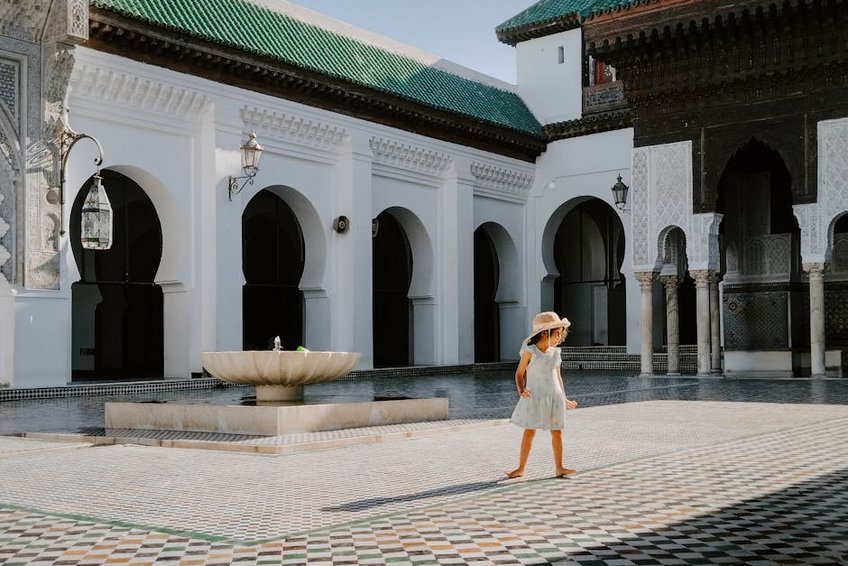
Medina Streets in Morocco: Your Ultimate Navigation Guide
Navigating the Medina streets in Morocco immerses you in a living, breathing historical tapestry woven from ancient Islamic architecture, vibrant souks, and centuries-old customs. Your journey through these labyrinthine alleyways offers more than sightseeing; it’s a direct encounter with Moroccan culture, artisan traditions, and the rhythm of daily life. This guide provides the essential knowledge and practical strategies you need to confidently explore, appreciate, and find your way through these captivating historic districts.
Understanding the Moroccan Medina
The term “medina” translates to “city” in Arabic, but in Morocco, it specifically refers to the old, walled urban quarters founded between the 8th and 17th centuries. These districts are UNESCO World Heritage sites in cities like Fes and Marrakech, representing some of the most complete medieval Islamic cities in the world. Their complex layout was designed for community cohesion, climate control, and defense, creating the signature maze-like streets you explore today.
The Anatomy of a Medina
Knowing the basic structure helps you orient yourself. Each district functions like a micro-city with dedicated zones.
- Main Arteries: Wider streets like Marrakech’s Rue Semarine often connect main gates (babs) to the central mosque and primary souks, slightly easier for navigation.
- Souks (Markets): These commercial streets are organized by trade, such as the dyers’ souk, leather souk, or metalworkers’ souk, each with distinct sights and smells.
- Derbs (Residential Alleyways): These are the narrow, often dead-end lanes leading to local homes and guesthouses (riads), offering a quieter glimpse into daily life.
- Budget Traveler ($35-50 USD): Staying in a budget hostel dorm, eating street food like tagine and msemen, and walking everywhere. This covers a simple lunch, water, and a small souvenir.
- Mid-Range Traveler ($80-150 USD): Includes a private room in a traditional riad with breakfast, several museum or site entry fees, a guided half-day tour, and meals at local restaurants.
- Luxury Experience ($250+ USD): Features a stay in a luxury palatial riad with a pool, private guided tours, fine dining experiences, and personalized shopping with a fixer to navigate souks.
- Moroccan National Tourist Office (ONMT)
- UNESCO World Heritage: Medina of Marrakech
A Brief Historical Context
The medina’s design is a direct result of Islamic urban planning principles and historical necessity. The densely packed buildings provided shade and trapped cooler air, while the high, windowless walls facing streets protected family privacy. The confusing layout served as a defensive measure against invading tribes, allowing residents to easily trap and confuse outsiders. This history explains why getting lost isn’t a failure; it’s part of the authentic experience.
Key Medinas to Explore
While all medinas share core traits, each city offers a distinct flavor. Fes el-Bali is the world’s largest contiguous car-free urban area, famed for its ancient tanneries and scholarly history. Marrakech’s medina is slightly more open and centered around the bustling Jemaa el-Fna square. Chefchaouen’s medina is intimate and famously washed in shades of blue, offering a more relaxed pace in the Rif Mountains.
Alt: “narrow-moroccan-medina-street-blue-doors-market-stalls”
Medina Streets in Morocco – Planning Your Exploration
Successfully navigating the Medina streets in Morocco requires a blend of preparation and willingness to embrace the unexpected. Your planning should focus on timing, orientation tools, and cultural readiness rather than a rigid minute-by-minute itinerary. Start by accepting that you will lose your sense of direction; the goal is to enjoy the process of finding your way again. Allocate more time than you think you’ll need, as progress through crowded lanes is measured in leisurely discovery, not kilometers per hour.
Best Time to Visit the Medinas
For the most comfortable exploration, target the shoulder seasons of spring (March to May) and fall (September to November). During these months, daytime temperatures range from a pleasant 70-85°F (21-29°C), making hours of walking manageable. The summer months (June-August) can see heat soaring above 100°F (38°C), while winter nights, especially in cities like Fes, can drop to 40°F (4°C). Mornings are always the best time to visit, as souks are freshly opened and crowds are thinner.
Budget Planning and Costs
Daily costs vary dramatically based on your style. Here is a typical daily budget breakdown per person.
Essential Preparation Checklist
Pack for practicality and respect. Comfort is paramount, so bring broken-in walking shoes with good grip for uneven stone paths. Clothing should cover shoulders and knees; loose, breathable layers are ideal for both modesty and changing temperatures. Essential items include a refillable water bottle, hand sanitizer, small bills for purchases (5-20 dirham notes), and a portable phone charger. Download offline maps from apps like Maps.me and Google Maps, as GPS often works even in narrow alleys.
Top Experiences in the Medina Labyrinth
Beyond simple navigation, the historic districts offer immersive cultural encounters. The true magic lies in spontaneous interactions, from sipping mint tea with a shopkeeper to watching artisans hand-emboss metal. Each corner reveals a new sensory experience, whether it’s the scent of cedarwood, the sound of the call to prayer, or the vivid sight of piled spices. Prioritize experiences that connect you with the living culture, not just the historical monuments.
Must-See Architectural Highlights
Seek out the landmark buildings that serve as orientation points. The Koutoubia Mosque in Marrakech and the Bou Inania Madrasa in Fes are towering references visible from certain points. Don’t miss the intricate Ben Youssef Madrasa or the serene Saadian Tombs. Visiting these sites requires a small entry fee (usually $5-10 USD) and provides a peaceful respite from the bustling lanes. Aim for early morning visits to avoid the largest tour groups and capture better photos.
Hidden Gems and Local Favorites
Venture beyond the main souks to find quieter, authentic spots. In Marrakech, seek out the Mellah (Jewish Quarter) for a different architectural style and history. In Fes, find the Najjarine Museum of Wooden Arts & Crafts, located in a beautifully restored funduq (caravanserai). For a break, locals frequent neighborhood hammams (public bathhouses); some, like Hammam Mouassine, offer tourist-friendly sessions. Simply wandering the residential derbs, where children play and laundry hangs overhead, offers a genuine slice of life.
The Art of Souk Shopping
Navigating the markets is a core medina skill. Understand that initial prices are often 2-3 times higher for tourists. Polite haggling is expected; start by offering 40-50% of the asking price and settle around 60-70%. Build rapport with shopkeepers over tea—it’s a cultural ritual, not a sales trap. For higher-value items like rugs or leather, visit government-run cooperative stores for fixed, fair prices and quality assurance.
Practical Navigation and Logistics
Moving through the medina involves a specific set of logistical considerations. While the cores of major medinas are pedestrian-only, donkeys and motorbikes sometimes zip through narrow passages, so stay alert. Your accommodation choice is critical; many riads offer to send a staff member to meet you at a main gate. This service is invaluable for your first arrival with luggage. Always keep the business card or a photo of your riad’s doorway, as addresses are not used within the old walls.
| Transport/Category | Options & Key Features | Price Range (USD) |
|---|---|---|
| From Airport to Medina Gate | Official Airport Taxi (set fare), Private Transfer (pre-booked), Bus (cheapest, drops at edge) | $15-25 / $30-50 / $2-4 |
| Medina Guide Services | Official Tourist Office Guide (fixed rate), Hotel-Arranged Guide, “Freelance” Guide (negotiable) | $20-30 for 2-3 hours / $25-40 / $10-20 (tip expected) |
| Within-Medina Transport | Walking (primary), Donkey Cart (for luggage/groceries), Motorbike (locals only) | Free / $5-10 for short haul / N/A |
| Baggage Porter | Official porters at gates with carts; agree on price before handing over bags | $5-10 to your riad |