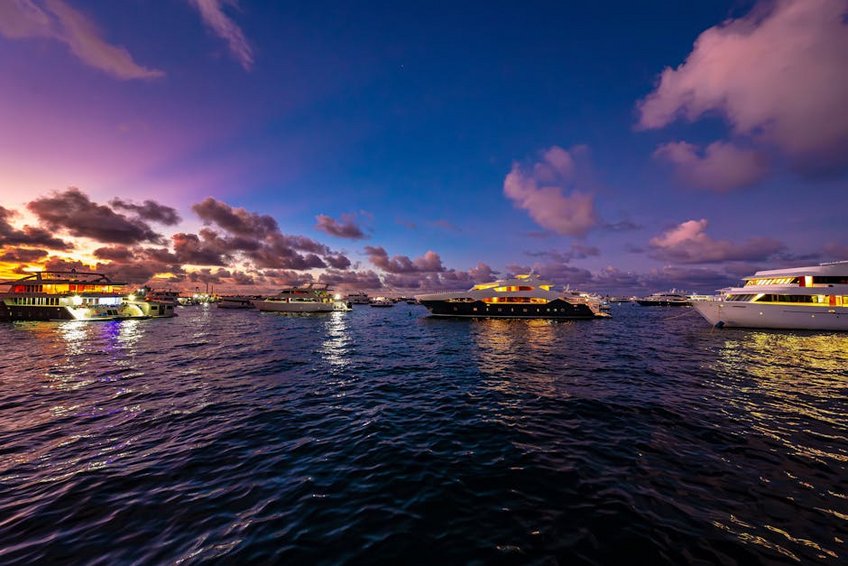
Maldives Travel Guide: Planning Your Island Paradise Trip
The Maldives is a nation of over 1,000 coral islands scattered across the Indian Ocean, renowned for its luminous turquoise lagoons, pristine white-sand beaches, and incredible marine biodiversity. This comprehensive Maldives travel guide provides the essential details for planning a trip, from choosing between luxurious private resorts and local guesthouses on inhabited islands to understanding the unique geography of the atolls. You will discover practical advice on timing your visit, managing your budget, and experiencing the archipelago’s world-class diving, vibrant culture, and breathtaking natural beauty.
Essential Maldives Information
The Republic of Maldives is a South Asian nation located southwest of Sri Lanka, comprising 26 natural atolls. Its highest point is just 2.4 meters above sea level, making it the world’s lowest-lying country. The local currency is the Maldivian Rufiyaa (MVR), though US dollars are widely accepted at resorts and for major excursions.
Malé is the densely populated capital city, housing the international airport and serving as the primary gateway. The official language is Dhivehi, but English is fluently spoken throughout the tourism industry, from resort staff to tour guides. Islam is the state religion, and visitors are expected to respect local customs, especially when outside resort islands.
The nation’s economy relies heavily on tourism and fishing, with the iconic tuna being a staple. Environmental conservation is a critical focus, with many resorts participating in coral reef restoration and marine protection initiatives. Understanding this context enriches any visit to these fragile islands.
Geography and Atoll Structure
The islands are grouped into ring-shaped coral formations called atolls. This unique geography creates the calm, shallow lagoons perfect for swimming and water sports.
- The country is administratively divided into 20 atolls, with the North and South Malé Atolls being the most visited due to their proximity to the airport and high concentration of resorts.
- Each resort typically occupies its own private island, offering exclusive access to its surrounding house reef and beach. Transfer times from the airport can range from a 15-minute speedboat ride to a 60-minute seaplane flight.
- Local islands, where Maldivians live, offer a different cultural experience with guesthouses, local cafes, and public beaches. Dress codes are more conservative in these communities compared to resort islands.
- Budget Traveler ($80-$150 per night): Stay in guesthouses on local islands like Maafushi or Fulidhoo. Costs cover basic room, local meals, and public ferry transfers. You’ll pay separately for excursions like snorkeling trips ($25-$50) and dining at local cafes. This option prioritizes cultural immersion over luxury.
- Mid-Range Traveler ($300-$600 per night): This tier includes smaller boutique resorts or standard rooms at 4-star resort islands, often with breakfast included. Speedboat transfers are typical. You can expect beautiful beaches, good house reefs, and a la carte pricing for dining and activities, allowing for more control over spending.
- Luxury Traveler ($800-$2,000+ per night): This category features world-renowned 5-star resorts with overwater villas, private pools, and gourmet dining. All-inclusive plans are common. Amenities include personal butlers, bespoke excursions, world-class spas, and seamless seaplane transfers directly to the resort jetty.
- Visit Maldives – Official Tourism Website
- Lonely Planet Maldives Travel Guide
Visa and Entry Requirements
Tourists receive a free 30-day visa on arrival, provided they meet specific entry conditions. Your passport must be valid for at least six months from your date of entry into the country.
You must also show proof of a confirmed hotel booking and either a return ticket or an onward journey ticket. While not always checked, having printed or digital copies of these documents is highly recommended to ensure a smooth arrival process.
You must also declare any items prohibited under Maldivian law, such as alcohol, pork products, and religious materials offensive to Islam. These items will be confiscated upon arrival if found in your luggage.
Cultural Norms and Etiquette
Respecting local Islamic culture is paramount for a smooth visit. This is especially important when visiting inhabited local islands, mosques, or the capital city of Malé.
On local islands, dress modestly by covering shoulders and knees when in public areas. Swimwear is only permitted on designated tourist beaches, known as “Bikini Beaches.” Public displays of affection are frowned upon throughout the country.
During the holy month of Ramadan, eating, drinking, and smoking in public on local islands is prohibited from dawn until dusk. Resorts operate normally, but sensitivity is appreciated. Always ask permission before photographing local residents.
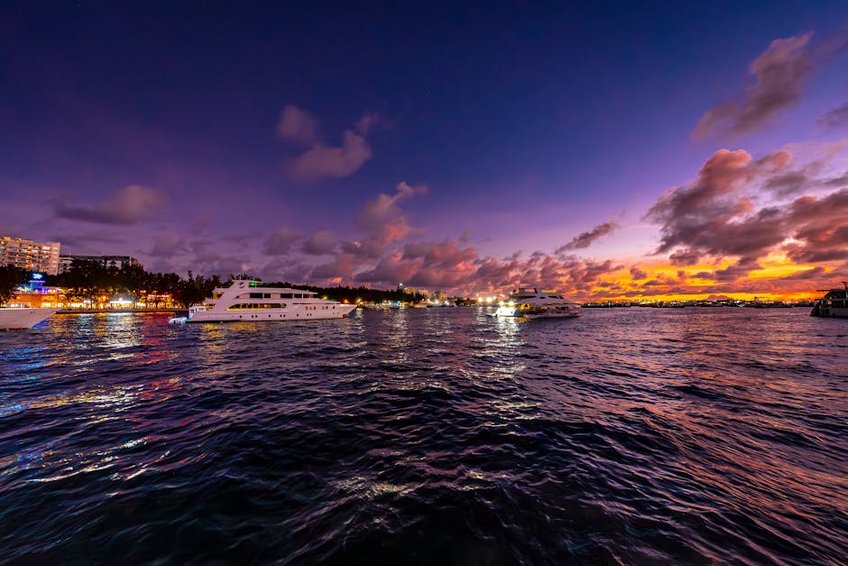
Alt: “maldives-aerial-view-turquoise-lagoon-overwater-villas”
Maldives Travel Guide – Planning Your Trip
Effective planning transforms a good Maldivian holiday into an exceptional one. This section of your Maldives travel guide breaks down the crucial decisions: selecting the right accommodation type for your style and budget, pinpointing the ideal season for your desired activities, and preparing the necessary documentation. The choice between an all-inclusive private resort and a local island guesthouse experience defines the entire tone of your visit.
Your budget is the primary factor. Luxury resorts offer unparalleled privacy and service but at a premium cost. Local island guesthouses provide authentic cultural interaction and significant savings, though with fewer luxury amenities. Mid-range options include smaller boutique resorts or “hotel islands” that blend services.
Remember to factor in transfer costs, which can add hundreds of dollars per person for seaplane journeys to distant atolls. Booking excursions like diving or snorkeling trips in advance often secures better rates and guarantees availability during peak seasons.
Best Time to Visit the Maldives
The best weather for a classic beach holiday occurs during the dry northeast monsoon, from December to April. These months offer maximum sunshine, minimal rainfall, and calm seas, ideal for snorkeling, diving, and enjoying the beaches. Daytime temperatures hover between 84°F and 88°F (29°C to 31°C).
This is also the peak tourist season, so prices are at their highest and resorts book up months in advance. The wet southwest monsoon, from May to November, brings more rain, humidity, and occasional storms. However, this period offers better deals, fewer crowds, and excellent conditions for surfing, especially from June to September.
Budget Planning and Costs
Costs vary dramatically based on your chosen style of travel. Here is a breakdown of three common budget tiers.
Essential Preparation Checklist
Packing correctly is crucial for comfort and convenience. Essential items include high-SPF reef-safe sunscreen, a wide-brimmed hat, polarized sunglasses, and multiple swimsuits. Bring reliable mosquito repellent, as insects can be prevalent, especially after rain or on local islands.
For water activities, consider packing a rash guard for sun protection while snorkeling, waterproof phone cases, and your own snorkel mask for a guaranteed fit. Comfortable sandals and light, breathable clothing are perfect for the tropical climate. Don’t forget adapters; the Maldives uses Type D and G plugs, with a standard voltage of 230V.
Ensure you have valid travel insurance that specifically covers water sports and diving. Print copies of your hotel confirmations, flight itineraries, and travel insurance details. Finally, inform your bank of your travel plans to avoid card issues when making international transactions.
Top Attractions and Island Activities
The archipelago’s primary draw is its unparalleled marine environment. The clear, warm waters host an incredible diversity of life, from gentle manta rays and whale sharks to vibrant coral gardens teeming with tropical fish. Beyond the lagoon, the islands themselves offer serene beauty, with palm-fringed beaches and spectacular sunsets.
Each atoll has its own character. The North and South Malé Atolls are bustling with resort and local island life. The more remote Ari, Baa, and Lhaviyani Atolls offer pristine conditions for diving and a greater sense of isolation. Activities range from adrenaline-pumping watersports to utterly relaxing spa treatments overlooking the ocean.
Cultural excursions to Malé provide insight into Maldivian history and daily life, a stark contrast to the resort experience. Visiting a local fish market or the National Museum adds depth to your understanding of this island nation.
Must-See Highlights
Snorkeling or diving the house reef of your resort is a daily highlight accessible to all. Most islands have a protected house reef just meters from the shore, where you can see parrotfish, angelfish, and maybe even a turtle. For a more structured experience, join a guided snorkeling safari to deeper reefs.
A sunset dolphin cruise is a magical experience offered by almost every resort and local island tour operator. Boats venture into the channel between atolls where pods of spinner dolphins frequently play in the bow waves. Seeing these acrobatic creatures against a backdrop of a blazing sun is unforgettable.
Visit the capital, Malé, for a half-day cultural excursion. Key sights include the gold-domed Islamic Centre, the bustling fish market, and the National Museum in Sultan’s Park. It offers a fascinating glimpse into the non-resort life of the Maldives and the challenges of living in a densely populated island city.
Hidden Gems and Local Favorites
For an extraordinary sandbank experience, ask your tour operator about visiting a private sandbank. These temporary islands appear at low tide in the middle of the lagoon, offering a surreal and completely private picnic spot surrounded by nothing but ocean. Some resorts can arrange a champagne breakfast or romantic dinner on one.
Explore the bioluminescent beaches, or “sea of stars,” on certain islands like Mudhdhoo in Baa Atoll. This natural phenomenon, caused by phytoplankton in the water, makes the waves glow a bright blue at night. It’s best seen on darker, moonless nights and is a truly magical sight.
Take a traditional Maldivian fishing trip, or “big game fishing” excursion. Even if you don’t fish, it’s a wonderful way to spend a morning on a local boat (dhoni). You’ll learn about traditional pole-and-line tuna fishing, a sustainable method that is central to the country’s heritage and economy.
World-Class Diving and Snorkeling Sites
The Maldives is consistently ranked among the top diving destinations globally. Its atolls create channels where currents bring in nutrients, attracting large pelagic species. Popular dive sites like Maaya Thila (Ari Atoll) are famous for shark encounters, while Hanifaru Bay (Baa Atoll) is a UNESCO Biosphere Reserve where manta rays and whale sharks congregate to feed.
For snorkelers, the shallow coral gardens inside the lagoons are stunningly accessible. Many resorts have designated snorkeling trails with buoys and information boards. Coral regeneration projects are common, allowing guests to participate in reef conservation by adopting a coral frame.
Always follow responsible marine practices: do not touch or stand on coral, maintain a respectful distance from turtles and rays, and use mineral-based, reef-safe sunscreen to help protect the fragile underwater ecosystem that makes the destination so special.
Practical Travel Information
Navigating the logistics of a Maldivian vacation is straightforward with proper planning. The journey typically begins at Velana International Airport (MLE) on Hulhulé Island, adjacent to the capital. Upon clearing immigration, you’ll be greeted by your resort’s representative who will guide you to your onward transfer.
Transfers are a defining part of the experience. Options include speedboats for nearby atolls (15-90 minutes), domestic flights to regional airports followed by a speedboat, and scenic seaplane flights. Seaplanes operate only during daylight hours, so international flight arrival times are crucial for same-day transfers to distant resorts.
Getting There and Around
Velana International Airport (MLE) is the main gateway, served by numerous international carriers from Europe, the Middle East, and Asia. Major hubs include Dubai (DXB), Doha (DOH), Istanbul (IST), and Colombo (CMB). Direct flights from the US are not available, so a connection is necessary.
Internal transportation is almost exclusively by boat or plane. Public ferries connect Malé to many local islands, but schedules are infrequent and journeys can be long. For resorts, private speedboat or seaplane transfers are pre-arranged as part of your package. Once on a resort island, you’ll get around on foot, by bicycle, or by electric buggy.
| Accommodation Type | Key Features & Considerations | Average Nightly Price Range (USD) |
|---|---|---|
| Local Island Guesthouse | Cultural immersion, local meals, public beach access, separate excursion costs, modest rooms. | $80 – $180 |
| Boutique Resort | Smaller scale, personalized service, good house reef, a la carte dining, speedboat transfer. | $300 – $600 |
| Standard 5-Star Resort | Overwater & beach villas, multiple restaurants, large pools, spa, kids club, seaplane transfer. | $700 – $1,200 |
| Ultra-Luxury Resort | Villas with private pools, butler service, gourmet all-inclusive, private yacht transfers, bespoke experiences. | $1,500 – $3,000+ |