Los Angeles Travel Guide: Navigating the City of Angels
Your Los Angeles travel guide begins with the sprawling reality of America’s second-largest city, a complex metropolis where iconic beaches collide with rugged mountains and vibrant urban neighborhoods. You will discover a destination defined by its diversity, offering world-class art, global cuisine, and legendary entertainment alongside 75 miles of stunning coastline. This guide provides the essential blueprint for navigating LA’s distinct districts, from planning your itinerary around notorious traffic to uncovering the authentic local gems hidden between the postcard sights.
Essential Los Angeles Information
Los Angeles is not a monolithic city but a collection of over 80 incorporated areas and neighborhoods, each with its own personality and pace. Understanding this decentralized layout is the first key to a successful visit. The region enjoys a Mediterranean climate with over 280 sunny days per year, though coastal areas can be 10-15°F (6-8°C) cooler than the inland valleys.
The city’s modern identity is inextricably linked to the entertainment industry, but its history spans Spanish missions, Mexican ranchos, and an oil boom. This layered past creates fascinating cultural contrasts visible in its architecture and communities. You will need a strategy to manage distances, as driving from Santa Monica to downtown can take 45 minutes without traffic or over two hours during rush hour.
Understanding LA’s Geography and Neighborhoods
Los Angeles is famously spread out. Your experience will vary dramatically depending on where you base yourself and how you plan your daily movements across the basin.
- Westside & Beaches: Includes Santa Monica, Venice, and Malibu, offering a laid-back coastal vibe, famous piers, upscale shopping on Montana Avenue, and scenic oceanfront cycling paths along the Marvin Braude Bike Trail.
- Hollywood & Central LA: Home to the Hollywood Walk of Fame, Griffith Observatory, and historic studios, but also includes diverse areas like Koreatown and Thai Town, which are culinary destinations in their own right.
- Downtown LA (DTLA): The rapidly revitalizing urban core featuring the Broad Museum, Walt Disney Concert Hall, Grand Central Market, and the historic Arts District with its converted warehouse lofts and breweries.
- San Fernando Valley: Encompasses studio lots in Burbank and Universal City, along with family-friendly attractions and a hotter, drier climate compared to the coastal zones.
- Budget Traveler ($100-150/day): Stay in hostels or budget motels in areas like Mid-Wilshire, use Metro buses and trains extensively, eat from taco trucks and casual spots like Grand Central Market, and focus on free attractions like hiking Griffith Park and visiting public beaches.
- Mid-Range Traveler ($250-400/day): Book well-reviewed hotels or boutique inns in neighborhoods like Los Feliz or West Hollywood, utilize a rental car or mix of rideshares and transit, enjoy meals at popular bistros and ethnic restaurants, and budget for a few key paid tours or museum entries.
- Luxury Traveler ($600+/day): Opt for five-star hotels in Beverly Hills or Santa Monica, hire a private car service or luxury SUV rental, dine at award-winning restaurants like Providence or n/naka, and book exclusive experiences such as private studio tours or helicopter tours along the coast.
- Discover Los Angeles Official Tourism Site
- LA Metro Official Transportation Site
Key Details on Climate and Weather
Southern California’s weather is famously pleasant but has distinct microclimates. Coastal areas like Santa Monica enjoy average highs of 70°F (21°C) in summer and 65°F (18°C) in winter, with morning “June Gloom” marine layer fog common from late spring through early summer. Meanwhile, inland areas like Pasadena and the San Fernando Valley can see summer temperatures soar above 90°F (32°C).
Rain is rare from May to October, with the short wet season occurring between November and March. This dry climate makes LA a year-round destination, but always pack a light layer for cooler evenings. The Santa Ana winds, which occur primarily in the fall, bring hot, dry conditions from the desert and significantly increase fire risk in the surrounding hills.
Local Culture and Vibe
The cultural fabric of Los Angeles is defined by creativity, wellness, and entrepreneurial spirit. It is a city where casual attire is acceptable almost everywhere, but appearance and networking are serious pursuits. The car culture is dominant, shaping social interactions and daily life, yet there is a growing movement towards walkable neighborhoods and improved public transit.
You will encounter a profound blend of cultures, with over 140 languages spoken in the county. This diversity fuels an incomparable food scene, from authentic Oaxacan mole to groundbreaking Korean-Mexican fusion. The pace is fast in business centers like Century City but remarkably slow on the beachfront bike paths, allowing you to tailor your trip’s energy level.
Alt: “los-angeles-skyline-griffith-observatory-hollywood-sign-view”
Los Angeles Travel Guide – Planning Your Trip
Strategic planning separates a stressful visit from a seamless Los Angeles adventure. A smart Los Angeles travel guide prioritizes geography, allocating days to explore adjacent neighborhoods together to minimize driving time. You should book popular attractions like the Warner Bros. Studio Tour or tickets to the Academy Museum several weeks in advance, especially for weekend visits.
Budget realistically for transportation, whether that means rental car costs, rideshares, or a transit pass. Accommodation prices fluctuate widely, with summer and major event weeks commanding premium rates. Consider purchasing a Go Los Angeles Card or similar attraction pass if your itinerary includes multiple paid entries, as it can offer significant savings.
Build flexibility into your schedule for spontaneous discoveries, like stumbling upon a fantastic food truck or a small gallery opening. Some of LA’s best moments are unscripted. Remember that dining reservations are essential for sought-after restaurants, often needed a month ahead for top spots like Majordomo or Bestia.
Best Time to Visit Los Angeles
The optimal times for a Los Angeles visit are during the shoulder seasons of April to June and September to October. During these months, you will find warm, sunny days with average highs of 75-80°F (24-27°C), minimal rain, and thinner crowds compared to the peak summer. The famous coastal fog typically burns off by midday, revealing clear skies.
Summer (July-August) brings the hottest weather inland and crowded attractions, but it is ideal for beach days and outdoor festivals. Winter (November-March) offers cooler temperatures around 68°F (20°C) and potential rain, but also lower hotel rates and the chance to see snow-capped mountains from the city. Holiday periods like Christmas and Spring Break see inflated prices and dense traffic.
Budget Planning and Costs
Los Angeles caters to all budgets, but costs can escalate quickly without a plan. Your major expenses will be accommodation, transportation, and dining.
Essential Preparation Checklist
Pack for variety: comfortable walking shoes, versatile layers, swimwear, a sun hat, and sunglasses are mandatory. Include a portable phone charger and a reusable water bottle for long days of exploration. If you plan to hike, bring proper athletic shoes, as trails can be steep and rugged.
Ensure your driver’s license is valid if renting a car, and international visitors should obtain an International Driving Permit. Purchase comprehensive travel insurance that covers medical emergencies and potential trip interruptions. Download essential apps like Google Maps for real-time traffic, OpenTable for reservations, and the LA Metro app for transit planning and tickets before you arrive.
Top Attractions and Iconic Experiences
Beyond the Hollywood sign, Los Angeles contains an astonishing array of cultural institutions, outdoor spaces, and historic sites. You can spend a morning viewing contemporary art masterpieces and an afternoon hiking in a rugged wilderness within the city limits. The key is balancing famous landmarks with deeper neighborhood explorations to capture the city’s full spirit.
Many first-time visitors are surprised by the sheer scale of Griffith Park, one of the largest urban parks in North America. Similarly, the Getty Center is more than a museum; it is an architectural landmark with breathtaking city views. Prioritize attractions based on your personal interests, whether that’s film history, modern art, or botanical gardens.
Must-See Highlights
The Getty Center houses an incredible collection of European art and photography in a stunning hilltop complex designed by Richard Meier. Admission is free, but parking costs $20-$25. Visit on a clear day for panoramic views stretching from downtown to the ocean. Allow at least three hours to explore the galleries, gardens, and architecture.
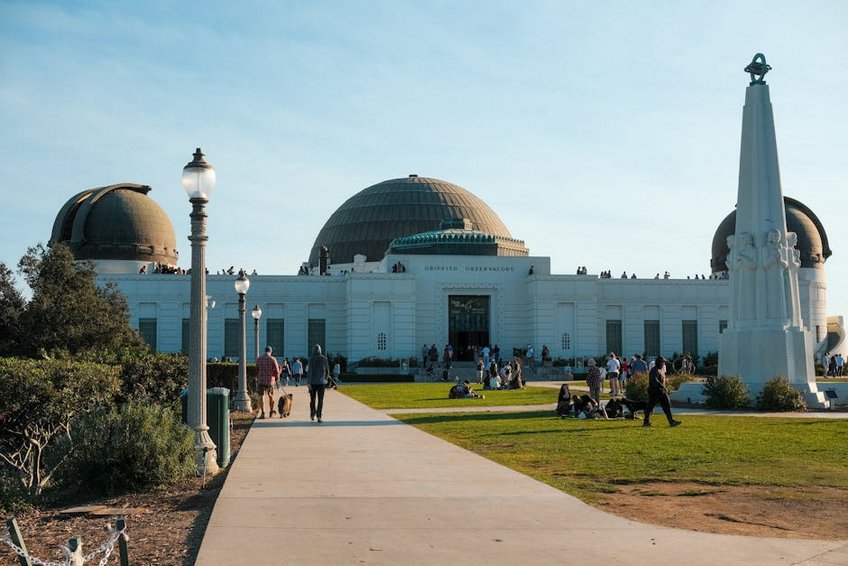
Griffith Observatory is a beloved LA icon offering free admission, planetarium shows ($7-$10), and the city’s best close-up view of the Hollywood Sign. The building itself is a beautiful example of Art Deco architecture. Go in the late afternoon to explore the exhibits, watch the sunset, and see the city lights twinkle on. Parking can be challenging, so consider taking the DASH Observatory bus from the Vermont/Sunset Metro station.
The Santa Monica Pier encapsulates the classic Southern California beach vibe with its solar-powered Ferris wheel, historic carousel, and carnival games. Stroll the adjacent Third Street Promenade and Palisades Park. For a more local experience, walk or bike south from the pier along the oceanfront path into Venice Beach to see the iconic Muscle Beach Gym and eclectic boardwalk vendors.
Hidden Gems and Local Favorites
Venture to the Bradbury Building in downtown LA, an 1893 architectural masterpiece with a breathtaking interior courtyard of wrought-iron, marble, and glowing skylights. It’s free to view the ground floor lobby, which has been featured in films like “Blade Runner.” Combine your visit with a trip to the nearby Grand Central Market for a food-hall lunch.
Discover the Venice Canals, a picturesque residential neighborhood just a few blocks from the bustling Venice Boardwalk. Created in 1905 by developer Abbot Kinney, these serene canals are lined with unique homes and footbridges, offering a peaceful, photogenic walk. This is a favorite spot for locals to take a quiet stroll away from the tourist crowds.
Visit the Museum of Jurassic Technology in Culver City, an utterly unique institution that blurs the line between factual exhibit and artistic fiction. Its cryptic, dimly lit displays on eclectic topics create a mesmerizing and unforgettable experience. This museum defies easy description and is a true insider secret among LA’s art and academic communities.
Studio Tours and Entertainment Insights
For film and TV enthusiasts, studio tours provide an unparalleled behind-the-scenes look. The Warner Bros. Studio Tour in Burbank is often considered the best, offering a working-lot experience where you might see active productions, visit the “Friends” and “Big Bang Theory” sets, and explore the DC Universe exhibit. Book the earliest tour of the day for the smallest groups.
Universal Studios Hollywood combines a theme park with an authentic studio tram tour through famous backlots like Spielberg’s “War of the Worlds” set. It’s a full-day, family-friendly experience. Meanwhile, the Paramount Pictures Studio Tour offers a more historic, classic Hollywood feel on the last major studio still located in Hollywood proper. Each tour provides a different perspective on the entertainment industry’s inner workings.
Practical Los Angeles Travel Information
Navigating Los Angeles requires accepting that transportation will be a significant part of your daily itinerary. While a car offers maximum flexibility, traffic congestion is a very real factor that can consume hours. The Metro Rail system has expanded considerably, with useful lines connecting downtown to Santa Monica (Expo Line), North Hollywood (Red Line), and Long Beach (Blue Line).
Rideshare services like Uber and Lyft are ubiquitous and often more convenient than hunting for parking in dense areas like Hollywood or Downtown. For longer stays or families, a rental car may still be the most cost-effective option, especially for visiting destinations like Malibu, Griffith Park, or the Getty Villa, which are poorly served by public transit.
| Accommodation Area | Best For | Average Nightly Rate (USD) |
|---|---|---|
| Santa Monica/Venice | Beach access, walkable neighborhoods, bike paths, upscale dining | $250 – $500+ |
| West Hollywood | Nightlife, boutique shopping, central location, design hotels | $220 – $450 |
| Downtown LA (DTLA) | Arts & culture, stadium events, modern hotels, historic architecture | $200 – $400 |
| Studio City/Burbank | Studio tours, family trips, easier parking, more affordable options | $180 – $350 |