Las Vegas Travel Guide for First-Time Visitors
Your Las Vegas travel guide begins by acknowledging this destination is far more than its famed four-mile Strip. Nevada’s iconic city offers a multifaceted experience blending world-class entertainment, culinary innovation, natural wonders, and 24-hour energy. This comprehensive resource provides essential planning tips, budget strategies, and local insights to help you navigate the Entertainment Capital of the World confidently.
Essential Las Vegas Information
Las Vegas sits in the Mojave Desert within Clark County, Nevada. The city’s modern identity was shaped by the legalization of gambling in 1931 and subsequent development of mega-resorts. Today, its economy thrives on tourism, conventions, and hospitality, attracting over 40 million visitors annually.
The heart of the city is the Las Vegas Strip, though the downtown Fremont Street Experience holds historic significance. Understanding this geographic and cultural layout is your first step toward an efficient visit. Most major attractions are concentrated, but walking distances are deceptively long.
What You Need to Know Before You Go
Preparation transforms a good trip into a great one in this unique desert environment.
- Las Vegas operates on Pacific Time (PT) and observes daylight saving time, shifting from PST to PDT from March to November, which affects showtimes and dining reservations.
- The legal gambling age is 21, with strict ID enforcement at casinos, clubs, and for alcohol purchases anywhere in the city, including supermarkets.
- While famously a 24-hour city, peak hours for pools, restaurants, and nightclubs are afternoons and late evenings; schedule spa visits or relaxed exploration for mornings.
- Budget ($150-250/day per person): Stay at off-Strip hotels or downtown, use monorail/deuce bus, enjoy affordable buffets like Excalibur’s, seek free attractions (Bellagio Fountains, Mirage Volcano), and limit gambling to low-limit tables.
- Mid-Range ($250-450/day per person): Stay at mid-Strip resorts (Planet Hollywood, Flamingo), see one major production show, dine at one celebrity chef restaurant, use rideshare services, and reserve a daytime pool lounge chair.
- Luxury ($450+/day per person): Stay at premium Strip properties (Wynn, Cosmopolitan), book front-row show tickets, experience fine dining nightly, hire a cabana or daybed, use limo transfers, and enjoy spa treatments.
- Las Vegas Convention and Visitors Authority
- Visit Las Vegas Official Tourism Site
Key Details on Climate and Geography
Las Vegas has a subtropical hot desert climate characterized by extreme seasonal temperature swings. Summer months from June to August are intensely hot, with average highs of 100-105°F (38-41°C) and frequent spikes above 110°F (43°C). Hydration and sun protection are non-negotiable during this period.
Winter, from December to February, is mild during the day with highs of 57-60°F (14-16°C) but can drop near freezing at night. The arid climate means low humidity year-round and minimal rainfall, with most precipitation occurring in brief winter or late-summer monsoon showers. Always check the forecast for potential wind advisories.
Visa and Entry Requirements
International visitors must comply with standard U.S. entry requirements. Citizens of Visa Waiver Program countries need an ESTA authorization before travel. All foreign passports must be valid for at least six months beyond the planned departure date from the United States.
Upon arrival, you’ll clear Customs and Border Protection at your first U.S. port of entry, which for many will be a connecting airport like Los Angeles (LAX) or San Francisco (SFO). Keep copies of your hotel reservation and return flight itinerary accessible for immigration officers if requested.
Alt: “las-vegas-strip-aerial-view-at-dusk-with-neon-lights”
Las Vegas Travel Guide – Planning Your Trip
Strategic planning maximizes your enjoyment in a city designed for constant stimulation. Your Las Vegas travel guide should account for personal pace, as attempting too much can lead to fatigue. Prioritize two or three major activities per day, leaving room for spontaneous exploration and recovery time.
Budgeting requires honesty about your spending priorities, whether they’re fine dining, shows, or gaming. Costs can vary wildly; a mid-range daily budget for two people excluding gambling starts around $400. Remember, resort fees and taxes add 25-40% to advertised room rates.
Finally, book key components like popular shows, celebrity chef restaurants, and pool cabanas weeks or even months in advance, especially for weekend travel. Flexibility on dates can yield significant savings on flights and accommodations.
Best Time to Visit Las Vegas
The optimal times for pleasant weather are the shoulder seasons: March to May and September to November. During these months, daytime temperatures range from a comfortable 70-85°F (21-29°C) with cooler evenings. These periods avoid the extreme summer heat and the cooler winter nights, though they are also more popular.
Summer offers lower hotel rates but demands an indoor or pool-focused itinerary due to searing heat. Winter brings holiday decorations and cooler temps ideal for walking, but pack layers for the significant drop after sunset. Major conventions, like CES in January, can spike prices and occupancy dramatically.
Budget Planning and Costs
Daily costs vary drastically based on your style. This breakdown provides a realistic framework.
Essential Preparation Checklist
Pack comfortable walking shoes, as you’ll log more miles than expected between resorts. Include swimwear, a light jacket or sweater for heavily air-conditioned casinos and cool nights, and smart-casual attire for upscale restaurants and nightclubs which enforce dress codes. Don’t forget high-SPF sunscreen and a reusable water bottle.
Secure travel insurance that covers trip interruption and medical emergencies. Ensure your debit/credit cards have no foreign transaction fees and notify your bank of travel to Nevada to avoid card declines. Download essential apps: your hotel’s app for mobile check-in, a rideshare app, and Resy or OpenTable for dining reservations.
Top Attractions and Activities
The sheer volume of options in Sin City can be overwhelming. Focus on a mix of iconic sights, unique performances, and natural excursions. Most major resorts house their own signature attractions, from botanical gardens to adrenaline rides, which are often free or low-cost for guests and visitors alike.
Beyond the neon, the surrounding Nevada and Arizona landscape offers stunning contrast. Red Rock Canyon, Hoover Dam, and the Valley of Fire provide unforgettable day trips. Allocating one day of your itinerary for nature breaks up the sensory overload of the Strip beautifully.
Must-See Highlights on the Strip
The Bellagio Fountains are a non-negotiable, free spectacle with shows every 30 minutes in the afternoon and every 15 minutes at night. Across the street, the Bellagio Conservatory & Botanical Gardens features stunning, seasonally-themed floral displays that are completely free to view. Time your visit for a weekday morning to avoid the largest crowds.
The High Roller at The LINQ is the world’s tallest observation wheel, offering unparalleled 550-foot-high views of the Strip, especially mesmerizing at sunset. For thrill-seekers, the SkyJump at the Stratosphere or the SlotZilla zip line downtown deliver unique urban adrenaline rushes. Purchase tickets online in advance for significant savings on all these attractions.
Hidden Gems and Local Favorites
Venture off-Strip to the Arts District downtown for a concentration of independent galleries, vintage shops, and eclectic cafes. First Friday events transform this neighborhood into a massive street festival. Another local secret is the Pinball Hall of Fame, housing the world’s largest public pinball collection where you can actually play classic machines for quarters.
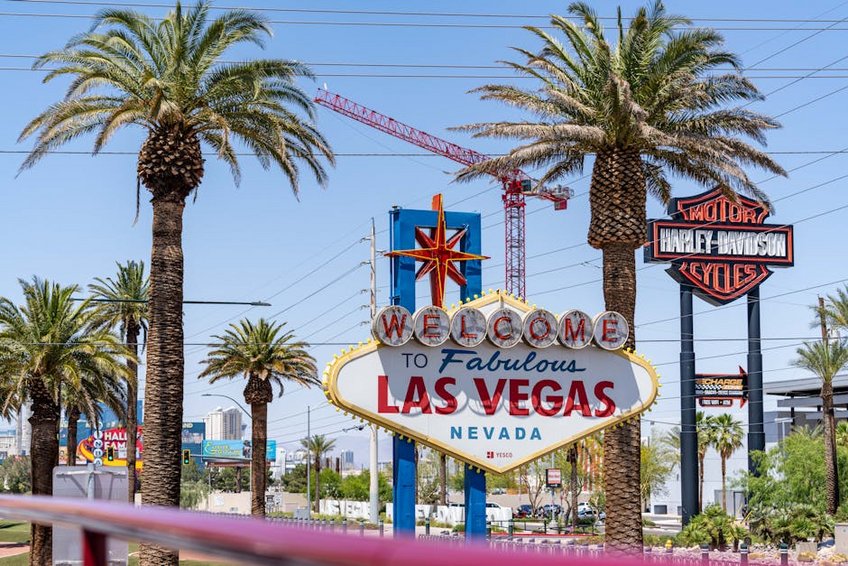
For a quirky photo op and a break from the casinos, visit the “Welcome to Fabulous Las Vegas” sign early in the morning to avoid long lines. The Neon Museum’s guided night tours, set in a breathtaking outdoor “boneyard” of historic signs, offer a profoundly different and artistic perspective on the city’s history. Reservations are essential.
World-Class Entertainment and Shows
Las Vegas showrooms host everything from Broadway productions to exclusive resident spectacles. Cirque du Soleil alone has six distinct permanent shows; “O” at Bellagio (aquatic) and “Mystère” at TI (classic Cirque) are standout favorites. For magic, David Copperfield at MGM Grand remains a benchmark, while Penn & Teller at the Rio offer a more comedic twist.
Check Tix4Tonight booths on the Strip for same-day discounted tickets to many shows, though availability for top-tier productions is limited. Alternatively, visit official show websites directly for advance purchases, often with better seat selection. Remember, cocktail service during shows is expensive; consider having a drink beforehand.
Practical Travel Information
Navigating Las Vegas is straightforward with a little preparation. The Deuce double-decker bus runs 24/7 along the Strip and to downtown, while the Las Vegas Monorail connects stations behind the east side of the Strip from the MGM Grand to the Sahara. Both offer multi-day passes for unlimited travel.
Rideshare (Uber/Lyft) pick-up zones are clearly marked at every major resort, though wait times and surge pricing are common on weekend nights. Renting a car is only recommended if you plan significant day trips outside the city; otherwise, you’ll pay steep daily resort parking fees, which many hotels now charge.
| Category | Options/Features | Price Range (USD) |
|---|---|---|
| Strip Hotel (Mid-Week) | Mid-tier resort (Flamingo, Harrah’s), central location, basic pool, casino access | $70-$150/night + Resort Fee |
| Strip Hotel (Weekend) | Same mid-tier resort, higher demand, vibrant atmosphere, longer check-in lines | $150-$300/night + Resort Fee |
| Off-Strip/Airport Hotel | Practical for short stays, often free parking, requires transportation to attractions | $50-$120/night |
| Downtown/Fremont Street | Historic casinos (The D, Golden Nugget), cheaper gambling, frenetic pedestrian mall | $60-$180/night |