Kyoto Travel Guide: Experience Japan’s Timeless Cultural Heart
Planning a trip to Japan’s ancient capital requires navigating a unique blend of historic preservation and modern convenience. This Kyoto travel guide focuses on practical strategies for exploring over 1,600 temples, mastering local etiquette, and scheduling visits around seasonal peaks like cherry blossoms. You’ll discover how to balance iconic sights with serene neighborhood walks, where to find authentic cuisine, and how to move efficiently using the city’s transport network.
Essential Kyoto Information
Kyoto served as Japan’s imperial capital for over a millennium, from 794 to 1868, which explains its unparalleled concentration of cultural treasures. This history is visible in the 17 UNESCO World Heritage sites scattered across the city’s wards, from the golden pavilion of Kinkaku-ji to the sprawling Fushimi Inari Shrine. The city’s layout follows a traditional grid pattern established during the Heian period, making navigation surprisingly intuitive despite its size.
Unlike many modern Japanese cities, Kyoto maintains strict building height restrictions to preserve its historic skyline. This creates a unique urban experience where narrow machiya townhouses sit alongside contemporary shops. Understanding the city’s geography is crucial, as major attractions cluster in specific districts like Higashiyama, Arashiyama, and Central Kyoto, each with its own character.
Understanding Kyoto’s Layout
The city’s districts each offer distinct experiences for visitors.
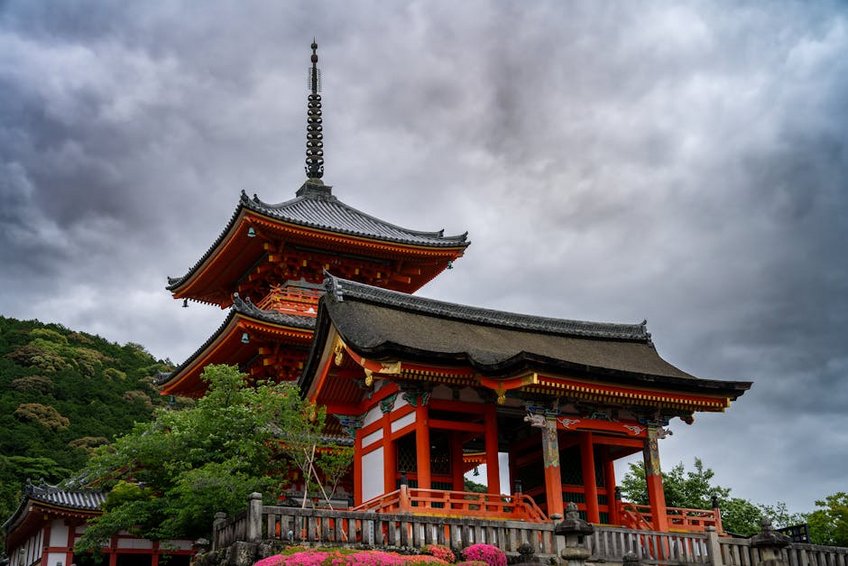
- Higashiyama (Eastern Mountains): Home to historic Gion district, Kiyomizu-dera Temple, and traditional tea houses; best explored on foot along the preserved Ninenzaka and Sannenzaka stone paths.
- Arashiyama (Western Mountains): Famous for its bamboo grove, Togetsukyo Bridge, and monkey park; requires a train ride from downtown but delivers a more natural, spacious atmosphere.
- Central Kyoto: Contains Nijo Castle, Nishiki Market, and the modern shopping areas around Kawaramachi and Shijo-dori; offers convenient hotel bases and excellent dining options.
- Budget Traveler ($70-100/day): Capsule hotels or hostels ($30-50), convenience store meals and street food ($20), bus/subway passes ($10), temple entries ($10). Prioritize free attractions like Fushimi Inari and Philosopher’s Path.
- Mid-Range Traveler ($150-250/day): Business hotels or ryokan inns ($100-150), restaurant lunches and nice dinners ($50), unlimited transit passes ($15), guided tours or cultural workshops ($30). This tier offers the best value for comfort and experience.
- Luxury Traveler ($400+/day): Premium hotels like the Ritz-Carlton or Hoshinoya ($300+), multi-course kaiseki dinners ($100+), private guide services ($150), exclusive temple access or cultural activities. Includes maximum convenience and unique experiences.
- Kyoto City Official Travel Guide
- Japan Guide: Kyoto Travel Information
Seasonal Considerations
Kyoto’s climate features four distinct seasons, each dramatically affecting the travel experience. Spring (March-May) brings the famous sakura cherry blossoms, with peak viewing typically in early April, accompanied by pleasant temperatures between 50-70°F (10-21°C). This is the city’s busiest period, requiring bookings six to twelve months in advance for premium accommodations.
Autumn (October-November) showcases brilliant koyo maple foliage, with peak colors arriving in mid-to-late November across temple gardens. Summer (June-September) brings high humidity and temperatures reaching 90°F (32°C), though this season offers fewer crowds. Winter (December-February) sees occasional light snow and temperatures between 30-50°F (-1 to 10°C), creating starkly beautiful temple scenes with minimal visitors.
Key Facts at a Glance
The city operates on Japan Standard Time (UTC+9) and uses the Japanese Yen (JPY) as currency. While Kyoto has its own airport (UKO), most international travelers arrive via Kansai International Airport (KIX) or Osaka’s Itami Airport (ITM), followed by a 60-90 minute train ride. The primary local transport networks include two subway lines, an extensive bus system, and several private railway companies connecting to surrounding areas.
Electricity runs on 100V, Type A plugs (two flat pins), requiring most American travelers to bring only a simple plug adapter. Tipping is not practiced in Japan, and credit cards are widely accepted in hotels and department stores, though many smaller restaurants and temples still operate on a cash-only basis.
Alt: “kyoto-gion-district-traditional-machiya-houses-lanterns”
Kyoto Travel Guide – Planning Your Trip
Effective planning transforms a visit to Japan’s cultural capital from overwhelming to seamless. This Kyoto travel guide recommends allocating at least four full days to experience the major districts without constant rushing. Successful itineraries balance morning temple visits with afternoon cultural activities like tea ceremonies, leaving evenings for kaiseki dinners and scenic strolls through illuminated historic areas.
Purchase an ICOCA or Suica rechargeable transit card immediately upon arrival for effortless travel on buses, subways, and trains. Budget approximately $100-150 USD per person daily for mid-range travel covering comfortable lodging, local transport, temple entry fees, and quality meals. Always carry both cash and cards, as payment preferences vary significantly between establishments.
Best Time to Visit Kyoto
Visit between late March and early April for cherry blossoms or mid-November for autumn foliage, though these periods demand extreme advance planning. Shoulder seasons like May and October offer pleasant weather with fewer visitors, making them excellent alternatives. Temperatures range from 60-75°F (15-24°C) during these months, ideal for extensive walking.
The humid summer months see increased rainfall but also vibrant festivals like Gion Matsuri in July. Winter provides the most intimate temple experiences with potential snowy landscapes, though some gardens may appear dormant. For first-time visitors, late autumn typically delivers the most reliable combination of good weather, manageable crowds, and scenic beauty.
Budget Planning and Costs
Daily costs vary dramatically based on accommodation style and dining preferences.
Essential Preparation Checklist
Secure accommodations 4-6 months ahead for peak seasons, 2-3 months for shoulder periods. U.S. citizens visiting for tourism under 90 days do not need a visa, but passports must be valid for the entire stay. Purchase comprehensive travel insurance covering medical evacuation, as Japan’s healthcare system requires upfront payment from foreign visitors.
Pack comfortable walking shoes with good grip for temple stone paths, layered clothing for variable temperatures, and a portable Wi-Fi device or SIM card for navigation. Download offline maps and translation apps like Google Translate, and familiarize yourself with basic Japanese phrases for greetings and gratitude. Reserve popular restaurants and certain temple experiences online before departure.
Top Attractions and Cultural Activities
Kyoto’s wealth of historic sites can feel infinite, but strategic selection ensures you experience the full spectrum of Japanese culture. Concentrate on one geographic area per day to minimize transit time and immerse yourself in each district’s unique atmosphere. Morning arrivals before 9 AM help avoid the largest tour groups at major temples, especially at sites like Kinkaku-ji and Kiyomizu-dera.
Balance visually stunning “must-see” locations with quieter, contemplative spaces for a more authentic experience. Many temples offer different charms throughout the day—Fushimi Inari’s torii gates feel mystical early morning or after dusk, while Arashiyama’s bamboo grove benefits from afternoon light filtering through the stalks. Always check for special night illuminations during seasonal periods.
Must-See Historic Temples
Kinkaku-ji (Golden Pavilion) astonishes with its gold-leaf coating reflecting in a mirror pond, best visited on clear mornings. Entry costs 400 JPY ($2.70 USD) with no reservations needed. Kiyomizu-dera’s wooden stage offers panoramic city views, particularly stunning during cherry blossom and autumn color seasons, with admission at 400 JPY.
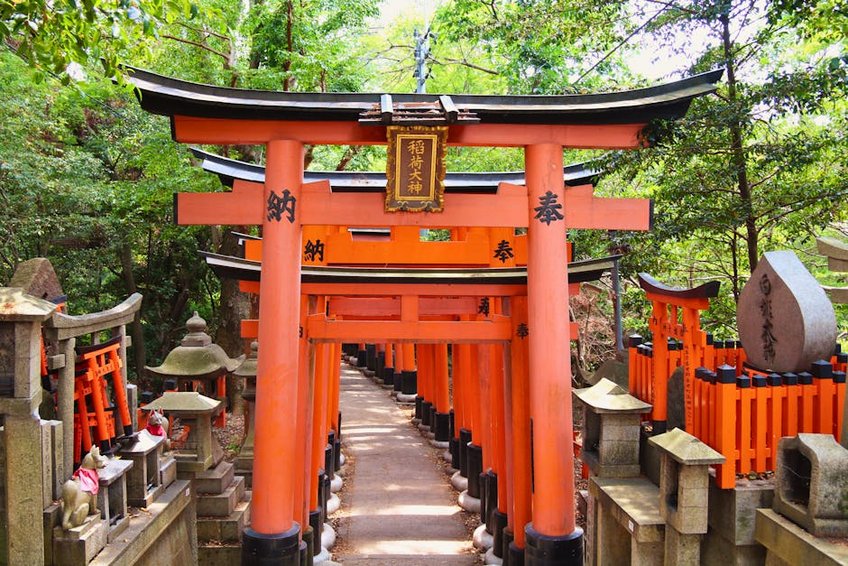
Fushimi Inari Shrine features thousands of vibrant red torii gates forming pathways up the sacred Mount Inari. Visit at dawn or late evening to experience the paths with minimal crowds; the shrine is free and always open. Ryoan-ji Temple presents Japan’s most famous karesansui (dry landscape) rock garden, encouraging meditation through its 15 carefully placed stones visible from only one vantage point.
Hidden Gems and Local Favorites
Explore the lesser-known northern district of Ohara for rural temple settings like Sanzen-in amidst moss gardens and quiet forest paths. Reach it via a 30-minute bus ride from central Kyoto. The Sento Imperial Palace gardens require free advance registration through the Imperial Household Agency but offer meticulously maintained landscapes without the crowds of more famous sites.
Discover the sake breweries along the Fushimi district’s canals, where many offer tastings and tours for 500-1000 JPY ($3.50-7 USD). The Philosopher’s Path extending beyond the crowded cherry blossom section leads to smaller temples like Honen-in and Anraku-ji, where you can often enjoy gardens in relative solitude. Local residents favor these tranquil spaces over the heavily promoted primary attractions.
Traditional Cultural Experiences
Participate in a tea ceremony at Camellia Garden in central Kyoto, where English-speaking instructors explain the ritual’s significance during a 45-minute session for 2,000 JPY ($14 USD). Try on a kimono for a day through rental services like Yumeyakata, which provide full dressing assistance and hair styling for approximately 5,000-8,000 JPY ($35-55 USD), perfect for photos in historic districts.
Attend a geisha performance at Gion Corner, which offers condensed showcases of traditional arts including kyomai dance and koto music seven evenings weekly. For deeper immersion, book a kaiseki dinner at a ryotei in the Pontocho district, where multi-course seasonal cuisine becomes an art form. Many mid-range hotels can assist with reservations for these authentic experiences.
Practical Travel Information and Logistics
Kyoto’s transportation network efficiently connects all major districts, though it requires understanding several different systems. The city’s two subway lines (Karasuma and Tozai) work best for north-south and east-west travel through the center, while buses reach areas like Arashiyama and Ohara. Purchase a one-day bus pass (700 JPY / $4.70 USD) or combined bus-subway pass (1,100 JPY / $7.40 USD) from station offices or your hotel.
For day trips, Japan Railways (JR) lines connect to Nara, Osaka, and Himeji from Kyoto Station. The private Keihan and Hankyu railways offer alternative routes to Osaka with different terminal stations. Taxis are plentiful but expensive, with starting fares around 500 JPY ($3.40 USD) for the first kilometer; useful for groups or when carrying luggage short distances.
| Accommodation Type | Features & Best Locations | Price Range (USD/night) |
|---|---|---|
| Business Hotel | Compact, efficient rooms near stations; free breakfast sometimes included. Best in Karasuma/Shijo area. | $80 – $150 |
| Traditional Ryokan | Tatami floors, futon beds, kaiseki dinner, onsen baths. Higashiyama and Arashiyama offer most authentic settings. | $200 – $500+ |
| Modern Luxury Hotel | Western amenities, multiple restaurants, concierge services. Concentrated along the Kamo River downtown. | $300 – $800 |
| Machiya Townhouse Rental | Historic wooden house, kitchen facilities, residential neighborhood experience. Northern Higashiyama ideal. | $150 – $350 |