Johannesburg Travel Guide: Discover South Africa’s Golden City
Johannesburg, often called Joburg or Jozi, is South Africa’s largest city and a vibrant hub of culture, history, and commerce. This Johannesburg travel guide will help you navigate its dynamic energy, from the poignant lessons of the Apartheid Museum to the trendy eateries of Maboneng. The city serves as the primary gateway for exploring the nation and offers a deeply layered experience that challenges and rewards the curious traveler.
Essential Johannesburg Information
Founded in 1886 following the discovery of gold, Johannesburg’s rapid growth shaped its sprawling layout. Unlike many global capitals, it’s not situated on a major river or coastline. Instead, its identity is forged from mining wealth, profound social change, and resilient urban spirit.
The city rests on the Highveld plateau at an altitude of about 1,753 meters (5,751 feet). This elevation contributes to its pleasant, sunny climate, though afternoon thunderstorms are common in summer. Understanding its history as the epicenter of the struggle against apartheid is crucial to appreciating its modern complexity.
English is widely spoken alongside many other official languages like isiZulu and Sesotho. The local currency is the South African Rand (ZAR), offering favorable exchange rates for USD and EUR. While often a starting point for safaris, the city itself demands at least two to three days of exploration.
Key Facts at a Glance
Before you visit, here are some fundamental details to frame your trip.
- Timezone: South Africa Standard Time (SAST), UTC+2. It does not observe daylight saving time, making it 7 hours ahead of EST in winter and 6 hours ahead in summer.
- Best Airport: O.R. Tambo International Airport (JNB) is Africa’s busiest airport and your likely entry point, located about 25 km (16 miles) east of the city center.
- Safety: Exercise standard urban vigilance. Stick to well-trafficked, recommended areas, use trusted transportation like Uber or pre-booked drivers, and avoid displaying valuables unnecessarily.
- Budget Traveler ($40-70/day): Stay in backpacker lodges in Maboneng, use the Gautrain and Uber for transport, eat street food like bunny chow, and join free walking tours. Museum entry fees are modest, around $5-10 each.
- Mid-Range Traveler ($100-200/day): Book a boutique hotel or Airbnb in Rosebank or Melville. Enjoy meals at excellent mid-priced restaurants, use Uber exclusively, and join guided half-day tours to Soweto or the Apartheid Museum ($30-50 per person).
- Luxury Traveler ($300+/day): Stay at five-star hotels in Sandton like The Saxon or Four Seasons. Dine at award-winning restaurants, hire a private guide and vehicle for customized sightseeing, and experience high-end safari shops and art galleries.
- City of Johannesburg Official Website
- South African Tourism Official Board
Understanding the City Layout
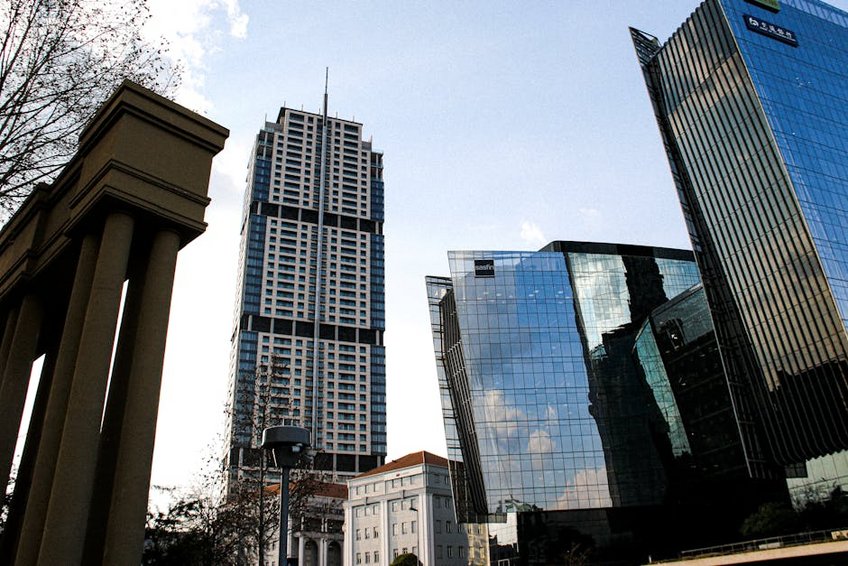
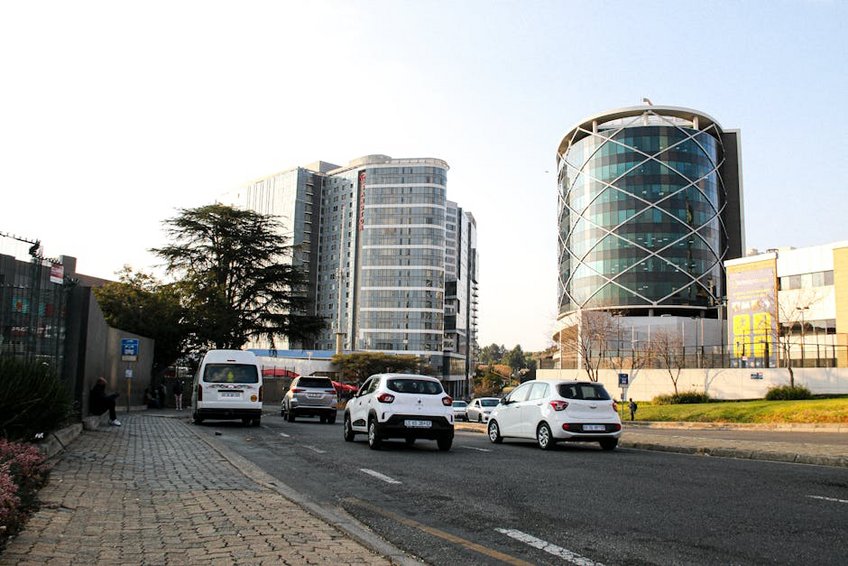
Joburg is not a centralized tourist city. Instead, it’s a collection of diverse neighborhoods, or ‘suburbs,’ each with its own character. Northern suburbs like Sandton and Rosebank are modern financial and shopping districts, home to upscale malls and hotels.
The city center has experienced significant urban regeneration. Areas like Maboneng Precinct and Braamfontein are now thriving with arts, culture, and dining, though some parts of downtown remain less advisable for tourists. Always research your specific destination and arrange safe transit.
The Cultural and Historical Context
Your visit is deeply intertwined with 20th-century South African history. The Apartheid Museum is an essential, sobering first stop to understand the system of racial segregation that ended in 1994. Nearby, Constitution Hill stands on the site of a former prison, symbolizing the transition to democracy.
South of the city, Soweto (South Western Townships) is a must-visit. This iconic area was central to the anti-apartheid movement. You can visit Vilakazi Street, the only street in the world home to two Nobel Prize winners: Nelson Mandela and Desmond Tutu.
Alt: “apartheid-museum-johannesburg-exterior-architecture-reflection-pools”
Johannesburg Travel Guide – Planning Your Trip
Success in Johannesburg hinges on thoughtful planning due to its vast size and specific safety considerations. This Johannesburg travel guide recommends focusing your stay in a couple of key, accessible neighborhoods rather than trying to see everything. Pre-booking tours, especially for historical sites and township visits, is highly advisable for a seamless experience.
Your budget will stretch further here than in many Western capitals. However, costs vary widely between local markets and upscale establishments in northern suburbs. Allocate time for both to get a balanced perspective of the city’s economic diversity and cultural offerings.
Best Time to Visit Johannesburg
The ideal time for a Johannesburg visit is during the southern hemisphere’s spring (September to November) and autumn (March to May). Daytime temperatures range from a pleasant 20°C to 28°C (68°F to 82°F) with less rainfall. These seasons offer sunny days perfect for outdoor exploration.
Summer (December to February) brings warm days averaging 26°C to 30°C (79°F to 86°F) but includes frequent, intense afternoon thunderstorms. Winter (June to August) features dry, sunny days with crisp temperatures between 10°C and 20°C (50°F to 68°F), but nights can drop near freezing.
Budget Planning and Costs
Daily costs can be tailored to various budgets while maintaining comfort and safety.
Essential Preparation Checklist
Pack for variable weather: layers, a light jacket, sun protection, and comfortable walking shoes. A universal power adapter (Type M, 230V) is essential. For electronics, consider a portable power bank for long days of exploration and photography.
Ensure your passport has two blank pages and is valid for 30 days beyond your departure. Many nationalities, including US and EU citizens, do not need a visa for tourist stays under 90 days. Purchase comprehensive travel insurance that includes medical evacuation. Arrange airport transfers in advance for peace of mind.
Top Attractions and Immersive Experiences
Joburg’s attractions are more experiential than scenic. They engage with history, culture, and contemporary urban life. The city’s gold mining past is visible at Gold Reef City, a theme park built on a former mine where you can descend a shaft. For art, the Johannesburg Art Gallery and numerous private galleries showcase powerful African works.
Neighborhood exploration is key. The Maboneng Precinct is a regenerated warehouse district now filled with cafes, galleries, and studios. Braamfontein, near the university, buzzes with student energy, weekend markets, and innovative restaurants. Each area tells a different part of the city’s ongoing story.
Must-See Historical and Cultural Highlights
The Apartheid Museum is the non-negotiable starting point. Allocate at least three hours for its powerful, self-guided exhibits. A 20-minute drive away, Constitution Hill offers guided tours of the Old Fort prison complex, providing tangible insight into the country’s journey to freedom.
A guided tour of Soweto is highly recommended. Responsible operators provide context and access to landmarks like the Hector Pieterson Memorial, Mandela House museum, and vibrant local shebeens (pubs). The Orlando Towers offer bungee jumping and climbing for thrill-seekers. These sites form the core historical understanding of the region.
Hidden Gems and Local Favorites
For a unique perspective, visit the James Hall Museum of Transport, the largest of its kind in Africa. It’s free and showcases everything from vintage cars to horse-drawn carts. The SAB World of Beer offers a fun, interactive tour through the history of brewing, ending with tastings.
Explore the “Parkhurst Strip” on 4th Avenue for boutique shopping and alfresco dining in a relaxed, leafy suburb. On weekends, the Neighbourgoods Market in Braamfontein or the Market on Main in Maboneng are social hubs with fantastic food stalls, crafts, and live music, beloved by locals.
Arts and Urban Regeneration
The city’s art scene is explosive. Visit Arts on Main in Maboneng to see artists’ studios. The Wits Art Museum and the Goodman Gallery present cutting-edge contemporary African art. For street art, take a guided walking tour through Newtown or Braamfontein to see large-scale murals that comment on social issues.
The South African market is a treasure trove for unique souvenirs. Look for intricately beaded wire sculptures, Shweshwe fabric, and Zulu pottery. Purchase these from dedicated craft markets like the Rosebank Sunday Market or the African Craft Market at the Sandton City shopping center to support local artisans directly.
Practical Travel Information: Logistics and Accommodation
Navigating Johannesburg requires a plan. While the Gautrain rapid rail system efficiently connects the airport to Sandton and Rosebank, most exploration within the city’s neighborhoods is best done via ride-hailing apps. Uber operates reliably and safely. Renting a car is an option for confident drivers familiar with navigating major cities.
Accommodation choices define your experience. Secure suburbs like Sandton, Rosebank, Melville, and Parkhurst offer a range of options with good access to dining and transport. Many travelers choose a hotel with easy Gautrain access for day trips to Pretoria or seamless airport transfers.
| Accommodation Area | Best For | Price Range Per Night (USD) |
|---|---|---|
| Sandton | Luxury stays, business travel, shopping, Gautrain access | $150 – $400+ |
| Rosebank | Mid-range hotels, art galleries, Sunday market, Gautrain access | $100 – $250 |
| Melville / Parkhurst | Boutique B&Bs, restaurant & cafe scenes, local vibe | $80 – $180 |
| Maboneng Precinct | Artsy apartments, youthful energy, urban regeneration experience | $60 – $150 |