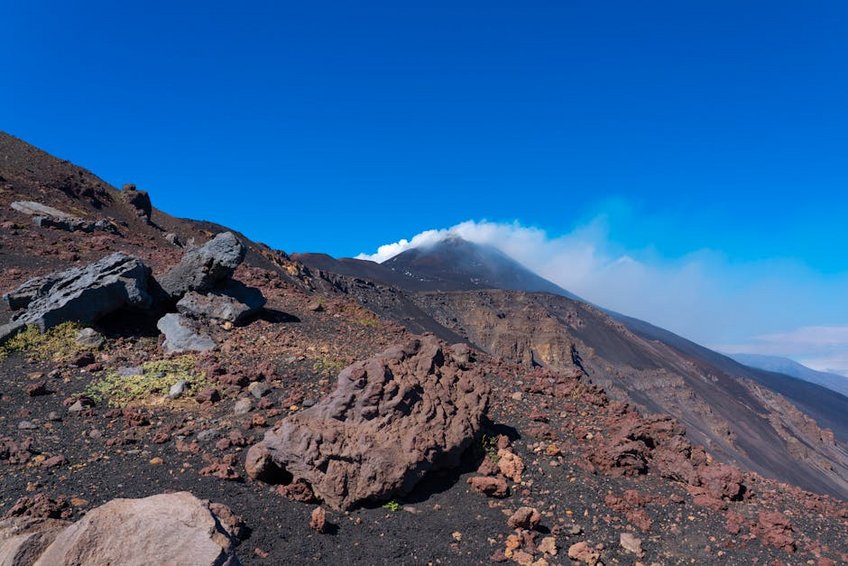
Italy Sicily Mount Etna: Your Volcanic Adventure Awaits
Italy Sicily Mount Etna offers an unparalleled volcanic experience with Europe’s most active volcano towering over eastern Sicily’s landscape. This destination combines dramatic crater hikes, ancient lava flows, and panoramic views across the Mediterranean Sea from elevations reaching 3,357 meters (11,014 feet). Your guide covers essential planning details, safety protocols for volcanic activity, and immersive cultural experiences in surrounding Sicilian villages.
Essential Volcano Information
Mount Etna dominates Sicily’s eastern coast as one of the world’s most monitored volcanoes with recorded activity dating back to 1500 BC. The volcano’s complex structure features four main craters and hundreds of minor cones across its 1,190 square kilometer (459 square mile) protected park area. UNESCO designated Mount Etna a World Heritage Site in 2013 recognizing its scientific importance and exceptional natural phenomena.
Volcanic activity occurs frequently with Strombolian explosions, lava fountains, and occasional lava flows that rarely threaten populated areas thanks to advanced monitoring systems. The volcano’s elevation creates multiple climate zones from Mediterranean scrub at lower slopes to snow-covered peaks during winter months. Etna’s fertile volcanic soils support extensive vineyards and orchards producing renowned Sicilian wines and agricultural products.
Key Geological Facts
Understanding Etna’s formation helps appreciate its dynamic nature.
- Mount Etna stands 3,357 meters (11,014 feet) tall but varies with eruptive activity, featuring over 300 lateral craters alongside the central summit craters.
- The volcano emits constant gas plumes and experiences frequent explosive episodes that create spectacular night viewing opportunities from safe distances.
- Etna’s lava composition differs from typical Mediterranean volcanoes with trachybasalt characteristics that produce both explosive and effusive eruptions.
- Budget travelers spend $50-100 daily staying in Catania hostels, using public transportation, and joining group tours that access lower elevations without guide fees for basic crater areas.
- Mid-range visitors allocate $150-300 per day for hotels near Rifugio Sapienza, small-group guided hikes to summit craters, and rental car flexibility for exploring multiple volcanic sites.
- Luxury experiences cost $400-600 daily featuring private volcanologist guides, helicopter tours over active craters, and premium accommodations with direct Etna views from boutique winery resorts.
- Official Sicily Tourism Board
- National Institute of Geophysics and Volcanology
Historical Eruption Patterns
Etna’s eruption history demonstrates its relatively predictable behavior compared to other active volcanoes. Major 20th century eruptions occurred in 1928, 1949, 1971, 1991-1993, and 2001-2002 with most lava flows diverting away from populated centers. The 1991-1993 eruption produced the longest lava flow in Etna’s recorded history at 7.5 kilometers (4.7 miles) but caused minimal property damage.
Modern monitoring began intensively after the 2001 eruption when new fissures threatened the Sapienza Refuge area leading to improved evacuation protocols. Today, the INGV (National Institute of Geophysics and Volcanology) operates 24/7 surveillance with webcams, seismic networks, and gas emission measurements available publicly.
Volcano Safety Protocols
Visitor safety remains paramount with color-coded alert levels determining access restrictions across different zones. The INGV issues daily bulletins categorizing volcanic activity as green (normal), yellow (attention required), orange (pre-alert), or red (alarm) with corresponding guide requirements. All summit areas above 2,900 meters (9,514 feet) mandate certified alpine guides regardless of alert status due to sudden weather changes and gas hazards.
Basic safety equipment includes sturdy hiking boots with ankle support, multiple clothing layers for rapid temperature shifts, and emergency communication devices. Guided tours provide gas masks for high-sulfur areas and monitor real-time seismic activity to adjust routes accordingly during your volcanic exploration.
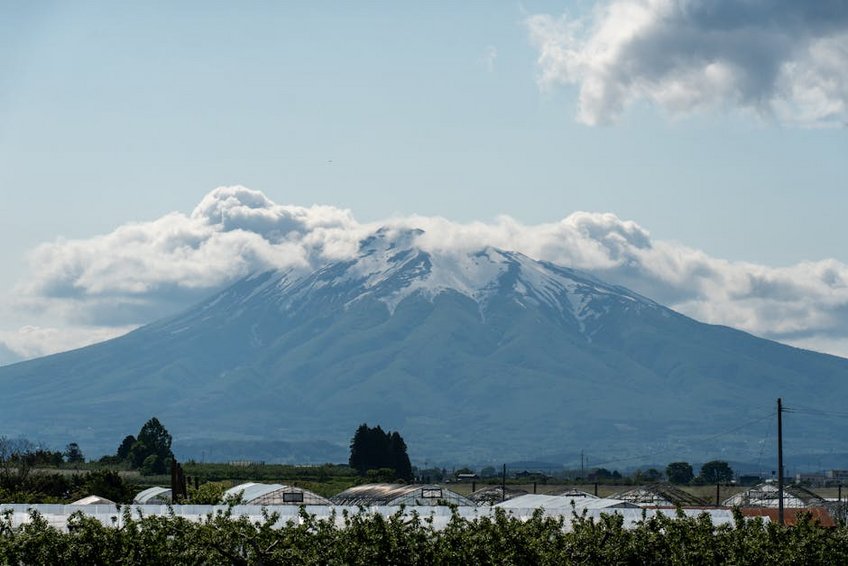
Alt: “mount-etna-summit-craters-volcanic-landscape-sicily”
Italy Sicily Mount Etna – Planning Your Trip
Planning your Italy Sicily Mount Etna adventure requires careful consideration of seasonal weather patterns, volcanic activity levels, and personal fitness capabilities for high-altitude hiking. The volcano’s accessibility varies dramatically between summer and winter months with cable car operations, refuge availability, and trail conditions changing frequently. Budget between $800-$2,500 per person for a comprehensive 3-5 day Etna experience including guided tours, accommodations, and transportation.
Volcanic tourism peaks between May and September when all summit areas become accessible and weather conditions remain most predictable for photography and hiking. Shoulder seasons in April and October offer smaller crowds and lower prices but require flexibility for sudden route closures due to weather or increased volcanic activity. Winter visits from November to March provide unique snow-covered landscapes but limit access to higher elevations without specialized equipment and guides.
Advanced booking proves essential for popular guided tours and refuge accommodations during peak seasons with most operators requiring reservations 2-3 months in advance. Consider travel insurance covering volcanic activity disruptions since Etna’s unpredictable nature can alter itineraries with little notice from authorities.
Best Time to Visit Mount Etna
Visit between June and August for optimal conditions with average temperatures ranging from 15-25°C (59-77°F) at summit areas and minimal precipitation. These summer months provide reliable cable car operation to 2,500 meters (8,202 feet) and guided tour availability to all four main craters without snow obstacles. July and August attract the largest crowds requiring earlier arrival times for parking and tour departures from Rifugio Sapienza.
Shoulder seasons in May and September offer pleasant hiking conditions with temperatures between 10-20°C (50-68°F) and significantly fewer visitors at popular viewpoints. Winter months from December to February transform the landscape with snow coverage down to 1,500 meters (4,921 feet) creating opportunities for skiing and snowshoeing with specialized equipment rentals available.
Budget Planning and Costs
Your Etna adventure cost varies based on accommodation style, tour inclusions, and transportation choices.
Essential Preparation Checklist
Proper preparation ensures safety and enjoyment during your volcanic exploration across changing altitudes and weather conditions. Pack waterproof hiking boots with Vibram soles for traction on sharp lava rock, multiple moisture-wicking layers, and wind-resistant outer shells for summit conditions. Essential gear includes headlamps for early morning ascents, portable power banks for navigation devices, and UV protection sunglasses for snow reflection at higher elevations.
Documentation requirements include EU passport validity for US travelers (90-day Schengen area), international driving permits for rental cars, and comprehensive travel insurance covering volcanic activity disruptions. Book guided tours 4-6 weeks in advance through certified operators like Etna Guided Tours or Funivia dell’Etna for guaranteed access to restricted summit areas above 2,900 meters.
Top Attractions and Activities
Mount Etna’s diverse landscape offers experiences ranging from gentle nature walks through ancient lava fields to challenging ascents to active crater rims with panoramic Mediterranean views. The Silvestri Craters at 2,000 meters (6,562 feet) provide easily accessible volcanic formations with marked trails suitable for all fitness levels and independent exploration. More adventurous visitors can trek to the summit craters with certified guides witnessing active fumaroles, recent lava flows, and potentially minor explosive activity.
The Alpine Botanical Garden at 1,750 meters (5,741 feet) showcases Etna’s unique flora with endemic species adapted to volcanic soils and high-altitude conditions. Nearby lava caves like Grotta del Gelo feature permanent ice formations despite external temperatures offering fascinating geological insights during guided explorations. Evening excursions focus on volcanic photography with specialized tours timing visits for optimal lighting conditions during sunset and possible night lava glow observations.
Must-See Highlights
The Summit Craters represent Etna’s most dynamic area with the Voragine, Bocca Nuova, Northeast Crater, and Southeast Crater constantly evolving through eruptive cycles. Guided tours depart from Rifugio Sapienza reaching these craters via cable car and 4×4 vehicles with approximately 2 hours of hiking across rugged terrain at high altitude. Access costs $80-120 per person including mandatory guide fees and equipment rentals for gas masks in high-emission zones.
Valle del Bove presents a massive caldera stretching 5×8 kilometers (3×5 miles) with vertical walls revealing the volcano’s geological history through exposed stratigraphy. Viewpoints along the Schiena dell’Asino trail provide breathtaking perspectives into this depression formed by prehistoric flank collapses with minimal hiking effort required. Early morning visits avoid crowds and summer haze for optimal photography conditions capturing the scale of this natural amphitheater.
The Alcantara Gorges feature spectacular basaltic rock formations created by ancient lava flows meeting river waters with hiking trails and swimming opportunities during summer months. Located on Etna’s northern slopes, these geological parks charge $8-15 entrance fees with guided canyoning tours available for experienced adventurers seeking more challenging aquatic explorations.
Hidden Gems and Local Favorites
Pista Altomontana offers a 42-kilometer (26-mile) hiking circuit around Etna’s mid-slopes passing through birch forests, ancient lava flows, and traditional shepherd huts with minimal tourist traffic. This high-altitude trail requires 3-4 days to complete with refuge accommodations available at strategic intervals providing authentic mountain experiences away from crowded summit routes. Local guides recommend sections between Monte Spagnolo and Monte Nero for day hikes showcasing diverse volcanic landscapes.
The Cave di Pomice near Linguaglossa features unique pumice quarries with bright white landscapes contrasting dramatically against Etna’s dark lava flows creating extraordinary photographic opportunities. These abandoned mining areas remain accessible year-round without entrance fees though visitors should exercise caution around unstable edges and bring adequate sun protection due to reflective surfaces.
Adventure Sports and Activities
Winter months transform Etna’s northern slopes into Sicily’s primary skiing destination with two main resort areas operating between December and March. The Piano Provenzana area features 10 kilometers (6 miles) of ski runs with equipment rentals available onsite and ski passes costing $35-50 daily depending on operating lifts. Summer alternatives include mountain biking along designated volcanic trails with rental shops in Nicolosi offering full-suspension bikes and guided downhill tours.
Paragliding launches from several authorized sites on Etna’s western slopes provide breathtaking aerial perspectives over volcanic cones and lava fields during stable weather conditions. Certified operators like Etna Fly offer tandem flights from $150 including transportation from meeting points and all necessary safety equipment for this unforgettable volcanic aviation experience.
Practical Travel Information
Reaching Mount Etna typically involves flying into Catania Fontanarossa Airport (CTA) with direct connections from major European hubs and connecting flights from North America. From Catania, regular AST buses depart to Rifugio Sapienza on Etna’s southern side while rental cars provide flexibility for exploring multiple access points and surrounding villages. Accommodation options range from basic refuges near summit access points to luxury resorts in the Etna Wine Region with prices varying significantly by season and location.
Local transportation around Etna’s perimeter utilizes the Circumetnea Railway offering scenic journeys through lava landscapes and agricultural zones between Catania and Riposto. This narrow-gauge railway operates frequent services with day passes costing $15-20 providing access to multiple trailheads and volcanic sites without parking challenges at popular locations. Alternatively, guided tour operators include transportation from major hotels in Catania, Taormina, and Giardini Naxos simplifying logistics for visitors.
| Accommodation Type | Features and Locations | Price Range (USD) |
|---|---|---|
| Mountain Refuges | Basic lodging near cable car stations with shared facilities and restaurant services at 1,900-2,500 meters elevation | $60-120/night |
| Agriturismo Farms | Working vineyards and orchards on Etna’s slopes offering rooms, homemade meals, and wine tastings | $100-200/night |
| Boutique Hotels | Renovated historic buildings in Nicolosi and Linguaglossa with spa facilities and organized tours | $150-300/night |
| Luxury Resorts | Five-star properties in Taormina with Etna views, infinity pools, and private guide services | $400-800/night |