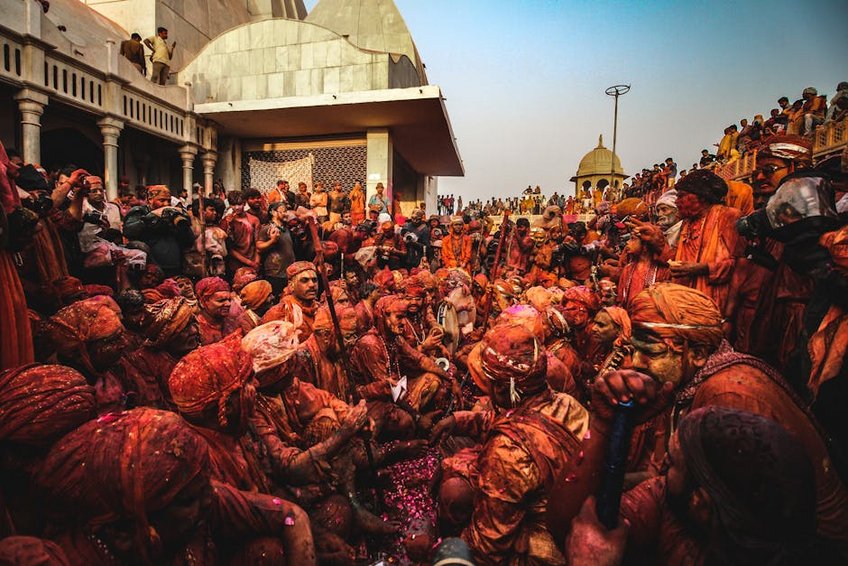
India Holi Color Festival Experience: A Vibrant Celebration of Spring
Participating in the India Holi Color Festival Experience immerses you in a joyous national celebration marking winter’s end. The event transforms cities and villages into kaleidoscopes of powdered pigment, accompanied by music, dance, and traditional sweets. This guide provides practical advice on navigating the festivities, from choosing the best locations to understanding the cultural significance behind the colors, ensuring you celebrate respectfully and safely.
Essential Holi Festival Information
The Holi festival, known globally as the festival of colors, is a Hindu spring celebration with ancient origins. It typically falls in March on the full moon day of the Phalguna month, corresponding with the end of winter. Celebrations span two days, starting with Holika Dahan, a ritual bonfire, followed by Rangwali Holi, the main day of color play.
Regional variations exist across India, with Mathura and Vrindavan hosting week-long religious events linked to Lord Krishna. Modern celebrations in cities like Delhi and Mumbai feature large public parties and music events. The festival’s core themes are the triumph of good over evil, social harmony, and the arrival of a fertile spring season.
History and Cultural Significance
Holi’s origins trace back to Hindu mythology, primarily the story of Prahlad and Holika. The ritual bonfire commemorates the burning of the demoness Holika and the survival of the devotee Prahlad. This symbolic victory represents the power of faith over persecution and is a key reason for the festival’s enduring popularity.
- The legend of Radha and Krishna explains the use of colors, as the deity Krishna playfully applied color to Radha, a tradition now central to the celebration.
- Historically, natural colors from turmeric, sandalwood, and flower extracts were used, though synthetic options are common today, raising environmental and skin safety concerns.
- The festival also serves as a social equalizer, allowing for the temporary suspension of caste, class, and gender barriers during communal celebrations.
- Budget travelers can manage on $40-$60 USD per day by staying in hostels, using public transport, and joining free public celebrations. Expect dorm beds to cost $15-$25 USD per night during the festival week in major cities.
- Mid-range visitors should budget $100-$150 USD per day for 3-star hotels, private car hires for day trips, and tickets to organized Holi parties. A guided tour focusing on the festival traditions in Mathura may cost $80-$120 USD for a full-day experience.
- Luxury experiences start at $300+ USD per day, covering 5-star heritage hotel stays, private guided tours of temple ceremonies, and chauffeur-driven transfers between events. High-end Holi parties at palace hotels in Rajasthan can cost $100-$200 USD per person for entry, food, and drinks.
- Incredible India – Official Tourism Website
- Lonely Planet Holi Festival Guide
When and Where Holi is Celebrated
Holi’s date changes annually based on the Hindu lunar calendar, occurring between late February and late March. In 2025, Holika Dahan falls on March 13th, with Rangwali Holi on March 14th. Mark your calendar for these dates, as flights and accommodations fill quickly, especially in popular destinations.
The epicenter of traditional celebrations is the Braj region of Uttar Pradesh, encompassing Mathura, Vrindavan, and Barsana. These locations host unique, temple-centered rituals like Lathmar Holi, where women playfully chase men with sticks. Urban celebrations in Delhi, Jaipur, and Udaipur offer a more curated, tourist-friendly version of the festival, often with organized events.
Key Festival Rituals
The first evening involves Holika Dahan, where communities gather around a pyre to perform prayers. The burning effigy symbolizes the destruction of evil, and people take embers home as a sign of good luck. This ritual fosters a sense of community and shared cultural heritage among participants.
The following morning begins with participants smearing colored powder (gulal) and spraying colored water (pichkaris) on friends and strangers alike. Traditional greetings, music from dhol drums, and sharing of sweets like gujiya and thandai complete the experience. The festivities typically wind down by early afternoon, allowing time to clean up and relax.
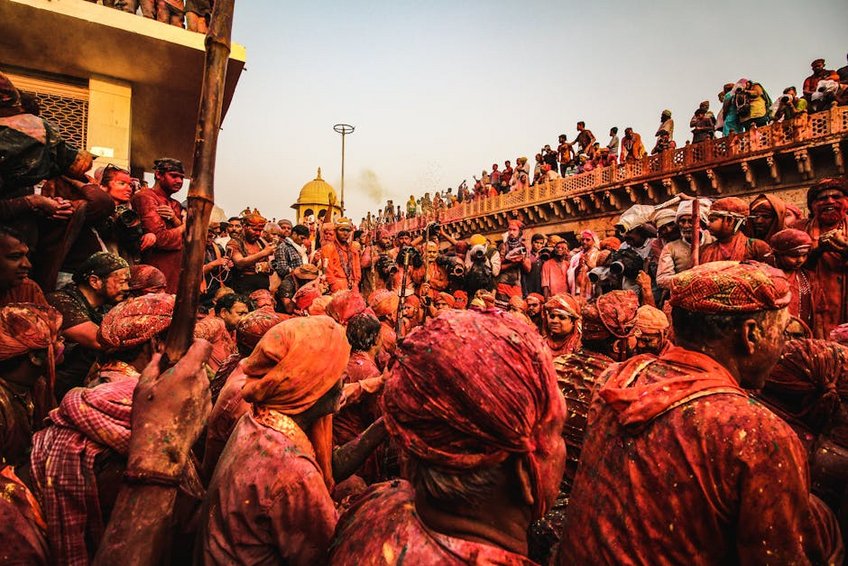
Alt: “holi-festival-crowd-vibrant-colors-mathura-india”
India Holi Color Festival Experience – Planning Your Trip
Organizing your India Holi Color Festival Experience requires careful consideration of location, safety, and logistics. Choose between traditional towns for authentic rituals or major cities for accessible, organized events. Book international flights at least four months in advance and domestic travel three months ahead, as this period coincides with high domestic travel season.
Your budget must account for premium pricing during this peak festival week. Secure hotel reservations with free cancellation policies due to potential itinerary changes. Purchase comprehensive travel insurance that covers festival-related activities and potential delays in crowded transportation hubs.
Best Time to Visit for Holi Celebrations
Plan your arrival two to three days before Holika Dahan to acclimate and participate in pre-festival events. The main color play occurs from late morning until early afternoon on Rangwali Holi. Weather is typically warm, with average temperatures ranging from 75°F to 90°F (24°C to 32°C) across northern India.
The week following Holi is ideal for extended travel, as crowds dissipate and the summer heat hasn’t yet peaked. Shoulder season in February offers pleasant weather for exploring other regions before the festival. Avoid arriving the day before Holi, as last-minute transport and lodging options are extremely limited and expensive.
Budget Planning and Costs
Costs vary significantly based on location and travel style. A mid-range budget provides the best balance of comfort and authentic experience.
Essential Preparation Checklist
Pack old, dark-colored cotton clothing you can discard after the festival, as colors may stain permanently. Wear full-length clothes to protect your skin from direct sun and colored powder. Apply a thick layer of coconut or mustard oil on your skin and hair before going out to make color removal easier.
Carry a waterproof case for your phone and camera, and use protective lens covers. Ensure your visa is secured well in advance; the Indian e-Visa for US citizens costs approximately $100 USD. Have a printed copy of your hotel address and local emergency contacts, including the tourist police number (1363 in many states).
Top Holi Celebrations and Activities
Choosing where to celebrate Holi significantly impacts your experience. The Braj region offers deep religious context, while metropolitan areas provide convenience and large-scale events. Smaller towns in Rajasthan deliver a picturesque backdrop of forts and palaces dusted with color. Your choice should align with your comfort with crowds and interest in cultural depth.
Organized Holi events at heritage properties are excellent for first-time visitors, offering a controlled environment with medical support and safe colors. These typically include traditional music, dance performances, and gourmet food. Independent travelers can join public celebrations in local neighborhoods, which are more spontaneous but require greater vigilance with personal belongings.
Must-See Festival Highlights
In Mathura, visit the Banke Bihari Temple for the iconic “Phoolon wali Holi” where only flowers are thrown. Arrive by 9 AM as the temple closes by noon. The Lathmar Holi in Barsana, where women chase men, occurs several days before the main festival and requires a separate day trip from Mathura.
Jaipur’s Elephant Festival, held a day before Holi at the Chaugan Stadium, features decorated elephants and cultural processions. Tickets cost $20-$40 USD. In Delhi, the Holi Cow Festival is a popular, ticketed music and color event with international DJs, priced between $30-$60 USD per person, appealing to younger crowds.
Hidden Gems and Local Favorites
For a quieter, community-focused celebration, visit Anandpur Sahib in Punjab, where Sikhs celebrate Hola Mohalla with martial arts displays. Udaipur’s Holi celebration at the City Palace includes a royal procession with the Maharana, offering a unique regal perspective. These events are less crowded than major tourist hubs.
Explore the small village of Kumaon in Uttarakhand for “Khadi Holi,” featuring traditional folk songs sung in gatherings over weeks. In Shantiniketan, West Bengal, Nobel laureate Rabindranath Tagore’s university hosts a cultural Holi with poetry and dance, reflecting a more intellectual celebration.
Photography and Cultural Tours
Book a dedicated Holi photography tour to access prime locations with guides who understand lighting and rituals. These tours often provide special lens cleaning kits and rain covers for equipment. Respect individuals’ privacy; always ask for permission before taking close-up portraits, especially of women and during religious ceremonies.
Several operators offer cultural immersion tours that include cooking classes for Holi sweets and workshops on making natural colors. These experiences typically last 2-3 hours and cost $25-$50 USD per person. They provide deeper insight into the festival’s traditions beyond the public color play.
Practical Travel Information for Holi
Transportation networks are severely strained during Holi. Domestic flights are most reliable but bookable only months in advance. Trains sell out quickly; use the IRCTC website or authorized agents immediately upon schedule release. Private car hires with drivers offer flexibility but confirm rates and itineraries in writing to avoid disputes.
Accommodation prices surge by 50-100% during the festival week. Properties in city centers fill first, so consider staying in suburban areas with metro access. Many hotels host their own Holi celebrations for guests, which can be a safe and enjoyable alternative to navigating large public crowds.
| Accommodation Type | Key Features for Holi | Price Range (USD) per Night |
|---|---|---|
| Heritage Hotels (Havelis/Palaces) | Private Holi events, cultural performances, secured premises, traditional decor. | $150 – $400+ |
| Boutique/Guesthouses | Personalized service, smaller group celebrations, advice on local events. | $70 – $150 |
| City Center Business Hotels | Easy access to public celebrations, reliable amenities, airport transfers. | $100 – $250 |
| Budget Hostels/Lodges | Social atmosphere, organized group outings, basic color-play facilities. | $15 – $50 |