How Many Days to Visit Florence for the Perfect Italian Getaway
Determining how many days to visit Florence is the crucial first step in planning your Italian adventure. This Renaissance city packs world-class art, stunning architecture, and incredible Tuscan cuisine into a remarkably walkable historic center. Your ideal duration balances seeing iconic masterpieces with discovering hidden courtyards and savoring long meals. This guide breaks down itinerary options from a whirlwind weekend to a full week, helping you match your time to your travel style and interests.
Essential Florence Travel Information
Florence, the capital of Italy’s Tuscany region, is a UNESCO World Heritage Site celebrated as the cradle of the Renaissance. The city’s compact centro storico (historic center) is where you’ll find most major attractions, all within a 30-minute walk of each other. Summer sees intense crowds and heat, while winter offers quieter museums but cooler, rainier weather.
The city operates on a typical Italian rhythm, with many shops closing for a midday riposo and dinner starting after 8 PM. Major sights like the Uffizi Gallery and Accademia require timed-entry tickets booked weeks in advance. Understanding this rhythm and planning ahead is key to a successful Florentine stay, regardless of its length.
Key Factors That Influence Your Visit Duration
Your needed time depends on several personal factors. Consider these before deciding on your trip length.
- Art & Museum Interest: Are you a major art enthusiast wanting hours in the Uffizi and Bargello, or do you prefer architecture and cityscapes? Deep art appreciation adds days.
- Travel Pace: Do you enjoy a packed schedule from morning to night, or a leisurely pace with long lunches and afternoon breaks? A relaxed pace requires more time.
- Day Trip Plans: Tuscany’s gems like Siena, Pisa, or the Chianti wine region are tempting. Each day trip consumes a full day from your Florence base.
- Culinary Depth: Simply eating is one thing; taking a cooking class, visiting a market with a guide, or doing a wine tasting adds fulfilling half-day experiences.
- Budget Traveler ($80-120/day): Stay in a hostel or budget hotel outside the center, enjoy street food (panini, pizza al taglio), picnic in gardens, visit free churches (like Santa Croce), and walk everywhere. Prioritize one paid museum with advance booking.
- Mid-Range Traveler ($150-250/day): Stay in a 3-star hotel or central Airbnb, eat at trattorias for lunch and dinner, take a guided walking tour, pre-book 2-3 major museums, and enjoy aperitivo cocktails. Consider the Firenze Card for convenience.
- Luxury Traveler ($350+/day): Stay at a 5-star hotel with a rooftop terrace view, dine at fine restaurants with wine pairings, book private guided tours of museums, take a private Chianti wine tour, and enjoy spa treatments. Secure the best timed entries for ultimate access.
- Official Florence Tourism Website
- The New York Times Travel Guide to Florence
Understanding Florence’s Layout and Logistics
Florence’s walkable center is a major advantage for shorter visits. You can see the Duomo facade, walk to Ponte Vecchio, and admire Piazza della Signoria all in one morning. This compactness makes two-day trips surprisingly viable. The main challenge is not distance, but queues and timed entries.
You must book key attractions online before your trip. The Firenze Card (85 EUR) offers priority access to many museums and can save hours of waiting. Public buses connect the center to hilltop views at Piazzale Michelangelo and the artisan Oltrarno district. Knowing this geography helps you build an efficient daily route.
Seasonal Crowds and Their Impact
Peak season (April-October) demands more strategic timing. Long lines can consume hours of a short trip, making advance reservations essential. Visiting in shoulder seasons (March, November) means shorter lines and more spontaneous flexibility. Winter offers the most intimacy with the city but some gardens and terraces may be closed.
Alt: “florence-duomo-cathedral-brunelleschi-dome-renaissance-architecture”
How Many Days to Visit Florence – Detailed Itinerary Breakdown
Choosing your Florence itinerary depends on what you want from the city. A two-day visit delivers the iconic highlights, while four days allows for deeper cultural immersion. A week-long stay lets you fully absorb the Renaissance atmosphere and explore the Tuscan countryside. Your decision should balance ambition with the pleasure of Italian dolce far niente.
For most travelers, the sweet spot is three to four days. This provides time for top museums, climbing the Duomo, exploring neighborhoods, and enjoying the food scene without feeling rushed. It also allows for one well-chosen day trip. Remember to build in time for simply wandering; Florence’s magic often appears in unexpected moments.
Best Time to Visit Florence
The ideal months for a Florence visit are April-May and September-October. During these periods, daytime temperatures range from a pleasant 65-75°F (18-24°C), and the tourist crowds, while present, are more manageable than in summer. The spring gardens are in bloom, and fall brings the grape harvest in nearby Chianti.
July and August see intense heat, with temperatures often exceeding 90°F (32°C), and the largest crowds. Many locals leave the city, and some smaller shops may close. Winter (December-February) is cold, 40-50°F (4-10°C), and damp, but museums are empty, hotel rates drop, and you’ll experience a more authentic local pace.
Budget Planning and Costs
Your daily budget varies significantly based on travel style. Florence can be experienced across a wide range of price points.
Essential Preparation Checklist
Book your timed-entry tickets for the Uffizi Gallery and Accademia (home to Michelangelo’s David) at least 4-6 weeks in advance, especially for peak season. Reserve your hotel in the centro storico or Oltrarno district for walkable access. Pack comfortable walking shoes with good soles for cobblestones and a lightweight scarf for covering shoulders in churches.
Learn a few basic Italian phrases (buongiorno, grazie, permesso). Notify your bank of travel plans and ensure you have a chip-enabled credit card (widely accepted) and some euros for small markets. Download an offline map of Florence and the Trenitalia app if planning day trips by train. Purchase travel insurance that covers medical emergencies and trip delays.
Top Attractions and Activities by Time Available
Florence’s treasures are immense, but you can tailor your sightseeing to your schedule. The must-see list includes the Duomo complex, the Uffizi Gallery, the Accademia, Ponte Vecchio, and Piazza della Signoria. Your approach to these sites changes dramatically if you have two days versus five. Prioritization is your most valuable tool.
Beyond the blockbusters, consider the city’s lesser-known gems. The Bardini Garden offers stunning views without the crowds of Piazzale Michelangelo. The Mercato Centrale’s upper floor is a fantastic food hall. The frescoes in the Brancacci Chapel are Renaissance masterpieces. Balancing famous and hidden Florence creates a richer experience.
Must-See Highlights for Any Itinerary
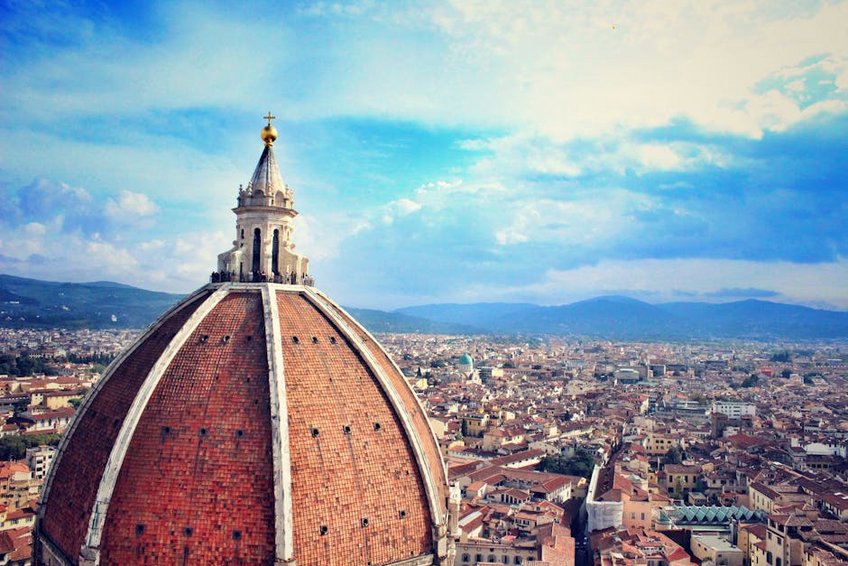
The Cathedral of Santa Maria del Fiore (the Duomo) dominates the skyline. Climbing Brunelleschi’s Dome (463 steps) rewards you with unparalleled city views, but requires a separate ticket and reservation. The adjacent Baptistery’s Gates of Paradise and Giotto’s Bell Tower are also part of the complex. Allocate 3-4 hours for a thorough visit.
The Uffizi Gallery houses Botticelli’s “Birth of Venus,” works by Leonardo da Vinci, and Caravaggio. Book the first entry of the day to see masterpieces in relative peace. The Accademia’s main draw is Michelangelo’s monumental “David,” but its hall of musical instruments is fascinating. Book these tickets immediately after confirming your travel dates.
Hidden Gems and Local Favorites
Cross the Arno to the Oltrarno district for a more local feel. Visit the Santo Spirito church with its serene Michelangelo crucifix and the lively square outside filled with cafes. The Officina Profumo-Farmaceutica di Santa Maria Novella is a stunning historic pharmacy selling perfumes and remedies since 1612.
For a quiet museum, seek out the Museo Stefano Bardini, filled with ancient artifacts in a beautiful space. Visit the leather school at the Santa Croce complex to see artisans at work. End a day with the sunset ritual at Piazzale Michelangelo, but for a drink with a view, continue up to the rose garden or the Abbey of San Miniato al Monte.
Culinary Experiences Not to Miss
Florentine cuisine is hearty and celebrated. You must try the iconic Bistecca alla Fiorentina, a T-bone steak grilled over charcoals, typically sold by weight. Ribollita is a hearty bread and vegetable soup. For a quick lunch, get a lampredotto sandwich (tripe) from a street cart or a fresh panino from All’Antico Vinaio.
Book a pasta-making or gelato-making class for a hands-on food experience. Visit the Mercato Centrale’s ground floor for fresh produce and the upstairs for a modern food court. Enjoy an aperitivo (pre-dinner drink with snacks) at a rooftop bar like La Terrazza at Hotel Continentale for a magical view of Ponte Vecchio.
Practical Travel Information for Florence
Navigating Florence is straightforward. Amerigo Vespucci Airport (FLR) is just 20 minutes from the city center by tram or taxi. The main train station, Santa Maria Novella (SMN), is a major hub with high-speed connections to Rome (1.5 hours), Milan (2 hours), and Venice (2 hours). Upon arrival, your feet will be your primary transportation within the historic center, which is largely ZTL (limited traffic zone).
Accommodation choices range from convents and hostels to luxurious historic palaces. Staying within the centro storico or just across the river in Oltrarno maximizes your walking access and allows for midday breaks. Booking well in advance is critical, particularly for spring and fall visits or if you desire a specific view or amenity.
| Accommodation Type | Best For / Key Features | Average Nightly Price (USD) |
|---|---|---|
| Budget Hostel | Solo travelers, social atmosphere, basic amenities, often includes breakfast | $25 – $50 |
| Mid-Range Hotel (3-Star) | Couples & small families, central location, elevator, air conditioning, daily cleaning | $120 – $220 |
| Boutique B&B | Authentic charm, personalized service, often in historic buildings, breakfast included | $150 – $300 |
| Luxury 5-Star Hotel | Splurge, rooftop pools/terraces, spa, concierge, prime views (Duomo or Arno) | $400 – $800+ |