Historic Tour in Mexico City: Explore Centuries of Stories
Mexico City offers a historic tour experience that spans ancient empires, colonial grandeur, and revolutionary change. Walking its streets, you transition from the vast Aztec ceremonial center of Templo Mayor to the opulent palaces of Spanish viceroys. This guide provides specific logistics and cultural insights to help you navigate the capital’s layered past efficiently and meaningfully.
Mexico City’s Historical Foundation
Built atop the Aztec capital of Tenochtitlan, Mexico City’s history is literally layered. The Spanish conquistadors, led by Hernán Cortés, defeated the Aztec Empire in 1521. They constructed their colonial capital directly over the ruins, using the stones from demolished temples to build churches and palaces.
This physical and cultural fusion defines the city’s unique character. You see it in the architecture, cuisine, and traditions. Understanding this foundational conflict and synthesis is key to appreciating every site you visit.
Key Historical Periods – What You Need to Know
Mexico City’s story is divided into distinct, influential eras.
- Pre-Hispanic (1325-1521): The Aztec Empire built Tenochtitlan on an island in Lake Texcoco. It featured intricate canal systems, towering pyramids, and a highly organized society before Spanish arrival.
- Viceroyalty (1521-1821): For 300 years, Mexico was “New Spain.” The colonial center, now the Zócalo, was filled with administrative buildings and ornate churches showcasing Spanish power and Catholic faith.
- 19th & 20th Century: After independence in 1821, the city became a battleground for reform, French intervention, and the Mexican Revolution. This period shaped its modern political and social identity.
- Budget (≈$50-75/day): Stay in hostels near Centro Histórico. Use metro and walk everywhere. Eat at mercado food stalls. Focus on free sights like the Zócalo and park murals. Many museums have free Sundays.
- Mid-Range (≈$100-150/day): Book a boutique hotel in Colonia Centro. Use guided walking tours for key areas. Enjoy sit-down meals at traditional fondas. Include entry fees for all major museums and the Turibus pass.
- Luxury (≈$250+/day): Stay at a five-star hotel in the Reforma area. Hire a private, scholar-led guide for customized tours. Dine at top restaurants in historic buildings. Include private car transport to Teotihuacán.
- Mexico City Official Tourism Site
- UNESCO: Historic Centre of Mexico City
- National Institute of Anthropology and History (INAH)
Understanding the Historic Center Layout
The Zócalo, or Plaza de la Constitución, is the absolute heart of the historic district. It’s one of the largest city squares in the world. All major historic routes radiate from this point.
North leads to Templo Mayor, east towards the Cathedral, and west into the maze of streets with colonial mansions. South takes you to markets and neighborhoods. Familiarizing yourself with this layout prevents disorientation.
Essential Context for Major Sites
The Metropolitan Cathedral took nearly 250 years to complete. Its construction used stones from the destroyed Aztec temple. You can see the resulting architectural blend of Gothic, Baroque, and Neoclassical styles.
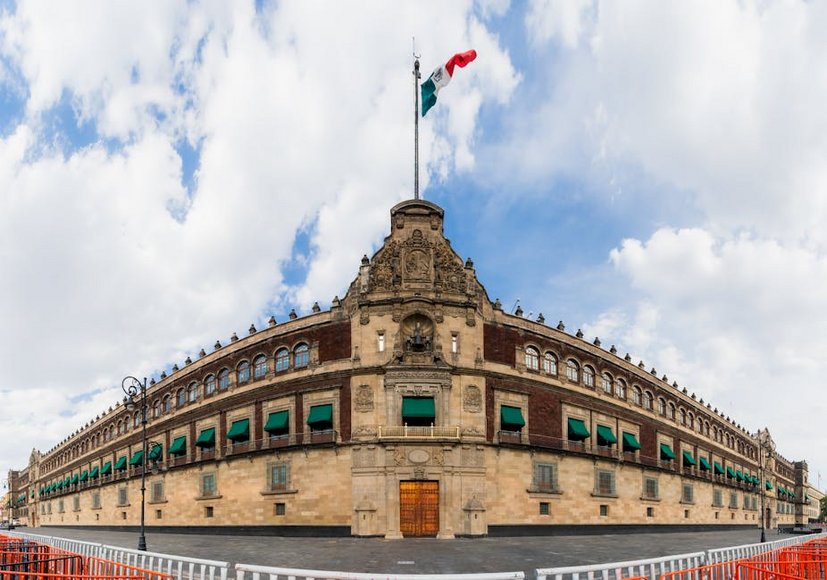
The Palacio Nacional houses Diego Rivera’s monumental murals depicting Mexico’s entire history. They offer a powerful, artistic narrative complement to your physical exploration of the city.
Alt: “mexico-city-zocalo-plaza-metropolitan-cathedral-historic-center”
Historic Tour in Mexico City – Planning Your Trip
A well-planned historic tour in Mexico City maximizes your time and depth of experience. Focus your lodging in or near the Centro Histórico. This location reduces daily transit and immerses you in the atmosphere.
Purchase a combined ticket for the Templo Mayor museum and archaeological site online. This saves you queuing time. Also, consider the Turibus hop-on-hop-off circuit. It efficiently connects scattered key sites beyond the main plaza.
Allocate at least three full days for a comprehensive historic tour in Mexico City. This allows for museum visits, neighborhood walks, and a day trip to Teotihuacán. Rushing leads to museum fatigue and missed details.
Best Time to Visit for History Exploration
The ideal months for a history-focused visit are between November and April. This is the dry season with minimal rain, pleasant temperatures averaging 65-75°F (18-24°C), and clear skies. Crowds peak around Christmas and Easter.
Shoulder months like May and October offer decent weather with fewer tourists. The rainy season from June to September sees afternoon downpours. Museums remain excellent indoor options during these showers.
Budget Planning and Costs
Costs vary based on your touring style and accommodation choice.
Essential Preparation Checklist
Pack comfortable walking shoes with good support. Cobblestone streets are uneven and you’ll be on your feet for hours. Bring a light rain jacket regardless of season and a reusable water bottle.
Ensure your passport is valid for six months beyond your stay. US, Canadian, and EU citizens do not need a visa for tourism under 180 days. Purchase travel insurance that covers medical emergencies and trip interruption. Book key guided tours at least two weeks in advance.
Top Historic Attractions and Sites
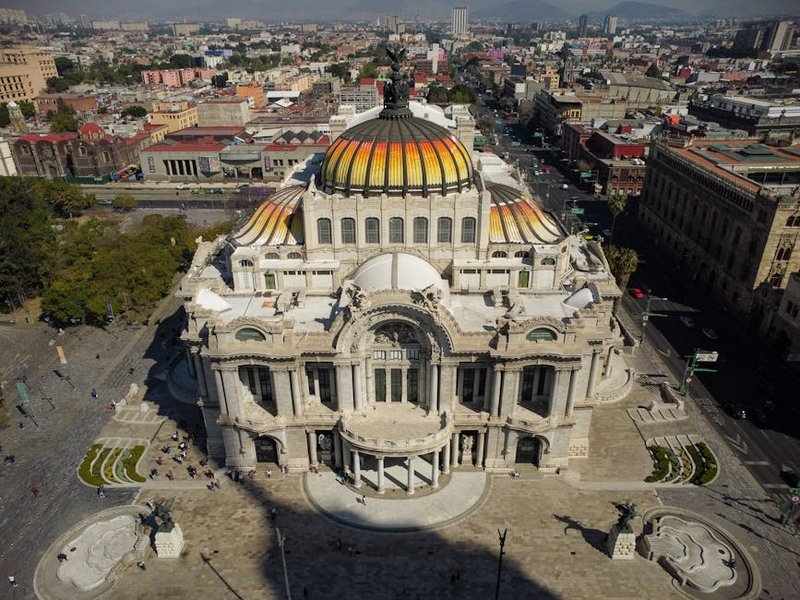
The historic center contains over 1,400 buildings designated as having cultural importance. Beyond the iconic Zócalo sites, explore the Palacio de Bellas Artes. This stunning art nouveau building houses more murals by Rivera and Orozco.
Walk down Madero Street, a pedestrian thoroughfare lined with architectural jewels. It connects the Zócalo to the Alameda Central park. This walk reveals layers of history from the 16th to the 20th century in just a few blocks.
Must-See Historic Highlights
Templo Mayor Museum & Ruins: This world-class museum displays artifacts excavated from the Aztec sacred precinct. The adjacent ruins show the layered pyramids. Plan at least two hours here. Entry is about $5 USD.
Palacio Nacional: Free entry (with ID required) grants access to Diego Rivera’s epic mural, *The History of Mexico*. It’s a breathtaking visual lesson. Go on a weekday morning to avoid crowds. Security lines can be slow.
Museo Nacional de Antropología: Located in Chapultepec Park, it’s essential for pre-Hispanic context. The Aztec Sun Stone and Mayan artifacts are highlights. Allocate a minimum of four hours. Admission is around $13 USD.
Hidden Gems and Local Favorites
Seek out the Museo del Estanquillo. It houses a quirky collection of cultural artifacts in a beautiful former department store. The café offers fantastic Zócalo views. It’s rarely crowded and offers a unique perspective.
Visit the Hospital de Jesús Nazareno. Founded by Cortés in 1524, it’s the oldest hospital in the Americas. Its chapel and courtyard are serene. This site is often overlooked by tourists but is deeply historically significant.
Teotihuacán Day Trip Essentials
The ancient city of Teotihuacán, located about an hour northeast, predates the Aztecs. Climbing the Pyramid of the Sun is a profound experience. Go as early as possible to beat heat and crowds.
Public buses depart from Terminal del Norte. Guided tours provide valuable context but limit your freedom. Wear a hat, sunscreen, and carry ample water. The site is vast with little shade.
Practical Travel and Logistics
Getting around the historic center is best done on foot. For longer distances, the metro is efficient and extremely cheap (about $0.25 USD per ride). Uber operates widely and is affordable and safe for getting between neighborhoods.
Accommodation in the Centro Histórico offers ultimate convenience. Options range from basic hostels to luxurious restored palaces. Staying in nearby Roma or Condesa provides more nightlife but requires daily Uber or metro trips to the core historic sites.
| Historic Site Category | Key Examples & Features | Estimated Price (USD) |
|---|---|---|
| Archaeological Sites | Templo Mayor (city-center ruins), Teotihuacán (massive pyramids outside city) | $5 – $15 |
| Major Museums | Museo Nacional de Antropología (world-class artifacts), Palacio de Bellas Artes (art & murals) | $10 – $15 |
| Colonial Architecture & Palaces | Palacio Nacional (free, ID required), Palacio de Iturbide (exhibitions) | $0 – $8 |
| Guided Experiences | Small-group walking tour (3 hours), Private full-day guide with transport | $25 – $150+ |