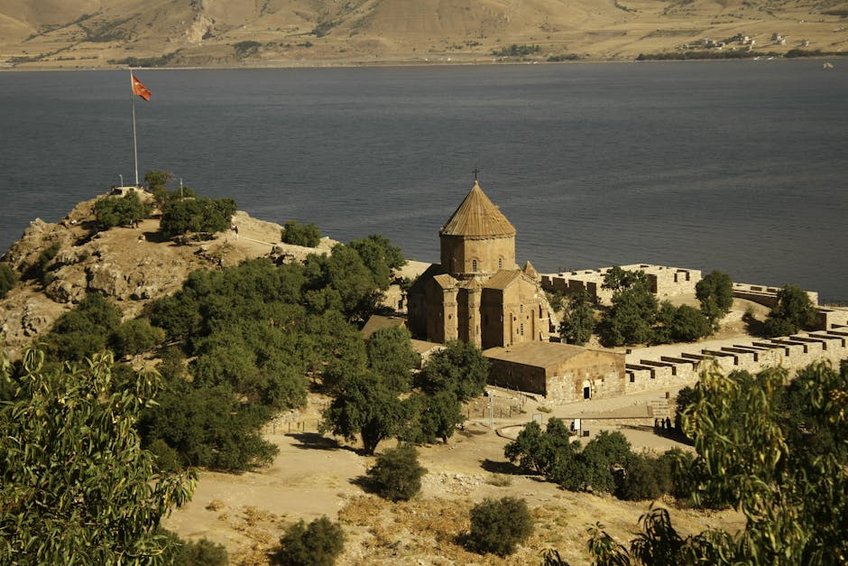
Historic Monasteries in Armenia: A Spiritual Journey Through Ancient Stones
Armenia’s dramatic landscape of soaring mountains and deep gorges is punctuated by the stoic presence of its ancient monasteries. These historic monasteries in Armenia offer more than architectural beauty; they are living repositories of a nation’s soul, faith, and resilience. This guide explores the most significant sites, provides practical travel advice, and helps you plan a meaningful journey to these UNESCO-recognized treasures, blending spiritual exploration with stunning natural scenery.
The Legacy of Armenian Monastic Architecture
Armenian monastic complexes represent a unique chapter in Christian architectural history, developing distinct styles from the 4th century onwards. Their design was profoundly influenced by the need for defense and integration with the rugged terrain, leading to fortified walls and strategic hilltop placements. This architectural evolution directly reflects the nation’s turbulent history, serving as centers of faith, learning, and resistance during centuries of foreign domination.
Defining Architectural Elements
Several key features distinguish these sacred structures from other Christian traditions.
- Khashkars (Cross-Stones): Intricately carved memorial stelae featuring a cross within a geometric frame, often adorned with botanical motifs and lace-like patterns, representing a UNESCO-recognized intangible cultural heritage.
- Central-Dome Plan: An architectural innovation where a dome on a square base transitions via squinches, creating a unified, vertical interior space that became a hallmark of Armenian churches and influenced broader regional designs.
- Integration with Landscape: Monasteries were built directly into cliffs, on isolated promontories, or using the natural rock as walls, creating a powerful visual harmony between man-made structure and God’s creation.
- Budget Traveler ($40-70/day): Use marshrutkas (minibuses) from Yerevan to regional hubs like Gyumri or Goris, then take local taxis to clusters of monasteries. Stay in guesthouses ($15-25/night), eat at local eateries, and visit sites with minimal or no entry fees. This requires more time and flexibility.
- Mid-Range Explorer ($80-150/day): Hire a private driver-guide for day trips from Yerevan ($50-80/day) or rent a car ($30-50/day). Stay in comfortable boutique hotels or B&Bs ($40-80/night). This balance offers convenience, deeper historical insight, and access to more remote locations comfortably.
- Premium Cultural Journey ($200+/day): Book a curated multi-day private tour with an expert historian guide. Stay in luxury hotels in Yerevan and characterful boutique lodges near key sites. Includes special access, fine dining, and in-depth cultural experiences, such as attending a morning service in an active monastery.
- Armenia Tourism Committee
- UNESCO World Heritage Centre – Armenia
A Timeline of Spiritual Resilience
Monasticism took root after Armenia became the first state to adopt Christianity as its official religion in 301 AD. Early monasteries were often founded by disciples known as the “Illuminating Fathers,” like St. Gregory the Illuminator. The golden age flourished from the 9th to 14th centuries, producing magnificent scriptoria, universities, and the complex you see today. Despite invasions by Seljuks, Mongols, and later empires, these sites remained active spiritual and cultural bastions.
UNESCO World Heritage Recognition
Several monastic ensembles in Armenia hold UNESCO status for their outstanding universal value. The monasteries of Haghpat and Sanahin, for instance, are celebrated for their mastery of medieval Armenian architecture and their role as major learning centers. The cathedral and churches of Echmiadzin and the archaeological site of Zvartnots represent pivotal developments in ecclesiastical design. This recognition underscores their importance to global heritage.
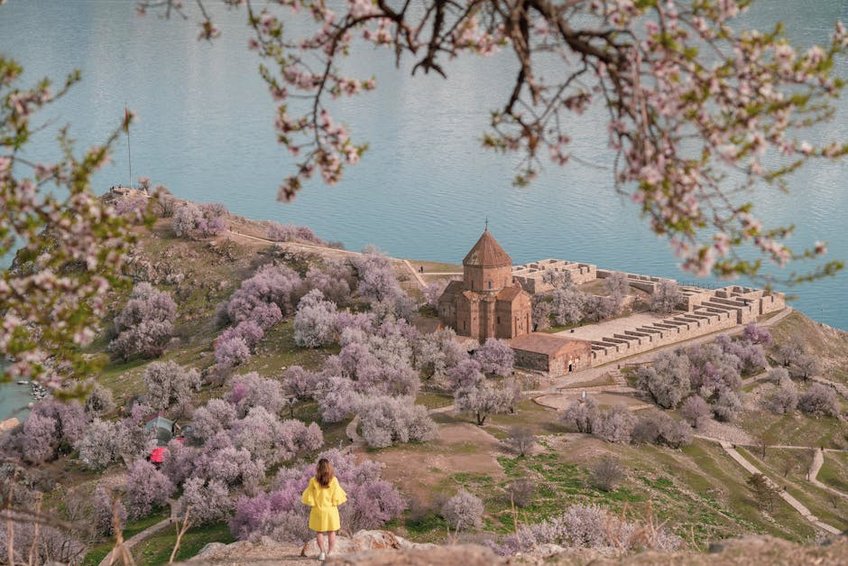
Alt: “armenian-monastery-khashkars-detailed-carving-mountain-backdrop”
Historic Monasteries in Armenia – Planning Your Pilgrimage
Organizing a trip to these ancient sites requires consideration of season, transportation, and intent. The experience varies dramatically between a sunny summer visit and a stark, beautiful winter journey. Focus your itinerary geographically to minimize driving time on mountain roads, grouping sites in the northern Lori region, the central Ararat plain, or the southern Vayots Dzor province. A well-planned route maximizes immersion and minimizes logistical stress.
Best Time to Visit Armenian Monasteries
The ideal months for visiting are from late May to early October. During this period, temperatures range from a pleasant 70-85°F (21-29°C), and all mountain roads are reliably open, allowing access to remote sites like Tatev. Days are long and sunny, perfect for photography. The shoulder seasons of April-May and September-October offer fewer crowds and cooler weather, between 50-70°F (10-21°C), though some high-altitude passes may close with early snow.
Winter, from November to March, presents a challenging but profoundly atmospheric experience. Temperatures often sit below freezing, 14-32°F (-10 to 0°C), with heavy snow blocking roads to monasteries like Haghpat. However, sites near Yerevan, like Khor Virap with its view of snow-capped Ararat, are accessible and stunningly beautiful in the silent winter landscape, offering a uniquely contemplative visit.
Budget Planning and Costs
A trip focused on Armenia’s monastic heritage can suit various budgets, with costs centered on guided transportation.
Essential Preparation Checklist
Pack modest clothing, as all active monasteries require covered shoulders and knees for both men and women; women often need a headscarf, which is usually available to borrow at entrances. Sturdy, comfortable walking shoes are non-negotiable for navigating uneven stone paths, steep staircases, and rocky terrain surrounding the sites. Bring a small flashlight for exploring dimly lit chapel interiors and candle-lit gavits.
Ensure your travel insurance covers emergency medical evacuation, especially if visiting remote high-altitude areas. While a visa is not required for US, EU, and UK citizens for stays up to 180 days, your passport must be valid for at least six months beyond your entry date. Book key accommodations and any private guides at least two to three months in advance for peak summer travel.
Top Monasteries and Cultural Sites
Beyond the iconic destinations, Armenia’s spiritual landscape is dotted with hundreds of significant sites. Each region tells a different part of the story, from the early evangelism in the Ararat Valley to the defiant scholarly tradition of the north. To fully appreciate the context, consider pairing your visits with stops at the History Museum of Armenia in Yerevan and the Matenadaran manuscript repository. This combination brings the stone structures to life through artifacts and texts.
Must-See Monastic Complexes
Tatev Monastery is accessible via the Wings of Tatev, the world’s longest reversible aerial tramway, offering breathtaking views of the Vorotan Gorge. The 9th-century complex itself is a masterpiece of medieval architecture, featuring a pivotal cross-stone and a working pendulum column. Visit early morning to avoid tour group crowds descending from Yerevan.
Khor Virap provides the classic, postcard-perfect view of Mount Ararat. Its deep underground dungeon, where St. Gregory the Illuminator was imprisoned, is a powerful place for reflection. The best photography light occurs at sunrise, before the mountain clouds over, and the site is easily visited as a half-day trip from the capital.
Geghard Monastery, a UNESCO site, is partially carved from solid rock. The acoustics in its main rock-cut church are extraordinary, and local vocal groups often perform short concerts. Arrive by late afternoon when the sun illuminates the intricate exterior carvings, and don’t miss the sacred spring inside one of the cave-chapels.
Hidden Gems and Local Favorites
Noravank Monastery, set amidst striking red rock cliffs in a narrow gorge, is famed for its two-story Surb Astvatsatsin Church, accessible only by narrow stone cantilever steps on the exterior. The intricate bas-reliefs on the church façade are among the finest examples of medieval Armenian stone carving. It’s less crowded than northern sites but equally impressive.
Haghartsin Monastery, nestled in a lush forest in Tavush province, feels like a discovered secret. The refectory here, with its central columns supporting a vaulted roof, is an architectural highlight often missed on standard tours. The peaceful, wooded setting and the chance to see resident deer make it a serene contrast to the arid landscapes of southern sites.
Exploring the Monastic Fortresses of Lori
The northern Lori region is home to the twin UNESCO monasteries of Haghpat and Sanahin. Built on a high plateau, these 10th-century complexes were major centers of learning. Sanahin’s name translates to “older than that one,” referencing its friendly rivalry with nearby Haghpat. Their scriptoria produced illuminated manuscripts, and their academies taught theology, music, and medicine. Visiting both in one day provides a deep dive into medieval Armenian scholarship.
Practical Travel Information
Navigating Armenia is relatively straightforward, with most tourism infrastructure radiating from Yerevan. For monastery visits, your primary decision is between joining group tours, hiring a private car with a driver, or self-driving. While major roads are good, secondary roads to monasteries can be narrow, winding, and poorly marked, making a knowledgeable driver a valuable asset. Domestic flights are limited, so all travel is effectively by road.
| Accommodation Type | Best For & Features | Price Range (USD/Night) |
|---|---|---|
| Yerevan City Hotel | First-time visitors; base for day trips, luxury amenities, dining options | $60 – $200+ |
| Regional Guesthouse (B&B) | Cultural immersion; family-run, home-cooked meals, local advice | $20 – $50 |
| Monastery-Side Eco-Lodge | Nature lovers; unique settings near sites like Tatev or Dilijan | $50 – $120 |
| Historic Converted Buildings | Unique experience; staying in old caravanserais or historic homes | $80 – $150 |