Historic Buildings Guide in Ankara
Ankara, Turkey’s capital, houses a remarkable collection of historic buildings that narrate a story spanning ancient civilizations, the Ottoman Empire, and the birth of the modern republic. Exploring these architectural landmarks offers a tangible connection to the region’s layered history, from Roman bathhouses to elegant First National Assembly halls. This historic buildings guide in Ankara will navigate you through essential sites, provide practical visiting tips, and reveal the cultural narratives etched into stone, wood, and brick across the city.
Ankara’s Architectural Heritage Essentials
Ankara’s history stretches back millennia, with each era leaving distinct architectural imprints on the urban landscape. The city served as a crucial Hittite center, a Roman provincial capital, a Seljuk and Ottoman stronghold, and finally, the chosen capital of the Republic of Turkey in 1923. This unique trajectory means you can witness Roman columns, Seljuk tile work, Ottoman timber houses, and starkly modern Republican architecture within a single day’s exploration.
The city’s historic core is divided into key districts, each with its own character. The Ulus district is the epicenter of Roman, Ottoman, and early Republican landmarks. The Citadel (Ankara Kalesi) area showcases traditional Turkish houses along narrow, winding streets. Meanwhile, the Çankaya district features the monumental government buildings of the modern republic, creating a fascinating architectural dialogue across centuries.
Key Historical Periods Represented
Understanding the eras helps contextualize what you see.
- Roman & Byzantine (2nd century BC – 11th century AD): Structures like the Temple of Augustus and Roman Baths showcase monumental stone construction, columns, and intricate inscriptions from when Ankara was known as Ancyra.
- Seljuk & Ottoman (11th century – 1922): This period introduced Islamic architecture, seen in mosques like Hacı Bayram Veli with elegant tiles and courtyards, and the traditional Turkish houses (Ankara Evleri) in the Citadel neighborhood.
- Early Republican (1920s – 1950s): Following the founding of the Republic, a new national architectural style emerged, blending modern European forms with subtle Ottoman motifs, evident in government buildings and museums.
- Budget (Under $35/day): Focus on free exterior viewing (Citadel, Column of Julian, Hacı Bayram Mosque) and one key paid museum ($3-5). Use public transport with an Ankara Kart ($0.50/ride). Enjoy street food like döner kebabs ($2-3) and stay in hostels near Ulus ($15-25/night).
- Mid-Range ($70-100/day): Includes entry to 2-3 major museums per day, guided tours for key sites ($15-25), lunches at local restaurants ($8-12), and comfortable boutique hotels in the Çankaya or Kavaklıdere districts ($50-70/night). Taxis for occasional longer distances.
- Luxury ($150+/day): Private, expert-led architectural tours ($200+ half-day), fine dining at restaurants in restored mansions ($50+ per person), and luxury hotel stays at places like the Sheraton or Divan Ankara ($120+/night). Includes private driver for seamless transfers between districts.
- Republic of Turkey Ministry of Culture and Tourism
- Museum of Anatolian Civilizations Official Page
- Anıtkabir Official Website
Navigating the Historic Districts
The Ulus district is your primary destination for a concentrated historical tour. Most major Roman and early Republican sites are within walking distance of Ulus Square. Begin at the Column of Julian, then move towards the Museum of Anatolian Civilizations housed in a restored Ottoman bazaar building. The area is pedestrian-friendly but involves some gentle hills.
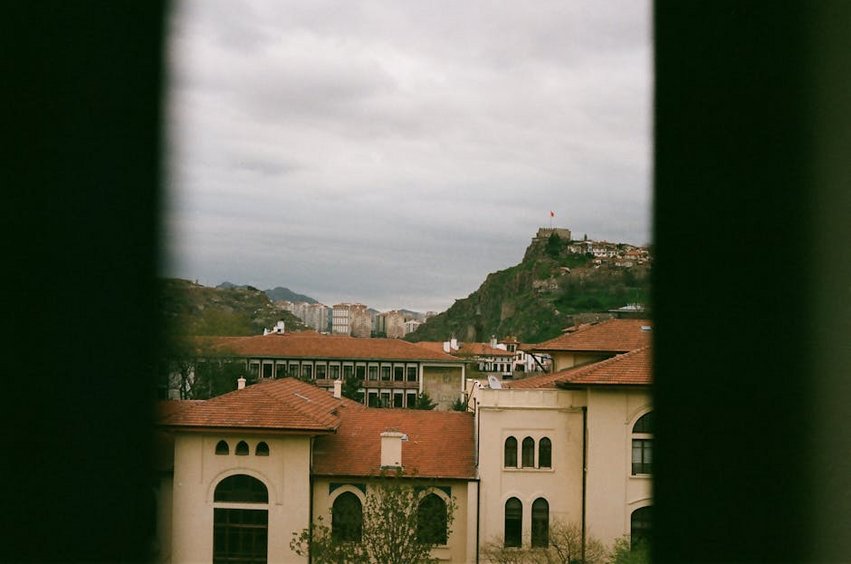
For the Ottoman-era atmosphere, head to the Citadel neighborhood perched on a hilltop. The ascent rewards you with panoramic city views and a maze of streets lined with preserved wooden houses, many now operating as cafes and souvenir shops. Wear comfortable shoes as the cobblestone paths are steep and uneven in sections.
Alt: “ankara-citadel-district-ottoman-houses-narrow-streets”
Historic Buildings Guide in Ankara – Planning Your Trip
Effectively exploring Ankara’s architectural treasures requires thoughtful planning. The city’s historic sites are spread across several districts, though the most significant are clustered in Ulus. You should allocate at least two full days to appreciate the major landmarks without rushing. A well-planned route saves time and connects the historical narrative logically from ancient to modern.
Budget-conscious travelers will find excellent value, as many significant exterior views are free, and museum entry fees are modest. The Ankara Kart, a reusable public transportation card, is essential for efficient travel between districts like Ulus and Çankaya. Planning your visits for weekday mornings helps avoid weekend crowds, especially at popular museums inside historic structures.
Best Time to Visit Ankara’s Landmarks
The optimal months for exploring Ankara’s historic buildings are April to June and September to October. During these periods, daytime temperatures range from a pleasant 60-75°F (15-24°C), making walking between outdoor sites comfortable. Spring brings blooming flowers to castle gardens, while fall offers clear skies and vibrant foliage around the Citadel.
July and August can be hot, with temperatures often exceeding 86°F (30°C), though mornings and evenings remain suitable for sightseeing. Winters (December-February) are cold, with averages of 32-41°F (0-5°C) and occasional snow, which can add a dramatic backdrop to the stone architecture but requires warm clothing. Most indoor museums remain open year-round.
Budget Planning and Costs
Costs can vary based on your museum interests.
Essential Preparation Checklist
Comfortable walking shoes are non-negotiable for navigating Ankara’s historic districts, which feature cobblestones and uneven pathways. Pack layers, as temperatures can shift between sunny courtyards and cool, stone-interior museums. A refillable water bottle, sun protection for summer, and a power bank for your phone’s map and camera are highly recommended.
Ensure your passport is valid for entry into Turkey; many nationalities, including US and EU citizens, can obtain an e-Visa online before travel. While not mandatory, travel insurance covering medical care is wise. Book popular guided tours or special-access visits at least a week in advance, especially during peak travel seasons in spring and fall.
Top Architectural Sites and Landmarks
Ankara’s most significant historical buildings offer a chronological journey. The Museum of Anatolian Civilizations, housed in a 15th-century Ottoman bedesten (covered bazaar) and han (inn), provides the perfect prologue with artifacts from every era represented in the city’s architecture. From there, step directly into the Roman era just downhill before exploring the symbols of modern statehood.
The contrast between the ancient Roman walls and the stark, imposing lines of the early Republican parliament building is particularly striking. This visual dialogue across millennia is what makes exploring the city’s architecture so compelling. Each district reveals a different layer, telling a continuous story of cultural and political transformation.
Must-See Highlights
The Ankara Citadel (Ankara Kalesi) is the city’s most iconic landmark. Its walls, constructed and rebuilt by Romans, Byzantines, Seljuks, and Ottomans, encase a living neighborhood of traditional houses. Entry to the fortress grounds is free, and walking the walls at sunset offers unparalleled views. Allow 1-2 hours to wander the interior streets.
The Museum of Anatolian Civilizations is world-class, but the building itself is a historic treasure. This converted Ottoman market complex showcases how older structures were repurposed, with vaulted stone halls creating a magnificent setting for Hittite, Phrygian, and Urartian exhibits. Plan for a 2-3 hour visit. The adjacent Temple of Augustus and Rome, built in 25 BC, is crucial for its detailed Latin and Greek inscriptions documenting Augustus’s achievements.
Hidden Gems and Local Favorites
Venture to the Şengül Hamamı, a 19th-century Ottoman bathhouse still in operation near the Citadel. While you can book a treatment, simply admiring its traditional marble and dome architecture from the reception area is worthwhile. It’s a functioning piece of social history rarely visited by tourists but cherished by locals.
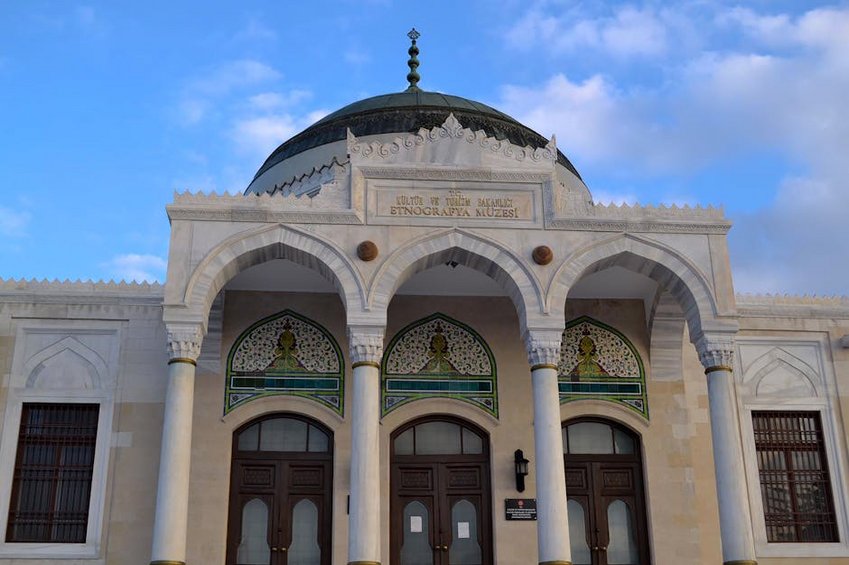
The Zincirli Mosque, tucked away in the Samanpazarı market area, is a beautiful example of late Ottoman woodwork and calligraphy from 1687. The surrounding market streets retain an old-world atmosphere. Similarly, the İsmail Fazıl Paşa Mansion near the Ethnography Museum is a restored Ottoman konak (mansion) that now serves as a cultural center, offering a glimpse into the domestic architecture of the elite.
Republican-Era Architectural Icons
The early Republican period (1920s-1950s) produced significant buildings that define modern Ankara’s civic center. The First Turkish Grand National Assembly Building in Ulus is a modest but profoundly important structure where the republic was shaped. Its simple, functional architecture reflects the era’s ideals. Nearby, the Museum of the War of Independence occupies the same period’s first parliament building.
In Çankaya, the Atatürk’s Mausoleum (Anıtkabir) is the monumental culmination of Republican architecture. Completed in 1953, its stark, massive forms and ceremonial plaza create a powerful, solemn atmosphere. The adjacent museum provides deep context. The Turkish Grand National Assembly (current parliament) and various ministry buildings along Atatürk Boulevard further exemplify the stripped-down, monumental style of the period.
Practical Travel and Logistics
Getting around Ankara to visit its dispersed historic sites is straightforward with a little planning. The city has an efficient metro and bus system, with the Ulus metro station serving as the main hub for the historic core. Taxis are plentiful and relatively inexpensive for direct trips between districts, such as from Ulus to the Citadel or to Çankaya.
Accommodation choices allow you to stay near the history or in more modern, amenity-rich areas. Staying in Ulus offers walking access to many sites but fewer dining and nightlife options. The Çankaya or Kavaklıdere districts provide a wider range of hotels and restaurants, with easy metro access back to Ulus for daytime exploration. Most visitors find a split of 2 nights near Ulus and 2 nights in Çankaya optimal.
| Accommodation Area | Pros & Features | Price Range (USD/Night) |
|---|---|---|
| Ulus (Historic Center) | Walking distance to Roman/Republican sites; budget hotels/pensions; authentic local atmosphere. | $20 – $60 |
| Kızılay (City Center) | Central transportation hub; many restaurants & shops; metro access to all historic sites. | $40 – $100 |
| Çankaya/Kavaklıdere (Modern Center) | Upscale hotels & dining; near Anıtkabir & diplomatic area; quieter streets. | $70 – $150+ |
| Citadel Area (Boutique) | Unique stays in restored Ottoman houses; incredible views; intimate setting. | $50 – $120 |