Helsinki Travel Guide: Navigating Finland’s Design Capital
Helsinki offers a compelling blend of Scandinavian design, seaside charm, and vibrant urban culture. This Finnish capital provides accessible experiences from historic market squares and innovative architecture to serene island escapes within the city limits. This guide details the essentials for navigating its distinct neighborhoods, mastering local customs, and building an itinerary that captures the city’s unique spirit.
Essential Helsinki Information
Finland’s capital is a coastal city spread across a peninsula and over 300 islands. Helsinki’s history is relatively young, founded in 1550 by Swedish King Gustav Vasa, with its modern identity shaped by periods of Swedish and Russian rule before Finnish independence in 1917. The cityscape reflects this, blending neoclassical elegance with cutting-edge Nordic design.
Today, it’s a hub for technology, education, and sustainability. The local language is Finnish, with Swedish as a second official language, but English proficiency is exceptionally high. The city operates efficiently with an extensive public transport network, making independent exploration straightforward for international visitors.
Key Facts at a Glance
Understanding a few core details will help you plan efficiently.
- Currency is the Euro (€). Cards are accepted virtually everywhere, including contactless payments on all public transport, reducing the need for cash.
- Helsinki operates on Eastern European Time (EET), which is UTC+2, and observes daylight saving time from late March to late October.
- The power sockets are Type F (CEE 7/4), standard in Europe, with a voltage of 230V, so travelers from North America will need an adapter and possibly a converter.
- Budget Traveler ($80-120/day): Stay in hostels like Hostel Suomenlinna, use public transport passes, eat at lunch buffoys (lounas), and enjoy free attractions like churches and parks. Self-catering from supermarkets helps significantly.
- Mid-Range Traveler ($150-250/day): Stay in hotels like Scandic Paasi or Clarion Hotel Helsinki, dine at casual restaurants for dinner, take a ferry to Suomenlinna, and visit 2-3 paid museums like Amos Rex.
- Luxury Traveler ($300+/day): Stay at design hotels like Hotel St. George or Lilla Roberts, enjoy tasting menus at restaurants like Olo, hire a private guide for a design district tour, and take a private archipelago cruise.
- MyHelsinki Official Travel Guide
- HSL Helsinki Regional Transport
- Visit Finland Official Site
Understanding Local Culture
Finnish social etiquette values personal space, quietness, and punctuality. Direct communication is appreciated, and small talk is less common than in many cultures. This isn’t unfriendliness but respect for privacy. Locals are immensely helpful if approached but may not initiate conversation.
Sauna culture is central to Finnish life. The city has many public saunas, offering an authentic, non-touristy experience. Remember, saunas are typically enjoyed without swimwear, often in gender-segregated sessions, and are about relaxation, not socializing loudly.
Weather and Seasonal Personality
The city experiences four distinct seasons, each transforming its atmosphere. Summers (June-August) are mild and luminous, with temperatures averaging 59-70°F (15-21°C) and nearly 19 hours of daylight at the solstice. This is the peak season for outdoor cafes and park life.
Winters (December-February) are cold, dark, and snowy, with average highs around 30°F (-1°C) and lows dipping to 22°F (-5°C). Daylight shrinks to under six hours. However, the city is beautifully lit and cozy, with ice skating and saunas providing warmth.
Alt: “helsinki-cathedral-senate-square-winter-snow-scene”
Helsinki Travel Guide – Planning Your Trip
Successful travel here requires aligning your interests with the right season and understanding the local pace. While compact, the city’s spread across islands means prioritizing which districts match your preferences is key. Your budget will stretch further during shoulder seasons like May or September.
Accommodation is the largest expense, so booking well in advance for summer or early winter is crucial. A Helsinki Card can offer savings if you plan to visit many museums and use public transport extensively. Always build in time for spontaneous coffee breaks, a cherished local ritual.
Best Time to Visit Helsinki
The ideal time for most visitors is between late May and mid-September. You’ll enjoy long days, greenery, and outdoor markets. Temperatures are pleasant, ranging from 55°F to 70°F (13°C to 21°C). This period includes major events like the Helsinki Day celebrations in June.
For a winter wonderland experience, visit from December to February. You can experience Christmas markets, ice swimming, and the magical blue hour light. February offers slightly more daylight than December for exploring. The shoulder months of May and September provide fewer crowds and lower prices while still offering decent weather.
Budget Planning and Costs
Helsinki is expensive but manageable with planning. Here is a typical daily budget breakdown.
Essential Preparation Checklist
Pack layers regardless of season, including a waterproof jacket and comfortable walking shoes. For winter, thermal base layers, a warm insulated coat, waterproof boots, gloves, and a hat are non-negotiable. Summer requires a light jacket for cooler evenings.
Ensure your passport is valid for at least three months beyond your planned departure from the Schengen Area. EU and US citizens do not need a visa for stays under 90 days. Purchase comprehensive travel insurance that covers medical emergencies. Book major hotels and popular sauna sessions several weeks or months in advance.
Top Attractions and City Experiences
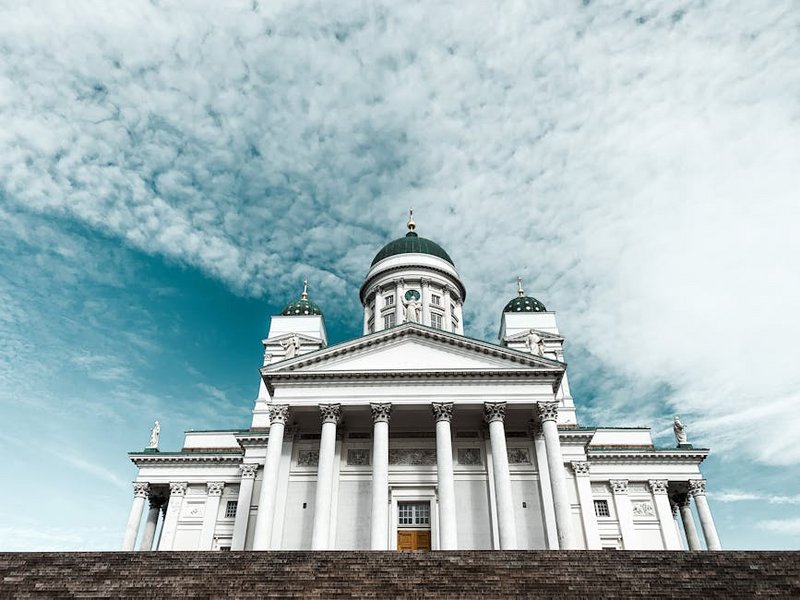
The city’s appeal lies in its mix of monumental landmarks and everyday design. Start at the Senate Square for a feel of the imperial past, then contrast it with the organic forms of Oodi Library. The sea is ever-present, so a ferry trip to a fortress island is a mandatory part of the experience.
Architecture enthusiasts will find a living museum of styles, from Jugendstil (Art Nouveau) in the Katajanokka district to Alvar Aalto’s functionalist masterpieces. Meanwhile, food lovers can explore the Old Market Hall and modern food halls for a taste of local and Nordic flavors.
Must-See Highlights
Suomenlinna Sea Fortress, a UNESCO site, is a 15-minute ferry ride away. Explore its tunnels, museums, and cannons with panoramic views. Allow at least half a day. The ferry is part of the local public transport network, making it an affordable excursion.
Temppeliaukio Church (Rock Church) is carved directly into solid rock, with a stunning copper-wire dome ceiling. It’s a unique architectural feat and an active Lutheran church. Entry is around €5. Visit early in the morning to avoid the largest tour groups.
The Design District spans over 25 streets filled with galleries, boutiques, and studios. The Design Museum and the Museum of Finnish Architecture provide essential context. Simply wandering this area offers a crash course in Nordic aesthetics.
Hidden Gems and Local Favorites
Löyly is a modern public sauna and restaurant complex on the waterfront. Its sculptural wooden architecture is worth seeing even if you don’t take a sauna. It’s a perfect place to experience authentic sauna culture in a contemporary setting.
The Cafe Regatta is a tiny, classic red cottage cafe in the Sibelius Park area. It serves simple cinnamon buns and coffee, with outdoor seating by the water. Locals and visitors alike come here for a cozy, picturesque break, regardless of the season.
Vallisaari Island, recently opened to the public, is a nature reserve with military history next to Suomenlinna. It’s less crowded and offers beautiful walking trails through forests and along rocky shores, showcasing the capital region’s archipelago beauty.
Exploring the Archipelago
The Helsinki archipelago consists of hundreds of islands accessible by public ferry. Beyond Suomenlinna, consider Pihlajasaari for beaches and swimming, or Seurasaari for its open-air museum of historic Finnish buildings. Ferry schedules vary by season.
For a longer trip, consider a half-day or day cruise to the historic town of Porvoo. These journeys through the skerries provide a wonderful perspective on Finland’s coastal landscape. Booking in advance during summer is highly recommended.
Practical Travel Information
Navigating the city is remarkably easy thanks to its integrated HSL (Helsinki Regional Transport) system. Trams, metro, buses, and ferries all use the same tickets. The city center is very walkable, but the tram network is efficient for longer distances.
Accommodation ranges from high-design hotels to functional hostels and Airbnb apartments. The best locations for first-time visitors are in or near the city center (Kampii, Kluuvi), the Design District (Punavuori), or the trendy Kallio district for a more local vibe.
| Accommodation Type | Best For & Features | Average Nightly Price (USD) |
|---|---|---|
| Luxury Design Hotel | Central location, architecturally significant, spa & sauna facilities, fine dining | $250 – $450+ |
| Mid-Range Business Hotel | Reliable comfort, excellent breakfast buffet, near transport hubs, family rooms | $140 – $250 |
| Boutique Hotel/Apartment | Character, located in trendy districts like Punavuori, kitchenette options | $120 – $220 |
| Hostel/Guesthouse | Solo travelers & budgets, social atmosphere, shared kitchens, central locations | $60 – $110 |