Greek Islands Travel Guide for First-Time Visitors
The Greek Islands offer an iconic Mediterranean escape, blending ancient history with postcard-perfect coastlines. Your Greek Islands travel guide should help you navigate over 200 inhabited islands, each with distinct personalities, from the vibrant nightlife of Mykonos to the serene beaches of Milos. This guide provides essential planning tips, cultural insights, and itinerary advice to craft your perfect Aegean adventure.
Essential Greek Islands Information
The Greek archipelago is divided into several groups scattered across the Aegean and Ionian Seas. The Cyclades, with whitewashed buildings and blue domes, include famous stops like Santorini and Paros. The Ionian Islands, such as Corfu, offer lush greenery and Venetian influence, while the Dodecanese, like Rhodes, are rich with medieval history.
Greece operates on Eastern European Time and uses the Euro. The official language is Greek, but English is widely spoken in tourist areas. The islands have a Mediterranean climate with hot, dry summers and mild, wet winters, making them a year-round destination with a pronounced high season.
Ferry connections are the lifeblood of inter-island travel, operated by companies like Blue Star Ferries and Hellenic Seaways. Island-hopping requires careful scheduling, as routes and frequencies change seasonally. Always confirm ferry times a day in advance, especially when catching flights.
Understanding the Island Groups
Choosing which islands to visit is the first major decision. Each group offers a different vibe and landscape.
- Cyclades: The classic Greek island image. Includes Santorini, Mykonos, Naxos, and Paros. Expect dramatic cliffs, volcanic beaches, and iconic architecture. Best for first-timers, photography, and vibrant nightlife.
- Ionian Islands: West of the mainland, including Corfu, Kefalonia, and Zakynthos. These are greener, with more rainfall, resulting in lush forests and olive groves. Venetian castles and Italianate cuisine are highlights.
- Dodecanese: Closer to Turkey, with Rhodes and Kos as hubs. These islands feature strong medieval influences from the Knights of St. John, with impressive walled cities and ancient ruins alongside beach resorts.
- Budget Traveler ($800-$1200): Stay in hostels or basic guesthouses, eat at local tavernas (gyros, souvlaki), use public buses, and focus on free activities like hiking and public beaches. Travel in shoulder season and book ferries in economy class.
- Mid-Range Traveler ($1500-$2500): Stay in 3-4 star hotels or boutique apartments, enjoy sit-down taverna meals with wine, rent an ATV for a few days, and take a guided boat tour or visit key archaeological sites. This offers the best balance of comfort and experience.
- Luxury Traveler ($3500+): Stay in 5-star hotels or luxury villas with caldera or sea views, dine at fine-dining restaurants, hire private boat transfers or yacht charters, and book private guided tours of historical sites. Expect premium service and exclusive access.
- Greek National Tourism Organisation
- The Man in Seat 61: Greek Ferries Guide
Cultural and Historical Context
The islands are steeped in millennia of history, from Minoan palaces to Byzantine churches. Ancient sites like the Akrotiri archaeological site on Santorini or the Palace of Knossos on Crete are must-sees. This history is not separate from modern life but woven into it, with festivals and traditions still actively celebrated.
Local etiquette is generally relaxed but respectful. Dress modestly when visiting monasteries and churches, covering shoulders and knees. A friendly “kalimera” (good morning) or “efharisto” (thank you) is appreciated. Tipping is customary, with 5-10% at restaurants considered polite for good service.
Navigating Language and Currency
While English is common, learning a few Greek phrases enhances your experience. Most businesses accept major credit cards, but smaller tavernas and shops on remote islands often prefer cash. ATMs are available in main towns, but it’s wise to carry some Euros upon arrival.
Public Wi-Fi is available in most cafes and hotels, but connectivity can be spotty on less-developed islands. Consider purchasing a local SIM card for reliable data. Driving is on the right side of the road, and rental cars or ATVs are popular for exploration.
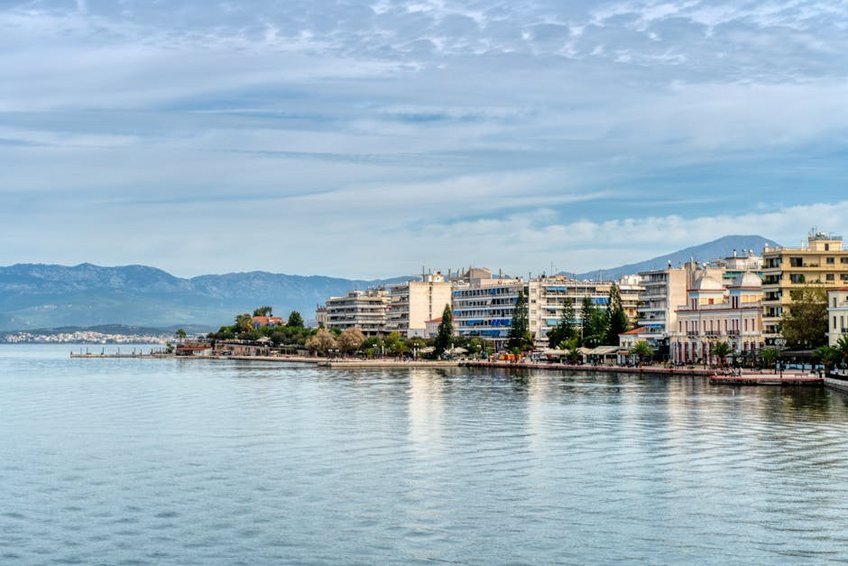
Alt: “santorini-caldera-whitewashed-village-sunset-views”
Greek Islands Travel Guide – Planning Your Trip
Planning an island-hopping itinerary requires balancing travel time with relaxation. A common mistake is trying to visit too many islands in one trip. For a 10-14 day journey, limit yourself to three or four islands to allow for ferry schedules and unforeseen delays. Focus on islands within the same group, like the Cyclades, to minimize long sea crossings.
Your budget directly influences your experience. Flight and ferry costs are fixed, but accommodation and dining offer flexibility. Shoulder seasons like May-June and September-October provide better value with pleasant weather. Book ferries online in advance during peak summer to secure your preferred routes and seat types.
Consider your travel style. Do you want nightlife, secluded beaches, hiking, or cultural immersion? Mykonos and Ios cater to party-seekers, while Folegandros and Amorgos offer tranquility. Crete is a destination itself, requiring a week to explore its diverse landscapes and ancient sites properly.
Best Time to Visit the Greek Islands
The peak season runs from July to August, with temperatures between 85-95°F (29-35°C) and crowded hotspots. This is the best time for guaranteed sunny beach weather and full operational services, but also the most expensive and busy period. Book accommodations and ferries at least six months in advance for July and August travel.
The shoulder seasons of May-June and September-October are ideal. Temperatures range from a pleasant 70-85°F (21-29°C), crowds are thinner, and prices are lower. The sea remains warm enough for swimming into October. Some services on smaller islands wind down after mid-October.
Budget Planning and Costs
Costs vary dramatically by island and travel style. Here’s a breakdown for a one-week trip per person.
Essential Preparation Checklist
Pack light, breathable clothing, a sun hat, strong sunscreen (SPF 50+), and sturdy sandals for cobblestone streets. A European plug adapter (Type C/F) is necessary, and a portable power bank is useful for long ferry days. Bring a light jacket or pashmina for cooler evenings and ferry decks.
Ensure your passport is valid for at least three months beyond your departure date from the Schengen Area. U.S. and E.U. citizens do not need a visa for stays under 90 days. Purchase comprehensive travel insurance that covers medical emergencies and trip interruptions, including ferry cancellations.
Top Attractions and Island Experiences
Beyond the famous sunsets, the archipelago offers diverse landscapes and activities. Volcanic geology creates unique beaches with red or black sand, while inland villages preserve traditional ways of life. Each island has its own culinary specialty, from Naxos cheese to Santorini wines.
Connecting with the sea is central to the experience. Whether it’s sailing around calderas, snorkeling in crystal-clear coves, or simply watching fishing boats return to port, the maritime culture is ever-present. Respect the environment by using reef-safe sunscreen and avoiding single-use plastics.
Must-See Highlights
In Santorini, the cliff-top town of Oia and the archaeological site of Akrotiri are essential. The hike from Fira to Oia along the caldera rim offers breathtaking views. In Mykonos, wander the maze-like streets of Mykonos Town (Chora) and see the iconic windmills. The ancient ruins of Delos, a short boat ride away, are a UNESCO World Heritage site.
Crete demands time for the Palace of Knossos, the Samaria Gorge hike, and the charming old port of Chania. Rhodes boasts the impressive Medieval Old Town, a UNESCO site, and the ancient Acropolis of Lindos. These sites require advance tickets during summer to avoid long queues.
Hidden Gems and Local Favorites
Explore beyond the main ports. In the Cyclades, visit the inland village of Pyrgos on Santorini or the lush valley of Tragea on Naxos. On Milos, the lunar landscape of Sarakiniko Beach and the colorful fishing village of Klima are unforgettable. These spots offer authentic glimpses of island life without the crowds.
Seek out local festivals (panigiria) if your timing aligns. These village celebrations feature live music, traditional dancing, and communal feasting. Ask at your accommodation or a local taverna—they are rarely advertised to tourists but welcome respectful visitors.
Best Beaches and Coastal Exploration
Beach quality varies from sandy stretches to pebbly coves. Elafonisi in Crete has pink-hued sand, while Navagio (Shipwreck) Beach in Zakynthos is famed for its turquoise water and dramatic cliff backdrop. For seclusion, seek out beaches only accessible by foot or boat, like Kleftiko on Milos.
Always check conditions, as some beaches can have strong meltemi winds in July and August. Organized beaches offer sunbed rentals and tavernas, while remote ones require bringing your own supplies. Never leave any trash behind.
Practical Travel Logistics and Transportation
Navigating between islands relies on a network of ferries and domestic flights. Ferry travel is part of the adventure but requires patience. Schedules can change due to weather, so build flexibility into your plan. For longer crossings, consider overnight ferries with cabins to save on a night’s accommodation.
Accommodation ranges from international luxury resorts to family-run guesthouses (domatia). Booking platforms are useful, but for smaller properties, sometimes a direct phone call or email yields better rates and personal service. Location is key—staying in a main town offers convenience, while a remote villa provides privacy.
| Accommodation Type | Best For / Features | Price Range (USD) Per Night |
|---|---|---|
| Hostel / Guesthouse | Solo travelers, budget groups; basic rooms, shared facilities, social atmosphere | $25 – $60 |
| Boutique Hotel | Couples, mid-range travelers; stylish design, breakfast included, central location | $100 – $250 |
| Luxury Hotel / Villa | Special occasions, luxury seekers; private pools, sea views, concierge, spa | $300 – $1000+ |
| Traditional Settlement | Authentic experience; restored historic homes, often in scenic villages, self-catering | $80 – $200 |