Edinburgh Travel Guide: Discover Scotland’s Historic Capital
This Edinburgh travel guide offers everything you need for a memorable visit to Scotland’s storied capital. You’ll find practical advice on navigating the city’s historic closes, experiencing its vibrant festivals, and enjoying world-class dining within a compact, walkable center. This guide covers essential planning details, top attractions, local culture, and logistical tips to help you build your perfect itinerary for exploring this unforgettable city.
Essential Edinburgh Information
Edinburgh serves as the cultural and political heart of Scotland, with a history spanning over a thousand years. The city is famously divided into the Old Town, with its medieval street pattern and dramatic castle, and the neoclassical New Town, a UNESCO World Heritage site. This duality creates a unique urban landscape where ancient history sits seamlessly alongside modern life.
Its position on the Firth of Forth provides a stunning coastal backdrop to the north, while the volcanic crag of Arthur’s Seat dominates the skyline to the east. The city’s architecture tells a story of resilience, reinvention, and intellectual flourishing, having birthed the Scottish Enlightenment. Understanding this rich context enriches every step you take through its streets.
What You Need to Know Before You Go
These key facts will help you prepare for your Scottish adventure and set realistic expectations.
- Edinburgh uses the British Pound Sterling (£). Credit and debit cards are widely accepted, but carrying some cash is wise for smaller shops and markets. Tipping 10-12% is customary in restaurants if service isn’t included.
- The primary language is English, though you’ll hear Scots and Scottish Gaelic. The local accent can be strong; don’t hesitate to ask someone to repeat themselves politely. Locals are famously friendly and helpful to visitors.
- Weather is notoriously changeable, often experiencing “four seasons in one day.” Pack layers, a waterproof jacket, and comfortable walking shoes regardless of the forecast. Summer temperatures average 55-65°F (13-18°C), while winter sees 34-43°F (1-6°C).
- Budget Traveler ($70-100/day): Stay in hostels ($30-45/night), use self-catering facilities, enjoy free museums and hikes, and utilize city buses. Focus on affordable pub meals and supermarket picnics.
- Mid-Range Traveler ($150-250/day): Book a central hotel or B&B ($100-180/night), dine in mid-range restaurants for lunch and dinner, pay for key attractions, and use taxis occasionally. This allows for a comfortable, full experience.
- Luxury Traveler ($350+/day): Stay at five-star hotels like The Balmoral or The Witchery ($300+/night), enjoy fine dining at Michelin-starred restaurants, book private guided tours, and attend premium event tickets like the Tattoo’s best seats.
- VisitScotland – Official Edinburgh Guide
- Historic Environment Scotland
Key Historical and Cultural Details
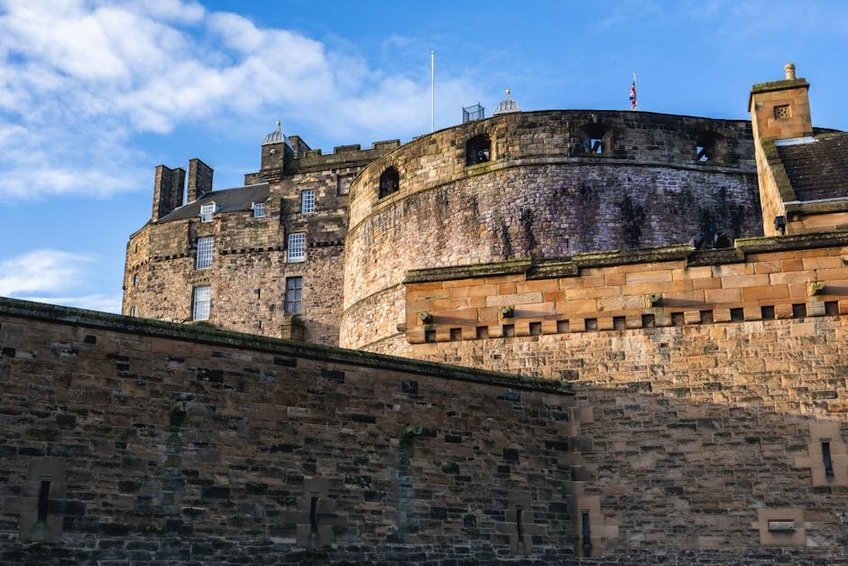
Edinburgh Castle, built atop an extinct volcano, has been a royal residence and military fortress since at least the 12th century. The Royal Mile, the iconic thoroughfare connecting the castle to the Palace of Holyroodhouse, is the historic spine of the Old Town. Its narrow closes (alleys) and wynds (lanes) tell tales of the city’s crowded and sometimes turbulent past.
The 18th-century New Town was a planned expansion, featuring elegant Georgian townhouses, gardens, and a grid layout. This area symbolizes the Age of Enlightenment, when Edinburgh was a powerhouse of philosophy, science, and literature. Figures like David Hume and Adam Smith shaped modern thought from its taverns and libraries.
The City’s Festival Calendar
Edinburgh transforms into a global cultural stage every August during the Edinburgh Festival Fringe, the world’s largest arts festival. The concurrent Edinburgh International Festival and Royal Edinburgh Military Tattoo bring world-class performances and spectacular displays to the castle esplanade. Booking accommodation and key events months in advance is crucial for an August visit.
Other notable events include Hogmanay (New Year’s Eve), a massive multi-day street party, and the Beltane Fire Festival on Calton Hill in April. The Christmas markets on East Princes Street Gardens create a festive atmosphere from late November. Each event offers a completely different perspective on the city’s vibrant character.
Alt: “edinburgh-castle-view-from-princes-street-gardens-scotland”
Edinburgh Travel Guide – Planning Your Trip
Effective planning maximizes your time in Scotland’s capital. Your ideal Edinburgh travel itinerary balances iconic sights with leisurely exploration of distinct neighborhoods like Stockbridge or Dean Village. Consider your priorities—history, hiking, food, or literature—to shape your daily plans. Walking is the best way to connect with the city’s intimate scale and discover hidden corners.
Booking major attractions like Edinburgh Castle online in advance saves both money and valuable queueing time, especially during peak seasons. Purchasing a multi-attraction pass, such as the Historic Scotland Explorer Pass, can offer significant savings if you plan to visit several paid historic sites. Always build in flexibility for weather changes and spontaneous discoveries.
Best Time to Visit Edinburgh
Peak season runs from late June through August, coinciding with the famous festivals. Expect long daylight hours, average highs of 65°F (18°C), and the city at its most vibrant and crowded. Accommodation prices double or triple, and bookings require planning three to six months ahead. This is the time for unparalleled cultural energy.
Shoulder seasons (April-May and September-October) offer a superb balance. Crowds thin, prices drop, and the weather is often mild, with temperatures between 50-60°F (10-16°C). Spring brings blooming gardens, while autumn provides golden light perfect for photography. Winter (November-March) is cold and dark but magical, with festive markets and a chance to see the city like a local.
Budget Planning and Costs
Daily costs vary widely based on your travel style. Here’s a realistic breakdown per person.
Essential Preparation Checklist
Pack versatile layers including a warm sweater, waterproof coat with a hood, and sturdy, broken-in walking shoes. An umbrella is useful, but a good jacket is better for the city’s windy conditions. Bring a power adapter for UK-style 3-pin plugs (230V) and consider a portable power bank for long days of sightseeing.
Check your passport validity and understand that Scotland is part of the UK, not the Schengen Zone. US and EU citizens do not need a visa for tourist stays under six months. Purchase comprehensive travel insurance that covers medical emergencies and trip cancellation. Book your castle entry slot and any major restaurant reservations at least two weeks before arrival.
Top Attractions and Activities in the City
No visit is complete without exploring the Edinburgh Castle complex, home to the Crown Jewels and the Stone of Destiny. The Royal Mile offers more than souvenir shops; venture down its closes to find hidden courtyards and historic sites like the Real Mary King’s Close. At the mile’s bottom, the Palace of Holyroodhouse provides a glimpse into royal life and marks the start of Holyrood Park.
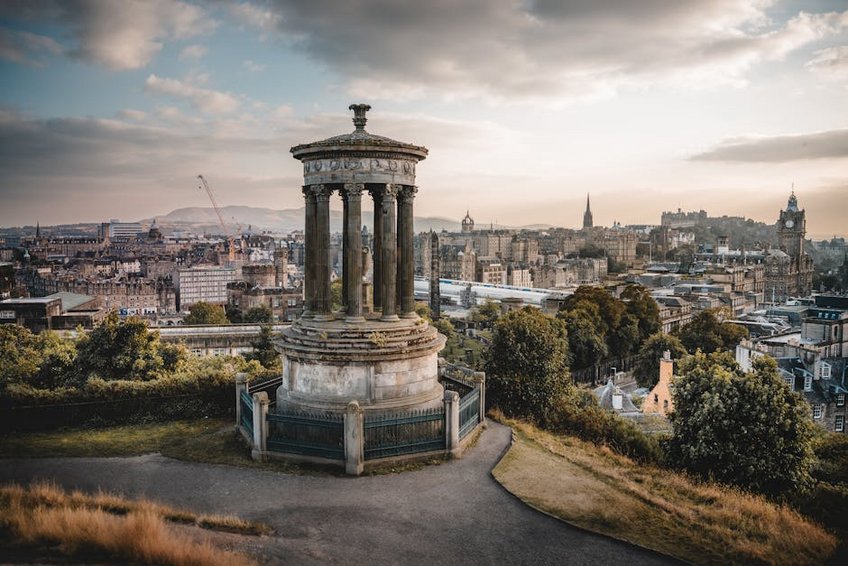
For panoramic views, hike up Arthur’s Seat, an ancient volcano in Holyrood Park. The ascent takes about 45 minutes and rewards you with a 360-degree vista of the city and coast. A gentler alternative is Calton Hill, right in the city center, featuring iconic monuments and spectacular sunset views over Princes Street and the New Town.
Must-See Historic Highlights
Edinburgh Castle requires at least two to three hours to fully appreciate. Arrive for the 1 PM firing of the One O’Clock Gun (except Sundays). The Scottish National War Memorial and St. Margaret’s Chapel are profound highlights. Pre-book a 9:30 AM entry online to avoid the largest crowds and start your day here.
The National Museum of Scotland on Chambers Street is a world-class, free attraction. Its diverse collections span natural history, world cultures, and Scottish history, including Dolly the sheep. The rooftop terrace offers another fantastic city view. Allocate two to three hours to explore its galleries without feeling rushed.
Hidden Gems and Local Favorites
Escape the Royal Mile bustle in Dean Village, a picturesque former grain milling settlement just a ten-minute walk from Princes Street. The Water of Leith walkway here feels worlds away from the city. Similarly, Stockbridge is a charming neighborhood with independent boutiques, a Sunday market, and elegant Georgian streets perfect for a leisurely stroll.
For a unique literary experience, visit the Writers’ Museum in Lady Stair’s Close, dedicated to Robert Burns, Sir Walter Scott, and Robert Louis Stevenson. The tiny, free museum is housed in a 17th-century building and is often overlooked. Another secret is Dunbar’s Close Garden, a tranquil 17th-century-style garden hidden just off the Canongate.
Whisky Tasting and Literary Pursuits
Scotland’s national drink is celebrated in venues like the Scotch Whisky Experience on the Royal Mile, which offers introductory tastings and tours. For a more curated experience, seek out specialty bars such as the Bow Bar or the Devil’s Advocate for expert recommendations. Always add a little water to your single malt to open up the flavors.
Literature lovers can follow in the footsteps of JK Rowling, who wrote parts of Harry Potter in cafes like The Elephant House. The gravestone of Tom Riddle in Greyfriars Kirkyard inspired a character name. For a deeper dive, book a guided literary walking tour to connect the city’s landscapes with the stories of its famous authors.
Practical Travel Information for Edinburgh
Edinburgh Airport (EDI) is the main international gateway, located about 8 miles west of the city center. The Airlink 100 express bus provides the most straightforward transfer, taking 30 minutes to Waverley Bridge for £4.50 single. Taxis cost approximately £25-30 to the city center. Waverley Station is the central rail hub, with direct services from London taking just over four hours on the LNER line.
The city center is extremely walkable, but Lothian Buses provide an excellent, comprehensive network for longer journeys. Purchase a day ticket (£4.50) for unlimited travel. Taxis are plentiful, and ride-sharing apps like Uber operate. Renting a car is not recommended for a city stay due to limited parking and congestion charges, but is ideal for subsequent Highlands exploration.
| Accommodation Type | Best For / Key Features | Price Range (USD per night) |
|---|---|---|
| Hostel / Budget Hotel | Solo travelers & groups; social atmosphere, basic amenities, central locations like Royal Mile or Grassmarket. | $35 – $90 |
| Bed & Breakfast / Guesthouse | Authentic experience; personalized service, often in Victorian townhouses, breakfast included. Areas like Newington or Bruntsfield. | $100 – $200 |
| Mid-Range Hotel | Couples & comfort; modern facilities, prime locations near Princes Street or George Street, on-site bars/restaurants. | $180 – $320 |
| Luxury Hotel / Aparthotel | Splurge & space; historic properties (The Balmoral), premium spas, fine dining, and serviced apartments with kitchenettes. | $300 – $600+ |