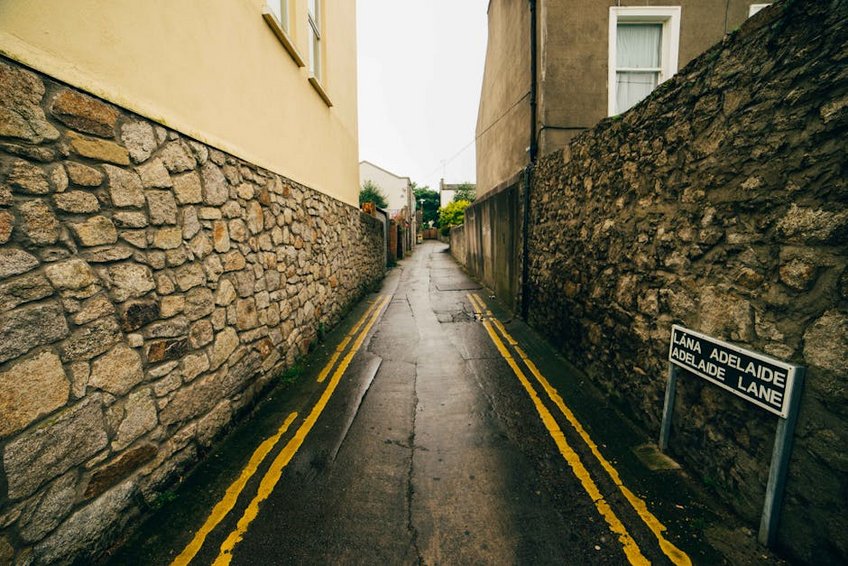
Dublin Travel Guide: Explore Ireland’s Historic Capital
Dublin welcomes visitors with a unique blend of historic Georgian architecture and vibrant modern culture, all set along the banks of the River Liffey. Your journey through Ireland’s capital reveals literary history at Trinity College, the lively social tradition in its famed pubs, and green spaces like Phoenix Park. This Dublin travel guide provides the essential planning details, local insights, and practical tips you need for an authentic and seamless visit to this European hub.
Dublin: Essential City Information
Dublin serves as the capital and largest city of Ireland, situated on the east coast at the mouth of the River Liffey. Founded as a Viking settlement, the city later became the seat of English rule in Ireland and the center of the 1916 Easter Rising. Today, it functions as the primary cultural and economic gateway for the Republic of Ireland.
The greater metropolitan area is home to over 1.4 million people, creating a bustling urban center. Dublin’s compact city center is divided by the river into the Northside and Southside, each with distinct neighborhoods and character. Navigating between major landmarks is often a pleasant walk, with many key sites clustered together.
Key Facts and City Layout
Understanding a few core facts helps frame your visit. The official currency is the Euro, and English is the primary language, though you’ll hear Irish Gaelic in certain contexts.
- Time Zone: Greenwich Mean Time (GMT) or Irish Standard Time (IST), which is UTC+1 during daylight saving from late March to late October, making it 5 hours ahead of U.S. Eastern Standard Time.
- Best Airport Access: Dublin Airport (DUB) is located 10 km north of the city center, offering numerous direct flights from North America and Europe via airlines like Aer Lingus and Ryanair.
- City Transport: The Dublin Bus network, Luas tram system, and suburban DART train are efficient. However, the central tourist core is very walkable, which is often the best way to explore.
- Budget Traveler ($80-120/day): Stay in hostels like Generator Dublin for $35-50/night, enjoy affordable pub food and takeaway, use public transport passes, and focus on free attractions like the National Museum and walking tours.
- Mid-Range Traveler ($150-250/day): Book a hotel in areas like Ballsbridge or near Christ Church ($120-180/night), dine in mid-range restaurants for main meals, visit 2-3 paid attractions daily, and take occasional taxis.
- Luxury Traveler ($350+/day): Stay at five-star properties like The Shelbourne or The Westbury, enjoy fine dining at Chapter One or Patrick Guilbaud, take private historical tours, and attend theater performances at the Abbey.
- Fáilte Ireland – Official Dublin Tourism Site
- Lonely Planet Dublin Guide
A Brief Historical Context
Dublin’s history is palpable in its streets and buildings. The Viking era established the original settlement of ‘Dubh Linn’ (Black Pool) in the 9th century. This area is near the present-day Dublin Castle and Christ Church Cathedral.
The 18th century brought the Georgian architectural boom, evident in areas like Merrion Square. The 20th century was defined by the struggle for independence, centered on locations like the General Post Office on O’Connell Street. This rich, layered past informs every corner of the modern city.
Local Climate and Weather Patterns
Dublin experiences a temperate maritime climate, meaning mild temperatures but frequent rain showers year-round. Winters are cool and damp, with average highs around 46°F (8°C) in January. Summers are pleasant, with July averages around 66°F (19°C).
Rain is possible any day, so a waterproof layer is a non-negotiable packing item. The city rarely sees extreme cold or heat, making it suitable for exploration in any season with appropriate clothing. The famously soft light is ideal for photography.
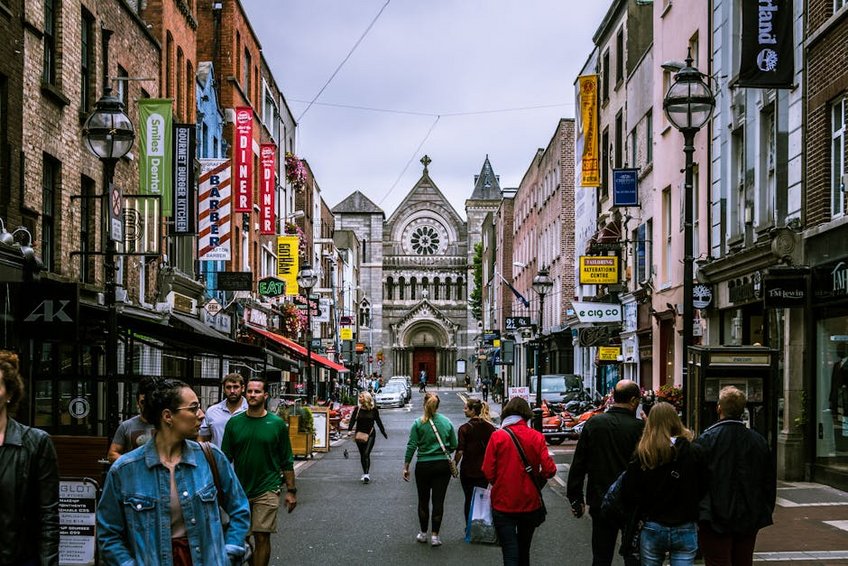
Alt: “dublin-city-river-liffey-ha-penny-bridge-georgian-architecture”
Dublin Travel Guide: Planning Your Trip
Creating a successful itinerary requires balancing famous landmarks with local neighborhood exploration. Focus on a specific district each day rather than crisscrossing the city. For instance, dedicate one day to the historic Trinity College and Temple Bar area, and another to St. Stephen’s Green and Grafton Street.
Booking key attractions in advance is crucial, especially for the Guinness Storehouse and the Book of Kells at Trinity College. Walk-up tickets often sell out by midday during peak seasons from June to August. Secure these online at least one week before your visit.
Best Time to Visit Dublin
The peak tourist season runs from June through August, offering the warmest weather and longest days, with sunset after 10 PM. However, this also brings the largest crowds and highest accommodation prices. Temperatures average a comfortable 60-66°F (15-19°C).
For a better balance, consider the shoulder seasons of April-May and September-October. You’ll encounter fewer visitors, lower rates, and generally mild weather, though you should prepare for more frequent rain. The festive period in December is magical with Christmas markets but has very short daylight hours.
Budget Planning and Costs
Daily costs vary significantly based on your travel style. Dublin is comparable to other major Western European capitals.
Essential Preparation Checklist
Pack layers, including a quality waterproof and wind-resistant jacket, comfortable walking shoes, and a compact umbrella. A universal power adapter for Ireland’s Type G plugs (3 rectangular prongs) is necessary for charging devices. The voltage is 230V.
U.S., Canadian, and EU passport holders do not need a visa for tourist stays under 90 days. Ensure your passport is valid for at least three months beyond your planned departure date. Purchasing travel insurance that covers medical emergencies and trip delays is highly recommended.
Top Attractions and Dublin Activities
Dublin’s top sites offer a journey through literature, brewing history, and national heritage. Begin at Trinity College to see the breathtaking Long Room library and the Book of Kells. Then, walk to the historic grounds of Dublin Castle, the seat of British power for centuries.
No visit is complete without experiencing the social ritual of a pub. Historic bars like The Brazen Head (est. 1198) or The Stag’s Head offer traditional sessions of Irish music. Contrast this with the modern energy of the Creative Quarter around George’s Street Arcade.
Must-See Highlights
The Guinness Storehouse at St. James’s Gate is the city’s most popular paid attraction. The self-guided tour explains the brewing process and culminates with a complimentary pint in the Gravity Bar with panoramic city views. Book the first entry slot of the day to avoid the biggest crowds.
Kilmainham Gaol is a profoundly moving historical site. This former prison held and executed the leaders of the 1916 Easter Rising. Guided tours are excellent but require advance online booking. Allot at least two hours for the full emotional and historical impact.
St. Stephen’s Green provides a serene escape. This Victorian park is perfect for a leisurely stroll. For literary fans, a pilgrimage to the Dublin Writers Museum or a walk past Sweny’s Pharmacy mentioned in James Joyce’s ‘Ulysses’ is essential.
Hidden Gems and Local Favorites
Venture beyond Temple Bar to find authentic local pubs. Try The Gravediggers (John Kavanagh’s) near Glasnevin Cemetery, known for its perfectly poured Guinness and lack of music or televisions. For a unique cultural experience, visit the Irish Museum of Modern Art (IMMA) housed in the Royal Hospital Kilmainham, a stunning 17th-century building.
Explore the coastal suburb of Howth, accessible via the DART train in 25 minutes. Walk the Cliff Path Loop for stunning sea views, then enjoy fresh seafood at a harbor-side restaurant. On the southside, the village of Dalkey offers charming streets, castle ruins, and great views from Killiney Hill.
Museum and Gallery Exploration
Dublin is exceptionally rich in museums, many offering free admission. The National Museum of Ireland – Archaeology on Kildare Street houses prehistoric gold, the Ardagh Chalice, and well-preserved bog bodies. The adjacent National Library often hosts fascinating exhibitions related to Irish literary history.
For art, the National Gallery of Ireland on Merrion Square showcases European masters and iconic Irish works. The free-entry Chester Beatty Library in Dublin Castle grounds is a world-class collection of manuscripts, prints, and sacred texts from Asia, the Middle East, and Europe.
Practical Dublin Travel Information
Navigating Dublin is straightforward with a little planning. The city center is compact, but understanding the public transport zones saves money. The LEAP Visitor Card offers unlimited travel on Dublin Bus, Luas, DART, and Commuter Rail for periods from 1 to 7 days.
Accommodation is most plentiful in the city center, south along the Grand Canal, and in the Ballsbridge area. Staying within a 15-minute walk of O’Connell Bridge places you within easy reach of most major sights on foot. Book at least three months in advance for summer visits.
| Accommodation Area | Best For | Average Nightly Rate (USD) |
|---|---|---|
| City Centre South (Grafton St.) | First-time visitors, shopping, major sights | $180 – $350 |
| Temple Bar | Nightlife, central location, vibrant atmosphere | $160 – $300 |
| Ballsbridge / Grand Canal | Quieter stays, business travelers, mid-range hotels | $140 – $250 |
| Phoenix Park / West | Budget options, longer stays, self-catering | $100 – $200 |