Doha Travel Guide: Discovering Qatar’s Capital
Exploring Doha presents a captivating blend of ultramodern architecture and deep Arabian tradition in a city rising from the desert coast. Your Doha travel guide reveals efficient ways to navigate its sleek metro, world-class museums like the National Museum of Qatar, and the bustling alleys of Souq Waqif for authentic crafts and spices. This guide details everything from visa procedures and the best months to visit to cultural etiquette and must-try culinary experiences, ensuring a seamless and enriching journey.
Essential Doha Information
Qatar’s capital sits on the Persian Gulf’s coast, a dynamic hub that has transformed rapidly over recent decades. The city operates on Arabia Standard Time (GMT+3) and uses the Qatari Riyal (QAR), with a fixed exchange rate pegged to the US Dollar at approximately 3.64 QAR to 1 USD. This stability makes financial planning straightforward for international visitors from the US and EU.
Qatar offers a visa waiver for citizens of over 95 countries, including the United States, United Kingdom, Canada, and most EU nations, allowing for a stay of up to 30 days. The waiver is often extendable online for another 30 days, providing flexibility for longer explorations. For those not eligible, the Hayya Platform facilitates easy tourist visa applications prior to arrival.
Climate and Weather Patterns
Doha experiences a desert climate characterized by two main seasons: a very hot, humid summer and a mild, pleasant winter. Summer temperatures from May to September regularly soar above 104°F (40°C), with high humidity making outdoor activity challenging during daylight hours. The winter months, from November to early April, offer ideal conditions for sightseeing.
Language and Communication
Arabic is the official language, but English is widely spoken in business, tourism, and retail environments. All road signs, metro announcements, and restaurant menus are in both Arabic and English, making navigation simple. Learning a few basic Arabic greetings like “Marhaba” (Hello) and “Shukran” (Thank you) is appreciated by locals and enhances cultural interaction.
Internet connectivity is excellent, with free Wi-Fi widely available in malls, the metro system, and public parks. Most Western mobile carriers offer affordable roaming packages, or you can purchase a local SIM card from Ooredoo or Vodafone Qatar at the airport arrivals hall for cost-effective data plans.
Local Customs and Dress Code
Qatar is a conservative Muslim nation with customs that travelers should respectfully observe. While Western clothing is acceptable, both men and women are advised to dress modestly in public areas, covering shoulders and knees. Swimwear is strictly reserved for hotel pools and private beaches.
The weekend falls on Friday and Saturday, with Friday being the holy day for prayer. Many smaller shops close on Friday mornings but reopen in the afternoon. During the holy month of Ramadan, eating, drinking, or smoking in public during daylight hours is prohibited by law, though hotels provide designated areas for guests.
Alt: “doha-skyline-museum-of-islamic-art-waterfront-persian-gulf”
Doha Travel Guide – Planning Your Trip
Organizing a visit to Qatar’s capital requires attention to seasonal timing, budget allocation, and activity bookings. The optimal window for exploring this desert metropolis falls between November and March, when daytime temperatures range from a pleasant 70°F to 85°F (21°C to 29°C). This period avoids the extreme heat and coincides with numerous cultural festivals and outdoor events.
A mid-range daily budget for a Doha travel experience starts at around $150-$200 USD per person, covering a three-star hotel, local meals, metro transportation, and entry fees to major attractions. Luxury travelers can expect to spend $400+ per day for five-star resorts, fine dining, and private tours. Budget-conscious visitors can manage on $80-$100 daily by using hostel-style accommodations and public transit.
Advance reservations are highly recommended for popular attractions like the Falcon Souq tours, desert safari excursions, and tables at top-rated restaurants, especially during the peak winter tourist season. Most bookings can be completed online through official tourism platforms or reputable international travel sites.
Best Time to Visit Doha
The prime tourist season runs from November through March, featuring comfortable weather perfect for exploring outdoor sites like the Corniche and Katara Cultural Village. Daytime highs average 77°F (25°C), while nights can cool to around 61°F (16°C), requiring a light jacket. This period is also the busiest, so hotel rates peak and advance booking is essential.
Shoulder months of April and October see rising heat, with temperatures climbing to 95°F (35°C), but fewer crowds and lower accommodation costs. The summer months from May to September are intensely hot, often exceeding 113°F (45°C), limiting outdoor activity to early mornings, evenings, and air-conditioned indoor attractions, though this is when hotel deals are most plentiful.
Budget Planning and Costs
Your spending will vary significantly based on accommodation style and dining choices. Here’s a typical daily breakdown for different travel styles.
- Budget Traveler ($80-$100 USD): Includes a bed in a hostel or budget hotel ($40-$60), meals at local cafeterias and street food stalls ($20), public transport via the metro ($5), and free attractions like the Corniche and MIA Park ($0).
- Mid-Range Traveler ($150-$250 USD): Covers a three or four-star hotel in West Bay or near Souq Waqif ($100-$150), meals in mid-range restaurants ($40), taxi rides or ride-hailing apps ($20), and paid entry to museums like the National Museum of Qatar ($15-$20).
- Luxury Traveler ($400+ USD): Features a five-star beach resort or luxury downtown hotel ($250-$400), fine dining experiences ($80-$120), private driver or guided tours ($70), and exclusive experiences like a private dhow cruise or falconry session ($100+).
- Visit Qatar Official Tourism Website
- Lonely Planet Doha Travel Guide
- Qatar Museums Official Site
Essential Preparation Checklist
Pack light, breathable clothing made from natural fabrics like cotton or linen for the day, and a light sweater or jacket for cooler evenings. Essentials include high-SPF sunscreen, sunglasses, a wide-brimmed hat, and comfortable walking shoes for exploring souqs and museum complexes. A universal power adapter (Type G, also used in the UK) is necessary for Qatar’s 240V electrical system.
Ensure your passport has at least six months validity from your date of entry. While travel insurance is not mandatory for visa-free entry, it is highly recommended for covering medical emergencies or trip interruptions. Download useful apps like Karwa (for taxis), the Doha Metro & Tram app, and the Visit Qatar app for maps and attraction information before you arrive.
Top Attractions and Iconic Sights
Doha’s landscape is defined by its stunning waterfront Corniche, a seven-kilometer promenade offering panoramic views of the city’s modern skyline against the dhow-filled bay. At one end lies the Museum of Islamic Art, an architectural masterpiece by I.M. Pei housing one of the world’s most comprehensive collections of Islamic artifacts. The park surrounding it provides a green oasis and a popular spot for family picnics.
The historic heart of the city is Souq Waqif, a vibrant market where you can wander through alleyways selling spices, perfumes, traditional garments, and handicrafts. Reconstructed to resemble a 19th-century Qatari market, it comes alive in the evening with bustling restaurants and shisha lounges. Nearby, the Falcon Souq offers a unique glimpse into the region’s deep-rooted falconry culture.
Must-See Cultural Highlights
The National Museum of Qatar, designed to resemble a desert rose crystal, offers an immersive journey through the nation’s history, from prehistoric times to the modern oil and gas era. Allow at least three hours to experience its high-tech galleries and films. Entry costs approximately 50 QAR ($14 USD) and it’s best visited in the morning to avoid crowds.
Katara Cultural Village is a sprawling complex dedicated to arts, housing an opera house, amphitheater, art galleries, and international restaurants along a man-made beach. It frequently hosts concerts, exhibitions, and the Doha International Film Festival. Visit in the late afternoon to explore the galleries, then stay for dinner as the architectural details light up beautifully after sunset.
Hidden Gems and Local Favorites
Venture to the Sheikh Faisal Bin Qassim Al Thani Museum, located in a fort-style building on the city’s outskirts, to view a staggering private collection of classic cars, Islamic art, and historical Qatari artifacts. It provides a more personal and eclectic museum experience. Reaching it requires a taxi or rental car, but the unique exhibits are well worth the trip.
For a peaceful escape, visit Al Bidda Park at the northern end of the Corniche, a large green space with walking trails, cycling paths, and scenic lookouts. It’s a favorite spot for local families on weekends. Another local secret is the Pearl Monument roundabout area in the early morning, where you can watch traditional wooden dhows bobbing in the water with the modern skyline as a backdrop, perfect for photography.
Desert Adventures and Day Trips
No visit is complete without a trip to the inland sea, Khor Al Adaid. This UNESCO-recognized natural reserve features rolling sand dunes that meet the waters of the Persian Gulf. Book a half-day or full-day desert safari tour, which typically includes dune bashing in a 4×4 vehicle, camel riding, and a stop at a Bedouin-style camp. Most tours offer hotel pick-up and drop-off in Doha.
Consider a day trip north to the ancient petroglyph site at Al Jassasiya or the restored Al Zubarah Fort, a UNESCO World Heritage site that was once a thriving pearl-fishing and trading port. These excursions provide historical context about life in Qatar before the discovery of oil. Rental cars are affordable and the roads are excellent, making self-driven exploration feasible.
Practical Travel Information
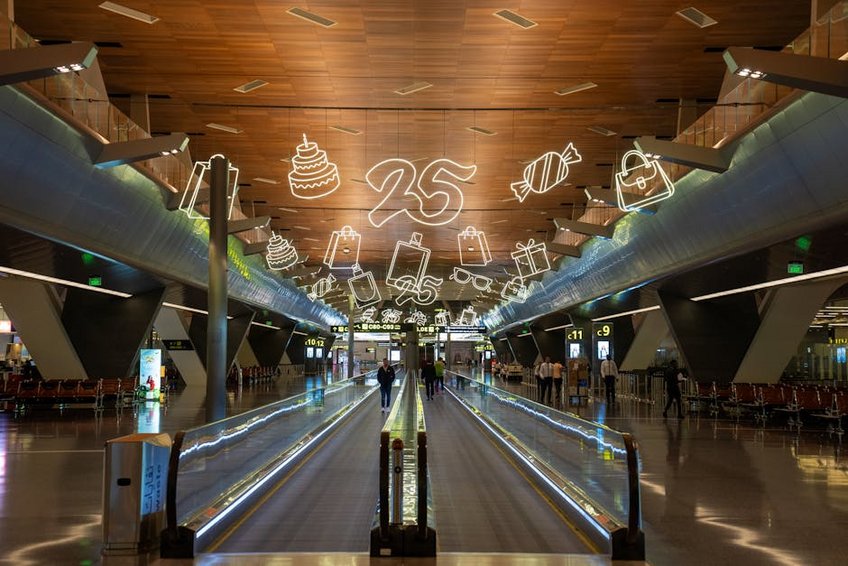
Hamad International Airport (DOH) is a major global hub and your likely point of entry, located about 15 kilometers southeast of the city center. The airport is exceptionally modern and efficient, with immigration procedures often swift for visa-free nationalities. Transportation into the city is readily available via the metro’s Red Line, airport taxis, or ride-hailing services like Uber and Careem.
Accommodation options span from ultra-luxurious brands like the Mandarin Oriental and Four Seasons to more affordable international chains and locally-run hotels. For a first-time visitor, staying in the West Bay area places you near business centers and high-end malls, while a hotel near Souq Waqif offers a more traditional atmosphere and easy walking access to the historic market and Corniche.
| Accommodation Type | Best For & Location | Average Nightly Price (USD) |
|---|---|---|
| Luxury Beach Resort | Families & relaxation; located on the Pearl or West Bay Lagoon. | $350 – $800+ |
| Business Hotel | Solo travelers & business; in West Bay financial district. | $180 – $350 |
| Boutique Hotel | Couples & culture; situated in or near Souq Waqif. | $120 – $250 |
| Budget Hotel/Apartment | Budget travelers & long stays; areas like Al Sadd or Bin Mahmoud. | $60 – $120 |