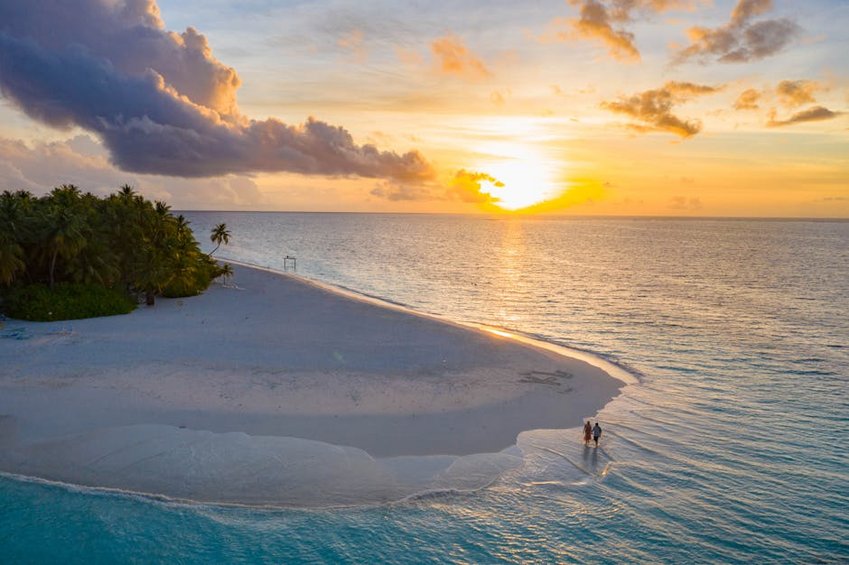
Varadero’s February Beach Season: Your Ultimate Winter Escape
Varadero transforms into a sun-drenched paradise during February, offering North American and European travelers a perfect antidote to winter’s chill. With consistently warm, dry weather and sparkling turquoise waters, the Cuba Varadero February beach season delivers reliable tropical conditions ideal for swimming, snorkeling, and pure relaxation on one of the world’s top-rated coastlines. This guide provides the essential planning details, from booking the best all-inclusive resorts to navigating local currency, ensuring your Caribbean getaway is seamless and unforgettable.
Essential Varadero Information
Varadero is a 20-kilometer (12-mile) peninsula on Cuba’s northern coast, famed for its pristine white-sand beaches and clear, shallow waters. The destination operates as a major tourist enclave, with a concentrated strip of high-end resorts, restaurants, and activities designed for international visitors. While technically part of Matanzas province, Varadero feels like a self-contained vacation world, offering both vibrant resort life and opportunities to explore authentic Cuban culture nearby.
The local infrastructure is well-developed for tourism, with a dedicated airport (Juan Gualberto Gómez Airport, VRA), easy taxi services, and organized excursions. English is widely spoken within the hotel zones and tour companies, though learning a few basic Spanish phrases enhances interactions with local vendors. Travelers should understand Cuba’s dual currency system, which involves the Cuban Peso (CUP) for locals and the Cuban Convertible Peso (CUC), pegged 1:1 to the USD, for tourists.
Why February is the Prime Beach Month
February stands out in Varadero’s annual calendar for its ideal balance of weather and manageable crowds.
- The average daily high temperature is a comfortable 26°C (79°F), with nighttime lows around 18°C (64°F), creating perfect conditions for all-day beach lounging and comfortable evening strolls.
- Rainfall is at its annual low, with an average of just 5 days of precipitation and minimal accumulation, guaranteeing predominantly sunny, dry days for your vacation plans.
- The Atlantic Ocean maintains a warm average temperature of 25°C (77°F), making swimming, snorkeling, and water sports exceptionally pleasant without the intense heat and humidity of the summer months.
- Budget travelers can find last-minute charter packages for around $1,200-$1,800 USD per person for one week all-inclusive, focusing on older, refurbished 3-star resorts. Prioritize properties with good beach access and save by avoiding premium-brand alcohol and off-resort excursions.
- Mid-range visitors should budget $2,000-$3,000 USD per person for a one-week stay at a reputable 4-star or 4.5-star all-inclusive. This tier offers significantly better food quality, more pools, improved entertainment, and often à la carte dining reservations included, representing the best overall value for most couples and families.
- Luxury seekers will look at 5-star properties like Paradisus Varadero or Iberostar Selection Varadero, where weekly rates range from $3,500 to $5,000+ USD per person. This includes premium amenities, top-shelf drinks, gourmet restaurants, spacious suites, and often butler service, ensuring a flawless and indulgent beachfront experience.
- Official Cuban Tourism Ministry
- Lonely Planet Varadero Guide
- Tripadvisor Varadero Forum
Historical and Cultural Context
Varadero’s history evolved from a quiet peninsula with a private estate in the early 1900s into an international resort destination following the Cuban Revolution. The area’s development accelerated in the 1990s with foreign investment, leading to the construction of the large all-inclusive resorts that define its skyline today. This transformation created an economic engine for the region while preserving its incredible natural beach assets.
Visitors experience a unique blend of Cuban hospitality within a resort-focused environment. While the hotel zone offers a curated vacation experience, nearby towns like Matanzas and Cárdenas provide authentic glimpses into daily Cuban life, music, and art. This duality lets travelers customize their trip between pure relaxation and cultural exploration with minimal travel time.
Entry Requirements and Documentation
US citizens require a specific category of visa, often called a “pink tourist card,” which must be obtained in advance through airlines or specialized services. Canadian, UK, and EU passport holders need a standard tourist card, typically provided by tour operators or airlines upon check-in. All travelers must have a passport valid for at least six months beyond their departure date and proof of travel medical insurance, which is often checked upon arrival.
Upon entry, you’ll receive a tourist visa stamp, which you must keep safe for your entire stay and present during departure. Declaring any large amounts of cash or valuable electronics is standard procedure. Immigration and customs processes at Varadero’s airport are generally efficient, especially for visitors on pre-booked resort packages.
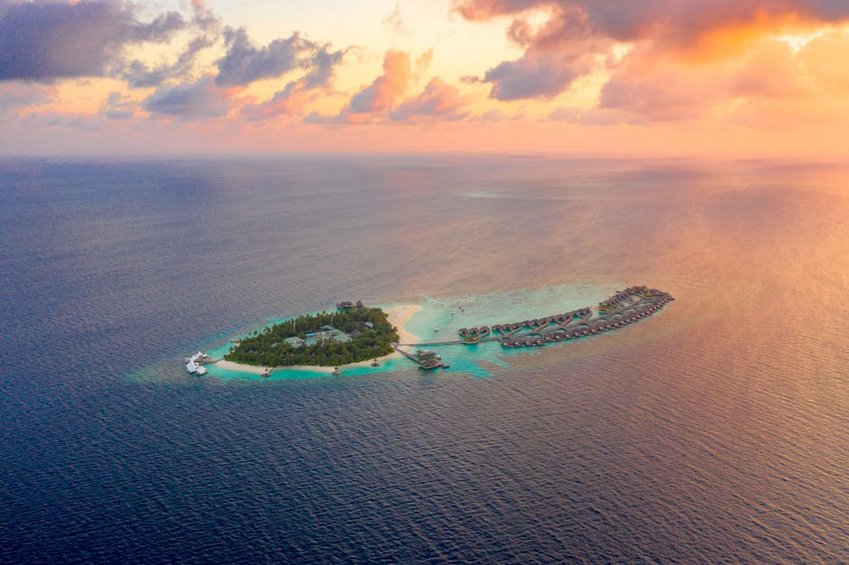
Alt: “varadero-beach-february-turquoise-water-white-sand”
Cuba Varadero February Beach Season – Planning Your Trip
Organizing your winter beach escape requires attention to booking timelines and budget allocation. February is peak tourist season in Varadero, driven by perfect weather and international school breaks. Consequently, resort availability diminishes rapidly, and prices reach their annual peak. For the best selection of rooms and flight options, you should finalize your bookings at least four to six months in advance, especially if your travel dates align with major holidays.
Your budget for a Cuba Varadero February beach season should account for the premium seasonal rates. A mid-range all-inclusive package for two typically starts around $2,500 USD for a one-week stay, excluding flights. This cost reflects the high demand for guaranteed sunshine during the Northern Hemisphere’s winter. Flights from major North American and European hubs also increase in price, so bundling your airfare with your hotel through a tour operator can often yield significant savings.
Planning also involves deciding on your vacation style. Do you prefer a sprawling, activity-filled resort with multiple pools and nightly entertainment, or a smaller, more intimate adults-only property? Researching specific resort reviews and amenities is crucial, as the quality and food offerings can vary widely even within the same price bracket. Your choice will define your daily experience on the peninsula.
Best Time to Visit Varadero’s Beaches
The absolute best weather window for beach perfection runs from late January through mid-April. During this period, you can expect maximum sunshine, minimal rain risk, and pleasant sea breezes. February sits squarely in this sweet spot, offering near-guaranteed excellent beach days. The water visibility for snorkeling is also exceptional during these calm, dry months.
If your schedule is flexible, the very beginning of February or the very end can sometimes offer slightly better rates than the middle of the month, which coincides with more European winter breaks. However, the weather difference is negligible. The true shoulder seasons with lower prices are May and November, but these months come with a higher chance of afternoon showers and more humidity.
Budget Planning and Costs
Costs vary dramatically based on your chosen level of comfort and dining preferences.
Essential Preparation Checklist
Pack lightweight, breathable clothing, swimwear, a wide-brimmed hat, and high-SPF sunscreen, as the February sun is intense. Include a light sweater or jacket for potentially cooler evenings. Bring any preferred over-the-counter medications, personal hygiene products, and a reusable water bottle, as these items can be expensive or difficult to find in Cuban resort shops.
Ensure your passport is valid, you have the correct tourist visa (pink card for Americans, tourist card for others), and you have printed copies of your travel insurance policy, hotel voucher, and flight itinerary. Book and pre-pay for any major excursions online before you travel to secure your spot and avoid needing large amounts of cash on the island. Download offline maps of the area to your phone for easy navigation.
Top Attractions and Beach Activities
While Varadero’s main draw is its spectacular beach, the peninsula and surrounding area offer diverse experiences. The beach itself, Playa Varadero, is publicly accessible, allowing you to stroll for miles past different resorts and enjoy the vibrant atmosphere. Water sports operators are plentiful, offering everything from catamaran sailing and parasailing to jet ski rentals and glass-bottom boat tours directly from the sand.
Beyond the shoreline, you can explore natural attractions like the Saturno Cave (Cueva de Saturno), a cenote where you can swim in fresh, cool water amidst stalactites. The Varahicacos Ecological Reserve offers hiking trails through unique coastal forests and access to quieter beaches. For a change of pace, the downtown area features shops, local restaurants (paladares), and the iconic Mansión Xanadú, a historic mansion turned restaurant with stunning ocean views.
Must-See Highlights
No visit is complete without a catamaran day trip to the nearby cays, such as Cayo Blanco. These excursions typically include snorkeling over vibrant coral reefs, a fresh lobster lunch on a secluded beach, and an open bar. It’s a full-day adventure that showcases the beauty of the Caribbean Sea and is a highlight for most visitors.
For culture, take a day trip to the city of Matanzas, known as the “Athens of Cuba” for its rich history in music and poetry. Visit the Pharmaceutical Museum and the beautiful Sauto Theater. Alternatively, the town of Cárdenas offers a more authentic, non-touristy Cuban atmosphere with its central park and local markets, providing a genuine contrast to the resort zone.
Dolphin encounters are available at Delfinario Varadero, where you can swim with dolphins in a controlled environment. While popular with families, it’s important to research the ethics of such attractions. For a more natural experience, consider a snorkeling trip instead to see marine life in its native habitat.
Hidden Gems and Local Favorites
Venture to Playa Coral, located east of the main hotel strip, for some of the best snorkeling directly from the shore. The underwater landscape here features a vibrant reef close to the beach, accessible to swimmers of all levels. It’s a favorite spot for locals and expats, with minimal infrastructure, so bring your own gear, water, and snacks.
Discover the local art scene at Taller de Cerámica Artistica, a pottery workshop and gallery in Varadero town. You can watch artists at work and purchase unique, handcrafted souvenirs directly from the creators. For an unforgettable meal, seek out paladares like La Vicinanza or Salsa Suárez in the residential areas, where you’ll enjoy exceptional Cuban cuisine in a family-home setting, often at a fraction of the resort restaurant price.
Golf and Land Activities
Varadero Golf Club is Cuba’s premier 18-hole championship course, designed by Les Furber. Located near the Du Pont mansion (Xanadú), it offers a challenging round with stunning ocean views on several holes. Greens fees for non-hotel guests are approximately $150 USD, including mandatory caddy service, which provides both practical help and engaging local insight.
For a different perspective, consider a horseback riding tour along the beach or through the countryside. Several local operators offer guided rides that culminate in a swim with the horses in the ocean—a truly unique and photogenic experience. Bike rentals are also available and provide an excellent way to explore the peninsula’s length at your own pace, accessing areas beyond the typical tourist paths.
Practical Travel Information for Varadero
Navigating Varadero is straightforward, with most needs catered to within the resort zone. Transportation primarily consists of taxis, which are readily available but should be negotiated for a price before the ride begins. For more independence, you can rent a car or a scooter, though driving in Cuba requires extra caution due to different road conditions and signage.
Accommodation is overwhelmingly all-inclusive resort-based, ranging from sprawling family-friendly complexes to exclusive adults-only properties. Choosing a resort at the eastern end of the peninsula (past the golf club) often means quieter beaches, while those closer to downtown Varadero offer easier access to non-resort restaurants and shopping. Booking through a reputable tour operator like Sunwing, Air Canada Vacations, or TUI often provides the best package deals and on-the-ground support.
| Category | Options/Features | Price Range (USD) |
|---|---|---|
| All-Inclusive Resort (Mid-Range) | Multiple pools, buffet & à la carte dining, nightly shows, kids’ club, non-motorized water sports. | $300-$450/night |
| Private Taxi (Tourist) | Modern car, air-conditioned, door-to-door service. Ideal for airport transfers and day trips. | $25-$40 (airport to resort) |
| Catamaran Excursion | Full-day trip with snorkeling gear, open bar, lobster lunch, and beach time on a cay. | $80-$120 per person |
| Dinner at a Paladar | Authentic Cuban meal in a family-run restaurant, includes appetizer, main course, dessert, and drink. | $20-$40 per person |