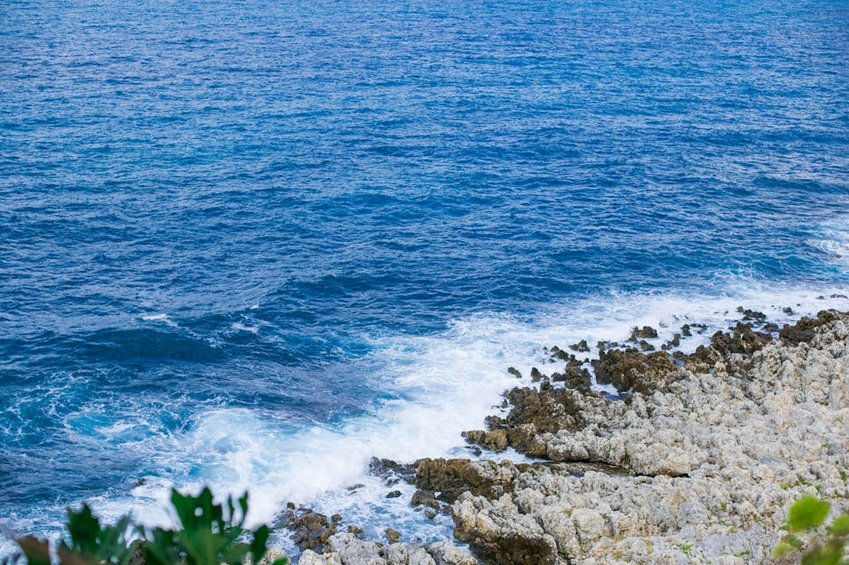
Crete Travel Guide: Your Complete Mediterranean Adventure
Planning your Cretan journey requires balancing ancient history with pristine beaches and rugged mountains. This Crete travel guide provides essential logistics for navigating Greece’s largest island, from the Minoan palaces of Knossos to the dramatic Samaria Gorge. You will discover practical advice on seasonal timing, regional differences, and authentic culinary experiences across four distinct prefectures.
Essential Crete Information
Crete sits in the southern Aegean Sea, approximately 100 miles from the Greek mainland. The island spans 3,219 square miles, featuring a diverse landscape of White Mountains, fertile plateaus, and over 650 miles of coastline. Its strategic location fostered the advanced Minoan civilization, Europe’s first, which peaked around 1,600 BCE.
Modern Crete operates as one of Greece’s 13 administrative regions, divided into Chania, Rethymno, Heraklion, and Lasithi. The population exceeds 600,000, with Heraklion serving as the capital and main transportation hub. Visitors navigate using a mix of rental cars, regional buses, and domestic flights connecting major towns.
Mountain ranges create distinct microclimates, making the north coast warmer and the south coast more sheltered. The Libyan Sea to the south remains swimmable from May through October, with water temperatures reaching 77°F (25°C). This geographic variety supports everything from olive groves and vineyards to rare flora in isolated gorges.
Key Historical Periods and Influences
Understanding Cretan history enriches every site visit. The timeline reflects numerous conquering civilizations.
- Minoan Era (2700–1100 BCE): Characterized by palace complexes like Knossos, advanced fresco art, and a labyrinthine mythological legacy centered on the Minotaur.
- Roman and Byzantine Rule (67 BCE–824 CE): Introduced early Christian basilicas and fortified settlements, with Gortyn serving as the Roman capital of Crete.
- Venetian and Ottoman Periods (1211–1898): Left strong architectural imprints, including the fortresses in Rethymno and Chania and distinctive mosques within old towns.
- Budget Traveler ($50-$75/day): Stay in hostels or self-catering apartments, use public buses, eat at local tavernas for €10-€15 per meal, and focus on free natural attractions like beaches and gorges.
- Mid-Range Traveler ($100-$175/day): Book 3-4 star hotels or villas, rent a small car, enjoy mixed dining at tavernas and nicer restaurants, and pay for entry to major archaeological sites and guided tours.
- Luxury Traveler ($250+/day): Opt for 5-star resorts or boutique hotels with sea views, rent a premium SUV, dine at gourmet establishments, and book private guided excursions or yacht trips along the coast.
- Cretan Tourism Board – Incredible Crete
- Greek National Tourism Organization – Crete
- Hellenic Ministry of Culture – Knossos
The Four Prefectures and Their Characters
Each region offers a unique travel experience. Heraklion prefecture centers on archaeology and bustling urban energy, hosting the renowned Heraklion Archaeological Museum. The palace of Knossos sits just outside the city, requiring advance ticket purchases to avoid long queues.
Chania prefecture boasts the iconic Venetian harbor and lighthouse, along with access to the Samaria Gorge. Its western beaches like Balos and Elafonissi feature pink sand and turquoise lagoons. Meanwhile, Lasithi prefecture offers palm-tree lined Vai Beach and the spiritual retreat of Toplou Monastery.
Local Customs and Social Etiquette
Cretan culture values hospitality, known as “philoxenia.” A friendly “kalimera” (good morning) or “kalispera” (good evening) when entering shops is appreciated. Meals are social, lengthy affairs, often accompanied by local raki spirit offered as a welcome gesture.
Dress modestly when visiting monasteries and churches, covering shoulders and knees. While beachwear is fine on the coast, it is considered disrespectful in villages and towns. Tipping is customary; round up the bill at tavernas or leave 5-10% for good service.
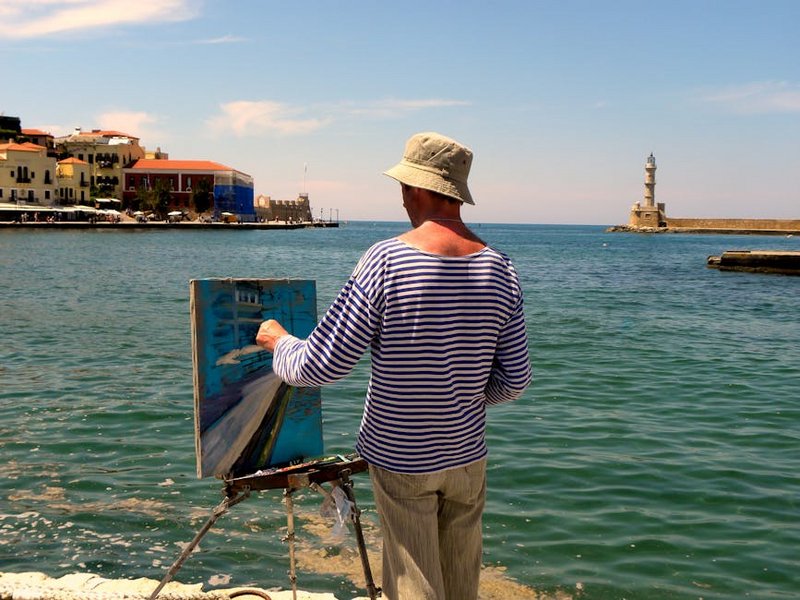
Alt: “chania-venetian-harbor-old-town-crete-greece”
Crete Travel Guide – Planning Your Trip
Successful Greek island exploration hinges on matching your interests with the right region and season. A detailed Crete travel guide helps you allocate time between archaeological wonders, hiking trails, and coastal relaxation. Summer months bring intense heat and crowds, while spring and autumn offer ideal conditions for active adventures.
Budget between $70-$150 per person daily for mid-range travel, covering comfortable lodging, rental car, and meals. Heraklion Airport (HER) serves as the primary international gateway, with Chania Airport (CHQ) handling many European flights. Book ferries from Piraeus (Athens) to Heraklion or Chania ports at least two months ahead for summer travel.
Consider splitting your stay between two prefectures to minimize driving time. A two-week Cretan adventure comfortably allows for a north coast circuit plus a south coast retreat. For shorter visits, focus on one region, like combining Chania’s gorge with nearby beaches.
Best Time to Visit Crete
Peak season runs from late June through August, with temperatures averaging 86–95°F (30–35°C) and minimal rainfall. These months guarantee warm sea swimming but bring crowded attractions and higher prices. Book all accommodations and car rentals three to four months in advance for July and August visits.
Shoulder seasons (April–May and September–October) offer the best overall conditions, with pleasant temperatures of 68–82°F (20–28°C). May features wildflower blooms, while September enjoys warm sea temperatures with fewer tourists. The off-season (November–March) sees cooler weather, around 50–60°F (10–15°C), with some mountain roads closed but vibrant local life.
Budget Planning and Costs
Daily costs vary significantly based on your travel style and the season. Here is a breakdown for different budgets.
Essential Preparation Checklist
Pack sturdy walking shoes for uneven archaeological sites and hiking trails, along with a sun hat, high-SPF sunscreen, and a reusable water bottle. A light jacket or wrap is essential for cooler evenings, even in summer, and for visiting monasteries. Bring European plug adapters (Type C/F) and a portable power bank for navigation.
Ensure your passport is valid for three months beyond your planned departure from the Schengen Area. U.S. and EU passport holders do not need a visa for stays under 90 days. Purchase comprehensive travel insurance covering medical evacuation and rental car excess. Download offline Google Maps of Crete for areas with limited cell service.
Top Attractions and Cretan Activities
No visit is complete without exploring the Minoan legacy at the Palace of Knossos, located just south of Heraklion. Allow three hours to tour the partially reconstructed complex with its throne room and vibrant frescoes. Purchase a combined ticket with the Heraklion Archaeological Museum to see the original artifacts in context.
The Samaria Gorge National Park presents a challenging 10-mile hike through Europe’s longest gorge. The trek takes 4-7 hours, descending from the Omalos plateau to the Libyan Sea at Agia Roumeli. Official opening dates run from May to October, depending on weather, with an early start recommended to avoid midday heat.
For unparalleled coastal scenery, drive to the remote beaches of the south coast. Elafonissi Beach features pink-hued sand and shallow, warm lagoons perfect for families. Balos Lagoon, accessible by car or boat from Kissamos, offers stunning turquoise waters against a dramatic backdrop of Gramvousa Island.
Must-See Historical and Cultural Highlights
The Archaeological Museum of Heraklion houses the world’s most comprehensive collection of Minoan artifacts. Key exhibits include the Snake Goddess figurines, the Phaistos Disc, and the bull-leaping fresco from Knossos. Plan for at least two hours to appreciate its masterpieces.
Chania’s Old Venetian Harbor and Lighthouse provide a picturesque setting for evening strolls and dining. The Maritime Museum of Crete, located within the Venetian fortress, details the island’s naval history. Nearby, the Municipal Market offers a vibrant sensory experience with local cheeses, herbs, and spices.
The ancient city of Aptera, near Chania, features less-crowded ruins from Hellenistic, Roman, and Byzantine periods. The Monastery of Arkadi, a national sanctuary in Rethymno, symbolizes Cretan resistance and is architecturally significant for its Baroque facade.
Hidden Gems and Local Favorites
Escape the crowds at Preveli Beach, where the Kourtaliotiko Gorge meets the sea through a unique palm forest. The freshwater river flowing onto the sand creates a rare landscape. Arrive before 11 a.m. to secure parking and enjoy tranquility before afternoon boat tours arrive.
Explore the traditional mountain villages of the Lasithi Plateau, like Psychro and Tzermiado. These areas offer authentic tavernas serving mountain cuisine and glimpses of old windmills. The Dikteon Cave, believed to be the birthplace of Zeus, is located here and features impressive stalactites.
Visit the historic island of Spinalonga, a former Venetian fortress, Ottoman settlement, and later a leper colony, located in the Gulf of Elounda. Accessible by boat from Plaka or Elounda, its poignant history and views make for a compelling half-day trip.
Adventure and Outdoor Activities
Beyond Samaria, Crete offers numerous gorge hikes suitable for different fitness levels. The Imbros Gorge is a shorter, 5-mile alternative with stunning narrow passages. The Agiofarago Gorge hike leads to a secluded beach and a historic monastery near Matala.
Sea kayaking tours depart from places like Georgioupolis and Paleochora, exploring hidden coves and sea caves inaccessible by land. Scuba diving centers in Hersonissos and Agios Nikolaos reveal underwater caves, reefs, and occasional shipwrecks in the clear Aegean waters.
Practical Travel and Logistics
Transportation defines your Cretan experience. Renting a car provides maximum flexibility for exploring remote beaches and mountain villages. Book well in advance for summer, and opt for a smaller vehicle to navigate narrow village streets. Major rental companies operate at both international airports.
The public bus network (KTEL) reliably connects all major cities and popular tourist towns along the north coast. Service to south coast villages and remote sites is less frequent. For schedules and routes, check the official KTEL websites for Chania, Heraklion, Rethymno, and Lasithi.
Domestic flights connect Heraklion and Chania with Athens (45 minutes) and other Greek islands. Ferries remain a scenic option, with overnight boats from Piraeus taking 6-9 hours. High-speed catamarans reduce travel time but operate mainly in summer.
| Accommodation Type | Best For & Features | Average Price Range (USD) |
|---|---|---|
| Luxury Resort | All-inclusive amenities, private beaches, multiple pools, spa. Located in Elounda, Agios Nikolaos. | $300-$600/night |
| Boutique Hotel | Historic character in old towns (Chania/Rethymno), personalized service, rooftop terraces. | $120-$250/night |
| Self-Catering Villa/Apartment | Families or groups, privacy, kitchen facilities, often with pool. Common in rural areas. | $80-$200/night |
| Traditional Guesthouse | Authentic village experience, home-cooked breakfast, host insights. Found in mountain villages. | $50-$100/night |