City Guide to Singapore: The Ultimate Urban Island Experience
This City Guide to Singapore explores a dynamic city-state where futuristic skyscrapers coexist with lush rainforests and historic neighborhoods. You will find Michelin-starred street food, world-class attractions, and vibrant cultural districts all within a clean, efficient, and incredibly safe metropolitan area. This guide provides practical tips on navigating the Lion City, from budgeting for its premium costs to uncovering its hidden local gems and planning the perfect itinerary.
Essential Singapore Information
Singapore is a sovereign island city-state located at the southern tip of the Malay Peninsula. Founded as a British trading colony in 1819 by Sir Stamford Raffles, it gained independence in 1965 and has since become a global financial hub. The nation’s history is a rich tapestry of Malay, Chinese, Indian, and British influences, which is vividly reflected in its neighborhoods, languages, and food.
The official languages are English, Mandarin, Malay, and Tamil, with English serving as the primary language of business and administration. Singapore uses the Singapore Dollar (SGD), and while credit cards are widely accepted, having some cash for hawker centers is wise. The country is known for its strict laws, which contribute to its remarkable cleanliness and safety.
Key Facts at a Glance
Before you visit, understanding these core details will help you plan.
- Visa Requirements: U.S., U.K., and EU passport holders do not need a visa for tourist stays under 90 days. Always check the latest entry requirements from official sources before traveling.
- Best Time to Visit: The weather is consistently warm (80-90°F/27-32°C) year-round. February to April is driest, while November to January sees more monsoon rains but also festive celebrations.
- Getting Around: The MRT (Mass Rapid Transit) subway system is the fastest, cheapest, and most efficient way to travel. Purchase an EZ-Link or Singapore Tourist Pass for unlimited rides.
- Budget Traveler ($75-120 USD/day): Stay in hostels or budget hotels in Lavender or Geylang. Eat exclusively at hawker centers, use public transport, and focus on free attractions like Gardens by the Bay (outdoor areas) and neighborhood walks.
- Mid-Range Traveler ($200-350 USD/day): Stay in 3-4 star hotels in Kampong Gelam or near Bugis. Enjoy mixed dining at hawker centers and mid-range restaurants. Visit 2-3 paid attractions like the Singapore Zoo or S.E.A. Aquarium.
- Luxury Traveler ($500+ USD/day): Experience 5-star hotels like Marina Bay Sands or Raffles. Dine at celebrity chef restaurants and rooftop bars. Enjoy private tours, spa treatments, and priority access to all major attractions.
- Singapore Tourism Board
- Lonely Planet Singapore Guide
Understanding Singapore’s Unique Identity
Singapore’s identity is defined by its “city in a garden” philosophy and its multicultural society. You can walk from the futuristic Gardens by the Bay to the aromatic stalls of Little India within minutes. This blend creates a unique urban experience unlike any other in Southeast Asia.
The local term “kiasu” (fear of losing out) humorously reflects the driven, efficient nature of Singaporean life. However, this efficiency benefits travelers through seamless public transport and well-organized attractions. Respect for rules and communal spaces is paramount in local culture.
Neighborhoods and Their Characters
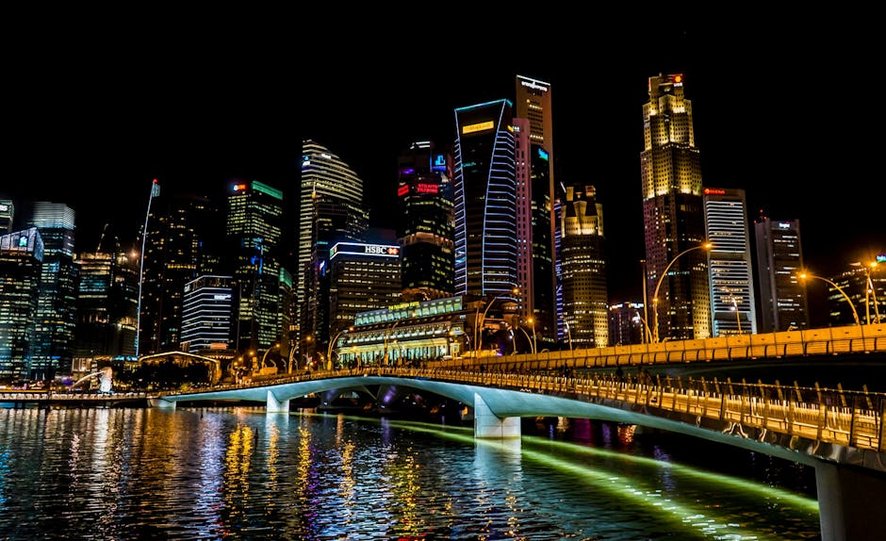
Each district offers a distinct vibe. Marina Bay is the glittering financial and architectural heart, home to the iconic Marina Bay Sands and Supertree Grove. Colonial District surrounds the Padang field with museums and grand historic buildings like the Raffles Hotel.
Chinatown, Little India, and Kampong Gelam (Arab Street) are the vibrant cultural enclaves. Here, you will find heritage shophouses, traditional temples, mosques, and the city’s best authentic food. These areas are essential for experiencing Singapore’s multicultural soul.
Alt: “singapore-marina-bay-sands-skyline-supertree-grove-night”
City Guide to Singapore – Planning Your Trip
Effective planning is crucial for enjoying Singapore, given its density and premium pricing. Your Singapore visit should balance iconic sights with neighborhood exploration and culinary adventures. Allocate your budget wisely, as accommodation and certain attractions represent the biggest costs.
A strategic plan saves both time and money. Consider purchasing bundled attraction passes like the Singapore Pass for significant savings on multiple entries. Book popular restaurants and top hotel pools well in advance, as they fill up quickly.
Best Time to Visit Singapore
The ideal months are February through April, when rainfall is at its lowest and humidity is slightly more manageable. Temperatures average 86°F (30°C) during these drier months. This period avoids the heavy rains of the Northeast Monsoon.
Visiting during major festivals like Chinese New Year (January/February) or Deepavali (October/November) offers incredible cultural experiences. However, anticipate larger crowds and higher accommodation rates. The Great Singapore Sale in June-August is a draw for shoppers.
Budget Planning and Costs
Singapore caters to all budgets, though it is not a cheap destination. Here is a tiered cost breakdown.
Essential Preparation Checklist
Pack light, breathable clothing suitable for a hot and humid climate. Include a light sweater or shawl for aggressively air-conditioned malls and MRT trains. Comfortable walking shoes are non-negotiable for exploring the city’s diverse districts.
Ensure you have a valid passport with at least six months’ validity. While travel insurance is not mandatory, it is highly recommended for covering any medical needs or trip interruptions. Download useful apps like Grab (ride-hailing), Citymapper, and the official Visit Singapore guide before you arrive.
Top Attractions and Activities
Singapore’s attractions range from futuristic wonders to historical treasures. You must prioritize based on your interests, as seeing everything requires considerable time and budget. The city’s efficient layout makes it easy to visit multiple highlights in a single day.
Many major attractions are clustered around Marina Bay, Sentosa Island, and the cultural districts. Purchasing tickets online in advance often provides a discount and guarantees entry, especially for popular spots like Universal Studios Singapore. Always check for combined ticket deals.
Must-See Highlights
Gardens by the Bay is an unmissable feat of engineering and bio-design. The Supertree Grove and its nightly light show are free to enjoy. For a fee, the Cloud Forest and Flower Dome conservatories showcase stunning botanical worlds in climate-controlled environments.
Marina Bay Sands offers the iconic SkyPark observation deck with a breathtaking 360-degree panorama. While expensive, the view at sunset is unforgettable. The adjacent ArtScience Museum features ever-changing, interactive exhibitions that blend art and technology seamlessly.
Sentosa Island is the playground for families and thrill-seekers. It houses Universal Studios Singapore, S.E.A. Aquarium (one of the world’s largest), and adventure activities like zip-lining. You can reach it via monorail, cable car, or even a scenic boardwalk from VivoCity.
Hidden Gems and Local Favorites
Explore the Southern Ridges, a 10-kilometer trail connecting several parks via architecturally stunning bridges like the Henderson Waves. This free activity offers lush greenery, birdwatching, and spectacular city views away from the main tourist crowds.
Visit Haw Par Villa, a bizarre and fascinating theme park built in 1937 depicting Chinese mythology and folklore. It is free to enter and unlike any other attraction in the world. The dioramas are detailed, colorful, and offer a unique glimpse into traditional values and stories.
Cultural and Historical Exploration
The National Gallery Singapore, housed in the former Supreme Court and City Hall buildings, holds the world’s largest public collection of Southeast Asian modern art. The architecture alone is worth the visit. This institution provides crucial context for the region’s artistic development.
Take a guided heritage walk through the backstreets of Tiong Bahru, one of Singapore’s oldest housing estates with charming Art Deco buildings. Now a hipster enclave, it features indie boutiques, art galleries, and legendary local eateries like Tiong Bahru Market.
Practical Travel Information
Navigating Singapore is straightforward thanks to its excellent infrastructure. The Changi Airport consistently ranks as the world’s best, offering amenities from a butterfly garden to a movie theater. From there, downtown is just a 20-minute taxi ride or a 30-minute MRT trip away.
Accommodation prices are high, but options range from capsule hostels to ultra-luxury hotels. Location is key—staying near an MRT station dramatically improves your mobility and access to the entire island. Consider your daily itinerary when choosing a neighborhood.
| Accommodation Type | Best Neighborhoods & Features | Price Range (USD/Night) |
|---|---|---|
| Luxury Hotels | Marina Bay (iconic views), Orchard Road (shopping), Sentosa (resort feel). Rooftop pools, fine dining. | $350 – $1,000+ |
| Boutique/Mid-Range | Kampong Gelam, Chinatown, Robertson Quay. Heritage shophouse style, unique design, good location. | $150 – $300 |
| Budget Hotels/Hostels | Little India, Lavender, Geylang. Basic amenities, shared facilities, excellent local food access. | $50 – $140 |
| Serviced Apartments | River Valley, Orchard. Kitchenettes, laundry, more space. Ideal for longer stays or families. | $200 – $500 |