Cappadocia Travel Guide: Your Portal to Ancient Valleys and Sky Adventures
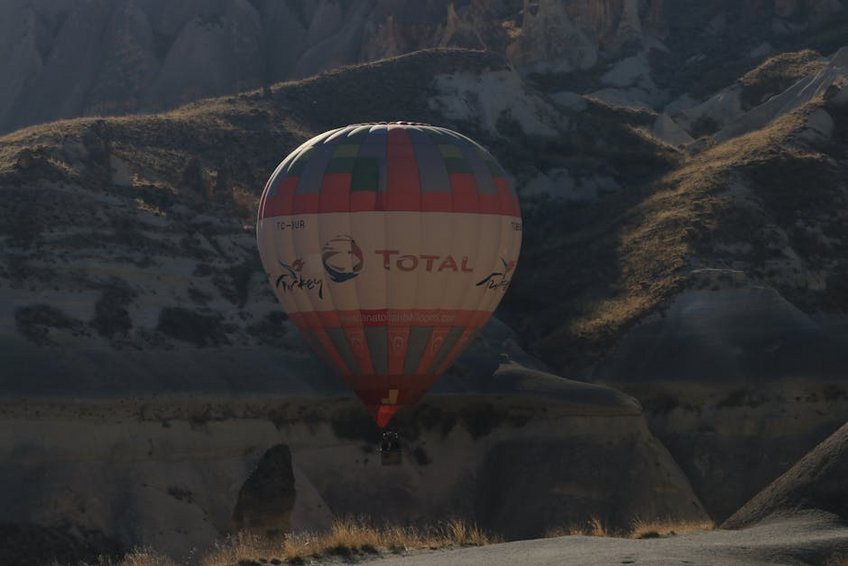
This Cappadocia Travel Guide opens the door to a Turkish landscape where history is carved directly into the earth. You will navigate through fairy chimneys sculpted by wind, explore vast underground cities, and witness the iconic spectacle of hundreds of hot air balloons floating over the valleys at dawn. Your adventure requires navigating a unique terrain filled with ancient cave dwellings, Byzantine frescoes, and local culinary traditions that reflect the region’s storied past. We will cover essential planning steps, from securing the best balloon flight to choosing your cave hotel, ensuring your journey to this central Turkish marvel is seamless and deeply rewarding. This guide provides the practical knowledge needed to transform a dream visit into a tangible, unforgettable itinerary, balancing iconic experiences with authentic local encounters.
Essential Information for Your Cappadocia Visit
Cappadocia, located in central Anatolia, Turkey, is a geological and historical wonder formed by volcanic eruptions millions of years ago. Subsequent erosion shaped the soft tuff rock into the iconic “fairy chimney” spires, cones, and valleys that define the region’s surreal skyline. Human history here stretches back to the Hittites, with early Christians later carving elaborate cave churches and entire subterranean cities to seek refuge.
The main towns for visitors are Göreme, Ürgüp, Uçhisar, and Avanos, each offering a distinct character. Göreme serves as the central hub, closest to the Open-Air Museum and many trailheads. Uçhisar is dominated by its rock castle, offering panoramic views, while Ürgüp provides a more polished town experience. Avanos, on the banks of the Kızılırmak River, is famed for its traditional pottery workshops that continue a craft spanning millennia.
Key Details to Know Before You Go
Understanding the geography and logistics of central Turkey will streamline your trip planning significantly. Distances between towns are short, but the terrain is unique.
- Primary Access: The nearest major airport is Kayseri Erkilet Airport (ASR), about a 75-minute drive from Göreme. Nevşehir Kapadokya Airport (NAV) is closer but has fewer flights. Pre-booking a shuttle transfer is highly recommended.
- Currency & Payments: The local currency is the Turkish Lira (TRY). While credit cards are widely accepted in hotels and larger restaurants, carrying some cash is essential for local markets, small vendors, and taxi fares.
- Best Base: For first-time visitors, Göreme offers the most convenience with its dense concentration of cave hotels, restaurants, and tour operators, placing you within walking distance of several key trailheads and the museum.
- Budget Traveler ($40-70/day): Stay in dorm-style cave hostels, eat at local *lokantas*, use public dolmuş minibuses for transport, and enjoy free valley hikes. A standard group balloon flight will be your main splurge, costing around $180-220 per person for a one-hour experience.
- Mid-Range Traveler ($100-200/day): This budget allows for a private room in a charming cave hotel with breakfast, rental car for flexibility, mixed dining at local and mid-range restaurants, and entry fees to all major museums and underground cities. You might also opt for a boutique balloon company.
- Luxury Traveler ($300+/day): Enjoy five-star cave hotels with spa facilities, private guided tours with expert historians, gourmet meals, and a deluxe balloon flight in a smaller basket with a champagne breakfast celebration post-flight. Private transfers and bespoke itineraries are standard.
- GoTürkiye Official Tourism Portal – Cappadocia
- UNESCO World Heritage – Göreme National Park
- Cappadocia Governorship Official Site
Historical and Cultural Context
The region’s significance skyrocketed during the early Byzantine era, when Christian communities established monastic settlements. They carved over 600 churches directly into the rock faces, adorning them with vivid frescoes that remain remarkably preserved. Sites like the Göreme Open-Air Museum offer an intimate look into this ascetic life, showcasing chapels, refectories, and living quarters all hewn from stone.
Beneath the surface lies another marvel: the underground cities of Derinkuyu and Kaymaklı. These elaborate, multi-level complexes could house thousands of people along with their livestock and supplies. Designed with rolling stone doors, ventilation shafts, and intricate tunnels, they served as protected havens during periods of invasion. Exploring these cities provides a humbling perspective on human resilience and ingenuity.
Climate and Weather Patterns
Cappadocia experiences a continental climate with four distinct seasons, each offering a different travel experience. Summers are hot and dry, with July and August temperatures often reaching 86°F (30°C), making early morning exploration ideal. Winters are cold and snowy, with January averages around 32°F (0°C), transforming the landscape into a serene, white wonderland perfect for photography.
Spring (April-May) and autumn (September-October) are widely considered the optimal times for a comprehensive visit. During these shoulder seasons, daytime temperatures are a pleasant 60-75°F (15-24°C), crowds are thinner, and balloon flights operate with high frequency. Late autumn also offers the stunning visual contrast of golden poplar trees against the pale rock formations.
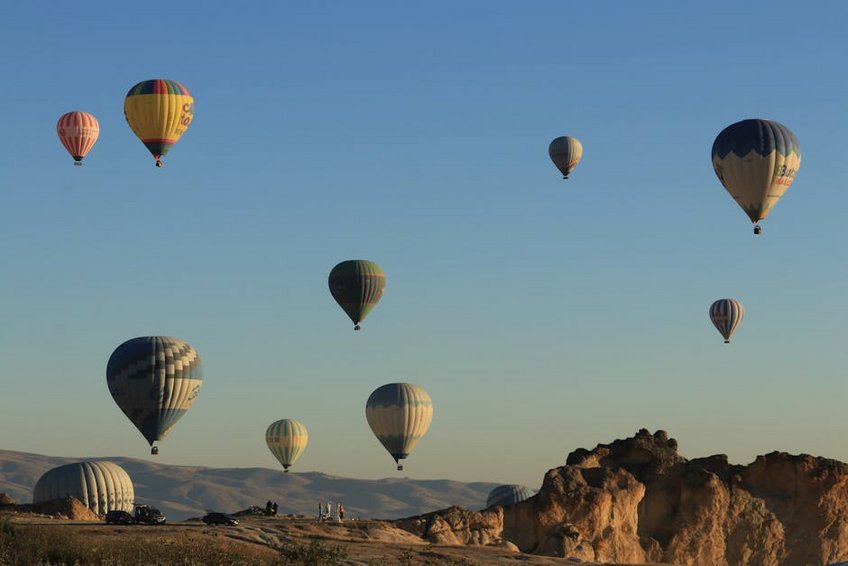
Alt: “goreme-valley-fairy-chimneys-hot-air-balloons-sunrise”
Cappadocia Travel Guide – Planning Your Trip
Effective planning for this destination revolves around three pillars: timing your visit for optimal conditions, budgeting for variable costs like balloon rides, and securing the right cave accommodation. Your Cappadocia Travel Guide should begin with flight research into Istanbul or Ankara, followed by a domestic connection to Kayseri. We advise booking your hot air balloon reservation as early as possible, especially for peak season visits, as this is the region’s most sought-after experience and sells out days or weeks in advance.
Accommodation choices range from basic hostels to luxurious cave suites with modern amenities carved into ancient rock. Decide whether you prioritize location, historic ambiance, or hotel facilities. Similarly, plan your daily itinerary to balance guided tours with independent exploration; renting a car provides excellent flexibility for reaching dispersed valleys, while local tours efficiently cover historical sites with expert commentary. Advance planning ensures you experience both the iconic highlights and peaceful moments in this captivating landscape.
Best Time to Visit Cappadocia
Visit Cappadocia between late April and early June, and again from September to October, for the most reliable weather and comfortable sightseeing conditions. Daytime temperatures during these periods average 65-75°F (18-24°C), ideal for hiking through the valleys without the intense summer heat. Balloon flights operate nearly every morning, with cancellation rates due to wind being relatively low compared to winter months.
The summer months of July and August are peak tourist season, bringing larger crowds and temperatures that can soar above 86°F (30°C). Winter, from December to February, offers a magical, snowy landscape and lower prices, but balloon flights are frequently grounded due to weather. If your primary goal is a balloon flight, prioritize the shoulder seasons. For photography and solitude, a winter visit can be exceptionally rewarding with proper cold-weather gear.
Budget Planning and Costs
A trip to central Turkey can fit various budgets, with the balloon flight being the largest variable cost. Plan daily expenses based on your travel style.
Essential Preparation Checklist
Packing for Cappadocia requires consideration of its terrain and climate variability. Sturdy, closed-toe walking shoes with good grip are non-negotiable for navigating uneven, rocky paths in the valleys. Dress in layers, as temperatures can shift dramatically from cool mornings to warm afternoons, especially in spring and fall. Include a warm jacket, hat, and gloves if traveling between November and March.
Essential documentation includes a passport valid for at least six months beyond your entry date. Most Western nationals can obtain an e-Visa online before departure. Purchase comprehensive travel insurance that specifically covers adventure activities like hot air ballooning. Book your balloon flight and preferred cave hotel at least three to four months in advance for visits during the high and shoulder seasons to secure availability and better rates.
Top Attractions and Unforgettable Activities
The magic of this region unfolds through a mix of aerial perspectives, underground exploration, and serene hikes. The pre-dawn hot air balloon ascent provides a breathtaking overview of the moon-like terrain as the sun illuminates the valleys. Complement this aerial adventure with hikes through the Rose, Love, and Pigeon Valleys, where you can wander among the fairy chimneys and discover hidden cave churches at your own pace, often with few other people around.
Cultural immersion comes from visiting the Göreme Open-Air Museum, a UNESCO World Heritage site, and the pottery workshops in Avanos. A guided tour of an underground city is essential to appreciate the scale and complexity of these ancient shelters. For a unique evening, consider a traditional Turkish night show with folk dancing and a glimpse of the whirling dervishes, offering insight into local performing arts and spiritual traditions.
Must-See Highlights and Valleys
The Göreme Open-Air Museum is the essential historical starting point, housing a complex of rock-cut churches adorned with 10th to 12th-century frescoes. Plan to spend at least two hours here, arriving early to avoid the largest tour groups. Next, dedicate time to explore at least two of the main valleys on foot; the Red and Rose Valley hike, connecting to Cavusin village, offers some of the most dramatic scenery and can be completed in 2-3 hours.
Uçhisar Castle, the region’s highest point, provides a 360-degree panoramic view perfect for sunset. The Zelve Open-Air Museum showcases an abandoned cave village where people lived until the 1950s, offering a more raw and atmospheric experience than Göreme. For a memorable souvenir, visit a family-run pottery workshop in Avanos to see masters throwing clay on ancient kick-wheels, a craft passed down for generations using clay from the Red River.
Hidden Gems and Local Favorites
Venture beyond the main sites to find quieter, equally stunning locations. Soğanlı Valley, located about an hour’s drive south of Göreme, features a collection of remote rock-cut churches with less-restored frescoes and far fewer visitors. The hike here feels more like a discovery, and local women sometimes sell handmade dolls at the entrance. Another off-the-beaten-path site is the Çavuşin Old Village, where you can explore crumbling cave houses and a large, atmospheric church on a cliff face.
For a unique cultural experience, visit the historic Sarıhan Caravanserai, a 13th-century Seljuk stone inn beautifully illuminated at night, which often hosts traditional whirling dervish ceremonies. The small town of Mustafapaşa (Sinasos) showcases beautiful Greek architecture from the pre-1923 population exchange, with ornate stone mansions that contrast with the cave dwellings. These locations provide a deeper, more peaceful connection to the region’s layered history.
Adventure and Specialty Tours
Beyond ballooning, Cappadocia offers diverse adventure experiences tailored to different interests. ATV (quad bike) tours are a popular way to zip through the valleys during sunset, covering more ground than a hike and offering an exhilarating ride. For equestrian enthusiasts, horseback riding through the trails provides a traditional and serene mode of transport through the picturesque landscapes, with routes suitable for all skill levels.
Photography tours led by local experts can take you to the best vantage points for capturing the balloons at sunrise or the golden light on the fairy chimneys during the “blue hour.” Cooking classes in a cave home teach you to prepare classic Turkish dishes like *mantı* (dumplings) and *testi kebab* (clay pot kebab). These specialized activities add unique dimensions to your itinerary, moving beyond passive sightseeing to hands-on participation.
Practical Travel Information and Logistics
Navigating Cappadocia is straightforward once you understand the local transportation options and accommodation landscape. The region is not large, with most key sites within a 20-30 minute drive of Göreme. Your choice of base town will influence your daily travel patterns, with Göreme offering the most walkable access to trails and services, while staying in Ürgüp or Uçhisar may require more reliance on taxis or a rental car for evening dining and exploration.
Accommodation is a defining part of the experience, with the option to stay in a authentic cave room. These range from rustic and historical to luxurious with modern bathrooms, jacuzzis, and stunning valley views. Booking directly with hotels can sometimes yield better rates or room upgrades, especially during the shoulder seasons. Always confirm if your hotel offers airport transfer services, as this can simplify your arrival considerably.
| Accommodation Type | Features & Best For | Price Range/Night (USD) |
|---|---|---|
| Cave Hostel / Guesthouse | Budget-friendly, social atmosphere, basic amenities, often shared bathrooms. Best for solo travelers and backpackers. | $15 – $40 |
| Boutique Cave Hotel | Authentic cave rooms with private facilities, charming decor, breakfast included, personalized service. Best for couples and mid-range travelers. | $80 – $180 |
| Luxury Cave Suite Hotel | Spacious suites carved into rock, modern luxury amenities (jacuzzi, fireplace), panoramic terraces, spa facilities. Best for honeymoons and luxury seekers. | $200 – $500+ |
| Standard Hotel (Non-Cave) | Modern building with standard rooms, predictable amenities, often located in town centers. Best for those who prefer conventional hotels. | $50 – $120 |