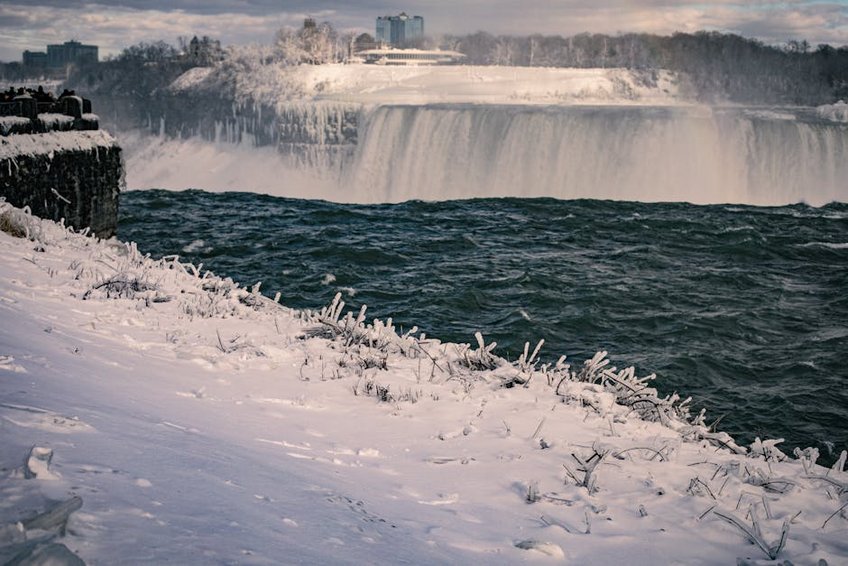
Canada Niagara Falls Winter Frozen Views: A Magical Ice Experience
Witnessing Canada Niagara Falls winter frozen views transforms the iconic waterfalls into a stunning icy spectacle, with massive ice formations clinging to the cliffs and mist freezing mid-air. This seasonal phenomenon occurs when temperatures plummet, creating unique photography opportunities and quieter crowds compared to summer visits. This guide covers essential planning tips, safety precautions for icy conditions, and the best vantage points for capturing the frozen beauty.
Essential Niagara Falls Winter Information
Niagara Falls experiences its winter season from December through February, with temperatures often dipping below freezing. The Canadian side offers superior views of both the American and Horseshoe Falls, with well-maintained pathways and observation decks. Winter visitors enjoy shorter lines at attractions and special events like the Winter Festival of Lights.
Historical records show the falls partially freezing in extreme cold, with the first documented ice bridge forming in 1888. Local authorities monitor conditions closely, restricting access to hazardous areas during ice buildup. The surrounding Niagara Parks remain open, though some boat tours and outdoor activities may be limited or closed.
What You Need to Know Before Visiting
Prepare for your Arctic adventure with these key considerations.
- Winter temperatures range from 14°F to 32°F (-10°C to 0°C) with wind chill making it feel colder, requiring thermal layers, waterproof boots, and traction devices for shoes.
- Daylight hours shorten to 8-9 hours in December, plan photography for 10 AM to 4 PM when light best highlights ice formations and rainbows in the mist.
- Check Niagara Parks website for attraction closures, as Journey Behind the Falls may operate limited hours while Hornblower Niagara Cruises typically suspend winter operations.
- Budget travelers spend $80-120 USD daily using hostels like Niagara Falls Hostel ($45/night), purchasing groceries, and enjoying free attractions like Winter Festival of Lights and Niagara Parks walking paths.
- Mid-range visitors allocate $150-250 USD daily for hotels such as Sheraton Fallsview ($180/night), dining at restaurants like Milestones, and experiencing paid attractions including Journey Behind the Falls and Skylon Tower observation deck.
- Luxury experiences cost $350-500 USD daily featuring rooms at Marriott Fallsview ($300/night), fine dining at 21 Club, private guided tours, and spa treatments at hotels with falls views.
- Niagara Parks Commission
- Travel + Leisure Magazine
Key Winter Season Details
January typically delivers the most dramatic frozen scenes, with ice accumulations reaching 50 feet thick in some areas near the base. However, the waterfalls never completely freeze solid due to the massive water volume and constant flow. The mist from the falls creates spectacular ice coatings on trees and railings, transforming the landscape into a winter wonderland.
Weekday visits between Christmas and New Year’s avoid the largest crowds, though the Winter Festival of Lights continues through early January. Hotels often offer discounted rates in January and February, excluding holiday periods. Meanwhile, the American side provides different perspectives but fewer maintained winter viewing areas.
Winter Safety Considerations
Icy conditions require careful footing, especially along the Niagara Parkway and Table Rock area. Parks staff regularly clear snow but black ice can form quickly near the mist zone. Use handrails on all staircases and platforms, as surfaces become slippery with frozen spray.
Wind coming off the falls can intensify the cold factor significantly. Dress in multiple layers with a waterproof outer shell to stay dry from the constant mist. Additionally, carry traction cleats for your shoes, available at local shops for $15-25 USD.
Alt: “niagara-falls-winter-ice-formations-frozen-mist”
Canada Niagara Falls Winter Frozen Views – Planning Your Trip
Successful Canada Niagara Falls winter frozen views require strategic timing between late December and February when Arctic air masses typically create the most dramatic ice scenes. Budget $150-250 USD per day for mid-range accommodations, meals, and attractions, with luxury options exceeding $400 daily. Reserve hotels 2-3 months early for December visits, while January and February bookings need 4-6 weeks notice.
Focus your itinerary on the Canadian side where viewing platforms at Table Rock and Journey Behind the Falls provide the closest frozen waterfall perspectives. Purchase the Niagara Falls Wonder Pass for $65 USD to access multiple attractions while saving 25% compared to individual tickets. Check weather forecasts regularly as conditions change rapidly, with perfect ice formation typically occurring after 3-4 consecutive days below 20°F.
Best Time to Visit for Frozen Views
Visit between January 15th and February 28th for the highest probability of spectacular ice formations, when temperatures consistently range from 10°F to 25°F (-12°C to -4°C). These weeks typically feature the most extensive ice bridges and frozen mist sculptures along the cliffs. Crowds diminish significantly after New Year’s Day, providing better photography opportunities without summer congestion.
Shoulder seasons in early December and March offer occasional frozen scenes with milder temperatures between 25°F and 35°F (-4°C to 2°C). However, ice accumulation proves less dramatic during these transitional months. For guaranteed frozen landscapes, target the deep winter period when the Niagara River ice boom contains lake ice from entering the falls area.
Budget Planning and Costs
Winter travel costs vary significantly based on accommodation choices and activity preferences.
Essential Preparation Checklist
Pack thermal underwear, waterproof insulated boots, mittens instead of gloves, and multiple layers including a windproof jacket. Bring microspikes or ice cleats for secure footing, available from outdoor retailers for $20-40 USD, plus hand warmers and a thermos for hot drinks. Photography equipment requires lens cloths and protective covers against freezing mist.
International visitors need valid passports with Canadian entry requirements, while US citizens can use enhanced driver’s licenses. Purchase travel insurance covering winter weather disruptions, particularly for flight delays or attraction closures. Book accommodations with free cancellation policies and verify attraction operating hours directly with providers before visiting.
Top Winter Attractions and Activities
Winter transforms Niagara Falls experiences with unique seasonal offerings beyond summer boat tours. The Journey Behind the Falls operation continues with limited hours, allowing visitors to stand within feet of partially frozen cataract walls. Meanwhile, the Niagara Parks Butterfly Conservatory provides a warm tropical escape when temperatures drop below freezing outside.
Table Rock Centre remains the premier viewing location, with heated indoor areas and massive windows framing the frozen spectacle. Outdoor enthusiasts can explore the Niagara River Recreation Trail, partially cleared of snow for winter walking and photography. The American side observation tower offers panoramic views of the ice-coated Canadian Horseshoe Falls from across the river.
Must-See Winter Highlights
Table Rock Welcome Centre provides the closest frozen falls perspectives with safe, maintained platforms and educational displays about winter formation science. Visit between 10 AM and 2 PM when sunlight angles create rainbows in the ice mist, then warm up in their restaurant overlooking the action. Admission remains free with paid parking available for $15-25 USD daily.
Winter Festival of Lights illuminates the Niagara Parkway from November through January with over three million lights and multimedia shows. The enchantment begins at 5 PM daily, creating magical photo opportunities against the frozen backdrop. Meanwhile, Skylon Tower observation deck offers 360-degree views of the ice-encased falls from 775 feet above the landscape.
Journey Behind the Falls operates weather permitting, taking visitors through tunnels to observation portals directly beside the frozen curtain. The experience includes yellow slickers to protect against freezing spray, with tickets costing $25 USD for adults. Check operating status during extreme cold when ice buildup may temporarily close access tunnels.
Hidden Gems and Local Favorites
Dufferin Islands Nature Area features tranquil frozen ponds and winding paths through snow-laden forests just downstream from the main falls. This quiet sanctuary offers unique photography angles away from crowds, with ice-skating opportunities when conditions permit. Access remains free year-round with parking available along the Niagara Parkway.
Whirlpool State Park on the American side provides dramatic views of the frozen Niagara River whirlpool, where ice formations create abstract sculptures along the banks. The cable car typically operates in winter when weather allows, offering aerial perspectives of the ice-choked gorge. Meanwhile, local photographers favor the early morning hours at Oakes Garden Theatre for capturing sunrise light on ice crystals.
Winter Photography Techniques
Use polarizing filters to reduce glare from ice and snow while increasing color saturation in your winter waterfall images. Shoot during golden hour when low-angle sunlight highlights texture in ice formations, typically between 3:30 PM and 4:30 PM in January. Protect your equipment from freezing mist with waterproof covers and keep spare batteries warm in interior pockets.
Composition techniques should incorporate foreground ice elements to create depth, with medium telephoto lenses isolating interesting frozen details. Meanwhile, wide-angle lenses capture the full scale of ice-encased cliffs against the moving water. Tripods prove essential for long exposures smoothing water motion while maintaining sharpness in ice structures.
Practical Winter Travel Information
Transportation options adapt to winter conditions with GO Transit and WEGO bus systems maintaining regular schedules barring extreme weather. Rental cars provide flexibility but require winter tires and experience driving in snow, with daily rates from $45 USD. Meanwhile, ride-sharing services like Uber operate throughout the Niagara region with surge pricing during peak visitation periods.
Accommodation choices cluster in Fallsview Boulevard area with premium views, or along Lundy’s Lane for budget-friendly options. Winter rates typically run 30-50% lower than summer peaks, except during holiday weeks. Book rooms with cancellation policies since weather may disrupt plans, and verify that your chosen hotel maintains heated indoor pools and parking facilities.
| Category | Options/Features | Price Range (USD) |
|---|---|---|
| Budget Accommodation | Hostels, motels with basic amenities, free breakfast, limited views | $45-80/night |
| Mid-Range Hotels | Fallsview or city center locations, indoor pools, restaurants on-site | $120-220/night |
| Luxury Properties | Direct falls views, spas, fine dining, concierge services, balconies | $250-450/night |
| Winter Activities | Attraction passes, guided tours, festival events, photography workshops | $25-150/person |