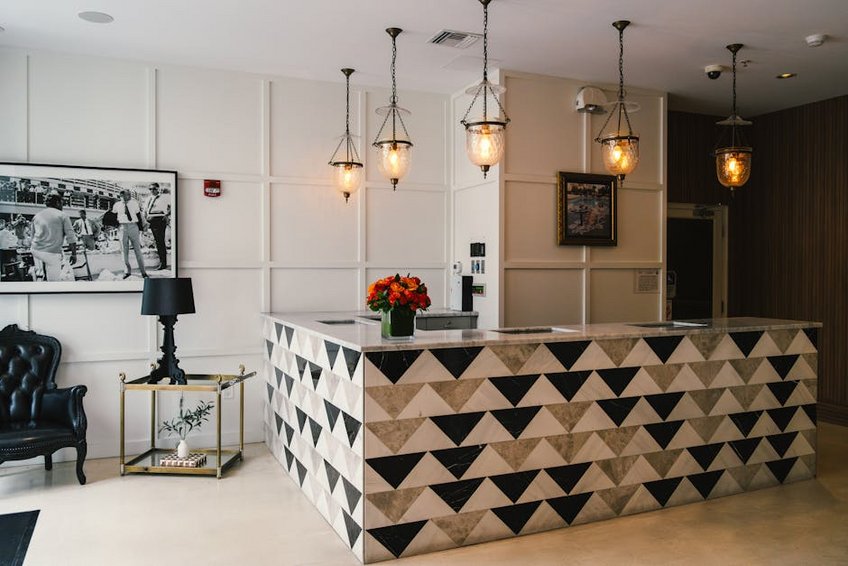
Boutique Hotel Routes in Turkey: Curated Luxury and Heritage
Exploring Turkey through its boutique hotel routes offers a uniquely intimate way to experience the country’s rich history, breathtaking landscapes, and renowned hospitality. This journey takes you beyond standard tourist paths, connecting you with meticulously restored mansions, historic caves, and seaside retreats that each tell a distinct story. This guide provides the essential framework for planning your adventure, covering the best regional circuits, booking strategies, and cultural insights to design a seamless and memorable itinerary.
Essential Information on Turkish Boutique Stays
Boutique accommodations in Turkey represent a distinct category focused on authenticity, design, and personal service, often with fewer than 30 rooms. These properties are frequently converted historical buildings—such as Ottoman-era konaks, Greek stone houses, or Cappadocian cave dwellings—that have been restored with modern comforts. The concept transforms your accommodation from merely a place to sleep into the centerpiece of your travel experience, offering deep immersion into local architecture and traditions.
Choosing a boutique hotel route means prioritizing atmosphere and character over generic chain hotel amenities. You trade large swimming pools and international buffets for handcrafted breakfasts with local products, personalized recommendations from owners, and one-of-a-kind rooms. This style of travel suits those seeking a deeper connection with Turkey’s diverse regions, from the Aegean coast to the mystical landscapes of Cappadocia and the ancient cities of the southeast.
What Defines a Turkish Boutique Hotel
Key characteristics set these properties apart from standard hotels. They are deeply rooted in their location, often using local materials and traditional craftsmanship in their design and decor.
- Architectural Heritage: Many are restored historical buildings, including 19th-century mansions in cities like Istanbul and Antalya, cave hotels carved into Cappadocian fairy chimneys, or stone houses in coastal villages like Alaçatı and Kas.
- Personalized Service: With a high staff-to-guest ratio, service is attentive and tailored. Owners or managers often greet guests personally and provide insider tips on local dining and hidden sights.
- Distinctive Design Narrative: Each property has a unique theme, whether it’s showcasing Ottoman textiles, Seljuk motifs, or a contemporary take on Anatolian culture, ensuring no two stays are alike.
- Budget-Conscious Boutique: ($120-200/night): Expect beautifully restored rooms in less-touristed towns like Şirince or Assos. Breakfast is included, but amenities like pools or spas may be limited. Booking 3-6 months in advance secures the best value.
- Mid-Range Heritage Stays: ($250-450/night): This range covers most premier cave hotels in Cappadocia and seafront stone houses in Kalkan. Rates typically include gourmet breakfast, perhaps an afternoon tea, and exceptional service. Reserve 6-9 months ahead for peak season.
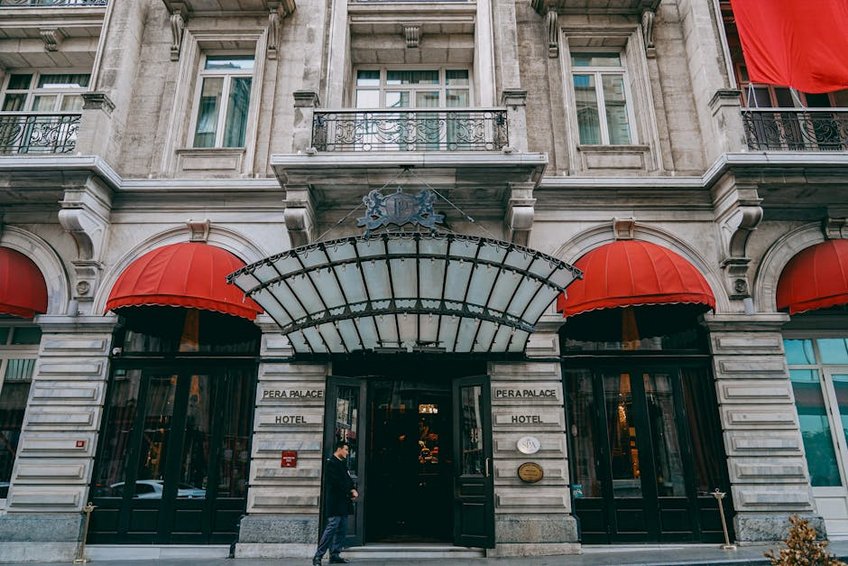
- Luxury & Historical Icon Properties: ($500-1,200+/night): Includes palatial suites in Istanbul’s Pera district or ultra-exclusive cave suites with private terraces. Amenities feature private guides, in-room hamam treatments, and Michelin-level dining. Book a full year in advance, especially for suites.
- GoTürkiye – Official Tourism Portal of Turkey
- Condé Nast Traveler – Luxury Hotel Guides
Key Regions for Luxury Heritage Stays
Turkey’s geography offers distinct circuits, each with its own architectural and cultural flavor. The most celebrated route is in Cappadocia, where cave hotels in Göreme and Uçhisar provide surreal accommodations with panoramic views of the volcanic landscape. Here, waking up to hot air balloons floating past your window is a common occurrence, blending ancient dwelling with a world-famous spectacle.
The Aegean and Mediterranean coasts boast another premier circuit, featuring restored Greek and Ottoman stone houses in towns like Bozcaada, Alaçatı, and Kalkan. These whitewashed properties often feature courtyards filled with bougainvillea and are just steps from cobblestone lanes leading to harbors and beaches. This coastal route perfectly combines history with leisurely seaside living.
Cultural and Historical Context
The proliferation of these hotels is a relatively modern phenomenon, gaining momentum in the last 25 years as entrepreneurs and families began preserving historical buildings for tourism. This movement has helped save countless structures from decay, turning them into sustainable assets that celebrate Turkey’s multicultural past. In regions like Cappadocia, the adaptation of ancient cave dwellings for modern hospitality is a direct link to centuries of human habitation.
Staying in these properties supports local preservation efforts and often involves families who have owned the buildings for generations. Your visit contributes to the maintenance of living history, ensuring that traditional architectural techniques and stories are passed on. It is a form of travel that values authenticity and legacy over standardized convenience.
Alt: “cappadocia-cave-hotel-terrace-balloons-morning-view”
Boutique Hotel Routes in Turkey – Planning Your Trip
Crafting your boutique hotel journey requires strategic planning, as these unique properties often have limited room counts and book quickly, especially during peak seasons. A successful route connects 2-4 regions thematically, such as a “Stone & Sea” circuit along the Turquoise Coast or a “History & Hammams” route through Istanbul and Bursa. Consider travel times between destinations, aiming for 3-4 nights at each property to fully appreciate its character and surroundings.
Booking directly through the hotel’s official website often yields the best rates, included amenities like airport transfers, or flexible cancellation policies. For multi-stop itineraries, using a reputable travel agent specializing in Turkey can streamline logistics, securing hard-to-get reservations and arranging private drivers between locations. This planning phase is crucial for a smooth luxury heritage experience across different regions.
Best Time to Visit for a Boutique Circuit
The ideal months for a boutique hotel tour are during the shoulder seasons: April to early June and September to October. During these periods, daytime temperatures range from a pleasant 65-80°F (18-27°C), crowds are manageable, and availability at top properties is better than in peak summer. You’ll enjoy comfortable weather for exploring ancient sites and coastal towns without the intense heat or winter chill.
July and August bring hot weather, with temperatures often exceeding 90°F (32°C), and premium rooms in coastal boutiques are booked almost a year in advance. The winter months from November to March offer deep discounts and a cozy atmosphere, particularly in Cappadocia where cave hotels are naturally insulated, though some coastal properties close entirely. For a mix of regions, late spring or early autumn provides the most reliable conditions.
Budget Planning and Costs
Daily costs vary significantly based on season, location, and property prestige. A well-planned route balances splurge nights with more modest, yet still authentic, options.
Essential Preparation Checklist
Beyond standard travel documents, a boutique hotel circuit requires specific preparation. Ensure you have confirmed reservations with clear check-in instructions, as many properties are located in pedestrian-only old towns. Download offline maps for these areas, and carry the hotel’s local phone number for last-minute navigation help. Pack comfortable walking shoes for cobblestone streets and a versatile layer for cooler evenings.
Notify hotels of any dietary requirements well before arrival, as meals are often fixed-menu experiences showcasing local cuisine. Secure comprehensive travel insurance that covers trip interruptions, as boutique hotels often have stricter cancellation policies. Finally, plan your inter-city transport; private transfers are the most efficient and comfortable way to travel between these distinct destinations, though domestic flights connect major hubs like Istanbul, Cappadocia (Kayseri/NEV), and the coast.
Top Regional Routes and Iconic Properties
Designing your route involves selecting complementary regions that showcase Turkey’s diversity. A classic 10-day circuit might start in Istanbul’s historic Sultanahmet or chic Beyoğlu districts, then fly to Cappadocia for three nights, and conclude with coastal relaxation in the Bodrum Peninsula or the Turquoise Coast. Each leg offers a completely different aesthetic and experience, from urban energy to lunar landscapes and azure seas.
For a deeper dive into a single theme, consider a “Wine & Architecture” route through Thrace, visiting boutique vineyards with guesthouses, or an “Ancient Civilizations” path from Ephesus to Pamukkale, staying in restored homes near each archaeological wonder. The key is balancing travel time with immersion, allowing you to unpack and savor the unique ambiance of each carefully chosen property.
Must-See Highlights and Stays
In Cappadocia, the Museum Hotel in Uçhisar sets the standard for luxury cave accommodations, featuring an antique-filled museum and infinity pools overlooking the valley. For a more intimate feel, Sultan Cave Suites in Göreme offers famous terrace views directly facing the sunrise balloon launch. These properties are destinations in themselves, often requiring minimal travel to experience the region’s magic.
Along the Aegean, the Hasan Dede Konagi in Alaçatı is a meticulously restored 19th-century mansion with a serene courtyard, perfectly positioned for exploring the town’s windmill-dotted streets and chic boutiques. On the Mediterranean, the Hotel Villa Mahal in Kalkan provides a dramatic cliffside setting with a stunning seawater pool and direct sea access, epitomizing the laid-back luxury of the Turkish Riviera.
Hidden Gems and Local Favorites
Venture beyond the most famous names to discover equally captivating properties. In the olive grove-filled hills above Ayvalık, the Taş Konak is a 150-year-old Greek mansion offering tranquility and stunning sea views away from the crowds. In the southeastern city of Mardin, with its sweeping Mesopotamian plains vista, Erdoba Konakları consists of several interconnected Assyrian stone houses, providing an utterly unique cultural immersion.
On the remote Bozcaada island, the traditional wine-producing community offers several small guesthouses like Rengigül Konak, where you can cycle to vineyards and secluded coves. These lesser-known stops add unexpected depth to your journey, connecting you with local rhythms and hospitality that feels genuinely personal and undiscovered.
The Istanbul Boutique Experience
Istanbul serves as the gateway and often the starting point for any boutique route. The city’s historic neighborhoods are treasure troves of converted mansions. In Sultanahmet, properties like the Empress Zoe are tucked into Byzantine-era walls, while in Beyoğlu, the Witt Istanbul Suites offers chic, apartment-style living in a renovated 19th-century building. Each district provides a different vibe, from the historic core to the contemporary art and dining scene.
Staying in these urban boutiques places you within walking distance of major sites like the Hagia Sophia or the Grand Bazaar, but within a quiet oasis. Many feature rooftop terraces with iconic views of the Bosphorus, creating a perfect balance of excitement and retreat. Allocating at least three nights here allows you to adjust to the time zone and begin your Turkish adventure in immersive style.
Practical Travel Information and Logistics
Navigating between boutique hotel destinations is straightforward with proper planning. Turkey has an extensive network of domestic flights operated by Turkish Airlines, Pegasus, and SunExpress, efficiently connecting Istanbul (IST/SAW) with Cappadocia (ASR/NAV), Izmir (ADB), and other regional hubs. For shorter distances along the coast, renting a car provides maximum flexibility, though private transfers offer a stress-free alternative with door-to-door service.
When moving between properties, coordinate check-out and check-in times with your transfer company. Boutique hotels are often exceptionally accommodating, offering to store luggage if you arrive early or providing a late check-out when possible. Clear communication ensures smooth transitions, letting you focus on enjoying the journey rather than worrying about logistics.
| Accommodation Type | Prime Locations & Features | Average Price Range/Night (USD) |
|---|---|---|
| Cave Hotel (Luxury) | Göreme, Uçhisar (Cappadocia); private terrace, hamam, panoramic valley views | $350 – $900 |
| Seaside Stone House | Alaçatı, Kalkan, Bozcaada; courtyard garden, steps to harbor, traditional architecture | $200 – $500 |
| City Mansion (Konak) | Istanbul (Sultanahmet, Beyoğlu), Antalya (Kaleiçi); historic district location, rooftop terrace | $180 – $600 |
| Countryside Estate | Şirince, Ayvalık Hills, Thrace; vineyard or olive grove setting, pool, restaurant | $120 – $300 |