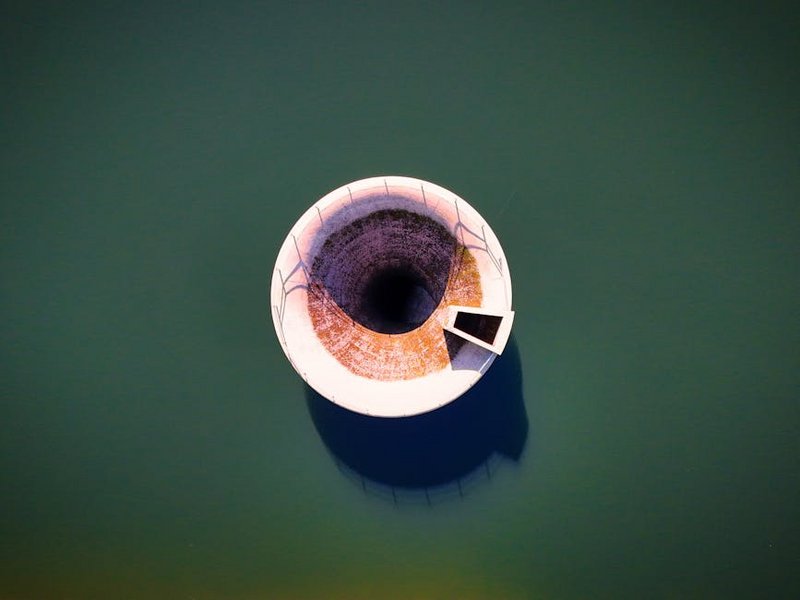
Belize Blue Hole Aerial View: Capturing the Caribbean’s Natural Wonder
The Belize Blue Hole aerial view presents a stunning circular formation in the Caribbean Sea, visible only from above and revealing its full majestic scale. This perspective highlights the deep blue center surrounded by vibrant coral reefs, offering a unique glimpse into geological history and marine biodiversity. Our guide covers scenic flight options, optimal timing, photography techniques, and practical tips for experiencing this iconic site from the sky.
Essential Blue Hole Information
The Great Blue Hole lies within the Lighthouse Reef Atoll, approximately 60 miles off the Belize coast, forming a near-perfect circle over 300 meters across and 125 meters deep. This natural sinkhole resulted from glacial sea-level changes, with its formation dating back over 150,000 years during the last ice age. Jacques Cousteau’s 1971 expedition popularized the site, establishing its status as a UNESCO World Heritage site within the Belize Barrier Reef Reserve System.
Geological Formation Details
The sinkhole’s creation began as a limestone cave system that collapsed when ocean levels rose, leaving the vertical cave walls we see today. Stalactites and stalagmites found deep within provide evidence of its terrestrial origins, with some formations located at depths exceeding 40 meters. These features remain preserved in the anoxic conditions below 30 meters, offering scientific insights into prehistoric climate patterns.
Key Facts and Figures
Understanding these details enhances appreciation for this natural marvel during your overflight experience.
- The Blue Hole measures 318 meters in diameter with a depth of 124 meters, creating its distinctive dark blue appearance against the surrounding turquoise waters.
- Water temperatures range from 79°F to 84°F (26°C to 29°C) year-round, supporting diverse marine life including Caribbean reef sharks and midnight parrotfish.
- Visibility typically exceeds 30 meters in the surrounding atoll, though the hole itself appears dark due to its depth and reduced light penetration.
- Budget flights cost $150-250 per person using shared small planes from municipal airports, including basic commentary but excluding photography services or hotel transfers.
- Mid-range options at $300-450 feature smaller groups in well-maintained aircraft with professional guides, complimentary drinks, and longer flight paths over additional reef sections.
- Premium experiences ranging $500-800 provide private helicopter charters with doors-off photography options, custom flight paths, and combined boat tours for comprehensive Blue Hole exploration.
- Belize Tourism Board
- UNESCO World Heritage Centre
Why Choose Aerial Observation
Ground-level perspectives from boats cannot capture the Blue Hole’s perfect circular formation, making aerial views essential for comprehending its scale and symmetry. Flight tours provide context by showing how the hole relates to the larger Lighthouse Reef system and adjacent coral cayes. The overhead vantage point also creates ideal conditions for photography, with minimal distortion and optimal lighting during morning hours.
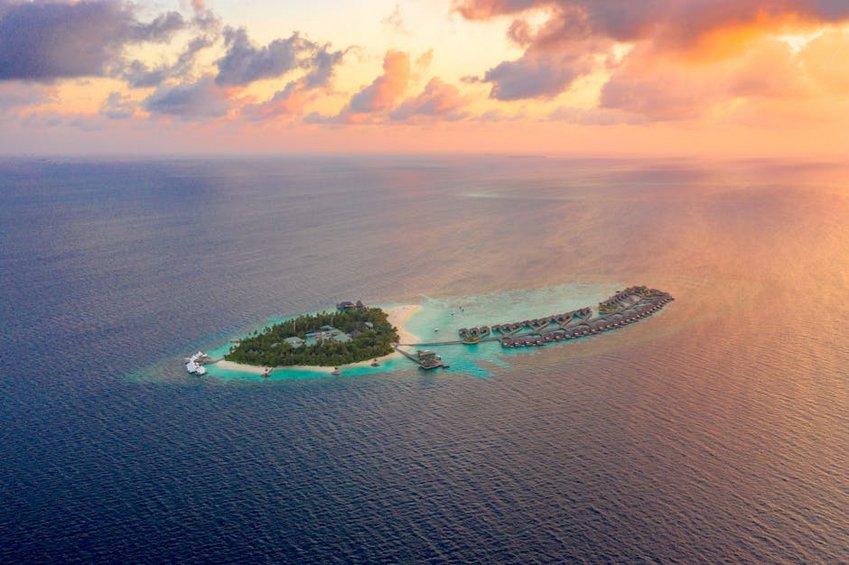
Alt: “belize-blue-hole-aerial-view-helicopter-flight-caribbean”
Belize Blue Hole Aerial View – Planning Your Trip
Your Belize Blue Hole aerial view adventure requires careful planning regarding season selection, tour operator research, and budget allocation for optimal experience quality. The dry season from late November through April offers calmer winds and clearer skies, though this period sees higher demand and advanced booking requirements. Allocate 3-5 days in Belize to accommodate potential weather delays while exploring additional coastal attractions between your scheduled flight.
Best Time to Visit for Aerial Tours
December through March provides peak visibility conditions with rainfall averaging just 2-4 inches monthly and temperatures between 75°F and 85°F (24°C to 29°C). These months feature consistent trade winds that keep skies clear, though morning flights before 10 AM avoid typical afternoon cloud buildup. Shoulder seasons in November and May offer slightly reduced rates with acceptable weather, while June through October sees frequent rainstorms that often cancel flights.
Budget Planning and Costs
Consider these tiered options when allocating funds for your aerial adventure.
Essential Preparation Checklist
Book flights 2-3 months in advance during high season, verifying operator safety certifications and aircraft maintenance records before committing. Pack polarized sunglasses to reduce glare, a wide-angle lens for aerial photography, and motion sickness medication if prone to turbulence discomfort. Ensure your passport remains valid for six months beyond travel dates, purchase travel insurance covering flight cancellations, and carry both USD cash and credit cards for payment flexibility.
Top Attractions and Activities
Beyond the Blue Hole itself, Lighthouse Reef Atoll contains several exceptional sites worth incorporating into your Belize itinerary for a complete marine experience. Half Moon Caye Natural Monument hosts a magnificent red-footed booby bird sanctuary alongside pristine beaches and exceptional snorkeling locations along the reef wall. The atoll’s eastern section features numerous coral gardens teeming with tropical fish, sea turtles, and occasional dolphin sightings during boat transfers between islands.
Must-See Highlights from the Air
Flight paths typically include circling the Blue Hole multiple times before proceeding to nearby natural wonders within the atoll system. Long Caye displays luxurious eco-resorts nestled among coconut palms, while Hat Caye’s tiny landmass showcases dramatic wave patterns against its windward side. The flight often concludes with passes over the barrier reef’s edge where the Caribbean Sea’s deep blue meets the reef’s shallow turquoise waters in visible contrast.
Combining with Other Belize Adventures
Many visitors pair their aerial tour with mainland activities to create a diverse vacation experience spanning multiple environments. The Cayo District offers jungle adventures like ATM Cave exploration and Mayan ruin visits at Xunantunich, accessible via 2-hour drives from coastal regions. Ambergris Caye and Caye Caulker provide classic Caribbean island experiences with excellent snorkeling, fishing, and relaxation opportunities between your flight schedule.
Photography Tips for Aerial Shots
Use a polarizing filter to minimize water surface glare and enhance coral reef visibility during your overflight experience. Set your camera to shutter priority mode with speeds exceeding 1/1000th second to freeze motion, while keeping ISO between 200-400 for balanced exposure. Compose shots with the circular hole occupying one-third of the frame while including surrounding reef patterns for geographical context and scale representation.
Practical Travel Information
Belize maintains good tourism infrastructure with English as the official language, though Spanish and Kriol are widely spoken in coastal regions. The Belize Dollar (BZD) is fixed at 2:1 against the USD, which most businesses accept directly without conversion needs. Voltage operates at 110-120V with US-style outlets, while cellular coverage remains reliable in urban areas but spotty around remote cayes and at sea.
| Transportation Method | Key Features | Price Range (USD) |
|---|---|---|
| Domestic Flights | 12-seater planes from Belize City to airstrips near tour departure points | $80-150 one way |
| Water Taxis | Regular service to cayes with luggage storage and refreshments | $20-40 per person |
| Rental Cars | Available at international airport with 4WD recommended for rural areas | $50-100 daily |
| Private Transfers | Hotel pickups with confirmed flight timing coordination | $60-120 per vehicle |