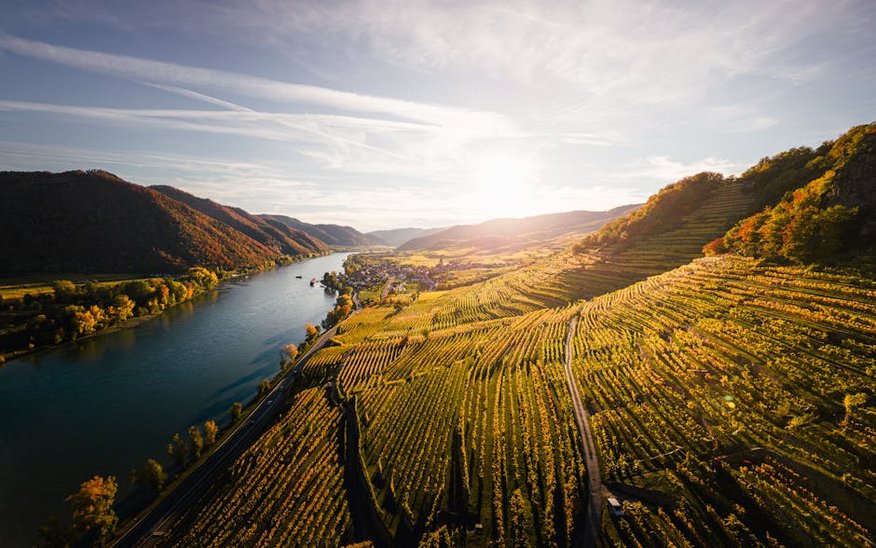
Austria Wachau Valley Vineyards – Unforgettable Wine Tasting Experiences
The Austria Wachau Valley Vineyards represent one of Europe’s most celebrated wine regions stretching along the Danube River between Melk and Krems. This UNESCO World Heritage site produces exceptional Grüner Veltliner and Riesling wines across 1,350 hectares of terraced vineyards with unique microclimates. This guide covers everything from seasonal visits and budget planning to hidden cellar doors and cultural etiquette for your perfect wine journey.
Essential Wachau Valley Information
The Wachau Valley spans approximately 40 kilometers through Lower Austria with a continental climate influenced by the Danube River. Vineyard elevations range from 200 to 400 meters above sea level creating varied growing conditions across different terraces. This geographical diversity contributes to the distinct mineral characteristics found in local wines.
Wachau’s wine classification system includes three quality categories: Steinfeder for light young wines, Federspiel for medium-bodied wines, and Smaragd for rich late-harvest wines. These designations help visitors understand what they’re tasting at local heurigen (wine taverns). The system ensures quality consistency across the region’s producers.
Key Regional Facts
Understanding these fundamentals enhances your vineyard experience significantly.
- The valley contains over 250 wine-growing families operating small estates alongside larger commercial producers, with many offering direct sales.
- Vineyard terraces date back to medieval times when monks established the first systematic plantings along the Danube’s slopes.
- Annual production averages 2.5 million liters with white varieties comprising 90% of output, primarily Grüner Veltliner and Riesling.
- Budget travelers should allocate $60-80 daily using public transportation, free walking tours, and tastings at smaller family wineries costing $5-10 per session, with hostel accommodations in Krems or Melk.
- Mid-range visitors typically spend $100-150 daily including hotel stays in Dürnstein or Spitz, rental car or bike rentals, and reserved tastings at mid-sized estates ranging $15-25 per person.
- Luxury experiences require $250-400 daily covering five-star hotels, private driver-guided tours, exclusive cellar tastings at premium wineries costing $40-80, and gourmet dining at Michelin-starred restaurants.
- Austria National Tourist Office
- Wachau Tourism Association
Historical Significance
Wachau’s viticultural heritage spans more than two millennia with evidence of Roman grape cultivation along the Danube banks. Medieval monasteries perfected terrace construction techniques that prevented erosion while maximizing sun exposure. These historical methods continue influencing modern vineyard management practices today.
The region gained UNESCO protection in 2000 for its cultural landscape combining architectural heritage with agricultural traditions. This designation helps preserve the valley’s characteristic dry-stone walls and historic village centers. Many wineries incorporate these elements into their tasting experiences.
Climate and Terroir
Wachau’s unique microclimate results from the Danube River’s moderating influence combined with sheltered valley positioning. Warm days and cool nights create ideal conditions for aromatic white varieties to develop complexity. The primary soil types include gneiss, slate, and loess contributing different mineral notes.
Temperature variations between day and night can exceed 15°C (59°F) during growing season, intensifying grape aromatics. This diurnal shift helps maintain acidity while allowing full flavor development in the grapes. The combination produces wines with both richness and freshness.
Planning Your Austria Wachau Valley Vineyards Trip
Your Austria Wachau Valley Vineyards visit requires strategic timing between April and October for optimal weather and open wineries. Spring offers blooming apricot trees while autumn provides harvest festivities and richer wines. Summer delivers long daylight hours but requires advance reservations for popular estates.
Budget approximately $100-150 daily per person for mid-range accommodations, tasting fees, and regional transportation. Luxury experiences including private tours and premium tastings can reach $300-400 daily. Budget travelers can manage on $60-80 using public transportation and smaller producers.
Booking key accommodations and popular winery visits 2-3 months in advance ensures availability, especially for weekend stays. Many smaller family wineries require appointments rather than accepting walk-in visitors. Confirming schedules prevents disappointment during your wine country exploration.
Best Time to Visit Wachau Valley
Peak season runs May through September with temperatures ranging 68-80°F (20-27°C) and maximum winery accessibility. July and August bring crowds requiring reservations at popular heurigen and higher accommodation prices. These months offer the fullest calendar of wine events and longest opening hours.
Shoulder seasons in April-May and September-October provide milder weather 55-68°F (13-20°C) with fewer visitors and lower prices. September offers harvest activities while April features blooming fruit trees along the valley. Winter visits from November to March see limited winery access but peaceful landscapes.
Budget Planning and Costs
Consider these three spending levels when organizing your vineyard journey.
Essential Preparation Checklist
Pack comfortable walking shoes for vineyard terrain, layered clothing for changing temperatures, and a waterproof jacket for unexpected showers. Bring a wine carrier or shipping materials if planning purchases, plus a notebook for tasting notes at different estates. Quality sunglasses and sun protection are essential for summer visits.
Ensure your passport validity extends six months beyond your travel dates for EU entry, and consider travel insurance covering wine-related purchases. Download offline maps since cell service varies in valley areas, and learn basic German phrases for interacting at family-run heurigen. Reserve rental cars months ahead for high season availability.
Top Attractions and Wine Experiences
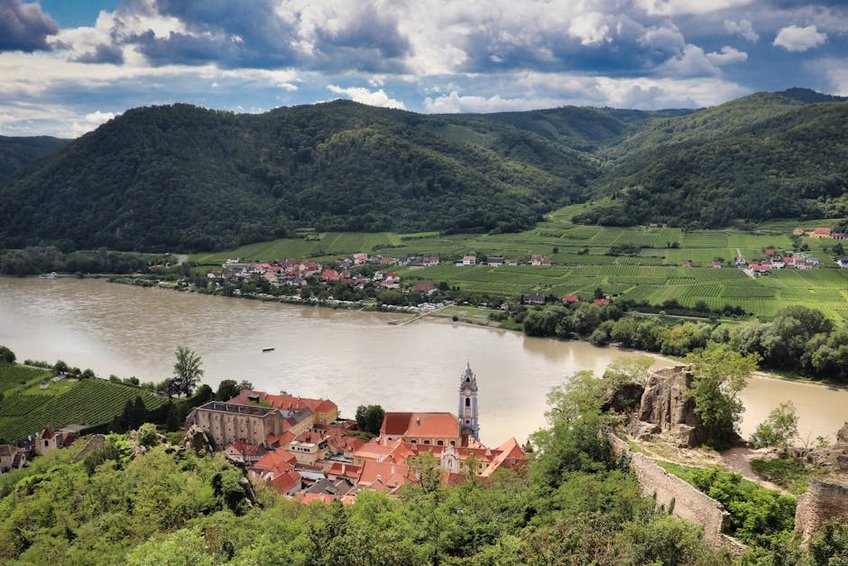
Beyond the vineyards themselves, Wachau Valley offers historic towns, river cruises, and cultural sites complementing the wine experience. The Benedictine Melk Abbey presents breathtaking baroque architecture overlooking the Danube’s entrance to the valley. Dürnstein’s blue church and castle ruins provide panoramic views across vineyard terraces.
Danube cycling paths connect major wine villages with rental options available in Krems, Melk, and Spitz. Boat cruises offer unique perspectives of the vineyard slopes from the water, particularly during sunset. These activities balance wine tasting with physical exploration of the landscape.
Must-See Highlights
Melk Abbey’s magnificent library and marble hall represent baroque splendor with admission costing $15-20 per person. The abbey’s wine shop features monastic wines produced from their own vineyards, offering a historical connection to the region’s viticulture. Visit early morning to avoid crowds and capture the best photographs.
Dürnstein’s Kuenringer Castle ruins where Richard the Lionheart was imprisoned require a moderate hike rewarding visitors with unparalleled valley views. The charming village below offers numerous heurigen and wine shops for tasting stops. Allow 2-3 hours to explore both the ruins and village properly.
Spitz’s Thousand Bucket Hill vineyards produce some of Wachau’s most prestigious Riesling wines with several top producers offering tastings. The village museum details local wine history while surrounding heurigen serve recent vintages. This area represents the heart of Wachau’s wine production culture.
Hidden Gems and Local Favorites
Weissenkirchen’s fortified church contains a wine museum inside its protective walls, often overlooked by visitors rushing between larger towns. Nearby family wineries like Domäne Wachau offer intimate tastings without the crowds found in Dürnstein. The village maintains authentic atmosphere with fewer commercial establishments.
Joching’s hinterland vineyards feature smaller producers working with rare varieties like Neuburger and Roter Veltliner. These winemakers typically welcome visitors without appointments and share passionate insights about their craft. The area provides a more personal wine experience away from main tourist routes.
Wine Tasting Experiences
Traditional heurigen (wine taverns) serve current vintage wines alongside local cold cuts, cheeses, and spreads in rustic settings. These establishments typically rotate opening schedules based on when families have wine available for direct sale. They offer the most authentic Austrian wine culture experience.
Estate tastings at renowned producers like Knoll, Prager, or Hirtzberger require reservations but provide access to premium wines and expert guidance. Costs range $20-60 per person depending on the wines sampled and typically last 60-90 minutes. These sessions deliver deep educational value about Wachau’s terroir.
Practical Travel Information
Vienna International Airport (VIE) serves as the primary gateway located 80 kilometers from Wachau Valley with regular train and rental car options. Direct trains from Vienna to Krems or Melk take approximately one hour with scenic river views during the final approach. Rental cars provide flexibility for visiting remote vineyards.
Accommodation ranges from historic monasteries converted to hotels to modern riverside apartments and family-run guesthouses. Booking platforms like Booking.com show availability across different villages, with higher prices and limited options during summer weekends. Consider staying 2-3 nights to properly experience the region.
| Accommodation Type | Features and Locations | Price Range (USD) |
|---|---|---|
| Guesthouses | Family-run, village centers, breakfast included, limited amenities | $80-120/night |
| Mid-Range Hotels | River views, on-site restaurants, parking, wine tasting events | $150-250/night |
| Luxury Hotels | Spa facilities, gourmet dining, concierge services, vineyard access | $300-500/night |
| Vacation Rentals | Full kitchens, multiple bedrooms, weekly rates, self-catering options | $120-200/night |