Aruba February Dry Season: Your Guide to Perfect Caribbean Weather
Visiting Aruba in February offers the most reliable weather window in the entire Caribbean, thanks to its unique location outside the hurricane belt. You’ll experience near-guaranteed sunshine with minimal rainfall, making it an ideal escape from northern winter climates. This guide details everything from beach conditions to local festivals during this prime travel period for the Aruba February dry season.
Essential Aruba Climate Information
Aruba’s climate is classified as a hot semi-arid environment, heavily influenced by consistent northeast trade winds. These winds provide a constant cooling breeze, making even the warmest days feel comfortable. The island receives less than 20 inches of annual rainfall, with February being one of the driest months.
Positioned just 12 degrees north of the equator, Aruba enjoys stable temperatures year-round. The dry season officially runs from January through March, with February squarely in the center of this optimal period. You won’t find a more predictable weather pattern anywhere else in the region during this time.
What Defines the Dry Season
The dry season means more than just a lack of rain. It represents peak conditions for outdoor exploration.
- Rainfall averages less than 0.5 inches for the entire month, with showers typically brief and isolated if they occur at all.
- Sunshine duration exceeds 10 hours per day, providing ample time for beach activities and sightseeing from dawn until dusk.
- Trade wind speeds average 15-20 knots, creating perfect conditions for wind-based water sports while keeping the heat index pleasant.
- Budget travel costs $150-$250 per person daily, covering guesthouse lodging, local bus transportation, supermarket meals, and public beach access. Focus your spending on free attractions like Aruba’s public beaches and hiking in Arikok National Park.
- Mid-range travel requires $300-$500 per person daily for a 4-star hotel, rental car for 2-3 days, mix of casual and nice dinners, and paid tours like a sunset sail or UTV adventure. This offers the best value for experiencing diverse activities.
- Luxury travel exceeds $700+ per person daily, featuring oceanfront suites, fine dining at renowned restaurants like Fred or Infini, private charters, and premium spa treatments. All-inclusive resorts like the Ritz-Carlton provide comprehensive high-end experiences.
- Aruba Tourism Authority Official Site
- Aruba Meteorological Department Climate Data
February Weather Statistics
Understanding the numbers helps with planning your daily itinerary and packing decisions. Average high temperatures reach 86°F (30°C), while lows rarely dip below 76°F (24°C). The humidity level stays around a manageable 70%, which is low for the tropics.
Sea surface temperatures hover at a warm 79°F (26°C), ideal for swimming and snorkeling without a wetsuit. UV indexes are consistently very high, ranging from 9 to 11 on the scale. This requires serious sun protection throughout your stay.
Microclimates Across the Island
Despite its small size, Aruba features distinct weather zones. The southwestern coast, home to popular beaches like Eagle and Palm Beach, receives the least rain and most sun. The constant trade winds here make beaches feel cooler.
The northeastern coast, facing the Atlantic, experiences stronger winds and rougher surf. This area includes Arikok National Park and the Natural Pool. Interior regions around Mount Jamanota, the island’s highest point, can feel slightly warmer with less breeze.
Alt: “eagle-beach-aruba-february-sunny-weather-palm-trees”
Aruba February Dry Season – Planning Your Trip
Planning a February visit requires early action due to peak season demand. This period coincides with North American and European winter breaks, increasing competition for flights and accommodations. Booking four to six months in advance secures the best rates and availability for your Aruba February dry season vacation.
Your budget must account for premium pricing during this high season. Hotel rates increase by 30-40% compared to September or October. Flight prices follow similar patterns, especially for direct routes from major East Coast hubs like New York, Miami, and Toronto.
Best Time to Visit Within February
The entire month offers superb weather, but specific weeks provide different advantages. Early February sees slightly lower prices before Valentine’s Day and President’s Week in the US. Mid-February features peak crowds and prices, particularly around long weekends and school holidays.
Late February begins a transition toward slightly lower demand as March approaches. The weather remains equally excellent throughout. For the best balance of value and availability, target the first week or the last ten days of the month for your travel dates.
Budget Planning and Costs
Daily costs vary significantly based on your travel style and accommodation choices.
Essential Preparation Checklist
Pack strategically for the constant sun and wind. Bring reef-safe sunscreen (SPF 50+), a wide-brimmed hat, polarized sunglasses, and a light long-sleeve cover-up for sun protection. Water shoes are essential for rocky shorelines and coral beaches.
Electronics require Type A or B power plugs (110V/60Hz same as US). No visa is required for US or EU citizens for stays under 90 days, but ensure your passport is valid for the duration of your visit. Travel insurance with medical evacuation coverage is highly recommended.
Top Activities and February Events
February’s perfect weather unlocks every outdoor activity Aruba offers. Water visibility reaches its annual peak, exceeding 100 feet in many locations. This makes snorkeling and diving exceptional, particularly along the southwestern leeward coast.
Land temperatures are comfortable for exploring the island’s desert interior and cultural sites. The steady trade winds create ideal conditions for windsurfing and kitesurfing at Fisherman’s Huts (Hadikurari Beach). This spot hosts professional competitions during this season.
Must-See February Highlights
Aruba Carnival represents the month’s signature event, featuring colorful parades and celebrations. The Grand Parade typically occurs in late February, showcasing elaborate costumes and lively music through the streets of Oranjestad and San Nicolas. Secure viewing spots early for this popular event.
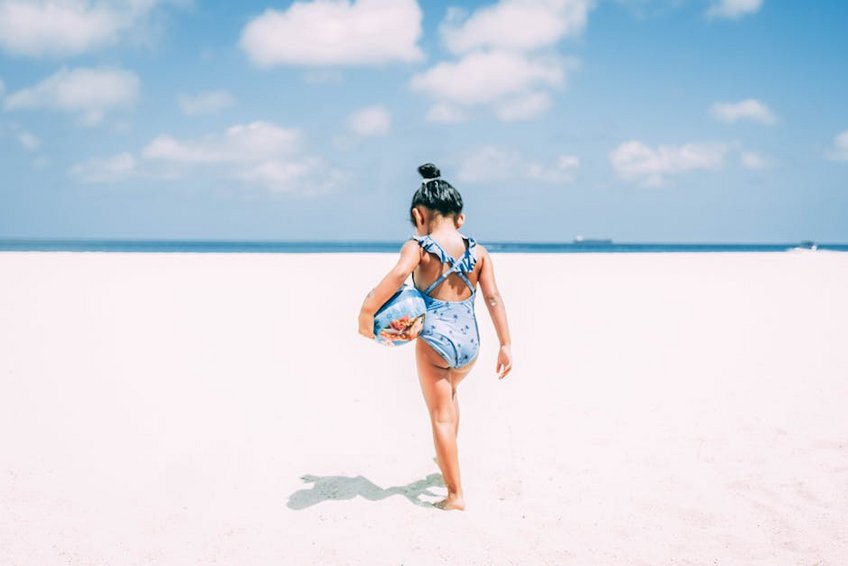
Eagle Beach consistently ranks among the world’s best beaches, with its wide soft sand and iconic fofoti trees. February provides perfect conditions for sunrise walks and sunset views here. Nearby, De Palm Island offers all-inclusive snorkeling with guaranteed marine life sightings.
Arikok National Park covers nearly 20% of the island with hiking trails, caves, and dramatic coastal views. February’s dry weather makes exploring the park’s interior comfortable. Don’t miss the Natural Pool (Conchi) and Quadirikiri Cave with its natural light beams.
Water Sports and Marine Encounters
The calm leeward waters create perfect conditions for sailing, snorkeling, and submarine tours. Join a sunset sail departing from Palm Beach marinas for spectacular views of the coast. Most tours include open bar and light snacks during the two-hour cruise.
Snorkeling at Boca Catalina and the Antilla shipwreck offers encounters with tropical fish, sea turtles, and coral formations. The 400-foot WWII German freighter wreck sits in 60 feet of water, accessible to snorkelers on calm days. February’s visibility makes this experience particularly memorable.
Cultural and Historical Exploration
Explore Oranjestad’s Dutch colonial architecture and vibrant pastel buildings. The Archaeological Museum provides insight into the island’s indigenous Caquetío heritage. Fort Zoutman and the Willem III Tower, built in 1798, represent Aruba’s oldest historical structures.
Visit the Alto Vista Chapel, a simple yellow chapel marking the island’s first Catholic settlement from 1750. The peaceful setting offers panoramic views. The California Lighthouse at the island’s northern tip provides another vantage point, especially beautiful at sunset.
Practical Travel Logistics
Navigating Aruba is straightforward with multiple transportation options. The island’s compact size means no destination is more than a 45-minute drive from your hotel. English is widely spoken alongside Dutch and Papiamento, making communication easy for international visitors.
The US dollar is accepted everywhere alongside the local Aruban Florin, which is pegged to the dollar at 1.75 AFL to $1. Credit cards are accepted at most establishments, though carrying some cash is wise for small vendors and tips. Tipping 15-20% at restaurants follows US customs.
| Accommodation Type | Best Locations & Features | February Price Range (USD) |
|---|---|---|
| Luxury Resorts | Palm/Eagle Beach, all-inclusive options, private beaches, multiple pools | $600-$1200/night |
| Boutique Hotels | Oranjestad, historic buildings, personalized service, walk to dining | $300-$600/night |
| Timeshares & Condos | Eagle Beach area, full kitchens, multiple bedrooms, washer/dryer | $250-$450/night |
| Budget Guesthouses | San Nicolas area, basic amenities, local neighborhood experience | $100-$200/night |