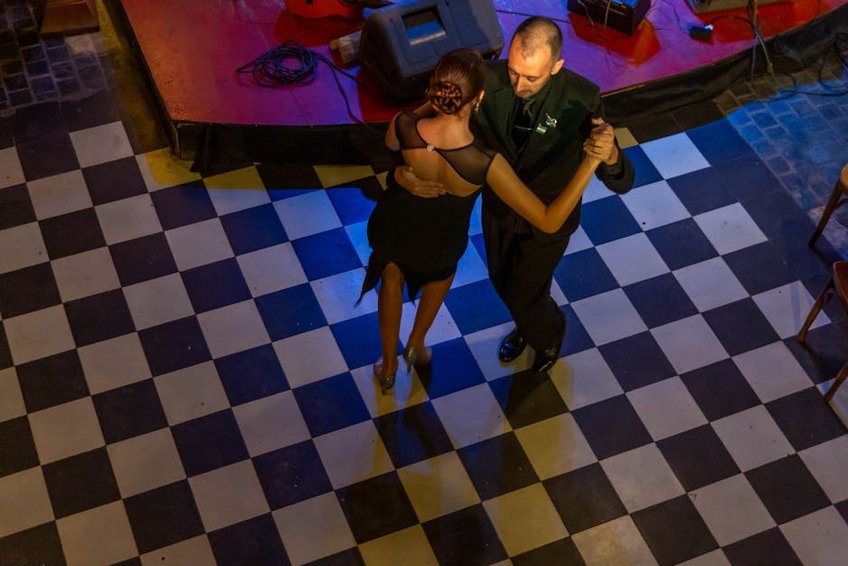
Argentina Buenos Aires Tango Festival: Your Guide to the World’s Biggest Tango Party
Attending the Argentina Buenos Aires Tango Festival is the ultimate immersion into the soul of this passionate art form. This annual event transforms the Argentine capital into a sprawling celebration of dance, music, and culture, featuring hundreds of free performances, workshops with world-renowned maestros, and the prestigious World Tango Dance Tournament. Your experience will connect you with the authentic spirit of tango, from the grand stages of Teatro Colón to the intimate, traditional milongas in neighborhood halls. This guide provides the essential details, from navigating the sprawling schedule and scoring tickets to mastering local etiquette, ensuring you craft the perfect itinerary for this iconic cultural phenomenon.
Essential Festival Information and History
The Buenos Aires Tango Festival and World Cup is organized by the city’s Ministry of Culture, typically held over two weeks in August. It was first established in 1999 as a way to celebrate and preserve tango as a vital part of the city’s intangible cultural heritage. The event has since grown into the largest of its kind globally, attracting over half a million attendees, including thousands of competitors from more than 40 countries.
The festival’s structure cleverly balances high-level competition with public access. While the World Tango Dance Tournament unfolds with intense rounds, the city’s parks, cultural centers, and iconic avenues host free outdoor milongas, concerts, and exhibitions. This duality means you can watch world champions compete one day and dance alongside locals in Plaza Dorrego the next. It’s this blend of professional spectacle and communal participation that defines the experience.
What You Need to Know
Before you pack your dancing shoes, understanding the festival’s core components is key.
- The World Tango Dance Tournament (Campeonato Mundial de Baile) is the competitive heart, with categories for Tango de Pista (Salon) and Tango Escenario (Stage). Registration usually opens months in advance, but spectators can watch the preliminary rounds and finals.
- Over 80% of the festival’s activities are completely free, including major open-air concerts at iconic locations like Usina del Arte and outdoor dance floors along Avenida de Mayo.
- The festival schedule is released about a month prior on the official website. Key events like the finals at Luna Park Stadium and gala shows at Teatro Colón require planning, as tickets are limited and can sell out quickly for the most popular performances.
- Budget Traveler ($700-900 USD for a week): Stay in a hostel or guesthouse in Almagro or Villa Crespo ($20-35/night), attend only free festival events, use public transport ($0.50/ride), and eat at local parrillas and markets. Allocate about $50 for a few group tango classes.
- Mid-Range Explorer ($1,300-1,800 USD for a week): Book a boutique hotel or Airbnb in San Telmo or Palermo ($80-120/night), attend 1-2 premium shows ($100 total), take several private or group dance lessons ($150), and enjoy nicer restaurant meals. This offers the best balance of comfort and immersion.
- Luxury Experience ($2,500+ USD for a week): Stay at a five-star hotel in Recoleta ($200+/night), secure VIP tickets for the Teatro Colón Gala and Luna Park finals ($200+), arrange private guided tours of historic milongas, and dine at top-rated parrillas and closed-door restaurants. This tier prioritizes exclusive access and premium comfort.
- Official Buenos Aires Tango Festival Website
- Lonely Planet Buenos Aires Travel Guide
Key Dates and Evolution
The festival consistently takes place in mid-August, aligning with the city’s winter season and Dia del Niño (Children’s Day) holiday weekend. The 2024 edition is projected for August 14-27, though dates are confirmed each spring. Historically, it began as a modest celebration but expanded significantly after UNESCO declared Argentine and Uruguayan tango an Intangible Cultural Heritage of Humanity in 2009.
This recognition fueled greater international interest and institutional support. Today, the program includes not just dance but also film screenings, poetry readings, art exhibitions, and academic conferences exploring tango’s history and social impact. The festival’s growth mirrors tango’s journey from the marginalized outskirts of Buenos Aires to its current status as a global cultural powerhouse.
The Atmosphere and Vibe
The energy during the festival is electric and all-encompassing. By day, you’ll see couples practicing intricate steps in San Telmo’s cobblestone plazas. As evening falls, the city’s milongas buzz with a heightened sense of occasion, filled with both seasoned locals and inspired visitors. The atmosphere is overwhelmingly inclusive; whether you’re a seasoned dancer or have never taken a step, the pervasive passion for tango is contagious.
It’s more than just watching performances. The true magic lies in the spontaneous moments—a street corner bandoneón player drawing a crowd, or impromptu dance demonstrations that break out in a subway station. This celebration turns the entire city into a living, breathing stage, offering a unique window into Porteño identity and pride.
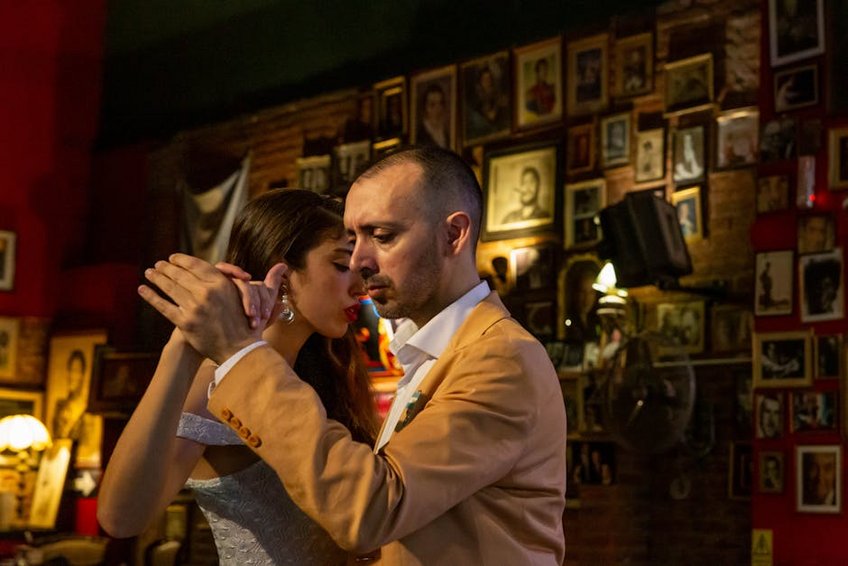
Alt: “buenos-aires-tango-festival-crowd-dancing-avenida-de-mayo”
Argentina Buenos Aires Tango Festival – Planning Your Trip
Successfully navigating this massive event requires strategic planning. Your core focus should be securing accommodation early, as hotels in central neighborhoods like San Telmo, Monserrat, and Recoleta fill up months ahead. Simultaneously, monitor the official festival website for the program release, which dictates which paid events you’ll want to target for advanced ticket purchases. A flexible mindset is crucial, as the best experiences often come from the free, spontaneous events that populate the city.
Budgeting for this trip extends beyond flights and hotels. While festival entry is free, consider costs for paid theater shows (from $25-100 USD), group dance classes ($15-30 USD per session), and potential private lessons if you wish to improve your skills. Dining and transportation costs are standard for Buenos Aires, but factor in the premium for staying in the most walkable, festival-centric districts. Your itinerary for the Argentina Buenos Aires Tango Festival should mix scheduled must-see events with ample free time to explore and stumble upon unexpected performances.
Best Time to Visit for the Festival
The festival is held during the Argentine winter, specifically in mid-August. Average temperatures range from 48°F to 63°F (9°C to 17°C), requiring layers for cool mornings and evenings. This is the peak of the cultural season in Buenos Aires, so while you’ll avoid the extreme summer heat and humidity, you’ll encounter the largest tourist crowds of the year focused on this event. Booking flights and hotels 4-6 months in advance is strongly advised to secure good rates and availability.
The shoulder seasons of spring (September-November) and fall (March-May) offer pleasant weather and a more relaxed pace, with many milongas still active. However, for the concentrated, city-wide explosion of tango energy, August is undisputedly the best and only time to experience the full scale of the festival. The trade-off is planning ahead for the cooler climate and the competitive booking environment.
Budget Planning and Costs
Your total cost depends heavily on accommodation style and how many premium shows you attend.
Essential Preparation Checklist
Packing smart is key for the varied activities. Bring comfortable, stylish shoes suitable for both walking on cobblestones and dancing—leather-soled shoes are ideal for milongas. Pack layers: a light sweater, a warm jacket, and a scarf for the cool evenings. For those planning to dance, men should bring dark trousers and polished shoes, while women often wear dresses or skirts with heels or dance sneakers for comfort.
Ensure your passport is valid for at least six months beyond your entry date. U.S., Canadian, and EU citizens do not need a visa for tourist stays under 90 days. While not mandatory, travel insurance covering medical emergencies and trip interruptions is highly recommended. Bookmark the official festival website on your phone, and download offline maps of central Buenos Aires neighborhoods to navigate between venues easily.
Top Festival Activities and Cultural Immersion
Beyond simply watching, the festival invites deep participation. Your days can be structured around learning; dozens of free and paid workshops are offered for all levels, from absolute beginners learning the basic “ocho” to advanced dancers refining their “gancho” technique. These classes are taught by celebrated dancers and provide a tangible connection to the art form. In the afternoons, explore the dedicated exhibition spaces showcasing vintage tango memorabilia, photography, and the intricate craftsmanship of tango shoes.
Evenings present the main dilemma: choosing between the official festival programming and the city’s legendary network of traditional milongas. The festival-run milongas are grand, festive, and perfect for people-watching. Meanwhile, iconic venues like Salon Canning, La Viruta, or Sunderland Club offer a more authentic, local-focused atmosphere with strict codigos (codes) of etiquette. Balancing both types of experiences will give you a well-rounded perspective.
Must-See Highlights
The festival’s opening parade along Avenida de Mayo is a spectacular, free event featuring hundreds of dancers and musicians. The World Tango Dance Tournament finals, held at the massive Luna Park Stadium, are the competitive pinnacle—tickets are required but offer an unforgettable spectacle of precision and passion. For a more refined experience, the Gala Night at the opulent Teatro Colón is the festival’s most prestigious paid performance, featuring world-class orchestras and champion dancers in a breathtaking setting.
Don’t miss the free outdoor stages at Usina del Arte in La Boca, which host headline orchestras and dance companies nightly. The Feria de San Telmo, already a weekend attraction, becomes even more vibrant with spontaneous tango demonstrations between the antique stalls. Each of these highlights offers a different facet of the festival, from overwhelming scale to intimate artistic excellence.
Hidden Gems and Local Favorites
Venture beyond the main stages to discover the festival’s soul. Seek out the “Practicas” sessions, which are less formal than milongas and ideal for beginners to practice in a low-pressure environment. Many are listed in the festival program. Visit the lesser-known cultural centers in neighborhoods like Boedo, the historic birthplace of many famous lyricists, for intimate concerts and talks.
Locals often flock to the free “milongas populares” in neighborhood squares, such as Plaza Bohemia in Villa Urquiza. These feel more like community block parties. For a truly unique experience, find a “tango-canción” performance, which focuses on the powerful vocal tradition of tango, often held in small, atmospheric bars in Almagro. These spots offer a more nuanced and personal connection to the music.
Mastering the Milonga Etiquette
Entering a traditional milonga can be intimidating. The key is observation and respect. Dancers are typically invited through the “cabeceo,” a subtle nod of the head across the room, avoiding the need for a verbal rejection. If you are new, it’s best to sit, watch, and absorb the flow for at least a half-hour before dancing. Wait for a “tanda” (a set of 3-4 songs) to finish before crossing the dance floor.
Dress respectfully; while smart casual is acceptable at festival milongas, traditional venues expect neater attire. Thank your partner after the tanda. If you wish to decline a dance after establishing eye contact, a simple, polite glance away suffices. Understanding these unspoken rules will help you blend in and show respect for the local culture that nurtures this dance.
Practical Travel Information for Buenos Aires
Buenos Aires is served by Ministro Pistarini International Airport (EZE), located about 45 minutes to an hour from the city center. A fixed-price taxi or private transfer ($25-35 USD) is the most straightforward option after a long flight. The domestic airport, Aeroparque (AEP), handles regional flights and is much closer to downtown. Within the city, the Subte (metro) is efficient and cheap, but buses (colectivos) offer more extensive coverage; purchase a rechargeable SUBE card for both.
For getting to festival venues, the subway is excellent for reaching key areas like Centro, San Telmo, and Congreso. For late-night returns from milongas, ride-hailing apps like Uber and Cabify are safe, reliable, and affordable. Walking is one of the best ways to explore the central neighborhoods, but be mindful of uneven sidewalks and always keep personal belongings secure in crowded areas.
| Category | Options/Features | Price Range (USD) |
|---|---|---|
| Budget Accommodation | Hostels in Almagro, guesthouses; shared facilities, social atmosphere | $20-35 / night |
| Mid-Range Accommodation | Boutique hotels in San Telmo/Palermo; private bath, breakfast included | $80-120 / night |
| Luxury Accommodation | 5-star hotels in Recoleta/Puerto Madero; concierge, spa, premium amenities | $200+ / night |
| Getting Around | SUBE card (metro/bus), Uber/Cabify, radio taxis; avoid unmarked cabs | $0.50-$15 per trip |