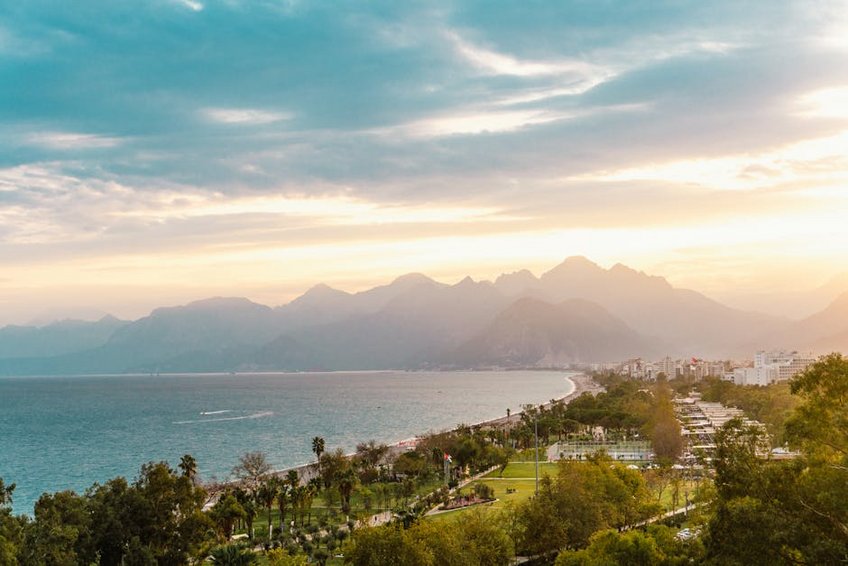
Antalya Travel Guide: Your Complete Blueprint to the Turkish Riviera
This Antalya Travel Guide serves as your essential companion to exploring Turkey’s premier Mediterranean destination. The city blends ancient history with stunning coastal landscapes, offering everything from Roman ruins perched on cliffs to vibrant bazaars filled with spices and crafts. You will find detailed advice on navigating the bustling city, discovering secluded beaches, and experiencing authentic Turkish hospitality across diverse neighborhoods. Our guide provides seasonal insights, budget breakdowns, and curated itineraries to maximize your visit to this historic yet modern gateway.
Essential Antalya Information
Antalya is the capital of Turkey’s southern Mediterranean coast, a region famously known as the Turkish Riviera. Founded in the 2nd century BC, the city has been ruled by Romans, Byzantines, and Seljuks, each leaving a distinct architectural mark. Today, it operates as a major hub for tourism and culture, welcoming millions to its sun-drenched shores and well-preserved historical sites.
The city’s climate defines its appeal, featuring long, hot summers and mild, rainy winters perfect for off-season exploration. Modern infrastructure supports an international airport with direct flights from across Europe, alongside a comprehensive network of trams, buses, and taxis. Visitors can expect a welcoming atmosphere where traditional Turkish culture thrives alongside contemporary resort amenities.
Geography and Climate
Understanding the local weather patterns is key to planning your activities and packing appropriately for this coastal city.
- Antalya enjoys a classic Mediterranean climate with over 300 sunny days annually, making it a year-round destination for different types of travelers. Summer temperatures frequently reach 86-95°F (30-35°C) from June to September.
- The Taurus Mountains create a dramatic backdrop and influence microclimates, offering cooler retreats just inland from the coast. Winters are mild and wet, with average temperatures of 50-59°F (10-15°C) from December to February.
- Sea temperatures are warmest from July to October, ideal for swimming and water sports, while spring and autumn provide perfect conditions for hiking and sightseeing without intense heat.
- Budget travelers can manage on $40-60 USD per day by staying in hostels or guesthouses in Kaleiçi, eating at local lokantas, using public transport, and visiting free attractions like the old city walls and public beaches. Street food like gözleme and simit provides cheap, delicious meals.
- Mid-range visitors spending $100-180 USD daily can book comfortable boutique hotels, enjoy sit-down restaurant meals with wine, join guided day trips, and rent a car for a couple of days. This budget allows for paid entry to major sites and occasional taxi rides.
- A luxury experience at $250-400+ USD per day includes five-star beachfront resorts, private yacht charters, fine dining, and chauffeur-guided tours to archaeological sites. High-end shopping at modern malls and spa treatments are also accessible at this level.
- Republic of Turkey Ministry of Culture and Tourism – Antalya Portal
- Lonely Planet Antalya Travel Guide
A Brief Historical Overview
Antalya’s rich tapestry spans several millennia, visible in its layered cityscape. The old town, Kaleiçi, sits within ancient Roman walls and features Ottoman-era houses converted into boutique hotels. Hadrian’s Gate, a triumphal arch built in 130 AD to honor the Roman emperor, remains a fully intact entrance to the historic quarter.
The iconic Yivli Minaret, a fluted minaret constructed in the 13th century by the Seljuk Sultan Alaaddin Keykubad, symbolizes the city’s skyline. Nearby, the Antalya Archaeological Museum houses an exceptional collection of artifacts from surrounding ancient cities like Perge and Aspendos. This deep history provides context for every modern exploration.
Local Culture and Vibe
The city’s atmosphere seamlessly blends traditional Turkish life with vibrant tourism energy. Kaleiçi’s narrow cobblestone streets are lined with craft shops, carpet vendors, and family-run restaurants serving fresh meze. The modern Konyaaltı and Lara districts contrast with wide boulevards, luxury resorts, and expansive beach parks.
Residents are generally hospitable and accustomed to international visitors, though learning a few Turkish phrases like “Merhaba” (Hello) and “Teşekkür ederim” (Thank you) is appreciated. Evenings often see families and friends socializing along the harbor or in tea gardens, a ritual you are encouraged to join.
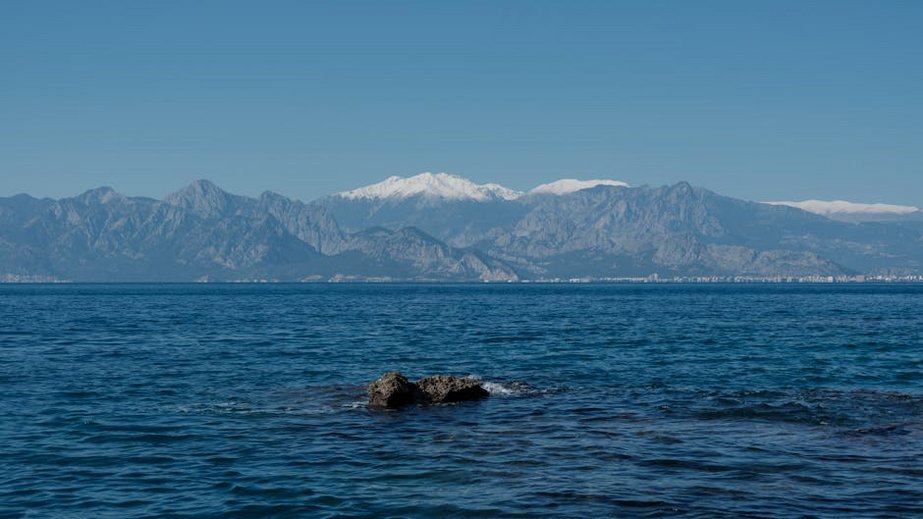
Alt: “antalya-old-town-kaleici-harbor-mediterranean-view”
Antalya Travel Guide – Planning Your Trip
Creating a successful itinerary for the Turkish Riviera requires balancing historical exploration, coastal relaxation, and culinary discovery. This Antalya Travel Guide recommends dedicating at least four to five full days to experience the city’s core offerings without rushing. Allocate time for both the atmospheric old town and the contemporary beachfront districts to appreciate the full spectrum.
Your budget will stretch furthest in the shoulder seasons of April-May and September-October, when flights and accommodations are more affordable. Prioritize booking entrance tickets online for major sites like Aspendos Theatre during peak summer months to avoid long queues under the sun. Consider purchasing a museum pass if you plan to visit multiple archaeological sites.
Transportation planning is straightforward with an efficient public tram system connecting the airport, main bus terminal, and key districts. Renting a car becomes valuable for flexible day trips to ancient ruins and mountain villages beyond the city limits. Always confirm if your hotel offers free parking.
Best Time to Visit Antalya
Peak season runs from June through August, delivering guaranteed sunshine and lively resort atmospheres. Daytime temperatures consistently hover between 86-95°F (30-35°C), with sea temperatures around 77-82°F (25-28°C). This period sees the highest prices and crowds, especially at major beaches and attractions.
For ideal conditions, target the shoulder months of May, September, and early October. You will enjoy warm, pleasant weather of 68-82°F (20-28°C), thinner crowds, and lower rates. The spring months also bring vibrant wildflowers to the surrounding hills. Even winter offers charm for city exploration, though some beach clubs and boat tours operate reduced schedules.
Budget Planning and Costs
Daily costs vary significantly based on your travel style and accommodation choices. Here is a breakdown for different budget levels.
Essential Preparation Checklist
Pack lightweight, breathable clothing for summer, alongside a sun hat, high-SPF sunscreen, and sturdy walking shoes for ancient city terrain. Include a light jacket or sweater for cooler evenings, especially in spring and autumn. A European Type C power adapter is necessary, as Turkey uses 220V voltage.
Ensure your passport is valid for at least six months beyond your entry date. Many nationalities, including US and EU passport holders, can obtain an e-Visa online before travel. Purchase comprehensive travel insurance that covers medical emergencies and potential trip interruptions. Book popular hotels and internal flights several months in advance for summer travel.
Top Attractions and Activities
The city and its surrounding region offer a compelling mix of natural beauty and historical grandeur. Start your exploration in Kaleiçi, the historic Roman-Ottoman core, where you can wander for hours discovering hidden courtyards and Ottoman mansions. The ancient harbor below provides a picturesque setting for a leisurely lunch or an evening cocktail cruise.
Beyond the city center, the legacy of ancient civilizations awaits. World-class Greco-Roman ruins are scattered along the coast, each with unique characteristics. Meanwhile, the dramatic Düden and Kurşunlu waterfalls offer refreshing natural escapes just minutes from the urban environment. Balancing these experiences creates a rich and varied itinerary.
Must-See Historical Highlights
The Antalya Archaeological Museum is a prerequisite, housing stunning statues from Perge and a hall of sarcophagi. Allow at least two hours to appreciate its extensive collections. Afterwards, visit Hadrian’s Gate and the nearby broken minaret of the Kesik Minare Mosque, which showcase the city’s layered history.
A day trip to the Aspendos Roman Theatre is non-negotiable. This 2nd-century marvel is the best-preserved ancient theatre in the world, with near-perfect acoustics. Combine it with a visit to the sprawling ruins of Perge, an ancient city that once rivaled Ephesus in importance. Entry to Aspendos costs about $8 USD.
The ancient city of Termessos presents a more adventurous option. It sits high in the Taurus Mountains and requires a moderate hike to reach, but you are rewarded with breathtaking views and ruins largely untouched by reconstruction. Wear proper hiking shoes and carry water for this exploration.
Natural Wonders and Beaches
Antalya’s coastline is dotted with both popular public beaches and secluded coves. Konyaaltı Beach is a long, pebbly stretch west of the city center, backed by a beautiful park with amenities. Lara Beach, to the east, features finer sand and a lineup of luxury resort hotels. Both offer sunbed rentals and water sports facilities.
The Düden Waterfalls are split into upper and lower sections. The upper waterfalls are located in a serene park setting, while the lower waterfalls cascade directly off a cliff into the Mediterranean Sea—a spectacular sight best viewed from a boat or the dedicated seaside park. Entry to the upper park is minimal, around $1 USD.
For a pristine natural escape, visit the Kurşunlu Waterfall Nature Park, located about 20 km northeast. A short walking trail through a pine forest leads to a series of charming cascades and pools. It is an ideal spot for a picnic and escaping the summer heat for a few hours.
Boating and Outdoor Adventures
A boat trip from the old harbor remains a classic Antalya activity. Options range from short two-hour gullet tours along the cliffside to full-day excursions that include swimming stops, lunch, and visits to caves. These tours provide the best perspective of the city’s dramatic coastline and the lower Düden Waterfalls.
The Taurus Mountains offer excellent hiking, canyoning, and jeep safari opportunities. Guided tours can take you to ancient Lycian trails, through the dramatic Köprülü Canyon for white-water rafting, or to traditional mountain villages like Saklıkent. These adventures provide a complete contrast to the beach-focused resort life.
Practical Travel Information
Navigating Antalya is convenient thanks to its well-organized infrastructure. Antalya Airport (AYT) is a major international hub located about 10 km east of the city center. The modern tram (AntRay) provides the most efficient and affordable link between the airport, the main intercity bus terminal (Otogar), and key points like the old town and museum.
Accommodation choices are plentiful, spanning from historic pensions in Kaleiçi to all-inclusive resort complexes in Lara. The city center offers the best access to public transport, restaurants, and historical sites, while the beach districts prioritize leisure and pool-side relaxation. Decide based on your primary trip focus.
| Accommodation Area | Best For & Vibe | Average Price Range/Night (USD) |
|---|---|---|
| Kaleiçi (Old Town) | History, charm, walkable restaurants & bars, boutique stays | $60 – $150 |
| Konyaaltı | Families, public beach access, city park, mid-range hotels | $70 – $200 |
| Lara | Luxury all-inclusive resorts, long sandy beach, spa focus | $180 – $400+ |
| City Center (outside Kaleiçi) | Budget travelers, proximity to tram & shops, practicality | $40 – $90 |