Antalya Travel Guide: Mediterranean History, Beaches & Cuisine
Antalya is the vibrant capital of Turkey’s Turquoise Coast, blending ancient history with stunning Mediterranean scenery. This comprehensive Antalya Travel Guide provides everything you need for exploring Roman ruins, relaxing on Blue Flag beaches, and tasting authentic Turkish cuisine. You will discover the best times to visit, how to navigate the city, and where to find both iconic sights and hidden local gems.
Essential Antalya Information
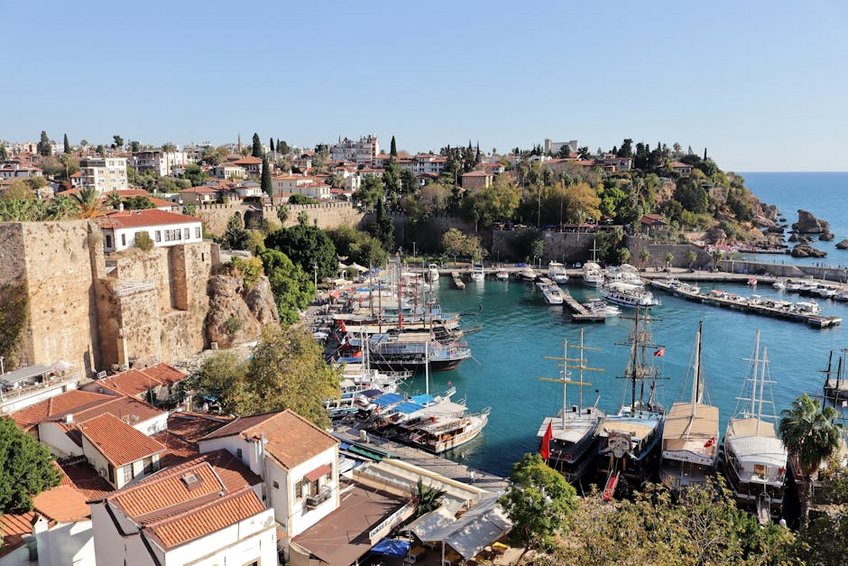
Antalya serves as the gateway to the Turkish Riviera, a region famed for its long summers and rich historical tapestry. The city itself is divided into the modern quarters with resorts and the enchanting old town, Kaleiçi, with its Ottoman-era houses and Roman harbor. Understanding this duality helps you plan an itinerary that captures both the energetic contemporary life and the timeless historical atmosphere.
The province spans a dramatic coastline where the Taurus Mountains meet the Mediterranean Sea. This geography creates diverse microclimates and allows for varied day trips, from mountain waterfalls to ancient cities. The local culture is a welcoming mix of traditional Turkish hospitality and modern tourist infrastructure, making it accessible for first-time visitors to Turkey.
Key Facts and History
Knowing a few core facts will enrich your visit to this Mediterranean destination.
- Antalya was founded around 200 BC by Attalos II, a king of Pergamon, and later became an important Roman port. The Hadrian’s Gate, built in 130 AD, still stands as a monumental entrance to the old town.
- The currency is the Turkish Lira (TRY), but Euros and US Dollars are widely accepted in tourist areas. Credit cards are common, though carrying some cash is wise for markets and smaller shops.
- Turkish is the official language, but English is commonly spoken in hotels, restaurants, and touristic centers. Learning a few basic Turkish phrases like “Merhaba” (Hello) and “Teşekkür ederim” (Thank you) is appreciated.
- Budget travelers can manage on $40-60 per day by staying in hostels or guesthouses in Kaleiçi, eating at local lokantas (cafeterias), and using public transport. Many historical sites have modest entrance fees, and beaches are free.
- Mid-range visitors should budget $80-150 daily for a comfortable hotel with a pool, meals at good restaurants, occasional taxis, and guided tours to key sites like Perge or Aspendos. This tier offers the best balance of comfort and value.
- A luxury experience costs $200+ per day, covering 5-star beachfront resorts, fine dining, private yacht charters from the old harbor, and chauffeur-driven day trips along the coast.
- Official Antalya City Guide
- Lonely Planet Antalya Guide
- Turkish Ministry of Culture – Antalya
Climate and Best Seasons
Antalya enjoys a typical Mediterranean climate with hot, dry summers and mild, wet winters. Summer temperatures from June to August frequently reach 86-95°F (30-35°C), with very little rainfall and over 12 hours of sunshine per day. This is peak season for beach holidays, so expect higher prices and more crowds at major attractions.
The ideal times for a visit are the shoulder seasons of April-May and September-October. During these months, temperatures are pleasant at 68-82°F (20-28°C), perfect for sightseeing and hiking. The sea remains warm enough for swimming well into October, and you’ll encounter fewer tourists.
Visa and Entry Requirements
Most travelers, including those from the US, UK, Canada, and EU countries, need an e-Visa to enter Turkey. You can apply online before your trip for a fee, and it is typically valid for 90 days within a 180-day period. Always check the official Republic of Turkey e-Visa website for the most current requirements and fees based on your nationality.
Your passport should be valid for at least six months beyond your date of entry. Upon arrival, you may be asked to show proof of onward travel and sufficient funds for your stay, though this is not always enforced for tourist visits.
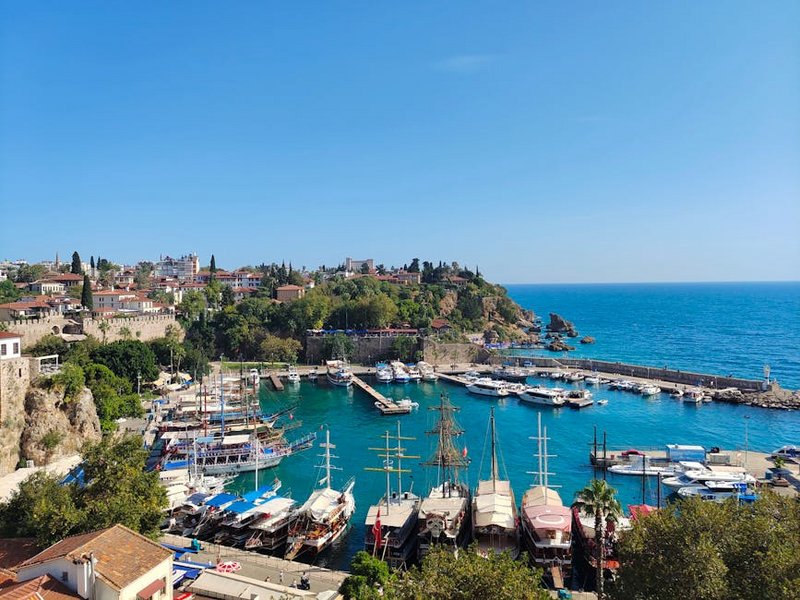
Alt: “antalya-old-town-harbor-historic-yachts-mediterranean”
Antalya Travel Guide – Planning Your Trip
Effective planning maximizes your enjoyment of this diverse coastal city. This section covers the critical logistics, from budgeting to creating a balanced itinerary that includes history, nature, and relaxation. Using this Antalya Travel Guide as your foundation, you can tailor a trip that fits your personal interests and travel style, whether you’re a history buff, a foodie, or a beach lover.
A well-planned visit accounts for the city’s layout. The main tourist zones are Kaleiçi (Old Town), Konyaaltı Beach (west), and Lara Beach (east). Staying centrally in Kaleiçi puts you within walking distance of historic sites, restaurants, and the old harbor, but it can be noisier. The beach districts offer resort-style accommodations with easy sea access.
Best Time to Visit Antalya
The absolute best months for a balanced trip are May, June, September, and October. You’ll avoid the extreme heat and peak tourist congestion of July and August while still enjoying fantastic beach weather. Daytime temperatures hover between 75-85°F (24-29°C), and the water temperature is comfortably warm for swimming.
April and November are considered fringe months with a higher chance of rain, but they offer the lowest prices and fewest crowds. Winter, from December to March, is mild with temperatures around 50-60°F (10-15°C) and is suitable for cultural sightseeing without the beach focus, though some resorts may be closed.
Budget Planning and Costs
Antalya offers excellent value, catering to both backpackers and luxury travelers. Your daily budget can vary significantly based on accommodation and dining choices.
Essential Preparation Checklist
Packing for Antalya requires preparation for sun, sea, and sightseeing. Essentials include high-SPF sunscreen, a sun hat, sunglasses, and comfortable walking shoes for exploring cobblestone streets and ancient ruins. A light jacket or sweater is useful for cooler spring and autumn evenings, and a swimsuit is mandatory for the beach and hotel pools.
Ensure you have travel insurance that covers medical emergencies, download offline maps and a translation app, and notify your bank of international travel. For electrical devices, Turkey uses Type F plugs (220V), so visitors from North America will need a power adapter and possibly a voltage converter.
Top Attractions and Activities
The city and its surroundings are a treasure trove of experiences. You can spend your morning walking through a 2,000-year-old theater and your afternoon swimming in the Mediterranean. The key is to mix iconic historical visits with natural beauty and modern leisure to get the full spectrum of what the Turkish Riviera offers.
Beyond the city limits, the region is dotted with incredible ancient cities, stunning waterfalls, and breathtaking coastal drives. Renting a car for a day or two is highly recommended to explore these gems at your own pace, though organized tours are readily available and convenient.
Must-See Historical Highlights
Kaleiçi, the old town, is the historic heart of the city. Wander its narrow, cobbled streets lined with Ottoman-era houses, many converted into boutique hotels and charming cafes. Don’t miss the iconic Fluted Minaret (Yivli Minare) and the beautifully preserved Hadrian’s Gate, a triumphal arch built for the Roman emperor’s visit.
The Antalya Archaeological Museum is one of Turkey’s best, housing an exceptional collection of statues from Perge and artifacts spanning from the Stone Age to the Ottoman era. Allocate at least two hours to appreciate its extensive galleries. Entrance costs about $6 USD.
Aspendos Roman Theatre, located 45 minutes east, is one of the best-preserved ancient theaters in the world. Its acoustics are so perfect that it still hosts performances today. Combine a visit here with the nearby ruins of Perge, a sprawling Greco-Roman city with a grand colonnaded street.
Natural Wonders and Beaches
Düden Waterfalls are a stunning natural spectacle where the Düden River cascades directly off a cliff into the Mediterranean Sea. The Upper Düden Falls are located in a park, while the Lower Düden Falls (also called Karpuzkaldıran) plunge over the seaside cliffs. Both are easily accessible and free to visit.
Konyaaltı Beach is a long, pebbly beach west of the city center, backed by the dramatic Beydağları Mountains. It has public areas, beach clubs, promenades, and great views. Lara Beach, to the east, is a longer stretch of fine sand, famous for its all-inclusive resort hotels. Both offer Blue Flag certified waters.
Day Trips and Excursions
The ancient city of Termessos is an unforgettable day trip for more adventurous travelers. It sits high in the mountains within a national park, offering challenging hikes and breathtaking ruins in a spectacular, remote setting. Unlike other sites, it was never conquered by Alexander the Great.
For a relaxing coastal escape, drive the scenic route to the small town of Kaş or the iconic white travertine terraces of Pamukkale, though the latter requires a full day. Boat trips from Antalya’s old harbor are also popular, offering a day of swimming, sunbathing, and lunch along the beautiful coastline.
Practical Travel Information
Navigating Antalya is straightforward with a bit of local knowledge. The public bus system (Antray tram and city buses) is efficient and cheap for traveling between the old town, the museum, and the beaches. Taxis are plentiful and metered, but always ensure the meter is running at the start of your journey to avoid overcharging.
Accommodation options are vast, ranging from historic pensions in Kaleiçi to massive all-inclusive resorts in Lara. Your choice of location will significantly impact your daily experience, so consider what you want to be close to—history, nightlife, or the beach.
| Accommodation Type | Best For & Features | Average Nightly Price (USD) |
|---|---|---|
| Boutique Hotel (Kaleiçi) | Atmosphere & history, Ottoman-style rooms, central walking location | $70 – $150 |
| All-Inclusive Resort (Lara) | Families & relaxation, private beach, multiple pools, meals/drinks included | $120 – $300+ |
| Vacation Rental/Apartment | Long stays & groups, self-catering kitchen, more local neighborhood feel | $50 – $120 |
| Hostel/Guesthouse | Solo travelers & budgets, social atmosphere, basic shared facilities | $15 – $40 |