Angkor Wat Temple Complex Guide: Navigating Cambodia’s Sacred Wonder
Exploring the Angkor Wat temple complex immerses you in a profound historical and architectural marvel spanning over 400 acres. Your visit connects you with the pinnacle of the Khmer Empire’s power, showcased through intricate bas-reliefs, towering spires, and vast moats that have stood for nearly nine centuries. This guide provides the essential strategies for navigating the sprawling site, securing tickets, and experiencing its spiritual ambiance respectfully.
Essential Historical and Cultural Context
The Angkor Archaeological Park represents one of humanity’s most significant cultural heritage sites. It served as the capital of the Khmer Empire from the 9th to the 15th centuries, a civilization that mastered sophisticated water management and architectural genius. The scale of construction here reflects both immense political power and deep Hindu, later Buddhist, devotion.
Angkor Wat itself, built in the early 12th century by King Suryavarman II, was originally dedicated to the Hindu god Vishnu. Its iconic five-tower silhouette is a representation of Mount Meru, the mythical home of the gods in Hindu cosmology. Understanding this symbolic design deepens your appreciation as you walk its causeways.
Understanding the Archaeological Park’s Layout
The entire park covers approximately 400 square kilometers, containing the remains of hundreds of temples. However, most visitors focus on two primary circuits that group the major sites logically for exploration.
- The Small Circuit (Le Petit Circuit) is a 17-kilometer loop ideal for one-day visits, covering Angkor Wat, Angkor Thom (including Bayon and Baphuon), and Ta Prohm, famously intertwined with jungle roots.
- The Grand Circuit (Le Grand Circuit) extends to 26 kilometers and adds more distant temples like Preah Khan and Neak Pean, perfect for a second or third day of exploration to escape crowds.
- Roluos Group, located further east, contains some of the earliest permanent temples from the late 9th century, offering a glimpse into the architectural evolution that culminated at Angkor Wat.
- Budget travelers can manage on $30-45 USD per day by staying in hostel dorms, using shared tuk-tuks, eating at local markets, and buying the 1-day temple pass. Focus your visit on the Small Circuit to maximize value.
- Mid-range visitors spending $70-120 USD daily enjoy private guesthouse rooms, a dedicated tuk-tuk driver for flexible touring, restaurant meals, a 3-day temple pass, and perhaps a guided tour for one day to gain deeper historical insight.
- A luxury experience at $200+ USD per day includes 5-star hotel stays, private air-conditioned car with guide, fine dining, the 7-day temple pass for unhurried visits, and special access experiences like a helicopter tour over the complex.
- APSARA National Authority (Official Temple Management)
- Lonely Planet Cambodia Travel Guide
Key Architectural Features to Recognize
Khmer temple architecture follows specific symbolic principles you’ll start to recognize. The central sanctuary tower, or ‘prasat’, represents the cosmic axis. Enclosures and moats symbolize the mountain ranges and oceans surrounding Mount Meru. This concentric design is present in nearly all major temples within the complex.
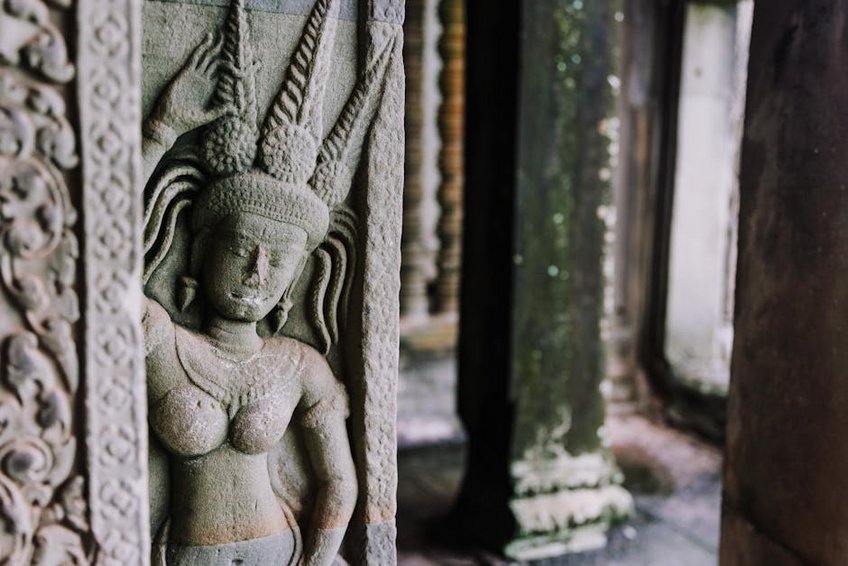
Look for the intricate narrative bas-reliefs adorning gallery walls, which depict scenes from Hindu epics like the Ramayana and Mahabharata, as well as historical processions. The devatas, or celestial female deities, carved on pillars and walls are another distinctive artistic hallmark. Meanwhile, the extensive baray (reservoirs) and canal systems highlight the empire’s advanced hydraulic engineering.
Spiritual Significance and Modern Worship
While Angkor is a major tourist destination, it remains an active religious site for Cambodian Buddhists. You’ll see monks in saffron robes making pilgrimages and local worshippers leaving offerings at shrines, especially at Angkor Wat’s central tower. This blend of ancient monument and living faith creates a uniquely respectful atmosphere.
Always dress modestly, covering shoulders and knees, when entering any temple precinct. Speak quietly, and never touch or climb on the ancient carvings. Purchasing incense sticks from a local vendor to make a small offering is a meaningful way to participate respectfully in the site’s ongoing spiritual life.
Alt: “angkor-wat-temple-sunrise-reflection-moat-cambodia”
Angkor Wat Temple Complex – Planning Your Visit
A successful trip to the Angkor Wat temple complex requires logistical planning. You must purchase an official Angkor Pass from the APSARA Authority ticket center, located away from the temples. Passes are sold as 1-day ($37), 3-day ($62), or 7-day ($72) options, with the 3-day pass being the most popular for a balanced experience. Your passport is required for purchase, and the ticket includes your photo.
Base yourself in Siem Reap, the lively gateway town located just 7 kilometers south of the main temple entrance. The town offers accommodation for all budgets, along with restaurants, markets, and cultural shows. Arrange your temple transport—usually a hired tuk-tuk or private car with driver—through your hotel or a reputable tour company in Siem Reap the day before you plan to start exploring.
Physical preparation is key, as you will walk several kilometers each day in tropical heat and high humidity. Start your days at dawn to beat both the crowds and the intense midday sun. Carry ample water, sun protection, and wear sturdy, comfortable shoes suitable for climbing uneven stone steps and navigating sandy paths.
Best Time to Visit the Temples
The ideal visiting window is during the cool dry season from November to February. Daytime temperatures range from 77°F to 95°F (25°C to 35°C) with lower humidity, making extensive exploration more comfortable. This is also peak tourist season, so expect significant crowds at sunrise viewpoints and major temples like Angkor Wat and Ta Prohm.
The shoulder months of March to May and September to October are hotter, with temperatures often exceeding 95°F (35°C), but have fewer visitors. The rainy season from June to August brings lush green landscapes and dramatic skies, but frequent afternoon downpours can make paths muddy. Sunrise is less guaranteed during this period, though the reflecting pools at Angkor Wat fill beautifully.
Budget Planning and Costs
Costs for a temple exploration vary widely based on your travel style and length of visit. Here’s a realistic breakdown of primary expenses beyond your flight.
Essential Preparation Checklist
Your packing list should prioritize comfort and respect. Essential items include lightweight, breathable clothing that covers shoulders and knees, a wide-brimmed hat, high-SPF sunscreen, and a reusable water bottle. A powerful flashlight or headlamp is crucial for exploring dark temple interiors and navigating pre-dawn paths for sunrise.
Ensure your passport is valid for at least six months beyond your entry date. Obtain a tourist e-visa online before travel for convenience. Book your first night’s accommodation in Siem Reap in advance, especially during peak season. Finally, secure comprehensive travel insurance that covers medical evacuation, as nearby hospital facilities for serious issues are limited.
Top Temple Attractions and Activities
Beyond the iconic silhouette of Angkor Wat, the park contains dozens of distinct temples, each with unique character. Angkor Thom, the “Great City,” is a vast walled complex containing several masterpieces. The Bayon Temple, with its 216 giant stone faces smiling enigmatically, stands at its exact center. The Terrace of the Elephants and Terrace of the Leper King showcase magnificent ceremonial platforms with detailed carvings.
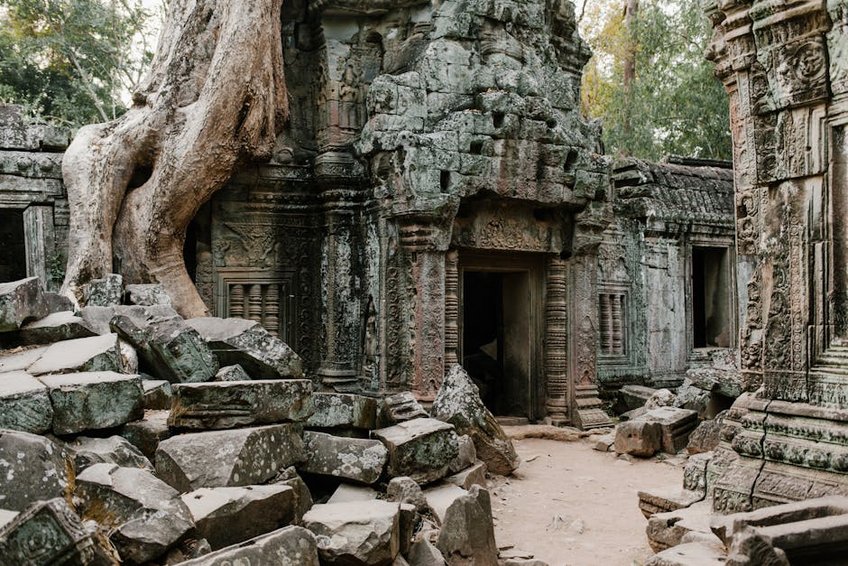
Ta Prohm, famously known as the “Tomb Raider temple,” has been left largely as it was found, with massive silk-cotton and strangler fig trees growing from its towers and walls. This creates a powerful atmosphere of nature reclaiming human endeavor. Meanwhile, Banteay Srei, the “Citadel of Women,” lies 25 kilometers northeast and is celebrated for its exquisite pink sandstone carvings of intricate detail.
Must-See Temple Highlights
Angkor Wat demands at least a half-day to appreciate its scale. Walk the extensive bas-relief galleries depicting epic battles and celestial scenes. Climb the steep steps to the central Bakan sanctuary for panoramic views (note: this climb may be restricted, and modest dress is strictly enforced). The classic reflection shot is taken from the pond left of the main western entrance.
Plan two hours for the Bayon Temple within Angkor Thom to wander among its face-towers and two levels of bas-reliefs depicting everyday Khmer life. Allocate another hour for Ta Prohm to witness the tree-root structures. Visit Banteay Srei in the cooler morning or late afternoon when the pink sandstone glows beautifully in the soft light. The entry fee is covered by your main Angkor Pass.
Hidden Gems and Local Favorites
For a quieter experience, venture to Preah Khan, a sprawling monastic complex north of Angkor Thom. It features impressive hallways and a unique two-story structure. Beng Mealea, about 40 kilometers east, is a jungle-smothered temple ruin accessible via wooden walkways, offering a true adventure atmosphere far from the main tourist tracks (separate $5 entry fee).
Consider a sunset visit to Pre Rup, a temple-mountain with excellent elevated views over the surrounding plains. Locals often recommend Phnom Bakheng for sunset as well, but it becomes extremely crowded. For a more serene alternative, the nearby Western Baray reservoir offers a peaceful setting to watch the day end, often with local families picnicking along its shores.
Sunrise and Sunset Photography Spots
The quintessential sunrise view is from the reflection ponds in front of Angkor Wat’s west-facing main temple. Arrive by 5:15 AM to secure a spot, as hundreds gather daily. For a less crowded sunrise, try the Srah Srang reservoir or the eastern gate of Angkor Thom, which catches the first light on the South Gate faces.
Popular sunset locations include Phnom Bakheng hill (tickets checked) and Pre Rup temple. However, both get packed. The upper terraces of the Bayon Temple offer a magical glow on the stone faces during the golden hour. Remember, your Angkor Pass will be checked for entry to Phnom Bakheng after 5:00 PM.
Practical Travel and Logistics Information
Getting to Siem Reap is straightforward via its international airport (REP), with direct flights from major Asian hubs. Alternatively, you can take a bus or private car from Phnom Penh (5-6 hour drive) or Bangkok (8-9 hour drive including border crossing). Once in Siem Reap, hiring a tuk-tuk for temple touring is the standard, economical, and authentic mode of transport.
Accommodation in Siem Reap spans from $5 hostels to ultra-luxury resorts. The area around Pub Street and the Old Market is bustling and central for nightlife and dining. The Wat Bo Road area offers slightly quieter, more upscale boutique hotels and villas. For complete serenity, consider a resort along the road to the temples or on the outskirts of town.
| Transport Type | Best For / Features | Approx. Daily Cost (USD) |
|---|---|---|
| Remork (Tuk-Tuk) | Small Circuit tours, 1-2 people, open-air experience | $15 – $25 |
| Private Car with Driver | Grand Circuit, air-conditioning, groups/families, comfort | $35 – $50 |
| Bicycle Rental | Fitness enthusiasts, flexible solo exploration, eco-friendly | $3 – $10 |
| E-bike Rental | Covering longer distances with less effort, modern option | $10 – $20 |
| Guided Tour Van | Included expert guide, structured itinerary, social | $50 – $80 per person |