Ancient Cities in Aydin: A Guide to Turkey’s Aegean Heritage
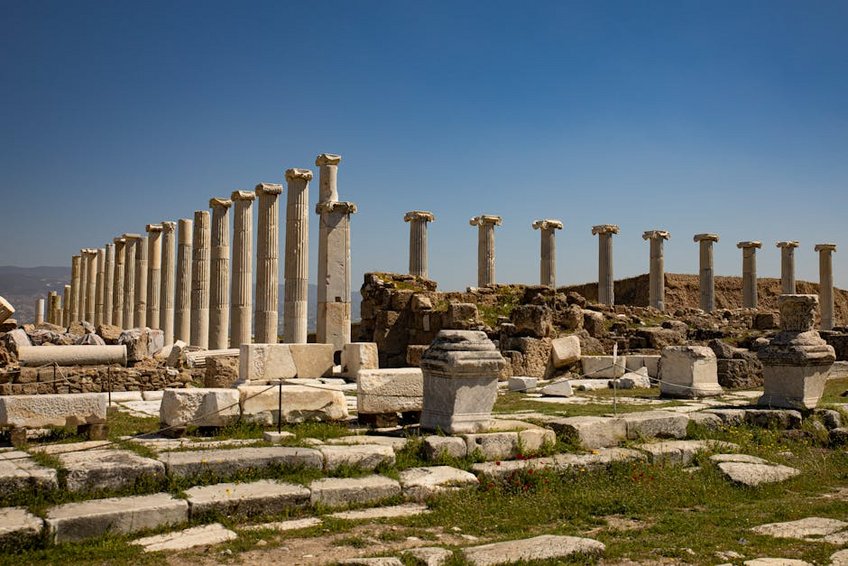
Exploring the ancient cities in Aydin offers a profound journey through time along Turkey’s stunning Aegean coast. This region served as a vital crossroads for powerful civilizations, including the Ionian Greeks, Lydians, Persians, and Romans, each leaving magnificent ruins that tell their stories. Your visit here connects you directly with the birthplace of philosophy, science, and architectural marvels set against a landscape of olive groves and mountain vistas.
Essential Historical and Geographical Context
Aydin province occupies a strategic and fertile region in western Anatolia, historically known as Ionia. Its location between the Meander River valley and the Aegean Sea made it a center for trade and cultural exchange for millennia. The mild Mediterranean climate, with hot, dry summers and mild, wet winters, helped preserve these remarkable stone sites.
This area was the heartland of Ionian civilization, a league of twelve ancient Greek city-states that flourished from around 1000 BC. These cities were pioneers in natural philosophy, geometry, and urban planning. Later periods saw Roman expansion, Byzantine development, and eventual integration into the Ottoman Empire, creating a rich historical tapestry.
Why Aydin’s Ruins Are Significant
The sites here are exceptionally well-preserved and diverse.
- Priene represents a perfectly planned Hellenistic city grid, offering unmatched insights into ancient urban design principles and civic architecture from the 4th century BC.
- Miletus showcases grand Roman-era monuments like a massive 15,000-seat theater and elaborate bath complexes, highlighting engineering prowess and social life.
- Didyma is home to the colossal Temple of Apollo, one of the largest and most significant oracular shrines in the classical Greek world, attracting pilgrims from across the Mediterranean.
- Budget travelers can manage on $50-70 per day by staying in hostels or guesthouses, using local dolmus (shared minibuses) for transport, and focusing on 2-3 key sites. Entrance fees are your main cost, averaging $10 per major ruin.
- Mid-range visitors spending $100-150 daily enjoy comfortable hotels, a rental car for flexibility, guided tours for key sites like Aphrodisias, and meals at local restaurants. This budget allows comprehensive site access and greater comfort.
- A luxury experience at $250+ per day includes boutique hotels near sites, private guides with deep expertise, chauffeur-driven transfers, and fine dining. This level offers in-depth historical context and maximizes time efficiency.
- Turkish Ministry of Culture and Tourism – Museum Portal
- UNESCO World Heritage – Aphrodisias
Key Periods of Construction and Discovery
Most ruins visible today date from the Hellenistic (323-31 BC) and Roman (31 BC-395 AD) periods, following rebuilding after Persian conflicts. Systematic archaeological excavation began in the late 19th century by German, French, and British teams. Turkish authorities continue this work today, with ongoing restoration projects at sites like Aphrodisias that allow visitors to see ancient craftsmanship up close.
These excavations have unearthed not just buildings but also countless inscriptions, statues, and everyday objects. These finds provide a detailed picture of political systems, economic activities, and religious practices. Museums in Aydin, Selcuk, and Istanbul now display these treasures for public education.
Climate and Best Exploration Conditions
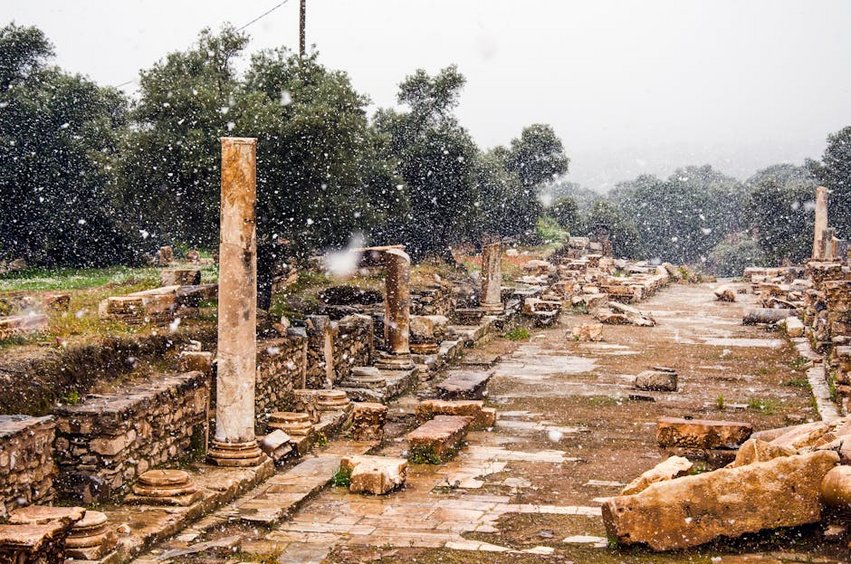
The Aegean climate features long, sunny summers and short, cool winters. Summer temperatures frequently reach 90-95°F (32-35°C) from June through August, making early morning visits essential for comfort. Winter sees milder conditions, with averages of 50-55°F (10-13°C) and increased rainfall that can make some unpaved site paths muddy.
Alt: “aerial-view-priene-ancient-theater-mountain-background-aydin”
Ancient Cities in Aydin – Planning Your Trip
A successful tour of the ancient cities in Aydin requires thoughtful logistical planning due to the sites’ scattered locations. You should base yourself in either Kusadasi for coastal access or Selcuk for proximity to Ephesus, then take day trips inland. Renting a car provides the most flexibility, though guided minibus tours from these hubs are readily available and informative for first-time visitors.
Allocate a minimum of three full days to experience the major sites without rushing. A sensible itinerary pairs geographically close ruins: Priene, Miletus, and Didyma together in one day; Aphrodisias and Laodicea on another. Always purchase the Turkey Museum Pass if visiting more than three sites, as it offers substantial savings on individual entrance fees.
Best Time to Visit the Archaeological Sites
The ideal months are April-May and September-October, when daytime temperatures range from 65-80°F (18-27°C). These shoulder seasons provide perfect conditions for walking extensive ruins without intense summer heat or winter chill. Crowds are significantly smaller than during the peak July-August period, allowing for more peaceful exploration and better photography.
Visiting in late spring also coincides with vibrant wildflowers covering the landscapes around the ruins. Early autumn offers clear skies and comfortable evenings. Note that some minor sites may have reduced hours outside the summer tourist season, so verify opening times in advance during November-March.
Budget Planning and Costs
Costs vary based on travel style and tour choices.
Essential Preparation Checklist
Pack sturdy, comfortable walking shoes with good traction for uneven marble and stone paths across all archaeological sites. Bring a wide-brimmed hat, high-SPF sunscreen, and a reusable water bottle, as shade is often limited. A lightweight scarf is useful for covering shoulders when visiting sites with active mosques nearby.
Ensure your passport is valid for six months beyond your stay, though most Western nationals receive an e-Visa online for tourism. Purchase comprehensive travel insurance covering medical emergencies and trip interruptions. Download offline maps of the region, as cellular service can be spotty in rural areas between the ancient cities.
Top Archaeological Sites and Historical Attractions
The concentration of world-class ruins in Aydin is remarkable. Each site offers a unique perspective on ancient life, from sacred oracular centers to bustling commercial ports. Beyond the famous names, several lesser-known locations provide equally fascinating glimpses into the past without the larger crowds, rewarding curious explorers.
Must-See Ancient City Highlights
Priene is a masterpiece of Hellenistic urban planning, built on terraces overlooking the Meander River plain. Its orderly grid of streets, well-preserved bouleuterion (council house), and Temple of Athena are breathtaking. Visit early in the morning to see the sun illuminate the marble ruins against the dramatic backdrop of Mount Mycale.
Miletus was once a major maritime power, and its gigantic theater, built for 15,000 spectators, still impresses today. The extensive Baths of Faustina complex showcases advanced Roman engineering with intricate heating systems. Allow at least three hours here to explore the sprawling site, including the monumental gateway to the harbor.
The Temple of Apollo at Didyma was one of the ancient world’s most renowned oracles, rivaling Delphi. Though never completed, its surviving columns are colossal, reaching 60 feet high. Stand in the sacred inner chamber (adyton) where priests delivered prophecies, feeling the scale of ancient religious ambition.
Hidden Gems and Local Favorites
Alinda, located near the modern town of Karpuzlu, features a remarkably intact three-story market building and a theater with stunning mountain views. It receives far fewer visitors than the coastal sites, offering a peaceful atmosphere. The city was a stronghold for the Carian Queen Ada, sister of the famous Mausolus.
Nysa, situated on the slopes of Mount Messogis, is an academic city known for its spectacularly preserved Roman library, theater, and unique tunnel-bridge. Its remote feeling adds to the sense of discovery. The site’s excellent preservation provides clear examples of Roman municipal architecture off the standard tourist trail.
The Sacred City of Aphrodisias
Though slightly farther inland, Aphrodisias is an essential addition to any Aydin itinerary. Dedicated to Aphrodite, goddess of love, it boasts a nearly intact stadium seating 30,000 people. The on-site museum houses exquisite marble sculptures from the city’s famous school of art. Its relative isolation helped preserve its monuments exceptionally well.
Practical Travel Information and Logistics
Navigating between the ancient cities in Aydin requires understanding the local transportation network. Most international travelers fly into Izmir Adnan Menderes Airport (ADB), which is approximately a 90-minute drive from Kusadasi. From there, you can rent a car, hire a private driver, or join organized multi-day archaeological tours that handle all logistics.
Accommodation choices range from resorts in Kusadasi to charming pensions in villages like Geyre near Aphrodisias. Staying in Selcuk provides easy access to Ephesus and serves as a good central point for northern Aydin sites. Book accommodations at least two months in advance for travel during the peak season from May to September.
| Transportation Method | Key Features & Best For | Approximate Daily Cost (USD) |
|---|---|---|
| Rental Car | Maximum flexibility, access to remote sites like Alinda, requires international license. | $40-70 + fuel |
| Private Driver/Guide | Expert commentary, door-to-door service, stress-free navigation, ideal for groups. | $150-300 |
| Guided Group Tour | Fixed itinerary, includes entry fees and lunch, social travel, departs from Kusadasi/Selcuk. | $80-120 per person |
| Local Dolmus (Minibus) | Very economical, connects major towns (Soke, Didim), requires patience and schedule checking. | $5-15 |