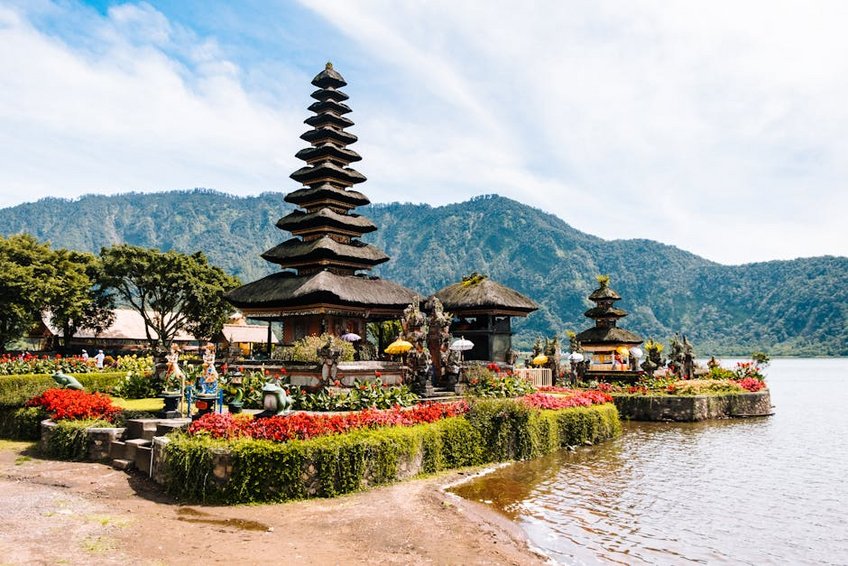
Your Guide to Stunning Bali Alternatives in Indonesia
Indonesia comprises over 17,000 islands, offering far more than its most famous destination. While Bali provides beautiful beaches and vibrant culture, the archipelago holds dozens of compelling alternatives. These destinations offer everything from ancient temple complexes and world-class diving to remote tribal villages and untouched rainforests. Your journey beyond Bali reveals a deeper, more diverse Indonesia, often with fewer crowds and more authentic interactions.
Essential Indonesian Island Alternatives
Choosing an alternative to Bali depends heavily on your travel priorities. Sumatra offers some of the planet’s best wildlife viewing and jungle trekking. Java presents incredible historical sites and volcanic landscapes. The eastern islands deliver pristine marine biodiversity and unique cultural traditions.
Each region possesses distinct climatic patterns, infrastructure levels, and cultural norms. Traveling outside Bali often requires more planning but yields unparalleled rewards in adventure and discovery.
Top Contender Destinations – What You Need to Know
Consider these primary regions when planning your Indonesian escape.
- Lombok and the Gili Islands provide a direct Bali alternative with stunning beaches, the majestic Mount Rinjani, and a more relaxed Muslim cultural atmosphere just a ferry ride away.
- Yogyakarta and Central Java form the cultural heart of Indonesia, home to the immense Borobudur and Prambanan temple compounds, royal palaces, and vibrant arts scenes.
- Sumatra delivers raw adventure with orangutan sanctuaries in Bukit Lawang, the vast Lake Toba caldera, and the challenging jungle treks of Kerinci Seblat National Park.
- Budget travelers can manage on $25-$40 per day in Lombok or Java by staying in hostels, eating at local *warungs*, and using public transport. Entrance fees to major temples like Borobudur cost around $25 USD.
- Mid-range travelers should budget $70-$120 per day for comfortable private accommodations, guided day tours, and domestic flights between 2-3 islands. A 3-day Komodo Island boat tour starts around $300 USD per person.
- Luxury exploration costs $200+ per day, covering dive liveaboards in Raja Ampat ($3000-$5000 per week), boutique resorts in Flores, or private guides in Tanah Toraja. International-standard hotels are readily available in major cities only.
- Indonesia Travel – Official Tourism Website
- Wikitravel Indonesia Guide
Key Details on Eastern Indonesia
For diving enthusiasts and intrepid explorers, eastern Indonesia is unmatched. Komodo National Park, accessible from Labuan Bajo on Flores, offers otherworldly landscapes and legendary reptile encounters. The diving here ranks among the world’s best.
Sulawesi presents truly unique cultures, most notably the funeral traditions and elaborate architecture of the Toraja highlands. Its northern tip around Bunaken is a premier macro diving destination. These areas offer profound cultural immersion far from standard tourist trails.
Remote Island Paradise Considerations
The Raja Ampat archipelago in West Papua represents the ultimate frontier for biodiversity. Its marine life density is scientifically recorded as the highest on Earth. Reaching these islands requires significant time and budget.
Similarly, the Banda Islands offer a fascinating historical narrative as the original Spice Islands, coupled with spectacular reef walls. These remote paradises cater to travelers seeking exclusive, world-class natural encounters.

Alt: “indonesian-island-alternative-mount-rinjani-lombok-summit-view”
Bali Alternatives – Planning Your Trip
Successfully visiting Indonesia’s other islands requires strategic planning around seasons, budgets, and travel routes. The dry season (April to October) is ideal nearly everywhere, but shoulder months can offer better value. Domestic flight networks are extensive but not always frequent.
Your budget stretches further in Sumatra and Java compared to Bali, while remote eastern destinations command premium prices for logistics. Allocating extra time for travel between islands is crucial, as delays can occur with ferries and regional flights. A flexible itinerary enhances your experience significantly.
Best Time to Visit Indonesian Islands
Visit most Indonesian alternatives between May and September for reliably dry weather and calm seas, perfect for diving and beach activities. Temperatures typically range from 77°F to 90°F (25°C to 32°C) with moderate humidity. This peak period sees more tourists, especially in July and August.
The shoulder months of April, October, and November often provide a excellent balance with fewer crowds and lower prices, though brief afternoon showers are common. The wet season (December to March) brings heavy rainfall, particularly in western regions like Sumatra, which can disrupt trekking and transportation.
Budget Planning and Costs
Daily costs vary dramatically by destination and travel style.
Essential Preparation Checklist
Pack light, breathable clothing, a rain jacket, sturdy walking shoes, and superior sun protection. A quality adapter (Type C/F, 220V) is essential. For jungle or mountain areas, include leech socks, a headlamp, and quick-dry layers. Snorkelers should bring their own mask for hygiene and fit.
Check visa requirements; most nationalities receive a 30-day visa-free entry or can purchase a 30-day visa on arrival for $35 USD. Purchase comprehensive travel insurance covering medical evacuation, especially for remote adventures. Begin booking domestic flights and popular eco-lodges at least three months in advance for peak season travel.
Top Experiences and Cultural Encounters
Beyond beaches, Indonesia’s alternatives offer profound historical and natural encounters. Central Java’s temple complexes showcase ancient Buddhist and Hindu kingdoms. Sumatra’s jungles provide intimate wildlife viewing unmatched in Bali.
The cultural practices in places like Sulawesi remain deeply authentic and visually stunning. Each destination provides a primary theme, from diving and trekking to temple exploration and village homestays, allowing for deeply focused itineraries.
Must-See Highlights Beyond Bali
Borobudur Temple in Central Java is the world’s largest Buddhist temple. Visit at sunrise for a breathtaking view over the misty plains. Prambanan Temple, a vast Hindu complex, presents equally impressive architecture and hosts nightly Ramayana ballet performances.
Komodo National Park is a UNESCO site where you can see Komodo dragons in the wild. The surrounding pink beaches and world-class manta ray cleaning stations make this a multi-activity destination. Lake Toba in Sumatra is the largest volcanic lake on Earth, offering serene relaxation and Batak culture in villages like Tuk Tuk.
Hidden Gems and Local Favorites
The Tengger Highlands on Java offer access to the otherworldly volcanic landscape of Mount Bromo without the dense crowds of Bali’s mountains. Local jeep tours depart in the early morning for spectacular sunrise views. In Sulawesi, the Togean Islands provide a remote archipelago experience with stunning coral atolls and laid-back island life, accessible via a long but rewarding journey from Gorontalo.
For culture, the traditional village of Wae Rebo on Flores is a stunning example of Manggarai heritage, featuring unique conical huts. Reaching it involves a scenic hike, ensuring an immersive experience. These spots offer genuine interaction and pristine environments.
Adventure and Diving Hotspots
Dive sites in the Alor archipelago rival Raja Ampat’s biodiversity with far fewer visitors. The currents attract spectacular pelagic life, suitable for experienced divers. Trekking Mount Rinjani on Lombok is a challenging 2-3 day adventure leading to a stunning crater lake and hot springs, requiring a licensed guide.
For wildlife, the Tangkahan Elephant Center in Sumatra offers ethical elephant interactions alongside jungle tubing and night walks in the rainforest. These activities provide structured adventure with professional operators.
Practical Travel Information and Logistics
Transportation between islands relies on Indonesia’s extensive domestic airline network. Garuda Indonesia, Lion Air, and Citilink serve major hubs. Always confirm baggage allowances, as weights for small planes can be as low as 15kg. Ferry services connect nearby islands like Bali to Lombok or Java to Sumatra, but schedules can change.
Accommodation ranges from international chains in big cities to basic homestays in remote areas. Booking platforms like Traveloka and Agoda work well nationwide. English is widely spoken in tourist areas but learning basic Indonesian phrases enhances your experience in local markets and rural villages.
| Destination Category | Top Picks & Features | Price Range (USD) |
|---|---|---|
| Culture & History | Yogyakarta (Borobudur/Prambanan), Solo (Sultan’s Palaces), Toraja (Funeral Ceremonies) | $30-$150/night |
| Beach & Relaxation | Gili Islands (car-free), Lombok (south coast), Togean Islands (remote atolls) | $20-$300/night |
| Adventure & Trekking | Sumatra (jungle treks), Mount Rinjani (volcano climb), Flores (Komodo & Kelimutu) | $50-$200/day (tours) |
| Diving & Marine Life | Raja Ampat (biodiversity), Bunaken (walls), Alor (currents & pelagics) | $80-$500/day (diving) |