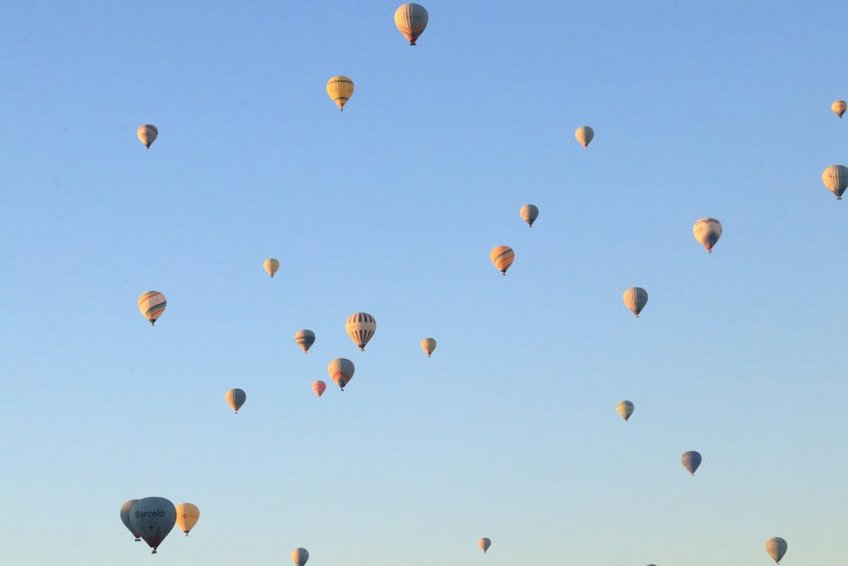
Alternative Experiences in Cappadocia Beyond the Hot Air Balloons
Cappadocia’s fairy chimneys and sunrise balloon fleets define its iconic image, but the region’s true depth lies beyond these postcard scenes. Your Cappadocia itinerary gains authenticity and adventure by exploring underground cities, secluded valleys, and hands-on cultural workshops most visitors overlook. This guide details unique alternative experiences in Cappadocia, from pottery making in Avanos to hiking through sword-like rock formations, ensuring a journey focused on connection rather than just observation.
Understanding Cappadocia’s Unique Landscape
Cappadocia’s surreal terrain in central Turkey formed from volcanic ash eroded over millions of years into cones, pillars, and caves. Early Christians carved entire underground cities here to seek refuge, creating a historical tapestry woven directly into the rock. This geology provides the foundation for all activities, making every exploration a journey through natural and human history.
The region encompasses several towns, with Göreme as the central hub for tourism. However, the broader area includes Ürgüp, Uçhisar, Avanos, and Ihlara, each offering distinct character and lesser-known attractions. Understanding this geographic spread is key to planning an offbeat adventure that escapes the main tourist circuits.
The Geology Behind the Magic
The landscape results from ancient volcanic eruptions from Mount Erciyes and Mount Hasan. These eruptions blanketed the area with thick ash that hardened into soft rock called tuff. Wind and water then sculpted the tuff into the famous fairy chimneys, with harder basalt caps protecting the softer stone beneath.
- Rock Formations: Explore valleys like Paşabağ for mushroom-shaped fairy chimneys and Devrent (Imagination Valley) for animal-shaped rocks, best visited in early morning light without crowds.
- Underground Cities: Kaymaklı and Derinkuyu are the most visited, but Özkonak or Mazı offer similar depth with significantly fewer visitors and a more intimate atmosphere.
- Rock-Cut Churches: While Göreme Open-Air Museum is essential, seek out the El Nazar Church or the richly frescoed churches in the Soğanlı Valley for a quieter historical immersion.
- Budget Day ($50-70): Includes dorm-style cave hostel, self-guided hikes through free valleys like Rose Valley, picnic lunch from local markets, and a visit to a free pottery demonstration in Avanos. Transportation relies on affordable local dolmuş (minibus) routes.
- Mid-Range Day ($120-180): Covers a comfortable boutique cave hotel, a half-day guided hiking tour to lesser-known valleys ($40-50), a hands-on pottery or carpet-weaving workshop ($30-40), and dinner at a local family-run restaurant. May include a rental car for greater freedom.
- Luxury Day ($300+): Features a stay in a luxury cave suite with a private terrace, a private guide for a full-day cultural immersion including underground cities and artisan visits, a gourmet cooking class with a local chef, and dinner with curated local wines.
- Göreme Travel Information Portal
- Cappadocia History & Culture Research Site
- Turkish Ministry of Culture and Tourism Portal
Regions and Towns Beyond Göreme
Göreme’s popularity means higher prices and denser crowds, especially at sunrise viewpoints. For a more localized feel, consider basing yourself in or dedicating days to other towns. Each area provides a different lens through which to experience Cappadocian life.
Ürgüp offers upscale cave hotels and excellent wine-tasting rooms from local vineyards. Avanos, situated on the Red River, is the centuries-old center for traditional pottery and ceramic art. Meanwhile, Ihlara Valley presents a 14-kilometer canyon hike past rock-cut churches, a stark contrast to the arid plateaus.
Cultural and Historical Context
Human habitation in Cappadocia dates to the Hittites around 1800 BCE. Later, early Christians fleeing Roman persecution expanded existing cave dwellings into elaborate underground cities capable of sheltering thousands. This history of resilience and artistry is embedded in every carved doorway and fresco.
The region’s name is thought to derive from the Persian “Katpatuka,” meaning “Land of Beautiful Horses,” a nod to its historical breeding grounds. Today, this blend of Persian, Roman, Byzantine, and Seljuk influences creates a unique cultural heritage visible in architecture, food, and craft traditions.
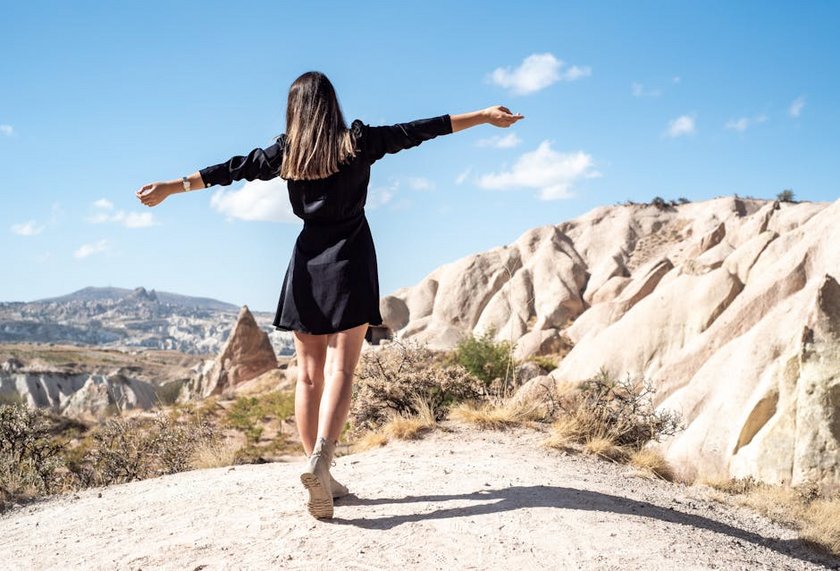
Alt: “cappadocia-devrent-valley-rock-formations-hiking-trail”
Alternative Experiences in Cappadocia – Planning Your Trip
Designing an itinerary focused on Cappadocia’s hidden gems requires strategic timing and a willingness to wander. The core experience shifts from passive viewing to active participation, whether through a cooking class or a guided archaeology walk. Prioritize activities that connect you with local artisans and landscapes away from the main sunset points.
Budgeting for alternative experiences often means allocating funds for specialized guided tours, workshop fees, or rental cars for flexibility, rather than for balloon rides. The value lies in personalized attention and access to places large groups cannot go. Booking these smaller tours in advance is crucial, especially for popular workshops.
Success hinges on balancing well-known sights with undiscovered ones. For instance, pair a morning at the Göreme Open-Air Museum with an afternoon learning the ancient art of Turkish marbling (Ebru) in a private studio. This approach creates a richer, more nuanced understanding of the region.
Best Time to Visit for Offbeat Exploration
Visit between late April and early June or September and October for ideal weather, with daytime temperatures between 60-75°F (15-24°C) and manageable crowds. These shoulder seasons provide perfect conditions for extensive hiking and outdoor workshops without summer’s peak heat or winter’s occasional snow closures.
July and August see temperatures soar above 86°F (30°C), making midday hiking strenuous, though mornings and evenings remain pleasant. Winter (December-February) offers a magical, quiet atmosphere with chances of snow-dusted landscapes, but some rural roads and family-run workshops may have limited availability.
Budget Planning and Costs
Your daily budget varies dramatically based on activity choices and accommodation style. Here’s a tiered breakdown for a day focused on alternative experiences.
Essential Preparation Checklist
Pack sturdy, comfortable hiking shoes with good grip for uneven rocky trails and valley floors. Bring layers, as temperatures shift significantly from day to night, and include a headlamp or flashlight for exploring dimly lit caves or underground city sections not part of standard tours.
Secure a museum pass (available at major sites) if planning to visit multiple historical attractions; it offers savings and convenience. Book specialized workshops and small-group tours at least two weeks in advance, especially for popular artisans. Ensure you have comfortable day-pack for water, snacks, and sun protection during explorations.
Top Alternative Attractions and Activities
Moving beyond balloons and panorama points reveals a Cappadocia brimming with active and cultural pursuits. These experiences connect you with the land’s history and the living traditions of its people. They often require more time and engagement but deliver far more memorable and personal stories.
From foraging for wild herbs with a local guide to sleeping in a renovated silk road caravanserai, the options are diverse. The common thread is authenticity, offering a glimpse into the rhythm of local life and the region’s historical depth that mass tourism rarely touches.
Must-See Hidden Valleys and Trails
Skip the crowded Love Valley and explore the serene White Valley via a looping trail from Uçhisar. This route offers stunning rock formations, old pigeon houses, and complete solitude, ending at a local vineyard. Another exceptional choice is the Ihlara Valley hike, a 7-8 km section through a lush canyon beside a flowing river, past numerous accessible rock-cut churches.
For a short but spectacular walk, the Red Valley sunset point offers views rivaling the popular Sunset Point but with a fraction of the visitors. Access requires a 20-minute hike from the road, which naturally filters the crowds. The Zemi Valley, near Göreme, is another excellent option for a peaceful one-hour walk among fascinating rock structures.
Hands-On Cultural Workshops
Avanos is the heart of Turkish pottery, with techniques passed down since Hittite times. Participate in a workshop where masters teach you to throw clay on a traditional kick-wheel using the region’s distinctive red clay. The Chez Galip Hair Museum studio offers popular classes, but smaller family-run ateliers provide a more intimate experience.
Turkish carpet weaving is an iconic art form. Visit a women’s cooperative in a village like Soğanlı to see the intricate process and learn about symbols in the patterns. Some cooperatives offer short lessons where you can try a few knots yourself. Similarly, seek out studios teaching Ebru (paper marbling) or calligraphy, connecting with ancient Ottoman arts.
Underground Cities and Forgotten History
While Kaymaklı and Derinkuyu are impressive, the underground city of Özkonak offers a similar multi-level exploration with narrow corridors, ventilation shafts, and rolling stone doors, but often without the long queues. It’s located north of Avanos and provides a more raw, less commercialized feel.
For a truly obscure site, visit the Tatlarin Underground City. It features well-preserved churches with frescoes inside the complex, a rare combination. Access may be more limited, so checking ahead is advised. These sites highlight the incredible ingenuity of Cappadocia’s ancient inhabitants and their capacity to create entire subterranean worlds.
Practical Travel Information for Cappadocia
Navigating Cappadocia’s dispersed attractions requires some logistical planning. Having a strategy for transportation and accommodation is key to efficiently accessing both popular sites and hidden corners. The region is generally tourist-friendly, but services in smaller villages can be basic.
Accommodation ranges from simple cave hostels to exquisite luxury hotels carved into the rock. Your choice of base town significantly impacts your daily travel time to various activities. Consider splitting your stay between two different towns to minimize transit and experience varied atmospheres.
| Accommodation Type | Best For & Features | Price Range (USD/Night) |
|---|---|---|
| Cave Hostel (Göreme) | Budget travelers, social atmosphere, basic amenities, central location. | $15 – $30 |
| Boutique Cave Hotel (Uçhisar/Ürgüp) | Couples, unique design, terraces with views, often family-run. | $80 – $180 |
| Luxury Cave Suite (Various) | Splurge, privacy, heated pools, spa services, private balconies for balloon views. | $250 – $600+ |
| Village House (Avanos/Ihlara) | Authentic cultural immersion, self-catering, direct interaction with locals. | $40 – $100 |