Pamukkale Travertines Entrance Fee and Visitor Information
Visiting the iconic white terraces of Pamukkale requires understanding both the entrance costs and practical logistics for a smooth trip. The Pamukkale travertines entrance fee grants access to a dual UNESCO World Heritage site, combining the ancient city of Hierapolis with the stunning natural thermal pools. This guide provides current pricing, reservation tips, and essential visitor advice to maximize your experience at this geological wonder.
Understanding Pamukkale and Hierapolis
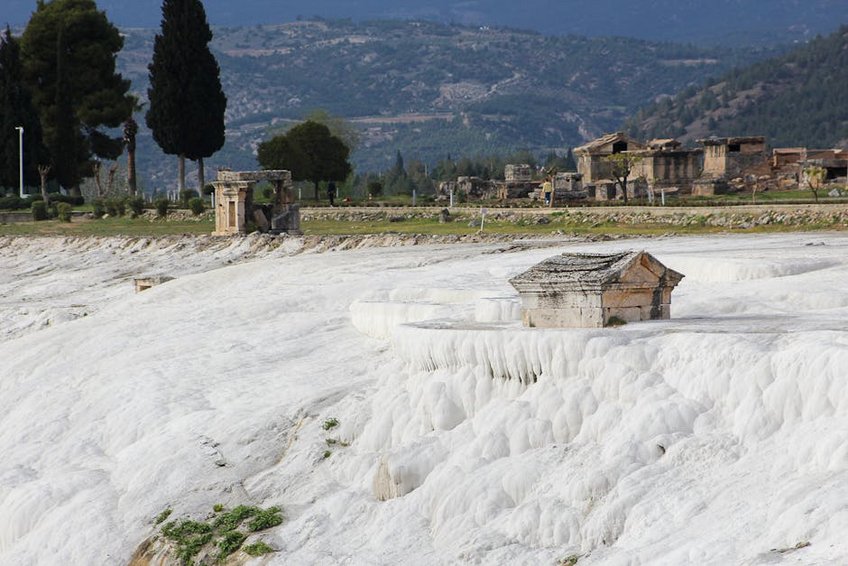
The brilliant white landscape of Pamukkale, meaning “cotton castle” in Turkish, is formed by calcium-rich thermal waters flowing down a mountainside. Over millennia, these mineral deposits have created the famous travertine terraces and pools. The site has been a spa destination since the 2nd century BC, with the Romans building the extensive city of Hierapolis atop the cliffs.
Today, the entire area is a protected UNESCO site. Your single admission ticket covers both the natural thermal terraces and the sprawling archaeological ruins. Managing expectations is key, as preservation efforts limit direct access to some pools. However, designated walking paths and wading areas still offer an unforgettable encounter with this unique environment.
What Your Ticket Includes
Your entrance fee provides comprehensive access to the entire heritage zone.
- Full access to the white travertine terraces, including designated wading pools where you can walk barefoot in the thermal waters.
- Entry to the Ancient City of Hierapolis, featuring a remarkably preserved theater, the monumental Frontinius Street, and the extensive Necropolis.
- Admission to the Hierapolis Archaeology Museum, housed in the former Roman baths, displaying artifacts excavated from the site.
- Use of main visitor pathways, viewing platforms, and informational signage throughout the complex.
- Budget Day ($35-50 USD): Includes entrance fee, public dolmuş transport from Denizli, packed lunch, and water. Stay in nearby towns like Karahayıt for affordable guesthouses. Focus on free exploration and wading in the public pools.
- Mid-Range Day ($70-100 USD): Covers entrance, a rental car for flexibility, a guided tour for historical context, lunch at a local restaurant, and locker rental for your belongings. Allows for a more relaxed and informative experience.
- Premium Day ($150+ USD): Encompasses private transfer, a specialist photography or history guide, a stay at a thermal hotel with pool access, and a fine dining experience. Offers the highest comfort and in-depth access.
- Turkish Ministry of Culture and Tourism
- UNESCO World Heritage Centre – Pamukkale
Site Layout and Key Zones
The site has two main entrances, North and South, which significantly impact your visiting strategy. The southern gate leads directly onto the travertine terraces, allowing you to walk up through the pools toward the ruins. The northern gate starts you in Hierapolis, so you walk downhill through history before reaching the white terraces.
Most visitors spend 4-6 hours to fully explore both sections comfortably. The terrain involves walking on uneven limestone and marble paths, so sturdy footwear is essential until you reach the wading areas. Bring a bag for your shoes and socks when you decide to dip your feet in the warm, mineral-rich flows.
Historical and Geological Significance
The thermal springs have flowed for over 14,000 years, depositing the white travertine that defines the landscape. Hierapolis was founded around 190 BC and became a major healing center. The combination of natural wonder and ancient urban planning creates a destination unlike any other in the Mediterranean region.
Conservation is an ongoing challenge. To protect the delicate formations, the management has implemented controlled water flow and strict visitor pathways. This ensures the terraces remain pristine for future generations while allowing sustainable tourism.
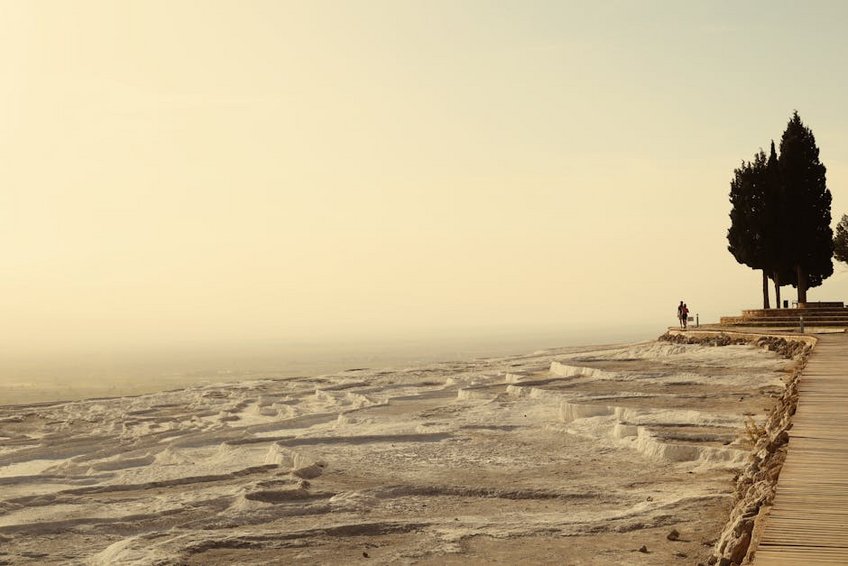
Alt: “pamukkale-white-terraces-thermal-pools-turkey”
Pamukkale Travertines Entrance Fee – Planning Your Visit
Budgeting accurately for your Pamukkale travertines entrance fee is the first step in planning. As of 2024, the standard adult ticket costs 700 Turkish Lira, approximately $22 USD. This single fee covers both the travertines and Hierapolis archaeological site, representing excellent value for a full day of exploration. Prices are subject to change, typically increasing annually, so verify the latest cost on official channels before your arrival.
Purchasing tickets on-site with cash (Turkish Lira or Euro) or credit card is straightforward. For a smoother experience, consider the Türkiye Museum Pass if your itinerary includes multiple archaeological sites. This pass can offer significant savings and lets you bypass ticket queues. Plan your visit for early morning or late afternoon to avoid peak crowds and experience softer light on the white terraces.
The complex operates year-round, with opening hours extending from 6:30 AM to 8:00 PM during summer months. Winter hours are slightly shorter. Allocate at least five hours to appreciate both natural and historical sections without rushing. Remember that the thermal water flow is regulated, so not all pools will be filled at once, but the visual spectacle remains constant.
Best Time to Visit Pamukkale
The ideal visiting period is during the shoulder seasons of April-May and September-October. Daytime temperatures range from a pleasant 68-77°F (20-25°C), making exploration comfortable. Crowds are thinner compared to the bustling summer peak, and the light is perfect for photography. The thermal water remains warm, around 95°F (35°C), regardless of air temperature.
Summer months (June-August) bring intense heat, often exceeding 95°F (35°C), and large tour groups. If visiting then, arrive at opening time. Winter offers a stark, beautiful atmosphere with potential mist rising from the pools, but some facilities have reduced hours. The terraces are open year-round, and the warm water feels particularly inviting on a cool day.
Budget Planning and Costs
Beyond the entrance fee, consider these additional daily costs.
Essential Preparation Checklist
Packing correctly enhances your visit significantly. You must bring a bag to carry your footwear, as shoes are not permitted on the travertines. Wear swimwear under your clothes for easy wading. Pack sunscreen, a hat, and plenty of water, as shade is limited on the white limestone which reflects sunlight intensely.
Carry cash for small purchases like water or locker rentals. Ensure your camera or phone is protected from moisture and mineral spray. Download an offline map of the site or pick up a paper guide at the entrance. Check the official website the night before your visit for any last-minute changes to opening hours or access rules.
Top Attractions and Activities at the Site
The experience extends far beyond the iconic white pools. The ancient city of Hierapolis boasts one of Turkey’s best-preserved Roman theaters, with a capacity for 15,000 spectators. Walking the original marble-paved Frontinius Street gives a tangible connection to the past. The vast Necropolis, one of the largest in Anatolia, contains tombs spanning centuries.
For the thermal experience, the Antique Pool, also called Cleopatra’s Pool, is a separate paid attraction within Hierapolis where you can swim among submerged Roman columns. The terraces themselves offer countless photographic opportunities, especially at sunset when the white stone glows. Allow time to simply sit and appreciate the view across the Menderes River valley.
Must-See Highlights
Prioritize the Travertine Terraces, the heart of the visit. The water flows continuously, creating ever-changing patterns and colors. The Hierapolis Theater, restored to its former glory, offers stunning acoustics and panoramic views. Don’t miss the Plutonium, a sacred cave believed to be an entrance to the underworld, which still emits toxic gases today.
The Archaeology Museum provides crucial context, displaying stunning sarcophagi and artifacts. The Antique Pool charges an additional fee (approx. $7) but provides a unique swimming experience. Lastly, walk to the Northern Necropolis to see elaborate temple-style tombs away from the main crowds, offering a quieter historical reflection.
Hidden Gems and Local Favorites
Venture to the less-visited eastern sections of Hierapolis to find quieter ruins. The Basilica of St. Philip, dedicated to the apostle martyred here, sits on a hill with magnificent views. Locals often prefer the free, public thermal springs in the village of Karahayıt, known for their red-colored waters due to different minerals.
For a unique perspective, hike the path behind the museum for a elevated view of the entire white cascade. Visit the small village of Pamukkale town itself for authentic Turkish meals at lower prices than the restaurants near the gates. These spots provide a more local and relaxed counterpoint to the main tourist path.
Photography Tips for the Terraces
The bright white travertine poses a exposure challenge for cameras. Use a polarizing filter to manage glare and enhance the blue of the sky and pools. Early morning light provides soft shadows and fewer people in your shots. For the classic reflection shots, find still pools at the edges of the main pathways.
Protect your gear from the fine mineral mist in the air. A lens cloth is essential. Include human subjects for scale to emphasize the vastness of the formations. Sunset casts a warm golden hue on the white stone, creating a magical contrast with the deepening blue of the sky. Always stay on designated paths to protect the formations and get the best angles safely.
Practical Travel Information and Logistics
Reaching Pamukkale is straightforward, with Denizli as the main transport hub. Denizli Çardak Airport (DNZ) receives domestic flights from Istanbul and Ankara. From there, a 45-minute taxi or Havas shuttle bus will get you to the site. Most international travelers fly into Izmir or Istanbul and take a domestic connection or a long-distance bus.
Accommodation ranges from basic pensions in Pamukkale village to luxury thermal hotels in Karahayıt. Staying within walking distance of the gates allows for early entry. The town offers ample restaurants, but quality varies, so check recent reviews. The area is generally safe, but standard precautions for safeguarding valuables in crowded areas apply.
| Category | Options/Features | Price Range (USD) |
|---|---|---|
| Budget Accommodation | Family-run pensions in Pamukkale village, basic breakfast, walkable to south gate. | $25-40 per night |
| Mid-Range Hotel | Thermal hotels in Karahayıt with spa pools, half-board options, shuttle service. | $60-120 per night |
| Luxury Resort | Five-star resorts with private thermal springs, multiple restaurants, and full spa facilities. | $150-300+ per night |
| Transport (from Denizli) | Public dolmuş (shared minibus), private taxi, or rental car. | $2 – $30 per trip |