Oslo Travel Guide: Discover Scandinavia’s Coastal Capital
Planning an Oslo visit reveals a dynamic city where fjord landscapes meet vibrant urban culture across distinct seasons. This Oslo travel guide provides the specific details you need to navigate from the Viking Ship Museum to the modern opera house, with practical advice on seasonal timing and budget logistics. You’ll find a clear breakdown of neighborhoods, transportation passes, and must-try local dishes to craft an efficient and enjoyable Scandinavian itinerary.
Essential Oslo Information
Norway’s capital sits at the head of the Oslofjord, blending centuries of history with striking contemporary architecture. Founded around 1040 AD, the city became the permanent capital in 1299. Today, it functions as Norway’s economic and governmental hub with a population exceeding 700,000.
The city’s layout is remarkably visitor-friendly. Most major attractions cluster in walkable central zones like Sentrum and Grünerløkka. Public transport integrates buses, trams, ferries, and a metro system called the T-bane.
Norwegian is the official language, yet English fluency is virtually universal. You will encounter no communication barriers in hotels, restaurants, or museums. The local currency is the Norwegian Krone (NOK), though credit cards are accepted nearly everywhere.
Key Facts and Figures
Understanding these fundamentals helps with itinerary planning and daily logistics.
- Time Zone: Central European Time (CET), UTC +1. Daylight saving shifts to CEST (UTC+2) from late March to late October.
- Climate: Humid continental with cold winters and mild summers. January averages 23°F (-5°C) while July sees 64°F (18°C).
- Visitor Numbers: Pre-pandemic, Oslo welcomed nearly 8 million overnight stays annually, with major growth from US and Asian markets.
- Budget Traveler: $80-120/day. Stay in hostel dorms, use Oslo Pass for transport/entries, cook meals, and focus on free sights like Vigeland Park and the Opera House roof.
- Mid-Range Traveler: $180-280/day. Book a central hotel like Clarion Hotel® The Hub, dine at casual restaurants (koldtbord lunch buffets), and take a guided fjord cruise.
- Luxury Traveler: $400+/day. Choose a waterfront suite at The Thief, dine at Michelin-starred Maaemo (book months ahead), and arrange private guided tours to the Fram Museum and Viking Ship Museum.
- Official Oslo Visitor Board
- Ruter Public Transport Authority
- National Museum of Art, Architecture and Design
City Layout and Neighborhoods
Oslo organizes into several distinct districts, each offering a different vibe. Sentrum (Downtown) contains the main shopping street, Karl Johans gate, and the Royal Palace. This area is ideal for first-time visitors seeking convenience.
West of the center, Frogner holds the famous Vigeland Sculpture Park and upscale residential streets. Meanwhile, Grünerløkka to the east provides a bohemian atmosphere with vintage shops and cafes. The waterfront Aker Brygge district features modern dining with fjord views.
Historical and Cultural Context
Oslo’s history spans Viking settlements, Danish rule, and 20th-century independence. The 1905 dissolution of the union with Sweden cemented its status as a national capital. This legacy is visible at Akershus Fortress, a medieval castle rebuilt in the Renaissance style.
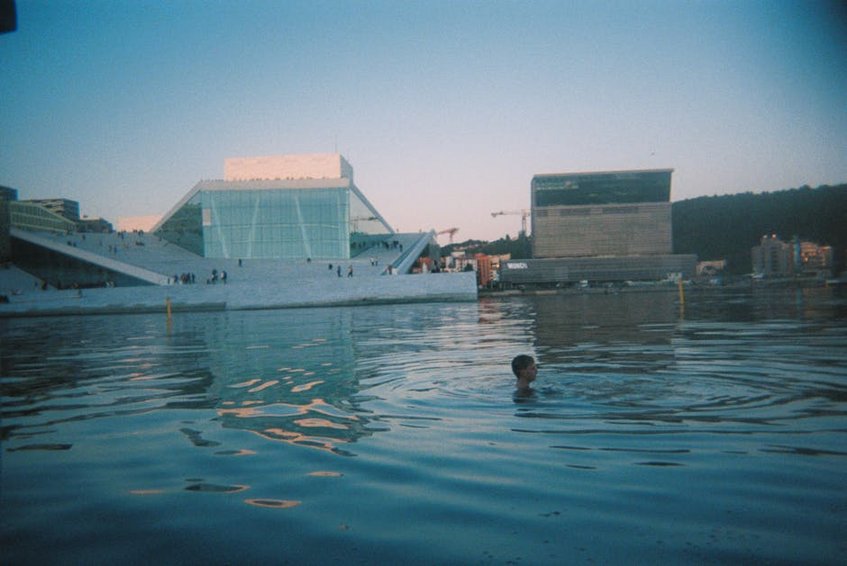
Post-war discovery of North Sea oil funded massive urban development. This includes the innovative Barcode Project, a row of high-rise buildings. The city continuously balances its heritage with modernist ambition, evident in the 2008-opened Oslo Opera House.
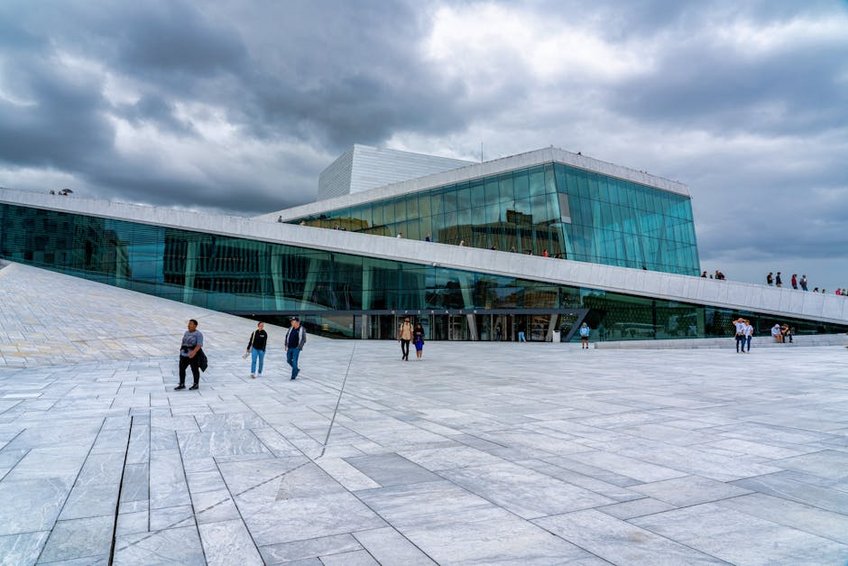
Alt: “oslo-opera-house-fjord-waterfront-architecture”
Oslo Travel Guide – Planning Your Trip
Effective planning for Norway’s capital requires attention to seasonal patterns and cost management. Your Oslo travel guide strategy should prioritize advance bookings for major museums and scenic ferries. Summer offers extended daylight but higher prices, while winter provides festive atmosphere and potential northern lights viewing opportunities just outside the city.
Budgeting realistically is crucial, as Oslo consistently ranks among the world’s most expensive cities. However, strategic use of the Oslo Pass for transport and entry fees creates significant savings. Allocate funds for at least one special dining experience featuring local seafood like salmon or cod.
Best Time to Visit Oslo
Peak tourist season runs from June through August, offering temperatures between 60-75°F (15-24°C) and up to 19 hours of daylight. Museums and ferries operate at full capacity, but accommodation prices peak. Book hotels at least three months in advance for summer visits.
Shoulder months of May and September provide cooler weather, 50-60°F (10-15°C), with fewer crowds and lower prices. Winter from December to February is cold, 20-30°F (-6 to -1°C), yet magical with Christmas markets and skiing access within the metro system. March and April are transitional with lingering snow.
Budget Planning and Costs
Daily expenses vary dramatically based on your travel style and accommodation choice.
Essential Preparation Checklist
Pack layers including a waterproof jacket, comfortable walking shoes, and a warm sweater even in summer. Bring a universal power adapter (Norway uses Type F, 230V) and consider a reusable water bottle. Norway’s tap water is excellent and free.
Ensure your passport is valid for three months beyond your planned departure from the Schengen Area. U.S. and EU citizens do not need a visa for stays under 90 days. Purchase comprehensive travel insurance covering medical emergencies and trip cancellations. Download the Ruter app for real-time public transport schedules and tickets.
Top Attractions and Activities
Oslo’s cultural offerings range from ancient Viking vessels to groundbreaking modern art. The Bygdøy peninsula alone houses several world-class museums accessible by a short ferry ride from City Hall. Meanwhile, the city’s investment in public art and architecture provides countless open-air experiences at no cost.
Prioritize attractions based on your interests. History enthusiasts will dedicate a full day to Bygdøy. Art lovers can split time between the National Gallery and the Astrup Fearnley Museum. Active visitors might combine a hike in Nordmarka forest with a sauna session at the Oslo Opera House.
Must-See Highlights
The Viking Ship Museum on Bygdøy displays three incredibly preserved 9th-century vessels, including the Oseberg ship. It’s currently undergoing renovation with exhibits moved to the Museum of Cultural History. Check official sites for reopening dates and temporary locations.
Frogner Park, officially Vigeland Park, is the world’s largest sculpture park by a single artist. Gustav Vigeland created over 200 bronze and granite works, including the iconic Sinnataggen (Angry Boy). Admission is free and it’s open year-round. The adjacent Vigeland Museum provides deeper context.
The Oslo Opera House, opened in 2008, is designed to be walked upon. Its sloping marble roof offers panoramic views of the fjord and city. Join a guided backstage tour to appreciate its acoustic engineering. Free rooftop access is available during daylight hours.
Hidden Gems and Local Favorites
Escape the downtown bustle at the Emanuel Vigeland Museum in Slemdal. This darkened mausoleum is covered in a stunning fresco, “Vita”. It’s a somber yet breathtaking artistic experience rarely mentioned in mainstream guides. Opening hours are limited, so verify before visiting.
Take the metro (Line 1) to Frognerseteren for classic Norwegian waffles with stunning city views. From there, hike or bike down through Nordmarka forest. Alternatively, visit the atmospheric Gamle Aker Church, Oslo’s oldest building dating from approximately 1080 AD.
Fjord Exploration and Islands
The Oslofjord archipelago consists of dozens of islands perfect for a half-day escape. Ferry line B9 departs from Aker Brygge to Hovedøya, Lindøya, and Gressholmen. Hovedøya features medieval monastery ruins and pleasant swimming spots. Pack a picnic as services on the islands are minimal.
Summer months see regular ferries running every 20-30 minutes. The journey itself provides magnificent views of the city skyline. Use your regular public transport ticket or Oslo Pass for these routes. Water temperatures peak at around 68°F (20°C) in July for a brave swim.
Practical Travel Information
Navigating Oslo is straightforward thanks to an integrated and efficient public transportation network called Ruter. The system covers all buses, trams, metro, ferries, and some local trains within the city zone. Purchase tickets via the Ruter app, ticket machines, or convenience stores.
Accommodation spans from luxury design hotels to functional hostels. For proximity to major sights, choose areas like Sentrum, Aker Brygge, or Grünerløkka. Budget travelers find better value in areas like Sofienberg or along major tram lines a few stops from the center.
| Accommodation Type | Features & Best For | Price Range/Night (USD) |
|---|---|---|
| Luxury Design Hotel | Waterfront views, spa, concierge; The Thief, Amerikalinjen | $300 – $600+ |
| Mid-Range Business Hotel | Central location, breakfast included; Clarion, Scandic chains | $180 – $300 |
| Boutique/Historic Hotel | Unique character, smaller rooms; Hotel Bristol, Grims Grenka | $220 – $350 |
| Hostel/Budget Hotel | Shared facilities, social atmosphere; Anker Hostel, Citybox Oslo | $80 – $150 |