Osaka Travel Guide: Food, Culture, and Urban Adventure
Navigating Japan’s vibrant, chaotic third city requires a plan that balances iconic sights with hidden local gems. Your Osaka travel guide should prioritize the city’s famous street food culture in Dotonbori, historic landmarks like Osaka Castle, and the cutting-edge attractions of neighborhoods such as Shinsekai and Umeda. This resource provides the practical details on budgeting, navigating the efficient transit system, and timing your visit to experience seasonal festivals and avoid the heaviest tourist crowds.
Osaka Essentials and History
Osaka functions as the commercial heart of the Kansai region, offering a grittier, more direct counterpoint to Kyoto’s refined elegance. Known historically as “Japan’s Kitchen” for its merchant culture and role in rice trade, this identity lives on through its incredible food scene. The city’s character is defined by its friendly, outgoing locals and a playful sense of humor you won’t find elsewhere in Japan.
Modern Osaka dazzles with neon-lit entertainment districts and massive shopping complexes, yet retains deep historical roots. Understanding this blend of old and new is key to appreciating your visit beyond just the major tourist checkpoints. The city’s layout is organized around central hubs, making exploration by its excellent metro system straightforward for international visitors.
Key Districts and Their Vibes
Each Osaka neighborhood offers a distinct experience, shaping your itinerary based on your interests.
- Namba (Minami): The vibrant southern hub encompassing Dotonbori, Shinsaibashi, and Nipponbashi. This is the epicenter for street food, shopping, and nightlife, characterized by giant illuminated signage and bustling crowds day and night.
- Umeda (Kita): The northern city center around Osaka and Umeda Stations. You will find towering skyscrapers, high-end department stores, underground shopping malls, and the Umeda Sky Building’s Floating Garden Observatory.
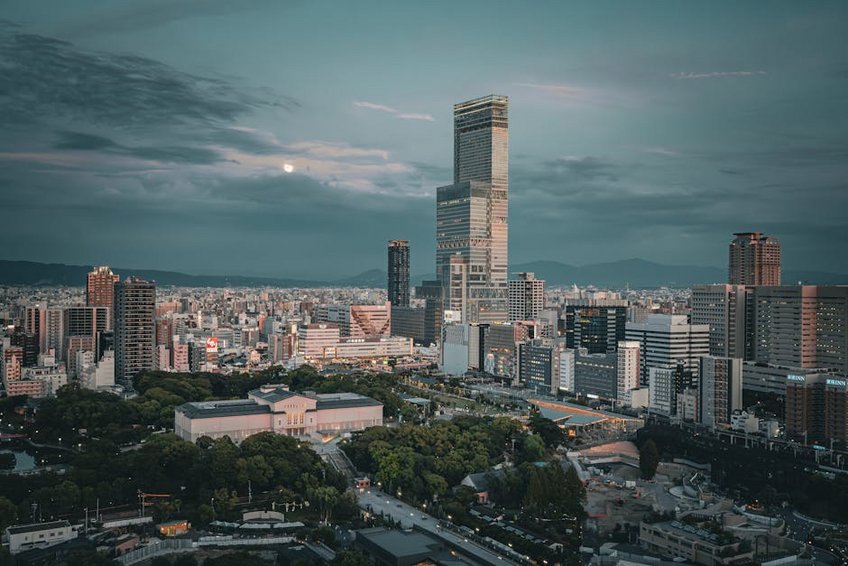
- Tennoji: A rapidly redeveloping area south of Namba, home to the historic Shitennoji Temple, the towering Abeno Harukas building, and the nostalgic, slightly rough-around-the-edges Shinsekai district with its iconic Tsutenkaku Tower.
- Budget Traveler ($60-90 USD/day): Stay in a capsule hotel or budget business hotel ($40-60/night). Eat at street stalls (takoyaki for $3-5), convenience stores, and standing noodle bars. Use subway day passes and visit many free sights like Dotonbori and Shitennoji Temple grounds.
- Mid-Range Traveler ($120-200 USD/day): Stay in a comfortable hotel near a station ($80-120/night). Enjoy sit-down meals at local izakayas and specialty restaurants ($15-30 per meal). Use taxis occasionally and pay entry for major attractions like the Osaka Castle museum or Umeda Sky Building.
- Luxury Traveler ($300+ USD/day): Stay at a high-end hotel like the St. Regis or Conrad Osaka ($300+/night). Dine at Michelin-starred restaurants or famous kappo (chef’s counter) establishments. Hire a private guide for a day or book exclusive cultural experiences like a tea ceremony in a private setting.
- Osaka Convention & Tourism Bureau
- Japan Guide: Osaka
- Osaka Metro Official Site
Cultural Identity and Local Mindset
Osakans are famously known for their humor, directness, and love of good food and drink. The local Kansai-ben dialect is noticeably different from standard Tokyo Japanese, often perceived as warmer and more casual. This translates to a generally more relaxed atmosphere in shops and restaurants compared to other major Japanese cities.
Embrace the city’s motto, “Kuidaore,” which loosely means “eat until you drop.” This isn’t just a slogan but a genuine philosophy celebrating the pleasure of food. You will notice that service is efficient but often accompanied by friendly banter, especially at smaller izakayas and street food stalls where interaction is part of the experience.
Alt: “dotonbori-canal-glico-running-man-sign-night-lights”
Osaka Travel Guide – Planning Your Trip
Crafting the perfect Kansai region itinerary means allocating time specifically for this urban playground. While many treat it as a day-trip from Kyoto, dedicating at least two full days allows you to experience both the daytime energy and legendary nightlife. A smart plan balances iconic photo spots with leisurely neighborhood exploration and ample time for spontaneous food discoveries.
Your budget will stretch further here than in Tokyo, especially for dining and mid-range accommodation. Prioritize purchases like the Osaka Amazing Pass for unlimited subway travel and free entry to many attractions if you plan a packed sightseeing day. Booking accommodation near a major subway station like Namba or Umeda saves significant time and simplifies logistics with luggage.
Best Time to Visit Osaka
The ideal periods are spring (March to May) and autumn (October to November). Spring offers mild temperatures between 50-70°F (10-21°C) and the famous cherry blossoms, usually blooming in early April around Osaka Castle Park. Autumn provides similarly comfortable weather, 55-72°F (13-22°C), and stunning fall foliage, with fewer rain days than the summer rainy season.
Summer (June to September) is hot and very humid, with temperatures often exceeding 86°F (30°C) and high rainfall in June and July. Winter (December to February) is chilly, 35-50°F (2-10°C), but dry and sunny, with smaller crowds and lower hotel rates, making it a good option for budget travelers who don’t mind the cold.
Budget Planning and Costs
Daily costs vary widely based on style, but Osaka offers great value, particularly for foodies.
Essential Preparation Checklist
Pack comfortable walking shoes, as you will easily log 5-8 miles daily exploring districts and subway stations. Bring a lightweight jacket for air-conditioned trains and buildings in summer, and a warmer coat for winter. A portable Wi-Fi router or SIM card is essential for navigating with Google Maps, which integrates perfectly with Osaka’s subway system.
Secure your Japan Rail Pass *before* arrival if traveling extensively nationwide. For Osaka-only travel, it’s not cost-effective. Have some cash (yen); while credit cards are widely accepted in department stores and hotels, many small eateries and market stalls are cash-only. Learn a few basic Japanese phrases; even simple “arigatou gozaimasu” (thank you) is appreciated.
Top Attractions and Urban Adventures
Osaka sightseeing blends historical landmarks with pure modern entertainment. The city’s top draws aren’t just places to see, but experiences to engage with, from cooking your own okonomiyaki to screaming on a roller coaster that passes through a building. Efficient planning using the looped subway lines allows you to group attractions by geographic area to maximize your time.
Beyond the famous checklist, the real joy lies in wandering side streets, discovering a tiny bar, or watching the city transform from day to night. Allocate time for both structured visits and unstructured exploration to get a true feel for the local pace and character. Remember that many museums are closed on Mondays or Tuesdays, so check schedules in advance.
Must-See Highlights
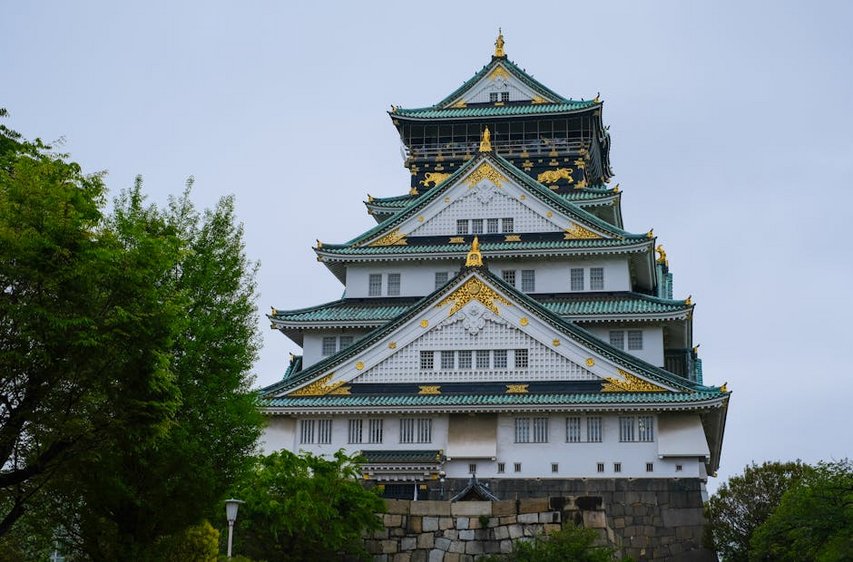
Start at Osaka Castle Park, where the reconstructed castle museum offers panoramic city views from its top floor. The surrounding park is a beautiful spot for a walk, especially during cherry blossom season. Next, dive into the sensory overload of Dotonbori, walking along the canal to see the iconic Glico Running Man sign and giant moving crab, and sampling takoyaki from a street vendor.
Visit the Umeda Sky Building for a breathtaking, open-air view from the Floating Garden Observatory, best at sunset. For entertainment, Universal Studios Japan is a major draw, with its Super Nintendo World requiring timed entry tickets booked well in advance. In Shinsekai, feel the nostalgic Showa-era atmosphere and ride the elevator up Tsutenkaku Tower for a different perspective on the southern city.
Hidden Gems and Local Favorites
Escape the crowds at the Open-Air Museum of Old Japanese Farmhouses in the northern suburbs, featuring actual thatch-roofed homes relocated from across Japan. For a unique shopping experience, explore the Doguyasuji Shotengai, a kitchenware street where you can buy professional-grade Japanese knives and plastic food samples.
Locals love the retro atmosphere of the Shinsekai Janjan Yokocho alleyways behind Tsutenkaku. For a peaceful garden, visit the Keitakuen Garden next to Tennoji Zoo, a traditional Japanese landscape often overlooked by tourists. For anime and manga fans, the Nipponbashi Den Den Town offers a more localized alternative to Tokyo’s Akihabara.
Family-Friendly Activities
Universal Studios Japan is the obvious top choice, with dedicated areas for younger children. The Kaiyukan Aquarium in the Tempozan Harbor Village is one of the world’s best, featuring a breathtaking central tank with whale sharks and manta rays. Kids enjoy the nearby Tempozan Giant Ferris wheel for views over Osaka Bay.
The Kids Plaza Osaka is an excellent hands-on children’s museum with play areas and cultural activities. Legoland Discovery Center, located in the Tempozan Marketplace complex, is perfect for younger builders. For a classic amusement park feel, visit the retro attractions at the top of the Tsutenkaku Tower in Shinsekai.
Practical Travel Information
Getting around is remarkably efficient thanks to the extensive subway and train network managed by two main companies: Osaka Metro and JR West. For most city-center travel, the Osaka Metro is your best bet. Purchasing an ICOCA or Suica rechargeable card eliminates the need to buy individual tickets and works on virtually all trains, buses, and even at convenience stores.
Accommodation choices are plentiful, ranging from world-class luxury hotels to unique capsule experiences. The key is location: staying within a 5-10 minute walk of a major subway station (Namba, Umeda, Honmachi, Tennoji) will save you immense time and effort. Booking three to four months in advance is advised for peak seasons like cherry blossom or autumn leaves.
| Accommodation Type | Best For & Features | Price Range/Night (USD) |
|---|---|---|
| Luxury Hotel | Upscale service, concierge, prime locations (St. Regis, Conrad, Ritz-Carlton). | $300 – $600+ |
| Business Hotel | Clean, efficient, small rooms, often near stations (Toyoko Inn, Dormy Inn). | $70 – $150 |
| Capsule Hotel | Budget, unique experience, often includes spa facilities (for male/female floors). | $30 – $60 |
| Apartment Rental | Families or longer stays, kitchenette, more space (via Airbnb or Booking.com). | $90 – $200 |