Oman Muscat January Trip: Your Perfect Winter Escape
An Oman Muscat January trip delivers exceptional winter conditions with average daytime temperatures ranging from a pleasant 75°F to 82°F (24°C to 28°C) under clear blue skies. This weather creates the ideal environment for exploring historic forts, vibrant souqs, and dramatic mountain scenery without the intense heat of other seasons. This guide details how to maximize your visit with practical logistics, cultural insights, and activity recommendations tailored for the perfect winter getaway.
Essential Information About Muscat
Muscat, the capital of the Sultanate of Oman, is a unique blend of ancient tradition and modern development nestled between the Al Hajar Mountains and the Arabian Sea. The city’s history dates back centuries as a strategic trading port, and this legacy is visible in its well-preserved forts and the commanding architecture of the Sultan Qaboos Grand Mosque. Unlike other Gulf metropolises, Muscat maintains a low-rise, sprawling layout focused on harmony with its natural surroundings.
Oman is known for its warm hospitality and is consistently ranked as one of the safest countries in the world for travelers. Visiting in January places you in the heart of the tourist season, so you can expect all facilities to be open and a vibrant atmosphere. The cooler climate also makes venturing into the interior for wadi exploration or desert camping far more comfortable than during the scorching summer months.
What You Need to Know Before You Go
Preparation ensures a smooth and respectful visit to this unique destination. Consider these key points before your departure.
- Most visitors require an eVisa, which is easily obtainable online for many nationalities including US, UK, EU, and Canadian passport holders before arrival for a fee of approximately 20 OMR (52 USD).
- The local currency is the Omani Rial (OMR), which is pegged at roughly 1 OMR to 2.60 USD; credit cards are widely accepted in the city, but carrying some cash is wise for smaller souq vendors.
- Dress codes are conservative; both men and women should ensure shoulders and knees are covered in public, with women advised to carry a scarf for entering mosques.
- Budget Traveler ($80-120 USD/day): Stay in clean guesthouses in Mutrah, use public buses and shared taxis, eat at local cafeterias, and focus on free activities like walking the corniche and visiting public beaches. Your main expense will be a shared group tour for a desert or mountain day trip.
- Mid-Range Traveler ($150-250 USD/day): This allows for comfortable 4-star hotels in Al Khuwair, rental car hire, dining at a mix of good local and international restaurants, and booking private guides for key historical sites like Nizwa Fort or Wahiba Sands.
- Luxury Traveler ($350-600+ USD/day): Enjoy 5-star resorts like The Chedi Muscat or Al Bustan Palace, private chauffeur-driven tours, fine dining experiences, and exclusive activities such as private dhow charters or spa treatments with Omani traditions.
- Oman Airports Management Company
- Rough Guides Oman Travel Advice
Key Details on Climate and Culture
January offers the most reliably pleasant weather in the Omani capital. Daytime is perfect for sightseeing, while evenings can be cool, especially near the water or in the mountains, with temperatures potentially dropping to around 62°F (17°C). This month also sees minimal rainfall, guaranteeing sunny days for your itinerary. Packing layers is the most effective strategy for comfort throughout the day.
Omani culture is deeply rooted in Islamic traditions and tribal heritage, expressed through gentle manners, frankincense aromas, and intricate handicrafts. Social interactions are polite and respectful. While Arabic is the official language, English is commonly spoken in tourist areas, hotels, and by tour operators. A few basic Arabic greetings like “As-salamu alaykum” (Hello) are always appreciated.
The Appeal of a Winter Visit
Choosing January for your Omani adventure sidesteps the extreme heat that dominates from May to September, making outdoor activities not just possible but enjoyable. The sea temperature remains warm enough for swimming, snorkeling, and dolphin watching in the Gulf of Oman. Furthermore, this is the peak season for cultural festivals and events, offering a deeper glimpse into local traditions and celebrations.
Alt: “muscat-sultan-qaboos-grand-mosque-architecture-winter-sunlight”
Oman Muscat January Trip – Planning Your Journey
Strategic planning transforms a good winter visit into an outstanding one, especially during the popular January period. Begin by booking international flights into Muscat International Airport (MCT) at least two to three months in advance to secure the best fares from major hubs like London, Istanbul, or Dubai. Simultaneously, reserve your accommodation, as the best hotels in prime locations like Shatti Al Qurum or Old Muscat fill quickly for this desirable travel month.
Constructing a balanced itinerary is key to appreciating Muscat’s diverse offerings. Allocate days for iconic city landmarks, another for a day trip into the mountains or desert, and time for leisurely exploration of the corniche and souqs. Renting a car provides maximum flexibility for day trips, but reliable tour operators and taxis are readily available for those who prefer not to drive. Remember to confirm opening days for major sites, as some, like the Sultan Qaboos Grand Mosque, are closed to non-Muslim visitors on Fridays.
Your budget should account for higher accommodation costs in January compared to the summer off-season. However, the superb weather means you’ll spend more time enjoying free public spaces like the Mutrah Corniche and less money escaping the heat in air-conditioned malls. Dining costs vary widely, from affordable shawarma stalls to high-end hotel restaurants, allowing for flexible daily spending.
Best Time to Visit Within January
The entire month of January is excellent, but the first half often sees slightly fewer visitors than the latter half, as European school holidays typically begin in late January. Temperatures are remarkably consistent, with averages between 75°F and 82°F (24°C and 28°C) throughout the month. Early January bookings can sometimes yield marginally better rates for flights and hotels before the peak of the high season fully takes hold.
If your schedule is flexible, aim for dates outside of major international holidays. The weather is reliably dry, with virtually no chance of rain disrupting outdoor plans. Sea conditions are generally calm, perfect for booking a dolphin-watching cruise or a trip to the Bandar Al Khairan fjords. This consistency makes January the most predictable and comfortable month for tourism in the region.
Budget Planning and Costs
A well-planned budget accounts for seasonal premiums while leveraging Oman’s range of experiences.
Essential Preparation Checklist
Packing correctly is crucial for comfort and respect. Bring lightweight, loose-fitting clothing that covers shoulders and knees, a sun hat, high-SPF sunscreen, and sunglasses. A light jacket or sweater is essential for cooler January evenings, especially if you plan a desert night where temperatures drop significantly. Comfortable walking shoes are non-negotiable for exploring forts and souqs.
Ensure your passport has at least six months validity from your entry date and secure your Oman eVisa online before travel. Purchase comprehensive travel insurance that covers medical evacuation. Download offline maps and a translation app, and inform your bank of your travel plans to avoid card blocks. Booking popular tours and internal flights ahead of time is highly recommended for January visits.
Top Attractions and Activities in Muscat
Muscat’s attractions showcase its imperial history, maritime legacy, and stunning natural setting. The city is beautifully dispersed, so organizing sightseeing by geographic area saves time. Start in Old Muscat to see the Sultan’s Al Alam Palace flanked by the Portuguese forts of Mirani and Jalali, then move along the coast to the Mutrah district for its famous souq and corniche walkway. Each area offers a distinct facet of the capital’s character.
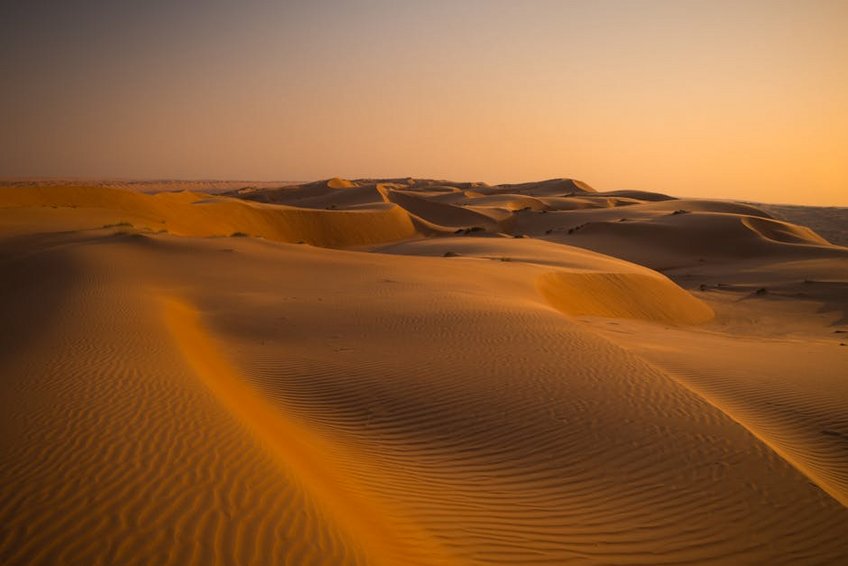
Beyond the city center, the dramatic geography invites exploration. A day trip into the Western Al Hajar Mountains reveals traditional villages and breathtaking canyons like Wadi Shab, where you can hike and swim in turquoise pools. Alternatively, head south to the pristine sands of the Wahiba Desert for a taste of Bedouin culture and dune bashing. January’s mild weather makes both mountain and desert excursions thoroughly enjoyable.
Must-See City Highlights
The Sultan Qaboos Grand Mosque is an architectural masterpiece and a mandatory stop. Visit in the morning (except Friday) to appreciate its vast Persian carpet, Swarovski crystal chandelier, and serene marble courtyards. Adjoining the mosque, the Bait Al Zubair Museum offers excellent insights into Omani heritage and is a great next stop to understand the culture you are experiencing.
The Mutrah Souq is a labyrinth of alleys brimming with the scent of frankincense, stalls selling silver Khanjar daggers, pashminas, and antiques. Practice polite haggling here and visit in the late afternoon to combine shopping with a sunset walk along the adjacent Mutrah Corniche. This walk offers beautiful views of traditional wooden dhows bobbing in the harbor against a backdrop of rugged mountains.
Hidden Gems and Local Favorites
For a quieter experience, visit the Bait Al Baranda Museum in Mutrah, housed in a beautifully restored merchant’s house, which tells the story of Muscat’s geological and social history in an engaging way. Later, find the tiny fish market near the souq to see the day’s catch come in—a vivid slice of local life. These spots are often overlooked by tourist buses but are richly rewarding.
Drive or take a taxi to the Yiti Beach area, south of the city, for dramatic mountain-meets-sea scenery with far fewer visitors. It’s a perfect spot for a picnic or photographs. In the evening, locals frequent the Shatti Al Qurum beach area for strolls and coffee; joining them provides a genuine feel for the city’s relaxed social rhythm away from the main tourist tracks.
Adventure and Nature Day Trips
Wadi Shab is the premier day trip destination, featuring a rewarding 45-minute hike leading to a series of stunning freshwater pools and caves you can swim into. Go with a guided tour for logistics or rent a car and arrive early to avoid crowds. Remember to wear sturdy water shoes and bring a waterproof bag for your belongings, as the final section involves swimming.
For desert enthusiasts, a trip to Wahiba Sands (also known as Sharqiyah Sands) offers classic Arabian adventures. Tours typically include 4×4 dune bashing, visits to a Bedouin family, and the option to camp overnight under spectacular starry skies. January nights in the desert are crisp and cool, making camping exceptionally comfortable compared to other times of the year. Always book with a reputable operator for safety.
Practical Travel Information for Muscat
Navigating Muscat requires understanding its sprawling layout. The city is connected by a modern multi-lane highway, but districts are spread over a considerable distance. For first-time visitors, using a combination of pre-booked tours for day trips and taxis for inner-city movement is often the most stress-free approach. Mwasalat public buses serve main routes but are less frequent and not ideal for tight itineraries.
Accommodation choices define your experience. The Shatti Al Qurum area is upscale, close to long beaches and diplomatic districts. Mutrah is historic and lively, ideal for culture lovers. Al Khuwair is a central commercial district with many mid-range hotel options and good accessibility. Booking platforms like Booking.com and Airbnb list numerous vetted properties, but always check recent reviews concerning location convenience.
| Accommodation Area | Best For & Features | Price Range/Night (USD) |
|---|---|---|
| Shatti Al Qurum | Luxury beachfront resorts, high-end dining, diplomatic area, long sandy beach walks. | $200 – $600+ |
| Mutrah | History, souq access, corniche views, traditional atmosphere, budget to mid-range hotels. | $70 – $180 |
| Al Khuwair | Central location, business hotels, shopping malls, good transport links, variety of restaurants. | $100 – $250 |
| Old Muscat / Qurm | Peace and quiet, proximity to Grand Mosque and royal palaces, limited dining options. | $150 – $400 |