Nomadic Tent Experience in Mongolia: A Guide to Authentic Ger Life
Spending a night in a traditional Mongolian ger, the iconic circular tent used by nomadic herders for centuries, offers a profound connection to Central Asia’s vast landscapes and enduring culture. Your journey into this lifestyle involves staying with local families on the steppe, sharing meals of buuz dumplings and airag fermented mare’s milk, and learning ancient customs under endless starry skies. This guide details how to plan your immersive ger homestay, from selecting a responsible tour operator to understanding the seasonal rhythms of nomadic life, ensuring your adventure is both respectful and unforgettable.
Understanding the Ger and Nomadic Culture
The ger, often called a yurt in the West, is a portable, felt-covered dwelling that has been the center of Mongolian nomadic life for over a thousand years. Its circular design symbolizes the sun and the universe, while its wooden lattice framework and wool felt insulation provide a sturdy, climate-controlled home capable of withstanding the extreme continental climate. For nomadic families, the ger is more than shelter; it’s a sacred space where daily rituals, family bonds, and hospitality traditions are meticulously maintained.
Nomadism in Mongolia is not a relic but a vibrant, living culture. An estimated 25-30% of the population continues this lifestyle, moving their herds of horses, sheep, goats, cattle, and camels between seasonal pastures. This movement is dictated by ancient knowledge of land and weather, a practice known as *otor*. Your visit supports these communities directly, offering a vital economic lifeline and fostering genuine cultural exchange.
Essential Cultural Principles for Visitors
Respecting ger etiquette is paramount for a positive experience. These rules ensure harmony and show deep respect for your hosts.
- Always approach the ger from the left side (west) and enter without stepping on the threshold, which symbolizes the family’s prosperity. Inside, walk clockwise around the central stove, accepting any offered food or drink with your right hand or both hands.
- The north side (*hoimor*) opposite the door is the place of honor, reserved for elders, family altars, and special guests. Never lean against the central support columns or point your feet toward the altar or hearth.
- Participate willingly in daily tasks like milking animals, preparing dairy products, or collecting dried dung (*argal*) for fuel. Your genuine interest and helpful attitude will be appreciated far more than any gift.
- Budget Traveler ($600-900): Includes group tour, shared ger homestays, local meals, and basic transport via minivan or shared jeep. Self-booked hostel nights in Ulaanbaatar and minimal souvenir spending fit this range.
- Mid-Range Traveler ($1,500-2,500): Covers a private guide and driver, stays with preselected families in dedicated guest gers, all meals, and activities like horse riding or camel trekking. This offers the best balance of comfort and authenticity.
- Luxury Traveler ($3,000+): Features stays at premium ger camps with private bathrooms, gourmet dining, charter flights to remote regions, and specialized guides for photography or birdwatching. Authentic family interaction is more curated.
- Mongolia Tourism Board
- Lonely Planet Mongolia Travel Guide
- International Committee of the Red Cross – Mongolia Nomads
The Structure and Symbolism of the Ger
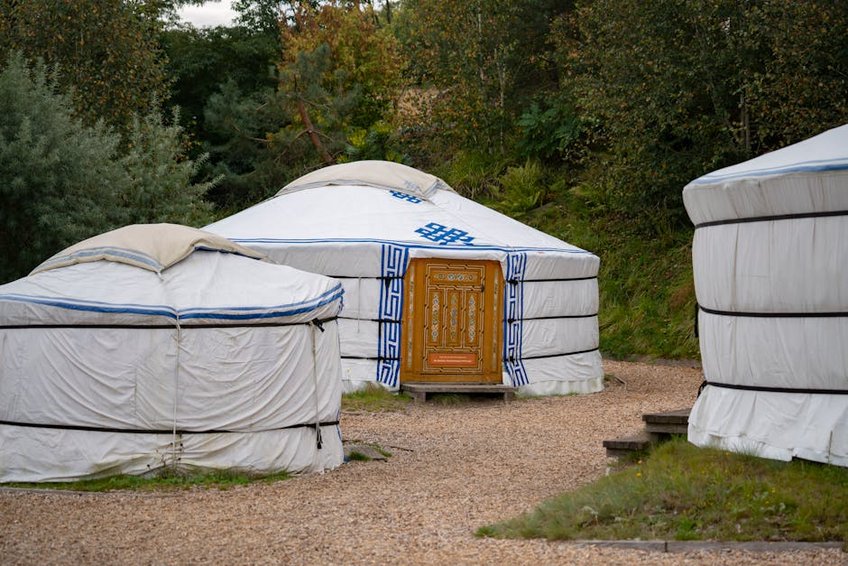
Every component of the ger holds meaning. The circular wall, or *khana*, represents the eternal cycle of life. The ceiling wheel, or *toono*, symbolizes the sun and allows smoke from the central stove to escape while letting light in. The door always faces south to welcome the sun’s warmth. The interior is divided into specific zones: men’s areas on the west side with hunting and riding gear, and women’s areas on the east with cooking utensils and child supplies.
Setting up or taking down a ger is a coordinated family effort that can be completed in under an hour. The lattice walls are unfolded, the roof poles are inserted into the ceiling ring, and multiple layers of felt and canvas are secured with horsehair ropes. Witnessing or assisting in this process is a fascinating lesson in practical engineering and communal living.
Seasonal Rhythms on the Mongolian Steppe
The nomadic calendar dictates all activities. Spring (April-May) is for birthing livestock and the first moves to spring pastures. Summer (June-August) is the peak season for dairy production and hosting the Naadam Festival. Autumn (September-October) is for preparing animals for winter and harvesting meat. Winter (November-March) is a time of endurance, with families hunkering down in protected valleys.
Your experience will vary dramatically by season. Summer offers lush green landscapes, warmer nights, and lively festivals. Autumn provides stunning golden colors and the cultural events surrounding the harvest. Winter, while challenging, offers a raw, authentic look at survival and the possibility of seeing the ger illuminated against pure white snow.
Alt: “mongolian-ger-tent-sunset-steppe-nomadic-camp”
Nomadic Tent Experience in Mongolia – Planning Your Trip
Organizing a genuine ger homestay requires thoughtful planning to align your expectations with reality. You are not booking a hotel, but an invitation into a family’s home and daily routine. Focus on operators who work directly with specific herder families, ensure fair compensation, and promote small-group travel to minimize cultural disruption. Your itinerary should balance time in the ger with activities like horseback riding or hiking to appreciate the context of the nomadic landscape.
The cost of your nomadic tent adventure varies widely. Budget tours using shared jeep transport and basic meals start around $80-120 per day. Mid-range experiences with private guides, more comfortable gers for guests, and included activities like horse trekking cost $150-250 daily. Luxury ger camp stays, which offer ensuite bathrooms and restaurant dining, run $300-500 per night but provide less authentic family interaction.
Best Time to Visit for a Ger Stay
The ideal window for a classic nomadic tent experience is from mid-June to early September. During these summer months, temperatures range from a pleasant 60-75°F (15-24°C) during the day to cool 40-50°F (4-10°C) nights. The steppe is green, animals are active, and travel conditions are easiest. This period also encompasses the Naadam Festival in July, a spectacular display of wrestling, archery, and horse racing.
Shoulder seasons in late May/early June and September offer cooler temperatures (40-65°F / 4-18°C) and fewer tourists, but families are busy with critical herding tasks. Winter visits (December-February) are only for the very hardy, with temperatures plummeting to -22°F (-30°C) at night, though the stark beauty and deep cultural immersion are unparalleled.
Budget Planning and Costs
Your total budget depends heavily on travel style and duration. A breakdown for a 7-day trip highlights the main expenses.
Essential Preparation Checklist
Packing correctly is crucial for comfort and respect. Essential items include a four-season sleeping bag (rated to 20°F/-6°C), a compact sleeping bag liner, a headlamp, biodegradable wet wipes, a quick-dry towel, and a reliable power bank. Sturdy, broken-in hiking boots and layers of merino wool or synthetic clothing are mandatory due to rapid temperature shifts.
Logistical preparation is just as important. Secure a Mongolian visa if required (check based on your passport), purchase comprehensive travel insurance covering medical evacuation, and visit a travel clinic for recommended vaccinations. Book your ger homestay tour at least 3-4 months in advance for peak summer travel, especially if targeting specific festivals.
Top Activities and Immersive Experiences
Beyond simply sleeping in a ger, immersion comes from participating in the daily and seasonal rhythms of nomadic life. This hands-on learning turns a visit into a meaningful exchange. From helping with the evening milking to learning to tie traditional knots, each task connects you to a millennia-old survival system. The vast, silent landscape itself is a primary attraction, offering unparalleled stargazing and a profound sense of space.
Must-See Cultural Highlights
The Naadam Festival, held nationwide in mid-July, is the pinnacle of Mongolian culture. The “Three Manly Games” of wrestling, horse racing, and archery are deeply intertwined with nomadic history. Attending a local-level Naadam in the countryside is often more accessible and authentic than the large event in Ulaanbaatar. The Golden Eagle Festival in Western Mongolia each October showcases the ancient tradition of eagle hunting.
Visiting a nomadic family during the autumn harvest allows you to witness the preparation of winter meat stores and the creation of *borts*, air-dried meat that is a vital winter protein. In spring, you might see the branding of new foals and lambs. Each season offers a unique window into the cyclical nature of steppe life.
Hidden Gems and Local Interactions
Seek out experiences beyond the standard itinerary. Ask your host family to teach you how to play *shagai*, a game using sheep anklebones, or to sing a traditional *urtiin duu* (long song). Visiting a local *sum* (district) center on market day provides insight into how nomadic families obtain supplies and socialize. These unstructured moments often become the most cherished memories.
For a deeper connection, consider a multi-day horse or camel trek between ger sites, moving with a family’s herd or with a guide. This slow travel mirrors the traditional pace of nomadic movement and offers perspectives impossible to reach by vehicle. The Altai Mountains in the west or the Khan Khentii wilderness are ideal for such expeditions.
Hands-On Learning and Daily Tasks
The core of the experience is participation. Learn to milk a mare or a cow, a technique requiring specific rhythm and pressure. Assist in making *aaruul* (dried curds) or *byaslag* (cheese). Try your hand at using a *uurga* (lasso pole) from horseback, a skill every Mongolian herder masters in childhood. Your willingness to engage physically and earnestly is the key to a true cultural exchange.
Evening gatherings around the stove are central to ger life. This is when stories are told, tea is sipped, and the day is recounted. You might hear tales of Genghis Khan, local legends about the landscape, or family histories. Sharing a bottle of *airag* (fermented mare’s milk) during these times is a sign of friendship and acceptance.
Practical Travel Information and Logistics
Reaching the Mongolian steppe requires routing through the capital, Ulaanbaatar (ULN). From there, travel to nomadic regions is exclusively by 4×4 vehicle, horse, or domestic flight to provincial centers like Murun or Olgii. Distances are vast, with a 200-mile journey often taking 6-8 hours due to unpaved tracks and variable river crossings. Patience and flexibility are essential travel virtues here.
Accommodation options range from authentic family gers to tourist ger camps. A family homestay involves sleeping on mats or beds around the ger’s perimeter, using an outdoor pit toilet, and washing with a basin. Tourist camps offer gers with proper beds, sometimes heated, and shared shower/toilet blocks. Luxury camps feature ensuite bathrooms and restaurant dining.
| Accommodation Type | Features & Experience | Price Range (USD per night) |
|---|---|---|
| Authentic Family Ger | Direct family interaction, shared living space, outdoor facilities, participatory daily life. | $25 – $50 (often included in tour cost) |
| Tourist Ger Camp | Dedicated guest gers, shared bathhouse, set meals, less family immersion, more comfort. | $50 – $120 |
| Luxury Ger Camp | Ensuite bathroom, restaurant, heating, curated cultural shows, limited family contact. | $200 – $500+ |
| Community-Based Camp | Gers owned by local families, income-sharing model, guided activities, good balance. | $80 – $150 |